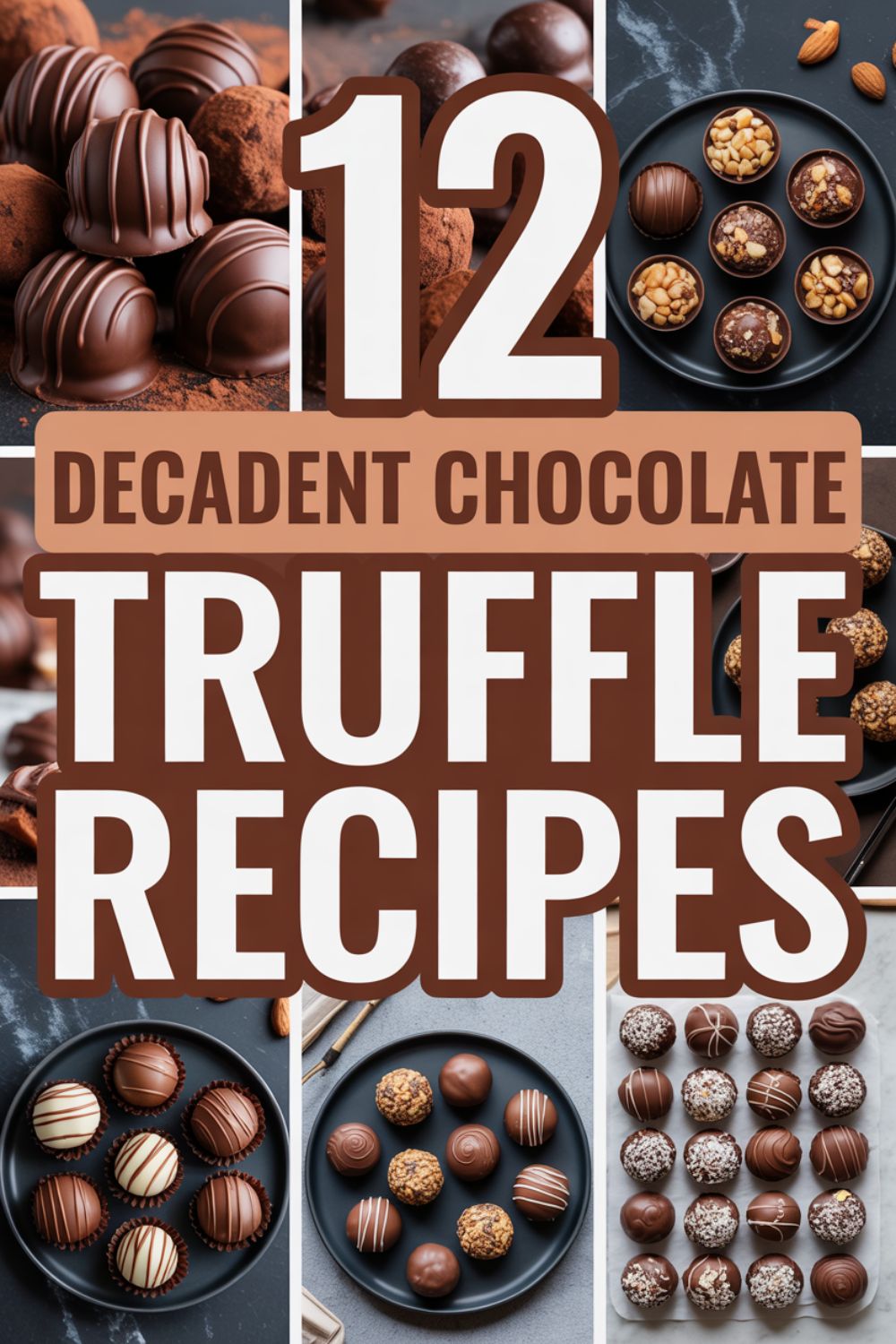
12 Decadent Chocolate Truffle Recipes
Look, I’m just going to say it—making chocolate truffles at home sounds way more intimidating than it actually is. Most people think you need some sort of pastry degree or a kitchen full of fancy equipment to pull these off. You don’t. What you need is chocolate, cream, and maybe fifteen minutes of your time. That’s it.
I fell into truffle-making by accident years ago when I was trying to impress someone at a dinner party. Spoiler alert: the truffles worked, the relationship didn’t. But I walked away with something better—a ridiculously easy dessert that makes me look like I know what I’m doing in the kitchen. And honestly? That’s priceless.
The beauty of truffles is that they’re endlessly customizable. You can keep them classic with cocoa powder, get fancy with sea salt and caramel, or throw in some bourbon if you’re feeling bold. They also make incredible last-minute gifts when you need something that screams “I put thought into this” without actually putting in that much thought.
What Makes a Truffle Actually Decadent
Here’s the thing about truffles: they’re basically just ganache rolled into balls. Ganache is that silky mixture of melted chocolate and cream that pastry chefs use for everything from cake fillings to glazes. But when you get the ratio right for truffles—typically 2 parts chocolate to 1 part cream—you end up with something that’s firm enough to hold its shape but still melts on your tongue like butter.
The science behind ganache is actually pretty fascinating. When hot cream hits chopped chocolate, it melts the cocoa butter and creates an emulsion. That’s fancy talk for “everything blends together smoothly.” If you’ve ever had grainy or separated ganache, it’s because the emulsion broke—usually from overheating or adding water where it doesn’t belong.
Quality chocolate matters here more than almost anywhere else in baking. You’re not hiding it in a cake or mixing it with a ton of other flavors. It’s front and center. I learned this the hard way when I tried using cheap chocolate chips once. The result? Waxy, flavorless disappointment. Now I stick with chocolate bars that I’d actually want to eat straight—usually something in the 60-70% cacao range for dark chocolate truffles.
Pro Tip: Always chop your chocolate into small, uniform pieces before making ganache. Those big chunks won’t melt evenly, and you’ll end up with lumps. I use a serrated knife for this—it glides through chocolate way better than a regular chef’s knife.
The cream-to-chocolate ratio shifts depending on what type of chocolate you’re using. Milk chocolate has more fat from the milk solids, so you need about 2.5 parts chocolate to 1 part cream. White chocolate? Even more—around 3 parts chocolate to 1 part cream. Otherwise, your truffles will be too soft to roll, and you’ll just have an expensive chocolate puddle on your hands.
Classic Dark Chocolate Truffles
These are your gateway truffles. Dead simple, insanely rich, and exactly what comes to mind when someone says “chocolate truffle.” I make these more than any other variety because they’re foolproof and always impressive.
Start with good dark chocolate—I’m talking 60-70% cacao content—and chop it finely. Heat your cream until it’s just about to boil (you’ll see tiny bubbles forming around the edges), then pour it over the chocolate. Let it sit for a minute or two without touching it. This gives the heat time to work through all the chocolate pieces.
Then comes the whisking. Start from the center of your bowl and work your way outward in circles. It’ll look like chocolate milk at first, which is normal. Keep whisking, and suddenly it’ll transform into this glossy, smooth ganache that looks like it belongs in a fancy French patisserie. Cover it with plastic wrap—make sure the wrap is actually touching the surface of the ganache to prevent a skin from forming—and let it chill in the fridge for a few hours.
When it’s firm but still scoopable (think peanut butter consistency), use a small cookie scoop to portion it out. Roll each scoop between your palms quickly—your body heat will start melting them if you take too long—and then toss them in cocoa powder. Done.
If you’re into baking and want more quick dessert ideas that don’t require hours of prep, you should check out these easy 30-minute desserts. They’re lifesavers when you need something sweet without the commitment.
Salted Caramel Truffles
Salted caramel is having a moment that’s lasted approximately fifteen years now, and I’m not complaining. When you combine that sweet-salty situation with dark chocolate, you get something that’s borderline addictive.
For these, you’ll make your ganache the same way as the classic version, but before it sets, you’ll swirl in some caramel sauce. Don’t go wild here—too much caramel will make the ganache too soft to roll. About two tablespoons per cup of ganache is the sweet spot. Then add a solid pinch of flaky sea salt and mix it through.
Once they’re rolled and coated in cocoa powder, I like to finish them with an extra sprinkle of sea salt on top. It’s not just for looks—that little burst of salt when you bite in is what makes these special. They’re the truffles I bring to parties when I want people to ask for the recipe.
Speaking of caramel desserts, these easy dessert bars are fantastic if you’re looking for something portable and equally indulgent.
Espresso Dark Chocolate Truffles
Coffee and chocolate are one of those combinations that just work. The bitterness of espresso cuts through the richness of the chocolate and somehow makes both flavors more intense.
For these, I add a tablespoon of instant espresso powder to the hot cream before pouring it over the chocolate. That’s it. You don’t even taste the coffee specifically—it just makes the chocolate taste more like chocolate, if that makes sense. It’s like turning up the volume on the cocoa.
If you want to get fancy, you can roll these in finely crushed espresso beans instead of cocoa powder. Fair warning though: they’ll have a bit of crunch, and some people find that weird in a truffle. I’m not one of those people, but your mileage may vary.
Bourbon Vanilla Truffles
These are grown-up truffles. The bourbon adds this warm, oaky depth that makes them perfect for cold weather or for impressing people who think they’re too sophisticated for “regular” chocolate truffles.
You’ll add the bourbon after your ganache comes together, while it’s still warm. Two to three tablespoons is plenty—more than that and you’ll throw off your ratios. The alcohol won’t cook off since you’re not applying heat, so these do have a legitimate boozy kick. Not enough to get anyone drunk, but definitely enough to notice.
I roll these in powdered sugar instead of cocoa powder. It creates this nice visual contrast, and the sweetness plays well with the bourbon. Plus, they look a bit more elegant, which is useful if you’re giving them as gifts or serving them at an event where you’re trying to seem like you have your life together.
Quick Win: Keep your hands ice-cold when rolling truffles. I stick a bag of frozen peas next to my work station and touch them between rolling each truffle. Warm hands = melted mess.
White Chocolate Raspberry Truffles
White chocolate gets a bad rap in the baking world because a lot of commercial white chocolate tastes like sweetened wax. But good white chocolate—the kind with actual cocoa butter listed as the first ingredient—is creamy and subtle and perfect for pairing with fruit.
Raspberries are classic with white chocolate, but here’s the trick: you need to use freeze-dried raspberries, not fresh. Fresh berries have too much water content and will break your ganache. Freeze-dried berries, on the other hand, you can grind into a powder and fold right into the ganache without any issues.
I use my spice grinder to pulverize the freeze-dried raspberries into a fine powder. Add about a quarter cup of this to your white chocolate ganache along with a tiny squeeze of lemon juice to brighten the flavor. The result is this beautiful pale pink truffle that tastes like sophisticated raspberry cheesecake.
For the coating, crushed freeze-dried raspberries mixed with powdered sugar works beautifully. It’s prettier than cocoa powder and adds another hit of that tart berry flavor. If you’re looking for more fruit-based desserts that won’t weigh you down, these low-calorie fruit desserts are worth bookmarking.
Peanut Butter Cup Truffles
This is what happens when a Reese’s cup grows up and gets a fancy degree. Milk chocolate ganache with peanut butter folded in, rolled in chopped peanuts. It’s nostalgic and delicious and disappears faster than any other truffle I make.
The key here is using natural peanut butter—not the stuff with added sugar and oils. You want just peanuts and maybe salt. Mix about a third of a cup into your milk chocolate ganache while it’s still warm. It’ll loosen up the ganache a bit, which is why milk chocolate works better here than dark. Dark chocolate ganache is already pretty stiff, and adding peanut butter can make it too firm.
For rolling, I coat these in finely chopped roasted peanuts. It adds texture and makes it immediately obvious what flavor you’re biting into. Pro tip: toast your chopped peanuts in a dry skillet for a few minutes before using them. It intensifies their flavor and makes them way more interesting.
While we’re on the subject of protein-packed treats, you might also enjoy these protein-packed desserts that actually taste good. Get Full Recipe
Almond Joy-Inspired Truffles
Dark chocolate, coconut, and almond—it’s the holy trinity of candy bar flavors. These truffles are basically Almond Joys that decided to dress up for the opera.
I add about a third of a cup of sweetened shredded coconut and a splash of almond extract to my dark chocolate ganache. Then I fold in some chopped almonds for texture. The ganache won’t be completely smooth like the others—there will be bits of coconut and nut throughout—but that’s part of the charm.
Roll these in toasted coconut. It sticks to the ganache beautifully and creates this impressive-looking exterior that makes people think you spent way more time on them than you actually did.
Orange Dark Chocolate Truffles
Chocolate and orange is one of those classic European combinations that Americans are slowly catching on to. It’s subtle and sophisticated—not at all like those chocolate oranges you get during the holidays.
The secret is using both orange zest and orange extract. The zest gives you those bright, aromatic oils from the peel, while the extract provides a more concentrated orange flavor without adding moisture. Add the zest to your cream before heating it, let it steep for about five minutes, then strain it out before pouring over your chocolate.
Add a quarter teaspoon of orange extract to the finished ganache and a pinch of salt. The salt is crucial here—it keeps the orange from tasting artificial and balances out the sweetness. I roll these in cocoa powder mixed with a tiny bit of orange zest for visual interest. They’re elegant enough for dinner parties but easy enough that you won’t stress about making them.
For more citrus-based ideas, check out these desserts made with natural sweeteners. Many use citrus to brighten up the flavor profile naturally.
Mint Chocolate Truffles
Mint chocolate is divisive. People either love it or think it tastes like toothpaste. I’m firmly in the love camp, but I get the criticism—a lot of mint chocolate desserts go way overboard on the mint extract and end up tasting medicinal.
The fix is simple: use less than you think you need. A quarter teaspoon of peppermint extract per cup of ganache is plenty. You want the mint to be noticeable but not aggressive. It should complement the chocolate, not compete with it.
I also add a tiny drop of green food coloring to the ganache. I know some people are against food coloring on principle, but here’s the thing: it helps people know what they’re biting into before they bite into it. Nobody likes surprise flavors in their chocolate. Keep it subtle—we’re going for pale mint, not radioactive green.
Roll these in crushed candy canes during the holidays or crushed Andes mints year-round. Both work beautifully and add a little crunch that plays well against the smooth ganache. These no-bake holiday desserts are another great option when you’re short on time but long on guests. Get Full Recipe
Hazelnut Praline Truffles
These are probably the most labor-intensive truffles on this list, but they’re worth it. Hazelnut and chocolate is a match made in heaven—just ask anyone who’s ever eaten Nutella straight from the jar with a spoon at 2 AM. Not that I’ve done that. Multiple times.
You’ll need hazelnut praline paste for these, which you can buy or make yourself. Making it involves toasting hazelnuts, making caramel, combining the two, and blending everything until smooth. It’s a whole process, but homemade praline paste is incomparably better than store-bought.
Fold about half a cup of praline paste into your milk chocolate ganache. Milk chocolate works better here than dark because it’s less intense and lets the hazelnut flavor shine through. Roll the finished truffles in finely chopped toasted hazelnuts.
Fair warning: these are rich. Like, “you can only eat one at a time” rich. Which is probably a good thing because they’re also expensive to make. But man, are they good.
Champagne Truffles
These are my New Year’s Eve special. Champagne and chocolate sounds fancy because it is fancy. But they’re no harder to make than any other truffle, which is what makes them such a great party trick.
You’ll reduce your champagne first—about a cup down to a quarter cup. This concentrates the flavor and cooks off most of the alcohol, leaving you with this subtle, fruity essence that pairs beautifully with white chocolate. Let the reduction cool completely before adding it to your ganache, or you’ll break the emulsion.
The reduced champagne gets folded into white chocolate ganache along with a splash of vanilla extract. White chocolate is crucial here—dark chocolate would overpower the delicate champagne flavor. For coating, I use white chocolate shavings made with a vegetable peeler or gold luster dust if I’m feeling particularly extra.
These don’t last as long as other truffles—the champagne shortens their shelf life—so plan to eat them within a week. Honestly, that’s never been a problem in my house.
Coconut Cream Truffles
If you’re dairy-free or just really into coconut, these truffles are for you. Instead of heavy cream, you’ll use full-fat coconut milk from a can. Make sure you shake the can really well before opening it—you want the cream and the liquid fully combined.
The process is identical to regular truffles, but the flavor is different in the best way. You get all that tropical coconut richness along with the chocolate. I add a splash of rum extract (or actual rum, depending on my mood and who’s eating them) to play up that Caribbean vibe.
Roll these in toasted coconut flakes. The texture contrast is phenomenal—crunchy exterior, creamy center. They’re also naturally vegan if you use dark chocolate, which makes them great for accommodating different dietary needs without making anyone feel like they’re eating “diet” dessert.
For more dairy-free indulgences, these dairy-free desserts prove you don’t need butter and cream to make something spectacular. Get Full Recipe
Matcha White Chocolate Truffles
Matcha has exploded in popularity over the past few years, and for good reason—it’s got this earthy, slightly bitter flavor that’s perfect for cutting through the sweetness of white chocolate. Plus, it makes everything look impressively green.
Add two tablespoons of culinary-grade matcha powder to your white chocolate ganache while it’s still warm. Make sure you sift the matcha first, or you’ll have clumps. Nobody wants to bite into a truffle and get a mouthful of bitter matcha powder.
I roll these in more matcha powder mixed with powdered sugar. The coating is beautiful—this pale green color that photographs really well if you’re into that sort of thing. They’re also a good conversation starter since most people aren’t expecting matcha when they see truffles on a dessert table.
Essential Tools for Truffle-Making
You really don’t need much to make truffles, but having the right tools makes the process way less frustrating. Here’s what I actually use and recommend:
A good digital thermometer is your best friend when working with chocolate. You don’t need to temper chocolate for truffles, but you do need to know when your cream is the right temperature. Too hot, and you’ll break your ganache. Too cool, and your chocolate won’t melt fully.
A small cookie scoop (the #60 size, which holds about two teaspoons) makes portioning truffles infinitely easier and more consistent. You can absolutely use two spoons if that’s what you have, but the scoop is worth the investment if you plan to make truffles more than once.
Get yourself a proper serrated knife for chopping chocolate. Regular knives tend to slip on chocolate bars, which is both annoying and dangerous. Serrated knives grip better and give you more control.
FYI, if you’re just getting into more ambitious baking projects, these easy desserts to make with kids are a great starting point. Less technique-dependent but still impressive.
Pro Tip: Store your finished truffles in an airtight container in the fridge, with parchment paper between layers so they don’t stick together. They’ll last about two weeks, though I’ve never had a batch survive that long. Bring them to room temperature before serving—cold truffles don’t taste nearly as good.
The Science of Tempering (And Why You Can Skip It for Truffles)
Okay, so you’ve probably heard about tempering chocolate, and it sounds intimidating as hell. It involves heating and cooling chocolate to very specific temperatures to get that snappy, shiny finish you see on professional chocolates. The reason it works has to do with cocoa butter crystal structures—there are actually six different types of crystals that can form, and only one of them gives you that perfect texture.
Here’s the good news: you don’t need to temper chocolate for truffles. Tempering matters when you’re making chocolate shells or coating things in chocolate and you want them to set hard with a glossy finish. But truffles are ganache—a mixture of chocolate and cream—and that cream prevents the chocolate from setting hard anyway. So save yourself the stress and skip the tempering.
That said, if you’re curious about the science, Alton Brown has a great breakdown of the tempering process that’s actually pretty interesting. But for truffle-making? Totally unnecessary.
Troubleshooting Common Truffle Problems
Even with a foolproof recipe, things can go wrong. Here are the most common issues and how to fix them.
Broken ganache: If your ganache looks grainy or separated with an oily layer on top, your emulsion broke. This usually happens because your cream was too hot or you added water somehow (even a wet bowl can do it). To fix it, add a tablespoon of cold cream and whisk vigorously. If that doesn’t work, blend it with an immersion blender. That’ll force it back together.
Ganache too soft: If your truffles won’t hold their shape, you probably have too much cream in your ratio or you used milk/white chocolate when the recipe called for dark. Stick them back in the fridge and add more melted chocolate to the mixture. You’ll have extra ganache, but at least your truffles will be scoopable.
Ganache too firm: This is the opposite problem—your truffles are hard as rocks. It means too much chocolate or not enough cream. Warm the ganache slightly in the microwave (like 10-15 seconds at a time) and fold in more cream until you get the right consistency.
Truffles melting while you roll them: Your hands are too warm. This is super common. Put a bowl of ice water next to your work station and dip your hands in it between rolling each truffle. Or work faster. Or both.
Digital Resources to Level Up Your Chocolate Game
If you’re serious about getting better at chocolate work, there are some genuinely helpful resources out there that aren’t just trying to sell you stuff.
The Art of Chocolate Tempering eBook is comprehensive without being overwhelming. It covers everything from basic ganache to advanced tempering techniques with actual step-by-step photos. I reference it constantly.
Chocolate Truffle Masterclass (Video Course) is what I wish I’d had when I was starting out. It’s a video series that walks you through every type of truffle you can imagine, with real-time demonstrations and troubleshooting tips.
Dessert Recipe Library Subscription gives you access to hundreds of tested dessert recipes, including tons of chocolate variations. It’s worth it if you’re constantly looking for new things to try.
IMO, investing in good educational resources is way more valuable than buying expensive equipment. You can make excellent truffles with basic tools if you understand the technique. Can’t do the reverse.
Want more creative dessert inspiration? These birthday cake ideas are surprisingly easy to execute even if you’re not a pro baker.
Making Truffles Gift-Worthy
Truffles are one of the best homemade gifts you can give. They look expensive, they taste expensive, but they’re actually pretty cheap to make. The key is presentation.
Get some small gift boxes and tissue paper in festive colors. Layer the tissue paper in the box, nestle your truffles inside (in paper candy cups if you want to get really fancy), and tie it with a ribbon. Boom. You just gave someone a gift that looks like it came from a fancy chocolate shop.
Mini mason jars also work great for this. Layer different types of truffles in the jar—it creates this cool visual effect and keeps them from sticking together. Add a tag with storage instructions, and you’re done.
If you’re putting together gift boxes and want to include other homemade treats alongside the truffles, these 5-ingredient desserts are perfect for rounding out your offerings without overwhelming yourself.
Storing and Serving Truffles
Truffles are best stored in the fridge in an airtight container. Put parchment paper between layers so they don’t stick together and turn into one giant chocolate blob. They’ll keep for about two weeks in the fridge or up to three months in the freezer.
Here’s the crucial part: always bring them to room temperature before serving. Cold truffles don’t taste nearly as good because the fat is all seized up and the flavors are muted. Let them sit out for about 30 minutes before you serve them. The texture should be soft enough that they yield when you bite into them but firm enough that they don’t fall apart in your hand.
If you’re transporting truffles—to a party, as a gift, whatever—keep them cold until right before serving. They travel better when they’re firm, and nobody wants melted chocolate all over their car. Just plan ahead and give them time to warm up before people start eating them.
For more make-ahead dessert options that travel well, check out these desserts you can freeze for later. Total game-changers for party planning.
Frequently Asked Questions
How long do homemade chocolate truffles last?
Homemade truffles will keep for about two weeks in the fridge when stored in an airtight container. If you freeze them, they’ll last up to three months. Just make sure to bring them back to room temperature before eating—cold truffles don’t have the same melt-in-your-mouth texture. The key is keeping them away from moisture and strong odors, which they’ll absorb faster than you’d think.
Can I use chocolate chips instead of chocolate bars for truffles?
You can, but I don’t recommend it. Chocolate chips are formulated to hold their shape when heated, which means they don’t melt as smoothly as chocolate bars or wafers. You’ll often end up with grainy ganache if you use chips. If that’s all you have on hand, it’ll technically work, but definitely upgrade to bar chocolate or chocolate wafers for your next batch.
Why did my ganache separate or look oily?
Your ganache broke, which happens when the emulsion of fat and water splits. Usually this is because your cream was too hot when you poured it over the chocolate, or moisture got into the bowl somehow. To fix it, add a tablespoon of cold cream and whisk hard, or use an immersion blender to force it back together. Prevention is easier though—make sure your cream is hot but not boiling, and keep all your equipment completely dry.
Do I need to temper chocolate for making truffles?
Nope, you don’t need to temper chocolate for truffles. Tempering matters when you’re making chocolate shells or coatings that need to set hard with a snap. But truffles are ganache—chocolate mixed with cream—and that cream prevents the chocolate from setting hard anyway. Save yourself the hassle and skip the tempering entirely for truffle-making.
What’s the best chocolate-to-cream ratio for truffles?
For dark chocolate truffles, use a 2:1 ratio—two parts chocolate to one part cream by weight. Milk chocolate needs about 2.5:1 because it has more fat from the milk solids. White chocolate requires even more, around 3:1, since it’s the softest. These ratios give you ganache that’s firm enough to scoop and roll but still creamy and smooth when you bite into it.
Final Thoughts on Truffle-Making
Here’s what I want you to take away from all this: truffles are not hard. They’re not some intimidating French pastry technique that requires years of training. They’re chocolate and cream, mixed together and rolled into balls. That’s it. Everything else—the flavors, the coatings, the fancy presentation—is just extra.
The first time you make them, they might not be perfect. They might be a little lumpy, or the coating might not stick evenly, or they might melt in your hands more than you’d like. That’s completely normal. Make them again. And again. By the third batch, you’ll have the technique down, and you’ll start getting creative with flavors.
Truffles are one of those recipes that get better every time you make them, not because the recipe changes, but because you develop a feel for the process. You’ll know just by looking at the ganache when it’s the right consistency to roll. You’ll figure out exactly how cold your hands need to be. You’ll learn which coatings stick best and which flavors you personally love.
And honestly? That’s the fun part. Truffles are forgiving enough that you can experiment without worrying about completely ruining a batch. Want to try adding cardamom to your dark chocolate ganache? Go for it. Curious about what would happen if you used brown butter instead of regular butter? Find out. The worst-case scenario is that you end up with chocolate that’s not quite right, and even “not quite right” chocolate is still chocolate.
So grab some good chocolate, some cream, and just start. You’ll figure it out as you go. And when people inevitably ask you where you bought those incredible truffles, you can smile and tell them you made them yourself. Trust me, that never gets old.