
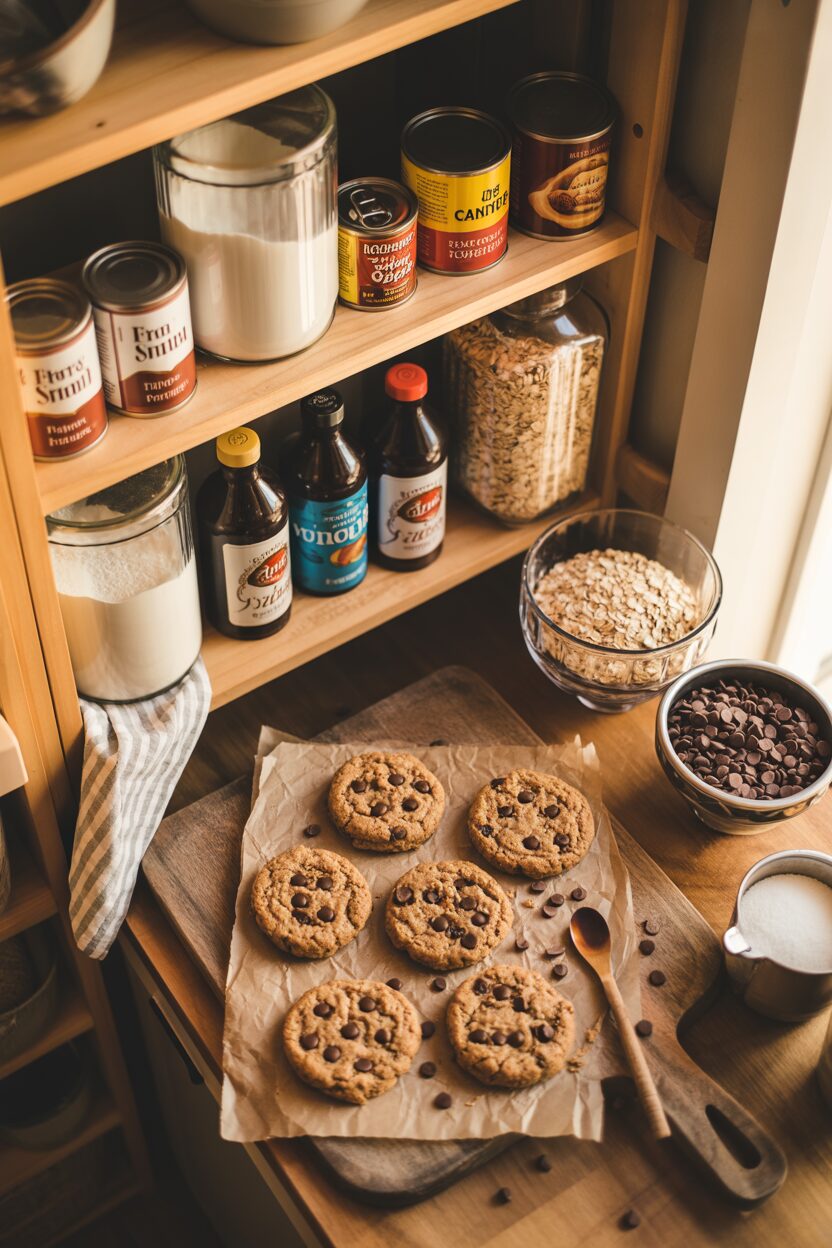
12 Desserts You Can Make with Pantry Staples
You know that moment when you crave something sweet but the thought of running to the store makes you want to just eat plain sugar from the bag? Yeah, me too. Here’s the good news: your pantry is probably hiding enough ingredients to make a dozen different desserts right now. No emergency grocery runs, no specialty items, just the flour, sugar, and random cans you’ve been ignoring for months.
I’ve been baking from my pantry for years, mostly out of laziness if I’m being honest. But somewhere along the way, I realized these pantry staple desserts often taste better than their fancier counterparts. They’re straightforward, unpretentious, and they don’t require ingredients you can only find at that one expensive grocery store across town.
Why Pantry Baking Is Actually Superior
Before we get into specific recipes, let’s address why pantry baking deserves more respect. You’re working with ingredients that have already proven they can survive in your cabinet for months. That’s stability. That’s reliability. Fresh berries go bad in three days, but a can of sweetened condensed milk? That thing will outlive us all.
Plus, when you bake from your pantry, you develop skills that actually matter. You learn which ingredients substitute for what. You figure out how to make things work instead of following recipes like religious texts. That’s real cooking, not just following instructions.
I’ve impressed more people with pantry desserts than with anything requiring fifteen fresh ingredients and four hours of active time. There’s something satisfying about creating something delicious from what you already have. It feels resourceful instead of wasteful.
The Pantry Essentials Worth Stocking
Let’s talk about what actually counts as pantry staples for dessert making. All-purpose flour is obvious—you can’t bake much without it. Granulated sugar and brown sugar cover your sweetness needs with different flavor profiles. Baking powder and baking soda are the unsung heroes that make things rise.
Vanilla extract transforms bland into delicious with just a teaspoon. According to food science research, vanilla contains compounds that enhance our perception of sweetness, which is why it shows up in basically every dessert recipe ever written.
Here’s what I always keep stocked: sweetened condensed milk (it’s basically magic in a can), cocoa powder for chocolate fixes, rolled oats for texture, vegetable oil for moisture, and chocolate chips because obviously. With these ingredients, you can make probably fifty different desserts without leaving your house.
Chocolate Pantry Desserts
Cocoa Powder Brownies
You don’t need actual chocolate bars to make brownies. Cocoa powder, flour, sugar, eggs, and oil create fudgy brownies that satisfy every chocolate craving. I’ve been making these for years because I rarely have baking chocolate on hand, but cocoa powder? That’s always there.
The trick is using enough cocoa powder—at least half a cup for an 8×8 pan. Skimping makes sad, pale brownies that taste like brown cake instead of chocolate heaven. I use this metal baking pan because it conducts heat evenly and nothing ever sticks to it. Get Full Recipe.
Mix your dry ingredients separately from wet ingredients, then combine them without overmixing. Overmixing develops gluten and makes brownies tough instead of fudgy. Nobody wants tough brownies. That’s basically a war crime.
Chocolate Mug Cake
When you need chocolate immediately, a mug cake saves lives. Flour, sugar, cocoa powder, oil, and milk mixed directly in a mug, microwaved for ninety seconds. It’s not Instagram-worthy, but it’s warm chocolate cake in under two minutes.
I make these late at night when normal baking would wake up the whole house. A microwave-safe ceramic mug is essential here—some mugs get weirdly hot and others don’t heat evenly. I learned this through several burned fingers and one exploded mug.
The texture sits somewhere between cake and pudding. It’s dense and moist, and you eat it straight from the mug with a spoon like the functional adult you are. Top it with a scoop of ice cream if you’re feeling fancy.
No-Bake Chocolate Oat Bars
These are basically chocolate, oats, peanut butter, and sugar melted together and pressed into a pan. You boil the chocolate mixture, stir in oats, spread it in a pan, chill until firm. Done. No oven, no fuss, no reason not to make them right now.
I keep parchment paper stocked specifically for these bars. Line your pan with it and you can lift the whole slab out for easy cutting. Trying to cut bars while they’re stuck in the pan leads to crumbly disasters and frustrated swearing.
If you’re into no-bake treats that come together fast, you might want to check out no-bake energy bites or refrigerator cookies—they follow the same lazy-but-delicious philosophy and use similar pantry ingredients.
Classic Cookie Jar Staples
Old-Fashioned Sugar Cookies
Flour, sugar, butter, eggs, and vanilla extract. That’s it. These are the cookies your grandma made, and they’re better than any fancy bakery version. They’re crispy on the edges, soft in the middle, and taste like childhood minus the emotional baggage.
I cream the butter and sugar until it’s fluffy and pale—this takes longer than you think. Most people undermix this step, and then wonder why their cookies are dense and flat. A hand mixer makes this job take three minutes instead of fifteen minutes of arm-cramping hand-mixing.
Roll the dough in sugar before baking for sparkly tops that look like you tried hard. You didn’t, but nobody needs to know that. These cookies keep for a week in an airtight container, though they rarely last that long in my house.
Oatmeal Cookies
Oats, flour, brown sugar, butter, and eggs create cookies with actual texture and substance. These aren’t those sad hockey pucks some people call oatmeal cookies. These are chewy, sweet, and have that slightly nutty flavor from the oats.
I use old-fashioned rolled oats, not quick oats or steel-cut. Quick oats turn to mush, steel-cut stay too hard. Old-fashioned oats create the right texture—some pieces break down, some stay intact, and you get that signature chewiness.
Add chocolate chips or raisins if you want, but honestly? Plain oatmeal cookies are underrated. They’re not trying to be anything except what they are, and I respect that. Plus, you can pretend they’re healthy because oats. They’re not, but you can pretend.
Peanut Butter Cookies
The famous 3-ingredient peanut butter cookies work because peanut butter provides fat and protein, sugar adds sweetness and structure, and eggs bind everything. Mix, shape, bake. They come out crumbly, chewy, and intensely peanut buttery.
Use conventional peanut butter here, not the natural stuff. Natural peanut butter separates and makes cookies greasy and weird. Save your fancy organic peanut butter for sandwiches. For baking, you want the stabilized version with added sugar and oil.
Press a fork pattern on top before baking—it’s not just decorative. It flattens the cookies so they bake evenly. Without the fork press, they stay too thick in the middle and don’t cook through properly. Function disguised as tradition.
Comfort Food Classics
Rice Pudding
Rice, milk, sugar, and vanilla extract simmered together create comfort in a bowl. You cook leftover rice in milk until it’s creamy and thick, add sugar and vanilla, and suddenly your boring leftover rice becomes dessert.
This is one of those recipes that needs patience. You can’t rush rice pudding. It needs time to absorb the milk and release its starches. I usually make it while doing other kitchen tasks, stirring occasionally until it reaches the right consistency. A heavy-bottomed saucepan prevents burning and hot spots that ruin the texture.
Serve it warm or cold—both versions have their fans. I’m team warm with a sprinkle of cinnamon on top. My spouse is team cold from the fridge. We’ve agreed to disagree on this, like civilized people.
Bread Pudding
Got stale bread? You’ve got bread pudding. Bread cubes, milk, eggs, sugar, and vanilla baked until custardy and golden. It’s the ultimate waste-not dessert that somehow became fancy restaurant fare.
I use whatever bread I have—sandwich bread, baguettes, dinner rolls, that sad half-loaf in the back of the freezer. Cut it into cubes, soak it in the egg-milk mixture, bake until puffed and golden. The edges get crispy while the center stays soft and custardy. Get Full Recipe.
Drizzle with this simple caramel sauce after baking if you want to be extra. But honestly? Plain bread pudding with a little powdered sugar on top is perfect as-is.
Speaking of using up what you have, leftover ingredient desserts and ways to use stale bread offer more ideas for turning would-be waste into something craveable.
Vanilla Pudding
Milk, sugar, cornstarch, and vanilla extract cooked on the stovetop until thick. You’re basically making pudding from scratch, which sounds harder than it is. Whisk everything together, cook over medium heat, stir constantly until it thickens. Done.
The key is constant stirring. Walk away and you’ll get lumpy, burnt pudding. Stay present and you’ll get smooth, creamy pudding that tastes infinitely better than the boxed stuff. I use a silicone whisk for this because metal whisks scratch pots and wooden spoons don’t incorporate as smoothly.
Chill it for at least two hours before serving. Warm pudding is weird. Cold pudding is dessert. Those two hours transform the texture from slightly gloppy to smooth and spoonable.
Fruity Options (Even Without Fresh Fruit)
Canned Fruit Cobbler
Canned peaches, flour, sugar, butter, and baking powder create a cobbler that tastes suspiciously homemade. You dump the fruit in a pan, mix up a simple batter, pour it over, bake until golden. The batter magically rises through the fruit and creates a crispy-topped, fruity-bottomed dessert.
I keep canned peaches stocked specifically for this. But canned cherries, pears, or mixed fruit work too. Drain most of the syrup before using or your cobbler will be soup. A little liquid is good—too much is disaster.
Serve this warm with vanilla ice cream and watch people lose their minds over canned fruit. The baking transforms it into something that tastes fresh and intentional. Nobody needs to know you opened a can and called it dessert.
Applesauce Cake
Applesauce, flour, sugar, oil, and spices make a moist, flavorful cake that stays fresh for days. The applesauce adds moisture and natural sweetness, which means you need less sugar and the cake doesn’t dry out overnight.
This cake tastes like fall even when you make it in July. Cinnamon, nutmeg, and cloves turn plain applesauce into something aromatic and complex. I buy applesauce in bulk because it lasts forever and works as an oil substitute in basically any cake recipe.
Frost it if you want, but honestly? This cake is perfect plain with just a dusting of powdered sugar. It’s not trying to be a birthday cake. It’s trying to be a Tuesday afternoon snack with coffee, and it succeeds brilliantly.
When You Have Eggs and Ambition
Simple Custard
Eggs, milk, sugar, and vanilla extract create smooth, creamy custard that feels way fancier than it is. You whisk everything together, pour it into ramekins, bake in a water bath until set. The result is silky, rich, and tastes like French pastry shops.
The water bath is crucial—it prevents the eggs from cooking too fast and getting rubbery. I use a roasting pan as my water bath vessel because it’s big enough to hold multiple ramekins and deep enough for plenty of water.
Custard needs to chill for at least four hours before serving. Impatient people end up with warm, gloppy custard that hasn’t set properly. Plan ahead and you’ll have a dessert that looks like you went to culinary school.
Angel Food Cake
This one’s technically challenging but uses only egg whites, sugar, flour, and cream of tartar. You whip the egg whites until stiff, fold in the dry ingredients, bake in an ungreased tube pan. It comes out light, airy, and absurdly tall.
I make this when I have leftover egg whites from making carbonara or custard. It feels wrong to throw away egg whites when they can become cake. The trick is not deflating the whipped whites when you fold in the flour. Gentle folding motions, not aggressive stirring.
Serve with fresh fruit if you have it, or canned fruit if you don’t. The cake itself is fairly plain—it’s a vehicle for whatever you put on it. Think of it as edible scaffolding for other flavors.
The Emergency Desserts
Microwave Fudge
Chocolate chips, sweetened condensed milk, and vanilla extract microwaved together create fudge in about five minutes. You melt everything together, pour it into a pan, chill until firm. It’s not traditional fudge, but it’s chocolate candy that sets firm and tastes good.
I make this during the holidays when I need gifts but don’t want to actually bake. Pour it into a small square pan, let it set, cut into squares, put in a tin. Everyone thinks you slaved over it. You microwaved condensed milk. Get Full Recipe.
The texture is softer than traditional fudge—somewhere between fudge and ganache. It melts faster at room temperature, so keep it chilled until serving. Room temperature fudge is just chocolate sauce with identity issues.
Peanut Butter No-Bakes
These are barely a recipe. Peanut butter, oats, cocoa powder, sugar, and butter boiled together and dropped onto wax paper. They set up as chewy, no-bake cookies that taste like childhood and state fairs.
I make these when I need cookies but can’t be bothered to turn on the oven. Boil the mixture for one minute—set a timer because over-boiling makes them dry and under-boiling means they won’t set. Drop spoonfuls onto wax paper or parchment paper, wait fifteen minutes, eat cookies. The process is faster than ordering delivery.
They’re sweet, chewy, and have that distinctive peanut butter-chocolate combo that works every single time. Store them in an airtight container and they last for weeks. Theoretically. Mine never last that long.
If you’re into quick treats that don’t require baking, check out stovetop desserts or microwave sweets—they’re perfect for when you want something now but the oven feels like too much commitment.
Making Pantry Desserts Actually Work
Let’s talk practical strategy. Check expiration dates before you start. Expired baking powder won’t make things rise. Rancid flour tastes terrible and ruins everything. If something smells off, trust your nose and toss it.
Measure accurately because pantry baking often has less margin for error than recipes with more ingredients. When you’re relying on basic ingredients, proportions matter more. I finally bought a digital kitchen scale and it changed my baking consistency completely.
Room temperature ingredients mix better. Cold eggs don’t incorporate smoothly into batters. Cold butter doesn’t cream properly. Take things out thirty minutes before you start. Your desserts will thank you with better texture and more even baking.
Common Pantry Baking Mistakes
I’ve screwed up plenty of these over the years. Substituting ingredients randomly is the fastest way to disaster. All-purpose flour and self-rising flour are not interchangeable. Brown sugar and white sugar behave differently in recipes. Follow the recipe until you understand why specific ingredients are there.
Overmixing batters and doughs develops too much gluten and makes desserts tough. Mix until just combined, then stop. The fifteen extra seconds of mixing you think will help are actually hurting your texture.
Wrong oven temperature ruins everything. Get an oven thermometer because most ovens lie. Mine runs fifteen degrees hot, which I didn’t know for years. I thought I was just bad at baking. Nope—my oven was sabotaging me.
Why Simple Ingredients Work
Here’s what I’ve learned after years of pantry baking: constraints force creativity. When you can’t run to the store for specialty ingredients, you figure out how to make basic ingredients work harder. You learn actual technique instead of just following recipes.
Research on food chemistry shows that baking is basically edible science. Understanding how ingredients interact matters more than having fancy stuff. Eggs provide structure, sugar adds sweetness and affects texture, flour gives structure, leaveners create rise. Master these basics and you can bake almost anything.
IMO, we’ve gotten too reliant on specialty ingredients and complicated recipes. Sometimes you just need flour, sugar, and eggs to make something delicious. Everything else is optional.
You Might Also Like
If pantry baking is clicking for you, here are some related ideas worth exploring:
More Pantry Recipes: Try pantry ingredient dinners, emergency meal solutions, or what to cook when you have nothing for savory applications of the same philosophy.
Budget-Friendly Baking: Cheap dessert recipes, dollar store baking, or desserts under five dollars extend this practical approach to desserts that won’t wreck your budget.
Quick Sweet Fixes: 5-minute desserts, no-bake treats, or single-serving sweets offer speed combined with minimal ingredients.
Using What You Have: Leftover ingredient recipes, substitution guides, or creative kitchen improvisation help you work with whatever’s actually in your pantry.
Final Thoughts
Look, I’m not saying you should never buy fresh ingredients or try fancy recipes. Sometimes you want to make something elaborate and impressive. That’s fine. But there’s real power in knowing you can make a dozen different desserts with stuff you already own.
These recipes have saved me during snowstorms, lazy weekends, and moments when I needed dessert but couldn’t face the grocery store. They’re reliable, flexible, and prove that you don’t need specialty ingredients to make something good.
Keep your pantry stocked with the basics—flour, sugar, eggs, cocoa powder, oats, condensed milk. You’ll always be ready. And the next time someone asks what’s for dessert, you can confidently say “give me twenty minutes” instead of “let me run to the store first.”
Start with whichever recipe sounds easiest right now. Don’t overthink it. These are supposed to be simple. That’s the entire point. Make something delicious from what you already have and feel accomplished about not spending money or time shopping. That’s a win by any measure.