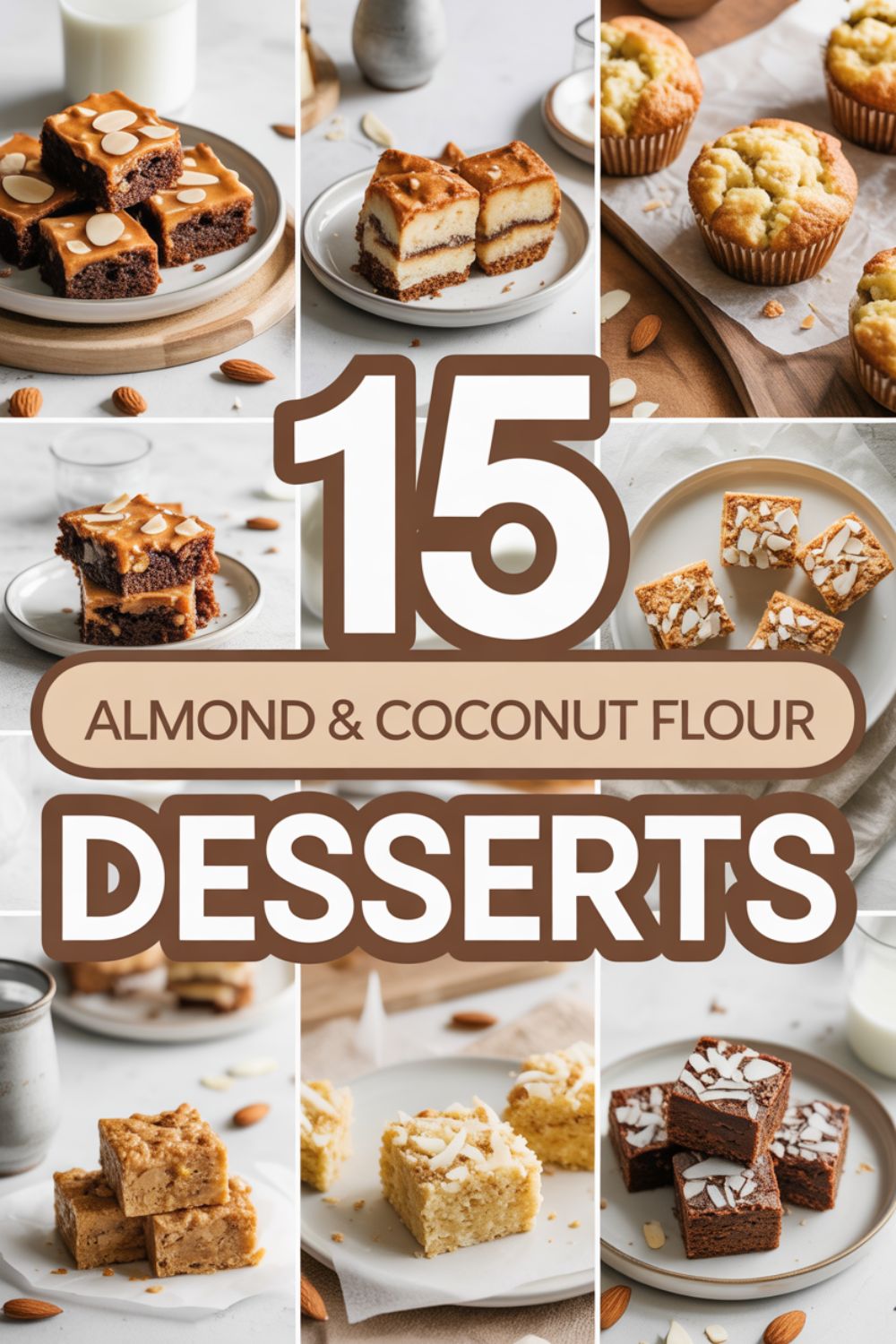
15 Desserts Using Alternative Flours (Almond, Coconut)
Look, alternative flours aren’t just for people with celiac disease or those jumping on the gluten-free bandwagon. They’re genuinely fantastic for creating desserts that taste incredible while packing some actual nutritional value. According to Healthline, almond flour contains roughly 21 grams of protein per 100 grams, while coconut flour offers about 20 grams. That’s way more than the measly 10 grams you’d get from regular all-purpose flour.
Whether you’re trying to cut carbs, avoid gluten, or just experiment with something new, these 15 desserts will show you exactly what alternative flours can do. And no, they don’t all taste like coconuts and almonds—though some do, and that’s honestly not a bad thing.
Why Alternative Flours Actually Matter
Before we dive into the recipes, let’s talk about why you’d even want to mess with alternative flours. Regular wheat flour is fine, sure, but it’s basically just refined carbs with minimal nutritional benefit. Almond flour brings healthy fats, vitamin E, and magnesium to the table. Coconut flour? That stuff is loaded with fiber—like, seriously loaded. We’re talking about 40 grams per 100-gram serving compared to wheat flour’s pathetic 3 grams.
The tradeoff? These flours behave differently. Coconut flour absorbs liquid like a sponge, so you need way less of it. Almond flour is oily and dense, which means your baked goods come out moist but can sometimes feel heavy. You can’t just swap them one-to-one with regular flour and expect magic. But once you understand their quirks, you’re golden.
I remember the first time I successfully made almond flour brownies—I used this heavy-duty silicone baking mat and the brownies slid right off without sticking. Game changer. No more parchment paper wrestling matches.
1. Classic Almond Flour Chocolate Chip Cookies
Let’s start with the crowd-pleaser. Almond flour chocolate chip cookies are stupidly easy and taste like the real deal. The almond flour gives them this slightly chewy, almost buttery texture that regular cookies can’t touch. Plus, they’re naturally grain-free and lower in carbs.
The secret? Don’t overmix the dough. Almond flour doesn’t have gluten, so there’s nothing to develop—you’re just incorporating ingredients. I use a cookie scoop with a spring release to portion these out evenly, because nobody likes cookies that bake unevenly.
These cookies are perfect for meal prep too. Make a double batch and freeze half the dough. Speaking of easy treats, you might also love these 30 quick mug cakes to satisfy your sweet tooth when you need something fast.
2. Coconut Flour Brownies
Here’s where coconut flour really shines. Brownies need to be fudgy and dense, and coconut flour naturally creates that texture. You’ll need more eggs than usual—coconut flour needs extra binding—but the result is worth it.
These brownies have a subtle coconut flavor that pairs beautifully with dark chocolate. If you’re not into coconut, add a teaspoon of vanilla extract and some espresso powder to mask it. The coffee intensifies the chocolate flavor without making it taste like coffee. Genius, right?
I always use a digital kitchen scale for measuring coconut flour because even a few grams off can throw the whole recipe. It’s that finicky.
3. Flourless Almond Torte
This is the dessert I make when I need to impress someone. It’s elegant, naturally gluten-free, and tastes like something from a fancy bakery. The base is just almond flour, eggs, sugar, and butter—that’s it.
The trick is beating the eggs until they’re super fluffy before folding in the almond flour. This creates air pockets that keep the torte from being too dense. Top it with whipped cream and berries, and suddenly you’re a baking genius. Get Full Recipe.
For more sophisticated dessert options, check out these 20 easy desserts you can freeze for later—perfect for entertaining without the stress.
The Almond Flour Advantage
Almond flour isn’t just a wheat flour substitute—it’s actually nutritionally superior in many ways. Research from Thrive Market shows that almond flour provides significant amounts of vitamin E, calcium, and iron, which support everything from skin health to bone strength. Not to mention, it’s way more filling than regular flour.
The downside? It’s calorie-dense. We’re talking about 640 calories per 100 grams compared to 360 for all-purpose flour. So yeah, portion control matters unless you’re actively trying to bulk up.
4. Coconut Flour Pancakes
Weekend pancakes just got a major upgrade. Coconut flour pancakes are fluffy, filling, and stay good in the fridge for days. The high fiber content means you’ll actually feel full after eating them, unlike regular pancakes that leave you hungry an hour later.
The key is letting the batter sit for five minutes before cooking. Coconut flour needs time to absorb the liquid, or you’ll end up with runny, weird pancakes. I cook these on a nonstick electric griddle because consistent temperature matters way more than most people realize.
5. Almond Flour Lemon Bars
If you like things tart and sweet, these are your new obsession. The almond flour crust is buttery and crumbly—miles better than graham cracker crusts—and the lemon filling is bright enough to wake you up.
I use fresh lemon juice only. None of that bottled stuff. The difference is massive. And a microplane zester makes getting the lemon zest stupidly easy without any of the bitter white pith.
These bars are also great for summer gatherings. For more crowd-pleasing treats, these 20 easy dessert bars for on-the-go treats are equally portable and delicious.
6. Coconut Flour Banana Bread
Banana bread with coconut flour is somehow even better than the original. The coconut flour creates this incredibly moist texture that regular flour can’t replicate. Plus, it’s naturally sweetened by the bananas, so you can cut way back on added sugar.
Pro tip: Use overripe bananas. Like, black-peel status. The riper they are, the sweeter and more flavorful your bread will be. I always buy extra bananas, let them go black, then freeze them for banana bread emergencies.
If you’re into simple baking projects, you’ll definitely want to see these 15 five-ingredient desserts you can whip up right now for even easier options.
7. Almond Flour Macarons
Okay, I’ll be honest—macarons are a pain in the ass. But if you want to challenge yourself, almond flour macarons are technically the traditional way to make them. The almond flour gives them that signature chewy-crispy texture.
The biggest mistake people make? Not aging their egg whites. Let them sit at room temperature for 24 hours before using them. It stabilizes the proteins and gives you better structure. Also, get a silicone macaron baking mat with the circles already printed on it. Trust me.
8. Coconut Flour Donuts
Baked donuts made with coconut flour are shockingly good. They’re cake-like, not dense, and you can flavor them a million different ways. Cinnamon sugar? Hell yes. Chocolate glaze? Obviously. Maple bacon? You do you.
You’ll need a donut pan for these, but it’s worth the investment. Baked donuts are way less messy than fried ones, and honestly, with the right recipe, you can’t even tell the difference.
For more breakfast-inspired desserts, check out these 12 easy desserts to make with kids—donut-making is surprisingly kid-friendly.
9. Almond Flour Blondies
Blondies are the underrated cousin of brownies, and almond flour makes them even better. They’re chewy, buttery, and have this caramel-y flavor that regular blondies can’t match. Add some dark chocolate chunks (the good stuff, not chips) and maybe some sea salt on top.
The trick with almond flour blondies is not overbaking them. They should look slightly underdone when you pull them out of the oven. They’ll firm up as they cool, and you’ll end up with that perfect chewy texture.
Understanding Coconut Flour’s Quirks
Coconut flour is weird, let’s just acknowledge that. It absorbs something like three times more liquid than regular flour, which is why recipes only call for tiny amounts. Dr. Berg’s research explains that coconut flour’s high fiber content—40 grams per 100-gram serving—is what makes it so absorbent.
This also means you need way more eggs in coconut flour recipes. The eggs provide moisture and binding that the flour itself doesn’t offer. It’s not optional; it’s chemistry.
10. Coconut Flour Cinnamon Rolls
Yeah, you read that right. Cinnamon rolls with coconut flour. They’re not quite as fluffy as yeast-based rolls, but they’re still damn good and way easier to make. No rising time, no waiting around.
The dough is more like a thick batter than traditional roll dough, but once you bake them and add the cream cheese frosting, nobody’s complaining. I use a offset spatula to spread the cinnamon filling evenly—makes the whole process way less frustrating.
11. Almond Flour Strawberry Shortcake
Summer desserts don’t get better than strawberry shortcake, and the almond flour version is legitimately better than the original. The biscuits are tender and slightly sweet, and they soak up the strawberry juice perfectly.
Fresh strawberries only—frozen ones get too mushy. Macerate them in sugar for at least 30 minutes to draw out the juice, then pile them high on the biscuits with whipped cream. It’s simple, it’s classic, and it works every single time. Get Full Recipe.
Looking for more seasonal treats? These 25 easy desserts you can make in under 30 minutes are perfect for last-minute gatherings.
12. Coconut Flour Chocolate Mug Cake
When you need chocolate immediately, coconut flour mug cake is the answer. Five minutes from start to finish. Mix coconut flour, cocoa powder, an egg, some milk, and a tiny bit of sweetener in a mug, microwave for 90 seconds, done.
The texture is surprisingly good—moist and cakey, not rubbery like some mug cakes. Top it with a spoonful of almond butter while it’s still hot and watch it melt into the cake. Life-changing stuff.
13. Almond Flour Cheesecake Crust
Forget graham crackers. Almond flour makes a cheesecake crust that’s buttery, nutty, and holds together way better. Mix almond flour with melted butter and a bit of sugar, press it into your pan, bake for 10 minutes. That’s it.
This crust works with any cheesecake filling you want—classic New York style, chocolate, berry, whatever. It’s also great for no-bake cheesecakes if you just chill it instead of baking.
For more creative cake ideas, check out these 25 birthday cake ideas that are easy to make—almond flour crusts work for many of them too.
14. Coconut Flour Peanut Butter Cookies
Three ingredients. That’s all you need. Coconut flour, peanut butter, and an egg. They bake up crispy on the outside, soft in the middle, with intense peanut butter flavor.
Use natural peanut butter, the kind where the oil separates on top. The extra fat helps keep the cookies from being too dry. And if you’re feeling fancy, press a few dark chocolate chips into the tops before baking.
These cookies are ridiculously simple, which is why they also made our list of 15 three-ingredient desserts you have to try.
15. Almond Flour Carrot Cake
Carrot cake with almond flour is moister than the regular version, and the almond flour adds this subtle nuttiness that works perfectly with the spices. Plus, you can feel slightly less guilty eating it because, you know, vegetables.
Don’t skip the cream cheese frosting. It’s non-negotiable. I make mine with full-fat cream cheese because life’s too short for low-fat nonsense. A stand mixer makes whipping the frosting easier, but a hand mixer works fine too.
For other desserts that feel less guilty, check out these 12 desserts you can make with pantry staples—most use simple ingredients you already have.
Baking with Alternative Flours: What Actually Works
Here’s the deal: not every recipe converts well to alternative flours. Anything that relies on gluten for structure—like croissants or bagels—is going to be a challenge. But cookies, cakes, brownies, and quick breads? Those work beautifully.
The biggest adjustment is understanding ratios. When substituting almond flour for regular flour, you usually go 1:1 by weight, not volume. Coconut flour is different—you typically need only 1/4 to 1/3 the amount of coconut flour compared to regular flour, plus extra eggs and liquid.
If you’re new to no-bake options, these 15 simple desserts that require no oven are a great place to start experimenting with alternative ingredients.
Meal Prep Essentials Used in These Recipes
Alright, so if you’re serious about making these desserts, here’s what I actually use in my kitchen. Not sponsored, just stuff that works.
- Blanched almond flour – Get the superfine stuff, not almond meal. The texture difference is huge.
- Organic coconut flour – Look for one that’s finely ground and doesn’t have chunks.
- Digital kitchen scale – Measuring by weight is the only way to get consistent results with alternative flours.
- Silicone baking mats – Nothing sticks to these. Nothing. Plus they’re reusable.
- Quality vanilla extract – The imitation stuff tastes like chemicals. Spring for the real thing.
- Mini food processor – Perfect for grinding nuts or mixing small batches of dough.
Tools & Resources That Make Baking Easier
Beyond the basics, these tools have saved my ass more times than I can count:
- Offset spatula set – For frosting cakes and spreading batters evenly.
- Oven thermometer – Most ovens run hot or cold. Know your actual temperature.
- Cooling racks – Air circulation prevents soggy bottoms. Yes, that’s a real thing.
- Parchment paper sheets – Pre-cut sheets are way more convenient than the roll.
- Glass mixing bowls – They don’t retain flavors or odors like plastic does.
- Bench scraper – For cutting dough, scraping counters, and looking like you know what you’re doing.
Common Mistakes and How to Avoid Them
I’ve made every mistake possible with alternative flours, so let me save you some time. First, don’t assume you can substitute alternative flours 1:1 in every recipe. It doesn’t work like that. Almond flour is heavier and moister than wheat flour, while coconut flour is incredibly absorbent.
Second, don’t skip the binding agents. Alternative flours don’t have gluten, so they need help sticking together. Eggs are crucial. So are things like flaxseed meal or xanthan gum in some recipes.
Third, storage matters more with alternative flours. They contain oils that can go rancid, especially almond flour. Keep them in airtight containers in the fridge or freezer. Otherwise, you’ll end up with funky-tasting desserts and wonder what went wrong.
The Science Behind Alternative Flours
Understanding why alternative flours behave differently helps you troubleshoot when things go wrong. Wheat flour contains gluten, a protein that creates structure and elasticity. When you mix wheat flour with liquid, gluten strands form and give baked goods their characteristic texture.
Alternative flours don’t have gluten. Almond flour relies on fat and protein for structure, which is why almond flour baked goods tend to be dense and moist. Coconut flour’s structure comes from fiber and eggs—lots of eggs. That’s why coconut flour recipes often call for 4-6 eggs for a single cake.
This isn’t a bad thing; it’s just different. Once you adjust your expectations and techniques, alternative flours work brilliantly. According to nutrition research, both almond and coconut flours can help reduce the risk of heart disease, aid in weight management, and improve digestion compared to refined wheat flour.
Frequently Asked Questions
Can I substitute almond flour for coconut flour in recipes?
Not directly, no. Coconut flour absorbs way more liquid than almond flour—roughly three times as much. If a recipe calls for 1 cup of almond flour, you’d only need about 1/4 cup of coconut flour, plus you’d need to add significantly more eggs and liquid. It’s easier to find a recipe specifically designed for the flour you want to use.
Why are my coconut flour desserts so dry?
Coconut flour is incredibly absorbent, so if your desserts are coming out dry, you either didn’t use enough liquid or you overbaked them. Make sure you’re measuring accurately (use a scale, not cups), and check for doneness a few minutes before the recipe says. Coconut flour baked goods continue cooking after you remove them from the oven.
Do almond flour desserts taste like almonds?
There’s a subtle almond flavor, but it’s not overwhelming. In most desserts, especially chocolate ones, you won’t really notice it. If you’re worried about the flavor, you can always add more vanilla extract or use other strong flavors like cinnamon, cocoa, or citrus zest to balance it out.
Are alternative flour desserts actually healthier?
It depends on what you mean by healthier. They’re higher in protein, fiber, and healthy fats compared to regular flour desserts, and they’re lower in carbs. But they’re also calorie-dense, so they’re not necessarily “diet” foods. They’re better for blood sugar management and provide more nutrients, but you still need to eat them in moderation.
How do I store baked goods made with alternative flours?
Most alternative flour desserts stay moist longer than regular flour ones because of their higher fat content. Store them in airtight containers at room temperature for 2-3 days, or refrigerate for up to a week. Many also freeze beautifully—just wrap individual portions in plastic wrap and freeze for up to 3 months.
Related Recipes You’ll Love
Looking for more ideas? Here are some recipes that pair perfectly with these alternative flour desserts:
More Quick and Easy Options:
- 25 easy desserts you can make in under 30 minutes
- 30 quick mug cakes to satisfy your sweet tooth
- 15 simple desserts that require no oven
Simple Ingredient Desserts:
- 15 five-ingredient desserts you can whip up right now
- 15 three-ingredient desserts you have to try
- 12 desserts you can make with pantry staples
Final Thoughts
Alternative flours aren’t just a trend or a compromise for people with dietary restrictions. They genuinely make fantastic desserts that often taste better than their traditional counterparts. Yeah, there’s a learning curve, and your first few attempts might not turn out perfectly, but that’s true of any new baking technique.
The key is understanding how these flours work and adjusting your expectations accordingly. Almond flour gives you moist, dense desserts with a buttery texture. Coconut flour creates lighter, fluffier results but requires more eggs and liquid. Neither is better or worse than the other—they’re just different tools for different jobs.
Start with the easier recipes on this list—the cookies, brownies, and mug cakes—before attempting the more complex ones. Once you get a feel for how the flours behave, you’ll be able to experiment and even convert your own favorite recipes.
And honestly? Making desserts with alternative flours is way more forgiving than traditional baking in some ways. There’s no gluten to overwork, so you can’t really over-mix the batter. You can’t create tough, chewy cookies by accident. The worst-case scenario is usually that something comes out a bit dense or dry, which is still edible and often fixable with a little cream cheese frosting or ice cream on top.
So grab some almond flour, some coconut flour, and start experimenting. Your taste buds—and probably your blood sugar levels—will thank you.