
20 Easy Dessert Bars for On-the-Go Treats
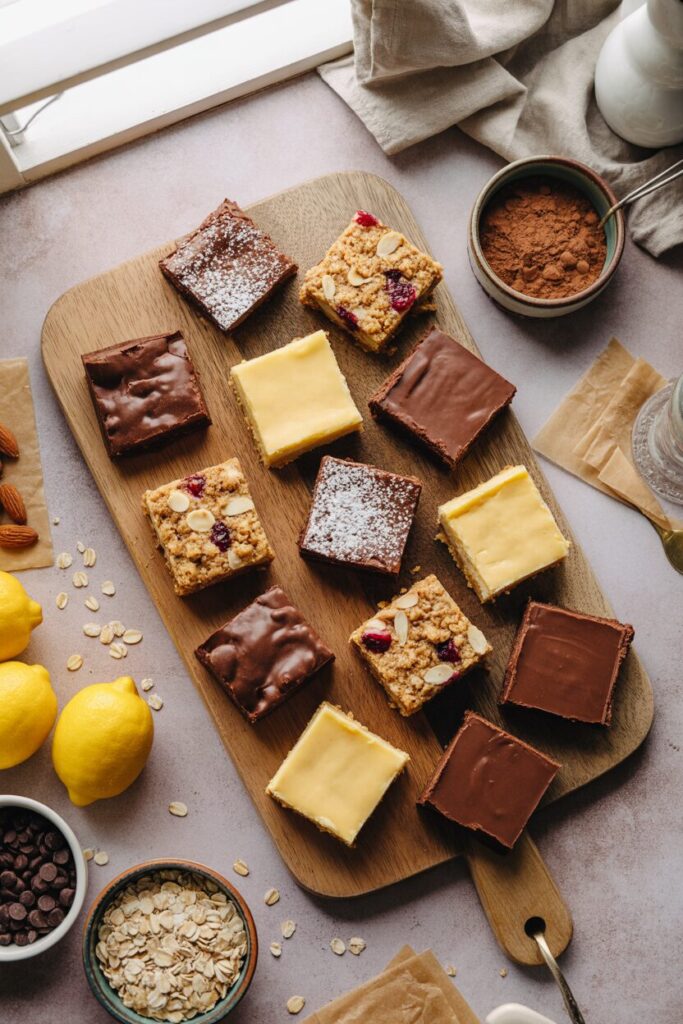
You need dessert, but you also need to actually leave your house at some point. Or pack lunches. Or bring something to a party that doesn’t require serving utensils and individual plates. Basically, you need dessert bars—those genius rectangular treats that you can cut, wrap, stack, and transport without everything turning into a crumbly disaster.
I’ve made more dessert bars than I care to admit, mostly because they’re the answer to “I want homemade dessert but I refuse to spend three hours on it.” You mix everything in one or two bowls, spread it in a pan, bake or chill, then cut into squares. No piping, no decorating, no pretending you’re a pastry chef. Just solid, dependable sweetness that travels well and feeds a crowd.
These 20 bars cover everything from classic brownies to weird combinations that shouldn’t work but absolutely do. Some require baking, others just need fridge time, and all of them are way easier than they taste.
Why Dessert Bars Work Better Than Most Things
Dessert bars are essentially the lazy person’s cake, except “lazy” here means “smart.” You skip all the finicky stuff that makes baking stressful—no creaming butter until fluffy, no folding egg whites, no worrying about whether your cake will dome or crater in the middle. You just mix, spread, bake, and cut.
The genius is in the pan. Everything cooks evenly because it’s a uniform thickness, and you get edges (crispy) plus center pieces (soft) to satisfy different texture preferences. A 9×13 pan gives you roughly 24 bars depending on how you cut them, which means you’re basically done with dessert for the week. Or the party. Or whatever situation requires portable sweetness.
Most bar recipes are incredibly forgiving. Forgot to bring your butter to room temperature? Doesn’t matter as much as it does for cakes. Overmixed the batter slightly? Bar texture can handle it. Cut them into uneven pieces? Call it “rustic” and move on. This is practical baking at its finest.
Plus, bars wrap well. You can individually wrap them in plastic wrap or parchment, throw them in lunch boxes, or stack them in containers for parties. Try doing that with cupcakes without creating frosting carnage. The portability factor alone makes them worth mastering.
The Chocolate Category
Classic Fudgy Brownies
Let’s start with the obvious champion. A good brownie should have a crackly top, fudgy center, and that slightly chewy edge situation that people fight over. The key is not overbaking—pull them when they still look slightly underdone in the center. Carryover heat finishes the job.
I use Dutch-process cocoa and melted butter rather than oil because butter adds flavor complexity. The ratio of flour to chocolate determines texture; less flour equals fudgier brownies. Get Full Recipe for my go-to version that includes espresso powder to intensify the chocolate without making it taste like coffee.
The square baking pan I swear by has straight sides that create those perfect 90-degree corner pieces. Line it with parchment paper with overhang on two sides so you can lift the whole block out for clean cutting. A sharp chef’s knife dipped in hot water and wiped between cuts gives you bakery-clean edges.
Peanut Butter Brownies
Chocolate brownie base with peanut butter swirled through. You make the brownie batter, drop spoonfuls of peanut butter on top, then swirl with a knife. The peanut butter stays in distinct ribbons, creating pockets of salty-sweet contrast against the chocolate.
Use natural peanut butter with just peanuts and salt—the kind that separates. It maintains better texture when baked and doesn’t get overly oily. Warm it slightly in the microwave so it’s spreadable but not liquid. Three or four swirls is enough; overswirling just incorporates it into the batter.
Brookies
Half brownie, half cookie dough, all layered in one pan. You press cookie dough in the bottom, pour brownie batter over it, and bake. The layers stay mostly distinct with this amazing transition zone in the middle where they meet. It’s the dessert version of having your cake and eating it too, except it’s cookies and brownies.
Make the cookie dough first and chill it while you mix the brownie batter—cold dough is easier to press into an even layer. I use chocolate chip cookie dough, but any drop cookie works. The baking time is slightly longer than regular brownies since you’re cooking two layers. Test with a toothpick in the brownie layer only; the cookie bottom won’t give you accurate doneness.
Mississippi Mud Bars
Chocolate cake base topped with marshmallows and chocolate frosting. They’re called “mud” bars because they’re dense, dark, and messy in the best way. You bake the chocolate cake layer, immediately top with mini marshmallows, return to the oven until the marshmallows puff, then pour warm frosting over everything.
The marshmallows melt slightly and create this chewy layer between the cake and frosting. Use mini marshmallows instead of regular ones—they distribute more evenly and don’t create huge pockets. The frosting should be warm enough to pour but not so hot that it completely melts the marshmallows underneath.
If you’re into chocolate layered desserts, check out these chocolate eclair bars or this chocolate lasagna dessert for more over-the-top options.
Chocolate Chip Cookie Bars
Cookie dough pressed into a pan and baked as one giant cookie. It’s faster than making individual cookies and gives you more control over thickness. The edges get crispy while the center stays soft and chewy. Cut them while they’re still slightly warm for clean lines, or wait until they cool for cleaner eating.
Brown some of the butter before adding it to the dough—browned butter adds this nutty, caramel-like depth that makes them taste way fancier than the effort involved. I use a mix of chocolate chips and chopped chocolate bars for varied texture. The bars make it easier to get chocolate in every bite compared to random chip distribution in regular cookies.
The Fruity Options
Lemon Bars
Shortbread crust topped with tangy lemon curd filling. They’re bright, rich, and somehow both heavy and refreshing at the same time. The crust should be fully baked before adding the filling, otherwise it stays soggy. The filling sets during baking into this smooth, sliceable layer that’s pure sunshine.
Use fresh lemon juice and plenty of zest—this microplane zester makes quick work of it. The zest adds essential oils that intensify the lemon flavor beyond what juice alone provides. Dust with powdered sugar after cooling for the classic look. According to research on citrus nutrients, lemons provide vitamin C and antioxidants along with their bright flavor.
The key to clean cuts is refrigerating before slicing. Warm lemon bars are too soft and just smear everywhere. I usually chill mine for at least an hour before cutting. Wipe your knife between cuts to maintain those sharp edges.
Raspberry Crumble Bars
Buttery crust and crumble topping with raspberry jam in between. They’re like a handheld crisp or crumble, except portable. The same oat mixture works for both the bottom and top, which means you only dirty one bowl for those layers.
Fresh raspberries work too, but you need to cook them down with sugar first to avoid excess liquid making everything soggy. I usually stick with good-quality raspberry preserves because it’s faster and the consistency is already right. Spread it thick—you want a substantial fruit layer, not just a thin smear.
The top crumble should be chunky, not smoothly spread. Squeeze the mixture in your hands to create clumps, then scatter them over the jam layer. Those clumps become crispy nuggets after baking while the finer parts create coverage. Bake until the top is golden and the jam is bubbling at the edges.
Blueberry Streusel Bars
Similar concept to raspberry bars but with fresh blueberries and a different spice profile. The blueberries stay mostly whole during baking and create these bursts of tartness against the sweet, buttery crumble. Add lemon zest to both the crust and the berries for brightness.
Toss the blueberries with cornstarch before spreading them over the crust—this prevents them from releasing too much liquid and turning everything into soup. The streusel topping should have cinnamon and maybe a bit of nutmeg. I add sliced almonds to mine for extra crunch and visual appeal.
Fresh blueberries work better than frozen for these because frozen ones release too much liquid. If you only have frozen, don’t thaw them first and add an extra tablespoon of cornstarch to compensate. The bars need to cool completely before cutting or they’ll fall apart.
Apple Pie Bars
All the flavors of apple pie without the stress of pie crust. You make a shortbread bottom, top it with cinnamon-spiced apples, add a crumble topping, and bake. The apples soften but maintain some texture, and the whole thing tastes like fall even in February.
Use tart apples like Granny Smith or Honeycrisp—they hold their shape better during baking and provide acidity to balance the sweetness. Slice them thin and toss with cinnamon, nutmeg, and a bit of flour to absorb excess juice. The apple slicer I use makes uniform pieces in seconds, though a sharp knife works fine.
Bake until the apples are tender and the topping is deeply golden. These are excellent warm with vanilla ice cream, though they’re also perfectly fine at room temperature. Get Full Recipe for the version with caramel drizzle on top, which is completely unnecessary but also completely worth it.
Speaking of apple desserts, you might also love these caramel apple cheesecake bars or this apple crisp recipe when you want similar flavors in different forms.
The No-Bake Winners
No-Bake Cheesecake Bars
Graham cracker crust, cream cheese filling, chill until set. No oven required, which makes them perfect for summer when turning on the oven feels like punishment. The filling is just cream cheese, sugar, vanilla, and whipped cream folded in for lightness.
The crust needs to be pressed firmly into the pan—loose crust falls apart when you cut the bars. I use the bottom of a measuring cup to press it evenly. The springform pan I use makes removing the bars easier, though a regular pan lined with parchment works fine if you lift the whole thing out.
Chill for at least 4 hours, preferably overnight. The filling needs time to firm up properly. Top with fresh berries, cherry pie filling, or chocolate ganache depending on your mood. These are rich, so cut them into smaller squares than you think you should.
Peanut Butter Cup Bars
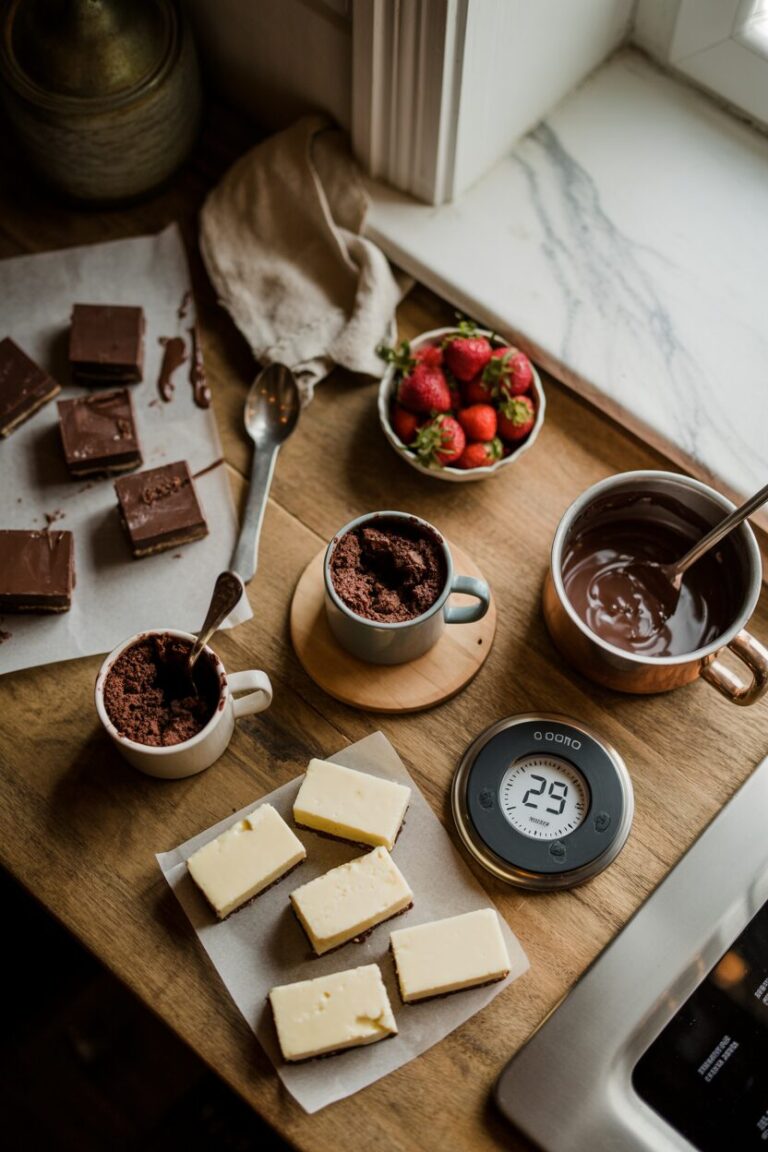
Peanut butter filling sandwiched between chocolate layers. The bottom is chocolate cookie crust, middle is peanut butter, top is melted chocolate. They taste exactly like a giant Reese’s cup and require zero baking.
The peanut butter layer is a mixture of peanut butter, powdered sugar, and butter—it should be thick and spreadable but not runny. Press the chocolate cookie crust firmly, spread the peanut butter mixture, then pour melted chocolate over the top. The hard part is waiting for the chocolate to set before cutting.
Use good-quality chocolate for the top layer. Chocolate chips contain stabilizers that prevent smooth melting; actual chocolate bars give you that glossy, snappy finish. Melt it gently in a double boiler or microwave, let it cool slightly, then pour. Refrigerate until firm before slicing.
No-Bake Oreo Bars
Crushed Oreos mixed with cream cheese, pressed into a pan, chilled. That’s it. That’s the entire recipe, and people lose their minds over them. The cream cheese acts as a binder and adds tanginess that balances the sweet cookies.
You can use the filling from the Oreos or scrape it out—both versions work. I usually leave it in because I’m not that dedicated. Process the cookies in a food processor until they’re fine crumbs, mix with softened cream cheese, press into a pan, chill. Optional: drizzle melted white chocolate over the top for presentation.
These are incredibly rich, so cut them small. They keep in the fridge for about a week, assuming they last that long. FYI, they also freeze beautifully, so you can make a double batch and have emergency dessert on hand.
Rice Krispie Treat Variations
The classic is marshmallows and cereal, but you can elevate them significantly. Add brown butter instead of regular butter for nutty flavor. Fold in chocolate chips, M&Ms, or sprinkles. Drizzle with melted chocolate or caramel. Use different cereals for texture variations.
The key is not overcooking the marshmallow mixture—take it off the heat as soon as the marshmallows melt. Overcooked marshmallows turn into cement. Press the mixture into a greased pan gently; pressing too hard makes them dense instead of light and crispy.
I make these in this large rimmed pan when I need to feed a crowd. They’re cheap, fast, and people actually get excited about them despite being made from three ingredients. Sometimes simple wins.
The Breakfast-Appropriate Bars
Granola Bars
Oats, nuts, dried fruit, honey, and nut butter pressed into a pan and chilled. They’re technically healthy enough for breakfast but sweet enough to qualify as dessert. You can customize them infinitely based on what’s in your pantry.
Toast the oats and nuts first for better flavor—this rimmed baking sheet makes it easy. The honey and nut butter mixture binds everything together when it cools. Press the mixture very firmly into the pan; loose bars fall apart when you try to cut them. I use the bottom of a heavy glass measuring cup to really pack it down.
Refrigerate for at least an hour before cutting. These keep at room temperature for a few days or in the fridge for two weeks. Wrap them individually in parchment for grab-and-go breakfast or snacks. According to nutritional research on oats, oats provide fiber and can help with satiety, making these bars more filling than regular desserts.
Blueberry Oat Bars
Similar concept to granola bars but with a layer of blueberry filling. You press half the oat mixture in the bottom, spread blueberry filling, top with remaining oats, and bake. They’re basically a portable berry crisp that works for breakfast or dessert.
The oat mixture should be thick and clumpy—if it’s too wet, add more oats; too dry, add more butter. The blueberry filling can be jam, fresh berries cooked down with sugar, or even frozen berries thawed and drained. I add a bit of lemon zest to brighten the berry flavor.
These are crumbly by nature, so don’t expect them to hold together like a brownie. Eat them over a plate or napkin. They’re messy, but that’s part of their charm. The oat bottom gets slightly chewy while the top stays crispy—perfect texture contrast.
Banana Bread Bars
All the flavor of banana bread but in bar form with a cream cheese frosting swirl. You make standard banana bread batter, spread it in a pan, dollop cream cheese frosting on top, swirl, and bake. They’re portable, they stay moist for days, and the frosting makes them feel fancy.
Use very ripe bananas—the ones that are brown and soft. That’s when the sugars have fully developed and you get maximum banana flavor. Mash them thoroughly; chunks are fine but huge pieces throw off the texture. Add cinnamon, nutmeg, and vanilla for warmth.
The cream cheese frosting is just cream cheese, butter, powdered sugar, and vanilla. Dollop it randomly across the batter, then swirl with a knife. Don’t overmix—you want distinct cream cheese ribbons, not fully incorporated frosting. These are excellent for brunch or breakfast meetings.
If you love banana-based treats, try these banana pudding bars or this chocolate chip banana bread for more variations on the theme.
Lemon Poppy Seed Bars
Bright lemon flavor with the subtle crunch of poppy seeds. They’re lighter than most dessert bars and work equally well for breakfast or afternoon tea. The base is similar to lemon bars but with poppy seeds mixed throughout for texture.
The glaze on top is just powdered sugar and lemon juice—simple but effective. Drizzle it while the bars are still warm so it soaks in slightly. The poppy seeds add visual interest and a nutty flavor that complements the tart lemon. These are particularly good in summer when you want something sweet but not heavy.
Use plenty of lemon zest in addition to juice. The zest carries essential oils that give you that bright, aromatic lemon flavor. I usually use 2-3 lemons for a full pan of bars—one for zest, two for juice. Fresh lemon makes all the difference; bottled juice tastes flat by comparison.
The Special Occasion Bars
Salted Caramel Pretzel Bars
Pretzel crust, caramel layer, chocolate top, flaky salt. They hit every flavor note—sweet, salty, crunchy, smooth. The pretzels get crushed and mixed with butter for the base, then you pour condensed milk caramel over it, top with chocolate, and finish with salt.
The food processor I use makes quick work of crushing pretzels to uniform crumbs. Press them firmly into the pan—pretzel crust can be crumbly if you don’t compact it well. The caramel layer is sweetened condensed milk cooked until thick, which is basically foolproof caramel for people who don’t want to babysit a candy thermometer.
Pour the chocolate while the caramel is still slightly warm so the layers bond. Sprinkle flaky sea salt immediately before the chocolate sets—Maldon sea salt or similar. The salt cuts the sweetness and makes all the flavors pop. These are extremely rich, so cut them into small pieces.
Turtle Bars
Chocolate, caramel, and pecans in bar form. You make a shortbread crust, top it with pecans, pour caramel over everything, then drizzle with chocolate. They’re called turtle bars because the combination mimics those chocolate turtles candy.
Toast the pecans first for deeper flavor—raw pecans taste flat by comparison. Arrange them over the baked crust, then pour warm caramel carefully to cover everything. The caramel needs to be hot enough to flow but not so hot that it burns the nuts. Let it cool until just set, then drizzle melted chocolate.
The chocolate drizzle should be thin enough to drip off a fork in ribbons. If it’s too thick, add a tiny bit of coconut oil to thin it. The contrast between crunchy pecans, chewy caramel, and smooth chocolate is basically perfect. IMO, these are the bars you make when you need to impress people.
S’mores Bars
Graham cracker crust, chocolate ganache layer, marshmallow topping. It’s s’mores without the campfire mess. The crust is graham crackers mixed with butter, the middle is chocolate ganache, and the top is marshmallow fluff or melted marshmallows torched until golden.
The ganache needs time to set before adding the marshmallow layer—if it’s too warm, the marshmallow just melts into it instead of creating a distinct layer. I usually make the crust and ganache, refrigerate until firm, then add the marshmallow. Get Full Recipe for the version where you torch the marshmallow topping for that campfire char.
If you have a kitchen torch, use it to brown the marshmallow topping. The slight char adds smokiness that really sells the s’mores experience. No torch? Broil them briefly, but watch closely—marshmallows go from golden to burned in seconds.
Seven Layer Bars
Also called magic bars—graham cracker crust topped with chocolate chips, butterscotch chips, coconut, condensed milk, and nuts. You layer everything in the pan, pour sweetened condensed milk over it, bake, and somehow it all comes together into cohesive bars.
The condensed milk is key—it binds everything and creates this chewy, almost candy-like texture. Don’t skimp on it; pour it evenly across the entire surface. Press the toppings gently into the condensed milk so they stick instead of falling off when you cut the bars.
These are incredibly sweet and rich. Cut them small—I usually do 1-inch squares. They keep well in an airtight container for about a week, though the coconut can absorb moisture over time. They’re the kitchen sink of dessert bars, and somehow that works.
Tips for Perfect Bars Every Time
Getting consistent results with dessert bars means following a few key principles. First, line your pan with parchment paper. It makes removal infinitely easier and prevents sticking. Leave overhang on two sides so you can lift the whole block out for cutting.
Second, measure accurately. Bar recipes rely on specific ratios, and eyeballing ingredients throws everything off. Use measuring cups and spoons for dry ingredients and a liquid measuring cup for wet ones. Level off dry ingredients with a knife for precision.
Third, don’t overbake. Bars continue cooking from residual heat after you remove them from the oven. They should look slightly underdone in the center when you pull them—they’ll firm up as they cool. Overbaked bars are dry and crumbly instead of moist and chewy.
Fourth, let them cool completely before cutting. I know it’s hard to wait, but warm bars fall apart. Chill bars with soft fillings (like cheesecake or no-bakes) before slicing for clean edges. Use a sharp knife and wipe it clean between cuts.
Finally, store them properly. Most bars keep at room temperature in an airtight container for 3-4 days. Bars with perishable ingredients like cream cheese need refrigeration. Individually wrapped bars stay fresher longer and are perfect for grab-and-go situations.
Related Recipes You’ll Love
Looking for more portable dessert ideas? Here are some recipes that deliver similar convenience:
More Bar Variations:
- Pumpkin cheesecake bars – seasonal twist on classic cheesecake
- Coconut macaroon bars – for coconut lovers
- Pecan pie bars – all the flavor, fraction of the effort
Cookie Options:
- Chocolate chip cookies – classic alternative to bars
- Oatmeal raisin cookies – when you want something portable but different
- Snickerdoodle bars – cinnamon-sugar goodness in bar form
Final Thoughts
Dessert bars solve the eternal problem of wanting homemade treats without the production that most desserts require. They’re practical, they’re portable, and they’re actually good—not just “good for being easy,” but legitimately delicious in their own right.
I keep parchment paper and the right size pans on hand specifically because I make bars so frequently. They’re my answer to potluck invitations, bake sales, meal prep, and random Tuesday nights when I want something sweet but don’t want to commit to an elaborate baking project.
Pick one that sounds good, gather your ingredients, and just make it. You’ll have a pan full of dessert in less time than it takes to locate matching Tupperware, and honestly, that’s a win in itself. Cut them into squares, wrap them up, and you’ve got portable sweetness sorted for the week.