20 Rich and Creamy Ice Cream Recipes
Look, I’m not here to tell you that store-bought ice cream isn’t convenient. But once you make your own at home, you’ll understand why people get a little obsessed with it. There’s something deeply satisfying about transforming simple ingredients into something ridiculously creamy and infinitely better than anything you’ll find in the freezer aisle.
Whether you’re team classic vanilla or you like experimenting with weird flavor combos, homemade ice cream gives you complete control. No mystery ingredients, no artificial anything, just pure frozen happiness you can actually pronounce. Plus, you can make it as rich and decadent as you want without breaking the bank.
Ready to ditch the carton and grab your ice cream maker? Let’s dive into 20 recipes that’ll make you wonder why you ever settled for anything less.

Why Homemade Ice Cream Beats Store-Bought Every Time
I used to think making ice cream at home was some kind of culinary flex reserved for people with too much time on their hands. Then I actually tried it, and honestly? Game changer.
Store-bought ice cream is loaded with stabilizers, emulsifiers, and a bunch of stuff that helps it survive the freezer aisle for months. Homemade ice cream? Fresh cream, real vanilla, actual fruit. The difference is night and day. When you make it yourself, you’re working with ingredients that provide essential nutrients like calcium, vitamins A and D, without all the unnecessary additives.
And let’s talk texture. Homemade ice cream has this velvety, melt-in-your-mouth quality that commercial brands just can’t match. It’s richer, creamier, and doesn’t have that weird icy crunch you sometimes get from mass-produced stuff.
Pro Tip: Chill your ice cream base overnight before churning. It takes patience, but the extra cold makes for smoother, creamier results with better texture.
Plus, you control the sugar content, the fat ratio, and whether you want to throw in chunks of brownies or swirl in salted caramel. Try asking your grocery store freezer to do that.
The Essential Equipment You Actually Need
Before we get into the recipes, let’s talk gear. You don’t need a fancy kitchen to make killer ice cream, but a few key tools make the process way easier.
First up: an ice cream maker. I use this Cuisinart model that’s been sitting on my counter for years. It’s affordable, doesn’t take up half your kitchen, and churns out consistently smooth ice cream. You can find fancier versions with built-in compressors, but IMO, the simpler machines work just fine.
You’ll also want a decent whisk and a heavy-bottom saucepan for making custard bases. Nothing fancy, just something that distributes heat evenly so you don’t scramble your eggs. And grab some airtight freezer containers because storing ice cream properly makes a huge difference in texture.
If you’re new to dessert-making and want to start with something simpler, check out these 5-ingredient desserts before jumping into ice cream. They’ll help you get comfortable with basic techniques.
One more thing: a fine-mesh strainer is your best friend when making custard-based ice cream. It catches any bits of cooked egg and gives you that silky-smooth texture everyone raves about.
1. Classic Vanilla Bean Ice Cream
Starting with vanilla might seem boring, but trust me, real vanilla bean ice cream is anything but basic. When you use actual vanilla beans instead of extract, you get those beautiful little flecks and a flavor that’s complex and aromatic.
The base is a simple custard: egg yolks, cream, milk, sugar, and the scraped seeds from vanilla beans. You heat it gently until it coats the back of a spoon, chill it overnight, then churn. Get Full Recipe.
This recipe works as a foundation for so many variations. Once you nail the vanilla, you can basically make any flavor you want.
2. Rich Chocolate Fudge Ice Cream
If vanilla is the gateway drug, chocolate is the full addiction. This isn’t your average chocolate ice cream—it’s deeply fudgy, almost brownie-like in its intensity.
The secret? Using both cocoa powder and melted dark chocolate. The cocoa gives you that deep chocolate flavor, while the melted chocolate adds richness and helps with texture. I like using 70% cacao because it’s not too bitter but still has serious chocolate credentials.
Some recipes skip the custard base for chocolate ice cream, but I think the eggs make it way creamier. Get Full Recipe.
Ice Cream Making Essentials
Here’s what’s been living in my kitchen since I started making ice cream regularly:
- Cuisinart ICE-21 Ice Cream Maker – Affordable and reliable, perfect for beginners
- Digital Instant-Read Thermometer – Takes the guesswork out of custard temps
- Silicone Ice Cream Containers – Flexible sides make scooping way easier
- Ice Cream Recipe eBook – 50+ tested flavor combinations and troubleshooting tips
- Homemade Ice Cream Masterclass – Video course covering every technique
- Dessert Makers Facebook Group – Join our community for recipe swaps and tips
3. Salted Caramel Swirl
Salted caramel ice cream is where sweet meets savory in the best possible way. The trick is making your own caramel from scratch—it sounds intimidating, but it’s basically just watching sugar melt and turn golden.
You’ll need a candy thermometer to nail the caramel consistency, but once you get it right, you’ll never buy jarred caramel again. The salt cuts through the sweetness and makes every bite interesting.
I swirl the caramel in at the end of churning so you get pockets of gooey caramel throughout. Get Full Recipe.
4. Fresh Strawberry Ice Cream
Strawberry ice cream gets a bad rap because the commercial versions taste like pink sugar. Real strawberry ice cream, made with fresh berries, is a completely different experience.
You’ll want ripe, in-season strawberries for this. Macerate them with sugar first to draw out the juices, then blend some and leave some in chunks. The result is ice cream with serious fruit flavor and little pockets of fresh strawberry that don’t freeze rock-solid.
According to nutrition research, making ice cream with real fruit adds antioxidants and vitamins while keeping the treat feeling indulgent. Get Full Recipe.
5. Mint Chocolate Chip (Without the Weird Green)
I never understood why mint ice cream had to be neon green. Fresh mint doesn’t look like that, and frankly, it’s kind of off-putting. This version uses real mint leaves steeped in warm cream, so you get actual mint flavor without food coloring.
The ice cream comes out a pale cream color with flecks of chopped dark chocolate throughout. It tastes like mint, not toothpaste, which is how it should be. Get Full Recipe.
Quick Win: Freeze your ice cream container before adding the churned ice cream. It prevents melting and helps maintain that perfect scoopable texture.
6. Coffee Ice Cream
Coffee ice cream is criminally underrated. It’s not just for breakfast anymore—though I won’t judge if you eat it in the morning.
Use strong brewed coffee or espresso in the base. I prefer espresso because it gives you more concentrated flavor without adding too much liquid. Some people add coffee extract, but fresh-brewed works better IMO.
This pairs perfectly with chocolate brownies if you want to create an affogato-style dessert. Get Full Recipe.
7. Peanut Butter Cup Ice Cream
Peanut butter ice cream with chunks of peanut butter cups mixed in. Yeah, it’s as good as it sounds. Maybe better.
The base is vanilla ice cream with creamy peanut butter whisked in. The peanut butter needs to be at room temperature so it incorporates smoothly without seizing up. Then you add chopped peanut butter cups right at the end of churning.
FYI, using natural peanut butter changes the texture significantly. Stick with regular creamy peanut butter for the smoothest results. Get Full Recipe.
8. Cookies and Cream
This one’s surprisingly easy and tastes way better than the store version. You’re basically making vanilla ice cream and folding in crushed Oreos at the end.
The trick is not adding the cookies too early. If you mix them in before churning, they’ll dissolve into mush. Add them in the last minute of churning or fold them in by hand after the ice cream comes out of the machine.
I like keeping some cookies in bigger chunks and crushing others into fine crumbs. Gives you texture variety. Get Full Recipe.
9. Butter Pecan Ice Cream
Butter pecan is what your grandparents ordered, and you know what? They were onto something. This is rich, nutty, and has a caramel-like depth that more trendy flavors can’t touch.
Toast the pecans in butter first—it makes all the difference. The butter gets brown and nutty, coating the pecans and adding this incredible flavor to the ice cream. You’ll want to use a small sauté pan for better control over the browning.
The base is vanilla with a bit of brown sugar for extra depth. Get Full Recipe.
10. Pistachio Ice Cream
Real pistachio ice cream is pale green from actual pistachios, not dye. It’s subtle, nutty, and sophisticated in a way that makes you feel like you’re eating gelato in Italy.
You need raw, unsalted pistachios for this. Blend them with the milk and cream, then strain out the solids. Some recipes skip straining, but I find the texture is way better when you filter out the little bits.
A touch of almond extract amplifies the nuttiness without being overpowering. Get Full Recipe.
Looking for more ways to use nuts in desserts? These naturally sweetened desserts feature almonds, walnuts, and other nut-based treats that complement homemade ice cream perfectly.
11. Rocky Road Ice Cream
Rocky Road is chocolate ice cream’s chaotic cousin. You’ve got chocolate ice cream, mini marshmallows, and chopped almonds all competing for attention in the best way possible.
The marshmallows stay surprisingly soft even when frozen, which is pretty cool. Make sure you use mini marshmallows though—regular ones are too big and get weird in texture.
Toast the almonds like you did with the pecans. It makes them taste better and prevents them from getting soggy. Get Full Recipe.
12. Coconut Ice Cream
Coconut ice cream is naturally dairy-free if you use full-fat coconut milk, which makes it a great option for anyone avoiding dairy. But even if you’re not, it’s incredibly creamy and has this tropical vibe that works year-round.
Use full-fat coconut milk—the light version won’t give you the richness you need. You can add shredded coconut for texture or keep it smooth. I prefer smooth with toasted coconut flakes sprinkled on top when serving.
For a twist, fold in some dark chocolate chunks. The combination is ridiculously good. Get Full Recipe.
13. Lemon Sorbet (Technically Not Ice Cream But Close Enough)
Okay, sorbet isn’t ice cream—it’s dairy-free and lighter. But it deserves a spot here because it’s refreshing, palate-cleansing, and surprisingly easy to make.
Fresh lemon juice, sugar, water. That’s it. The trick is getting the sugar ratio right so it freezes properly without turning into a rock. Too little sugar and it’s an ice block, too much and it won’t freeze.
This is perfect between courses or after a heavy meal. Get Full Recipe.
14. Maple Walnut Ice Cream
If you like breakfast for dessert, this is your flavor. Pure maple syrup gives you that deep, earthy sweetness that’s hard to replicate with anything else.
Don’t use pancake syrup—get actual pure maple syrup. Grade A Dark works best because it has more robust flavor. The walnuts get toasted and chopped, adding a nice textural contrast.
This tastes like fall in ice cream form. Get Full Recipe.
Pro Tip: Let your ice cream sit at room temperature for 5-10 minutes before scooping. Homemade ice cream freezes harder than store-bought, so a little softening makes it easier to serve.
15. Dulce de Leche Ice Cream
Dulce de leche ice cream is what happens when caramel decides to show off. It’s richer, deeper, and has this almost toffee-like complexity that regular caramel can’t touch.
You can make dulce de leche by simmering sweetened condensed milk for a few hours, or you can buy jarred dulce de leche if you’re short on time. Either way, swirl it into vanilla ice cream and thank me later.
Seriously, this is one of those flavors that makes people ask for the recipe. Get Full Recipe.
16. Birthday Cake Ice Cream
Birthday cake ice cream is vanilla ice cream with rainbow sprinkles and pieces of actual cake mixed in. It’s nostalgic, fun, and makes every day feel like a celebration.
Bake a simple vanilla or yellow cake, let it cool completely, then crumble it into chunks. Fold the cake pieces and rainbow sprinkles into vanilla ice cream at the end of churning.
Kids lose their minds over this one, but let’s be real—adults love it too. If you want more birthday-themed treats, check out these easy birthday cake ideas. Get Full Recipe.
17. Honey Lavender Ice Cream
This might sound fancy, but honey lavender ice cream is surprisingly approachable. The floral notes from lavender are subtle—you’re going for elegant, not like eating a candle.
Use culinary lavender, not the stuff you’d put in potpourri. Steep it in warm cream, then strain it out. Add honey to the base for a natural sweetness that pairs perfectly with the lavender.
Research shows that functional ice cream with natural sweeteners like honey can offer additional nutritional benefits while maintaining great taste. Get Full Recipe.
18. Brownie Batter Ice Cream
Why bake brownies when you can just eat the batter in ice cream form? This is chocolate ice cream with ribbons of actual brownie batter running through it.
Make a small batch of brownie batter but don’t bake it. Mix it into chocolate ice cream as it comes out of the machine. The batter stays fudgy and doesn’t freeze solid, giving you pockets of pure chocolate heaven.
Just remember to use pasteurized eggs if you’re worried about the raw batter. Get Full Recipe.
19. Mango Ice Cream
Mango ice cream is tropical, refreshing, and tastes like summer vacation. Use ripe mangoes—the really soft, fragrant ones that are almost too ripe to eat fresh.
Blend the mango into a puree and mix it with a lighter custard base. Too much cream overpowers the mango flavor, so this one uses more milk than cream. A squeeze of lime juice brightens everything up.
You can add chunks of fresh mango at the end if you want texture, or keep it smooth. Get Full Recipe.
20. S’mores Ice Cream
S’mores ice cream brings the campfire indoors. You’ve got chocolate ice cream, graham cracker pieces, and toasted marshmallow swirl all competing for your attention.
The marshmallow swirl is key—you actually toast marshmallows until they’re golden, then blend them into a spreadable consistency. It gives you that charred, campfire flavor without needing an actual fire.
Crush graham crackers and fold them in at the end. They’ll soften slightly but still maintain enough crunch to be interesting. This pairs beautifully with these quick chocolate desserts if you’re planning a dessert spread. Get Full Recipe.
Tools & Resources That Make Churning Easier
These have made my ice cream journey way less stressful:
- Stainless Steel Mixing Bowls – Chill faster and won’t absorb odors
- Quality Vanilla Extract – Worth the splurge, trust me
- Ice Cream Scoop with Antifreeze Handle – Glides through frozen ice cream like butter
- Sugar-Free Ice Cream Guide – Digital download with alternative sweetener ratios
- Troubleshooting Cheat Sheet – PDF with fixes for common ice cream problems
- WhatsApp Ice Cream Makers Community – Daily tips, flavor ideas, and support
Tips for Perfect Ice Cream Every Time
Making ice cream isn’t rocket science, but a few tricks will take you from good to great. First, always chill your base completely before churning. I’m talking overnight in the fridge, not an hour.
Cold bases churn faster and freeze more evenly, which means smaller ice crystals and smoother texture. If you’re impatient and throw warm custard into the machine, you’ll end up with grainy, icy results.
Second, don’t overfill your ice cream maker. Most machines work best when they’re only about two-thirds full. The mixture needs room to expand as it freezes and incorporates air.
Understanding Ice Cream Base Types
There are two main types of ice cream bases: custard (French-style) and Philadelphia-style. Custard bases use egg yolks, which make the ice cream richer and more stable. Philadelphia-style skips the eggs, resulting in a lighter, more straightforward flavor.
I prefer custard bases for most flavors because the eggs give you that silky texture and help prevent ice crystals. But Philadelphia-style works great for fruit-forward flavors where you want the main ingredient to shine.
Ever wondered which type works best for different dietary needs? Some of these vegan desserts use similar techniques adapted for plant-based ingredients.
Fixing Common Ice Cream Problems
Icy texture? Your base probably wasn’t cold enough, or you added too much liquid. Ice cream needs the right balance of fat, sugar, and liquid to freeze smoothly. According to Healthline, the dairy fat content plays a crucial role in creating that creamy mouthfeel we all love.
Ice cream too hard after freezing? That’s normal for homemade ice cream since it doesn’t have commercial stabilizers. Let it sit at room temp for 5-10 minutes before scooping, or add a tablespoon of vodka to your base—it lowers the freezing point slightly without affecting flavor.
Eggs scrambled in your custard? You heated it too fast. Always use medium-low heat and stir constantly. If disaster strikes, strain the custard through a fine-mesh sieve to catch the lumps.
If you’re interested in making treats that don’t require special equipment, these no-oven desserts and no-bake recipes are perfect alternatives when you want something sweet without the churn time.
Storing and Serving Homemade Ice Cream
Homemade ice cream tastes best within the first few days, but it’ll keep for about two weeks in the freezer if stored properly. Use airtight containers and press plastic wrap directly onto the surface before sealing to prevent freezer burn.
When you’re ready to serve, let it soften for about 10 minutes. I know it’s tempting to dig in immediately, but a little patience makes scooping way easier and improves the texture.
For parties, pre-scoop the ice cream into individual portions and refreeze them on a parchment-lined baking sheet. Makes serving a crowd way less chaotic.
Making Ice Cream Without a Machine
Don’t have an ice cream maker? You can still make ice cream, though it requires more hands-on work. Pour your chilled base into a shallow metal pan and freeze it.
Every 30 minutes, take it out and stir vigorously with a fork to break up ice crystals. Repeat this process for about 3-4 hours until it reaches a scoopable consistency. It’s labor-intensive, but it works.
Alternatively, use freezer bags and the bag method—seal your base in a small bag, place it in a larger bag filled with ice and salt, then shake vigorously for about 10 minutes. It’s like making ice cream at a kids’ science fair, but the results are surprisingly decent.
Frequently Asked Questions
Do I really need an ice cream maker to make homemade ice cream?
Technically, no—you can use the bag-and-shake method or the fork-stirring method. But an ice cream maker makes the process way easier and gives you better texture. If you’re serious about making ice cream regularly, it’s worth the investment.
How long does homemade ice cream last in the freezer?
Homemade ice cream tastes best within 3-5 days but will keep for about two weeks if stored properly in an airtight container. After that, ice crystals start forming and the texture degrades. It’s still safe to eat, just not as creamy.
Can I use milk instead of cream to make ice cream healthier?
You can, but it won’t be as rich and creamy. Ice cream needs fat to get that smooth texture—less fat means icier results. If you want a lighter option, try using half-and-half instead of heavy cream, or look into making sorbet or frozen yogurt instead.
Why is my homemade ice cream so hard when frozen?
Homemade ice cream freezes harder than store-bought because it lacks commercial stabilizers. Let it sit at room temperature for 5-10 minutes before scooping. You can also add a tablespoon of vodka or corn syrup to your base to help keep it softer.
What’s the difference between gelato and ice cream?
Gelato has less air churned into it and uses more milk than cream, making it denser and silkier. It’s also served at a slightly warmer temperature. Ice cream has more cream, more air, and a fluffier texture. Both are delicious, just different styles.
Time to Start Churning
Making ice cream at home isn’t just about saving money or avoiding additives—though those are solid reasons. It’s about creating something from scratch that tastes exponentially better than anything you can buy.
Whether you start with classic vanilla or jump straight into salted caramel territory, the process is surprisingly forgiving. Sure, you might scramble some eggs your first time or end up with icy texture once or twice, but that’s part of learning.
The real magic happens when you taste that first spoonful of something you made yourself. It’s richer, creamier, and somehow tastes better because you know exactly what went into it. Plus, you can customize every single element to match your preferences.
So grab your ice cream maker, pick a recipe, and get started. Your freezer (and your taste buds) will thank you.
Similar Posts
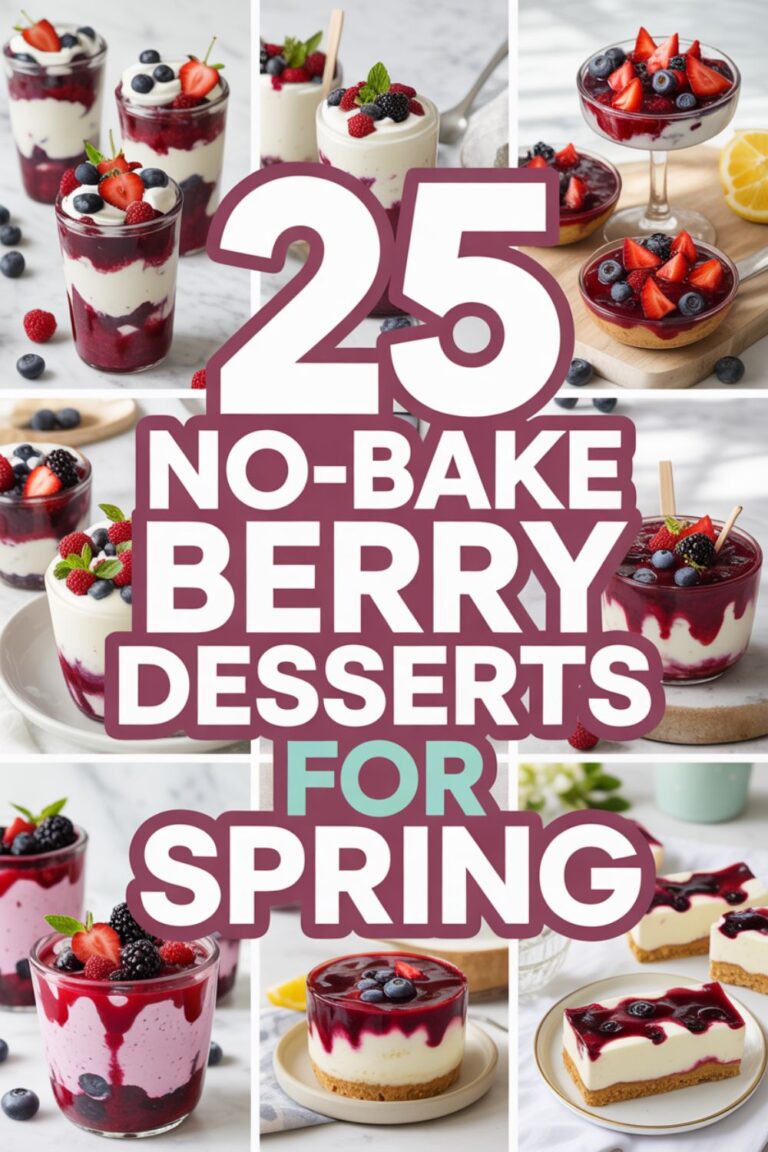
25 No-Bake Berry Desserts for Spring
25 No-Bake Berry Desserts for Spring | Easy & Delicious Recipes 25 No-Bake Berry Desserts for Spring Spring’s here, berries are screaming your name from every farmers market stall, and your oven? Yeah, it can stay off. Let’s be real—nobody wants to heat up their kitchen when the weather’s finally warming up. Plus, no-bake desserts…
21 Dairy-Free Easter Desserts That Actually Taste Amazing
21 Dairy-Free Easter Desserts That Actually Taste Amazing Easter Desserts • Dairy-Free • Updated February 2026 21 Dairy-Free Easter Desserts That Actually Taste Amazing Because “dairy-free” should mean delicious, not depressing — and your Easter table deserves better than a sad fruit salad. Let’s be real for a second. For the longest time, “dairy-free Easter…
21 High-Volume Low-Calorie Desserts That Actually Fill You Up
21 High-Volume Low-Calorie Desserts That Actually Fill You Up Volume Eating • Healthy Desserts • Low Calorie 21 High-Volume Low-Calorie Desserts That Actually Fill You Up Big bowls, serious sweetness, and not a single ounce of guilt. This is volume eating dessert done right. By EatJoyCo Kitchen 2,600+ words Updated 2025 You know that feeling…
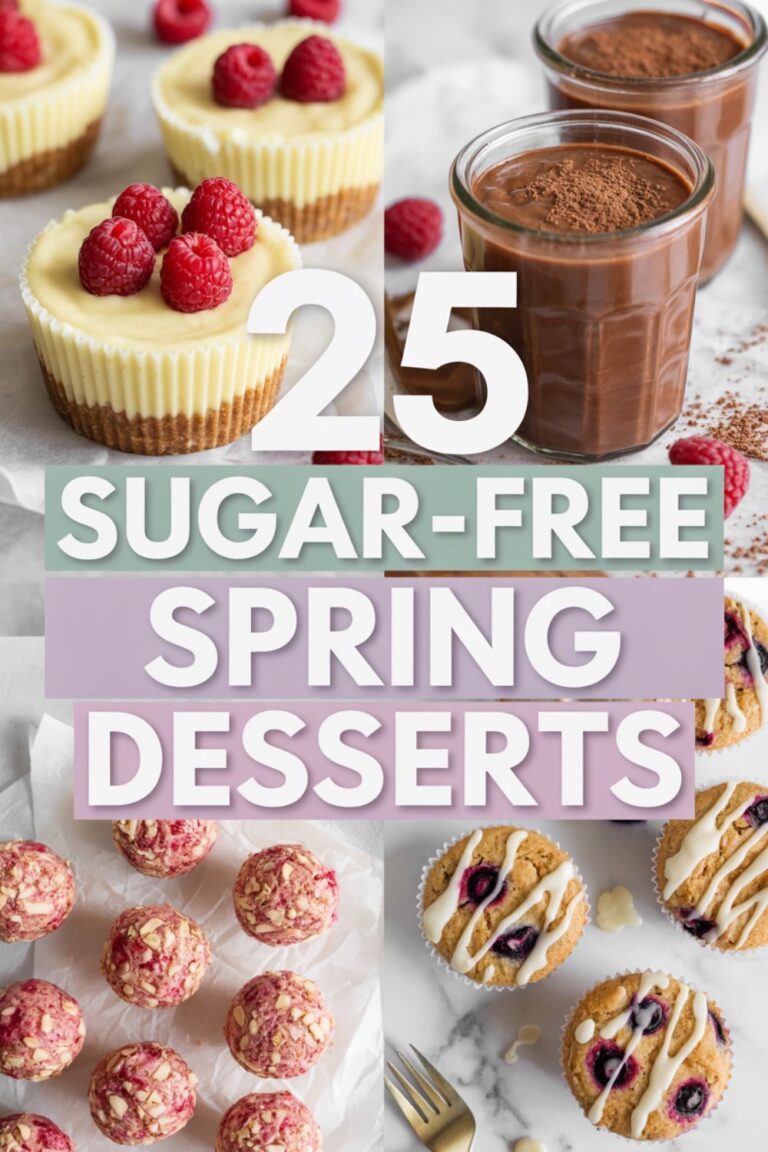
25 Sugar-Free Desserts for Spring
25 Sugar-Free Desserts for Spring | EatJoyCo EatJoyCo Spring Desserts 25 Sugar-Free Desserts for Spring Light, fresh, naturally sweetened — and genuinely worth eating. No sad diet food allowed here. 25 Recipes No Refined Sugar Spring-Ready Many No-Bake Spring shows up and suddenly your entire relationship with dessert shifts. Heavy chocolate pudding and dense winter…
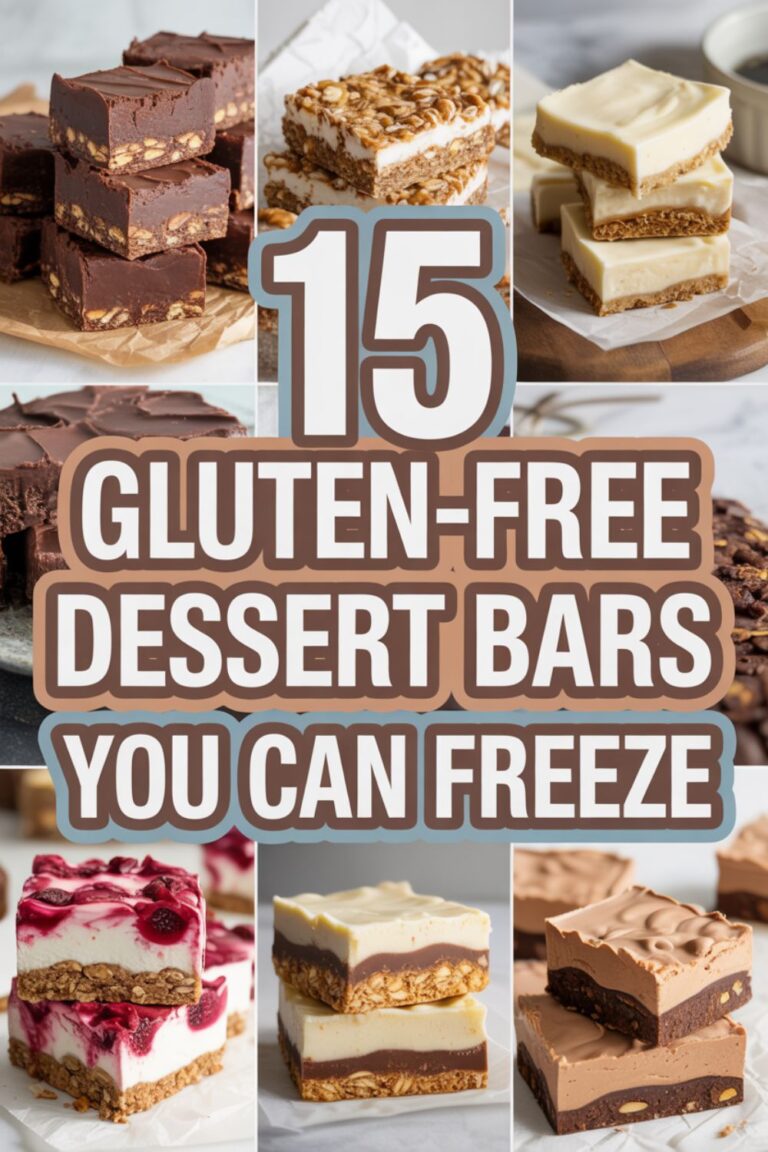
15 Gluten-Free Dessert Bars You Can Freeze
15 Gluten-Free Dessert Bars You Can Freeze – Make-Ahead Desserts That Last 15 Gluten-Free Dessert Bars You Can Freeze Look, I’m going to level with you right from the start. Gluten-free baking used to be a complete nightmare. I’m talking about crumbly disasters that tasted like cardboard and had the texture of sawdust. But here’s…
23 Gluten-Free Brunch Treats That Will Impress Everyone at the Table
23 Gluten-Free Brunch Treats That Will Impress Everyone at the Table EatJoyCo Gluten-Free Brunch 23 Gluten-Free Brunch Treats That Will Impress Everyone at the Table By the EatJoyCo Kitchen • Updated 2025 • 12 min read Let me be real with you for a second. Brunch is sacred. It sits right in that sweet spot…