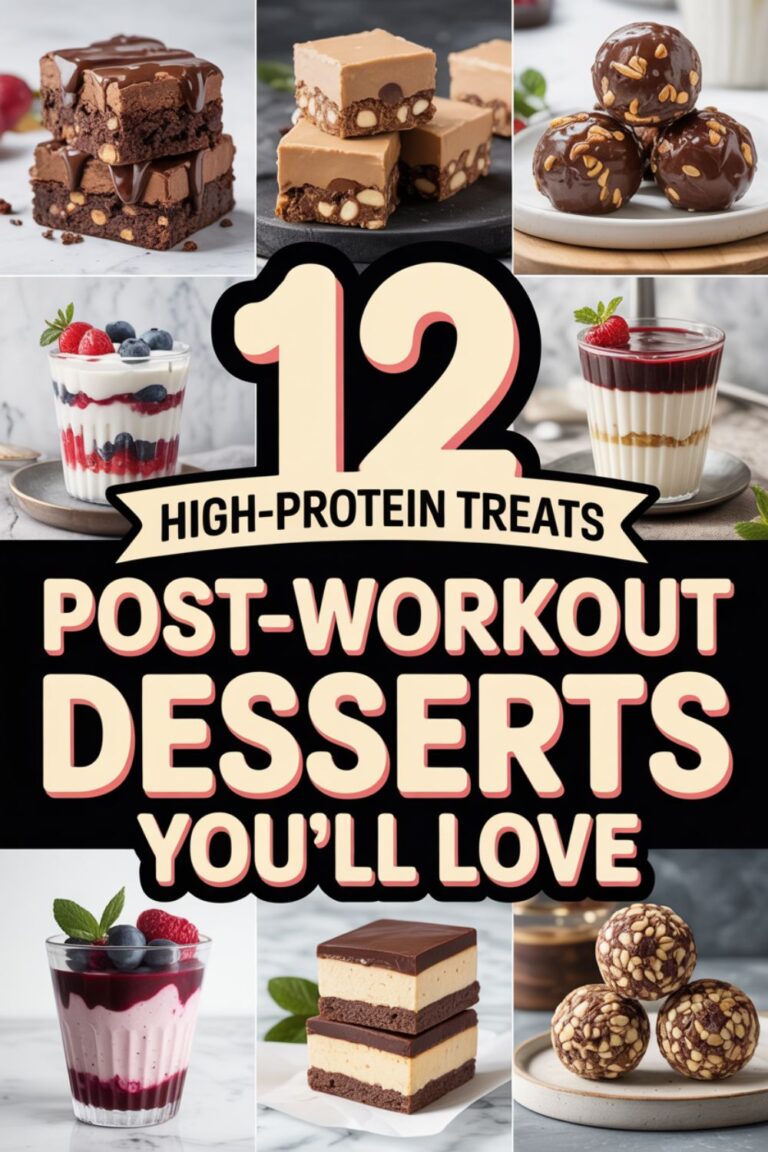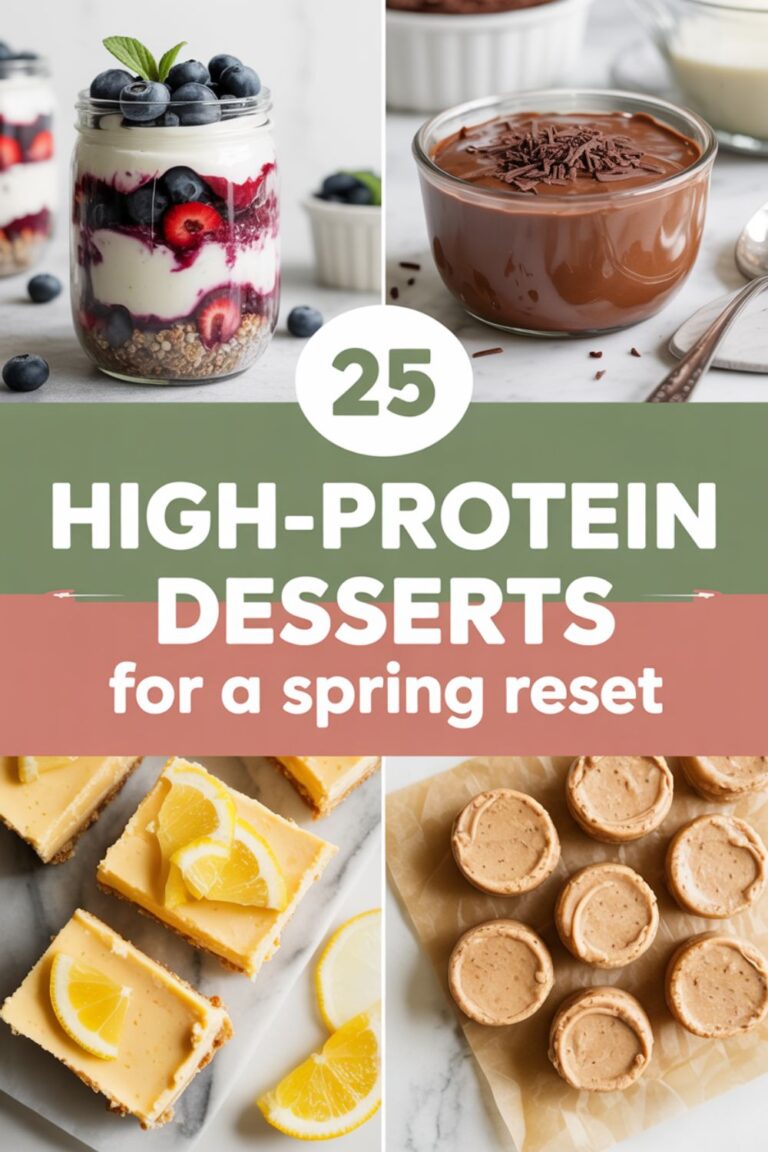
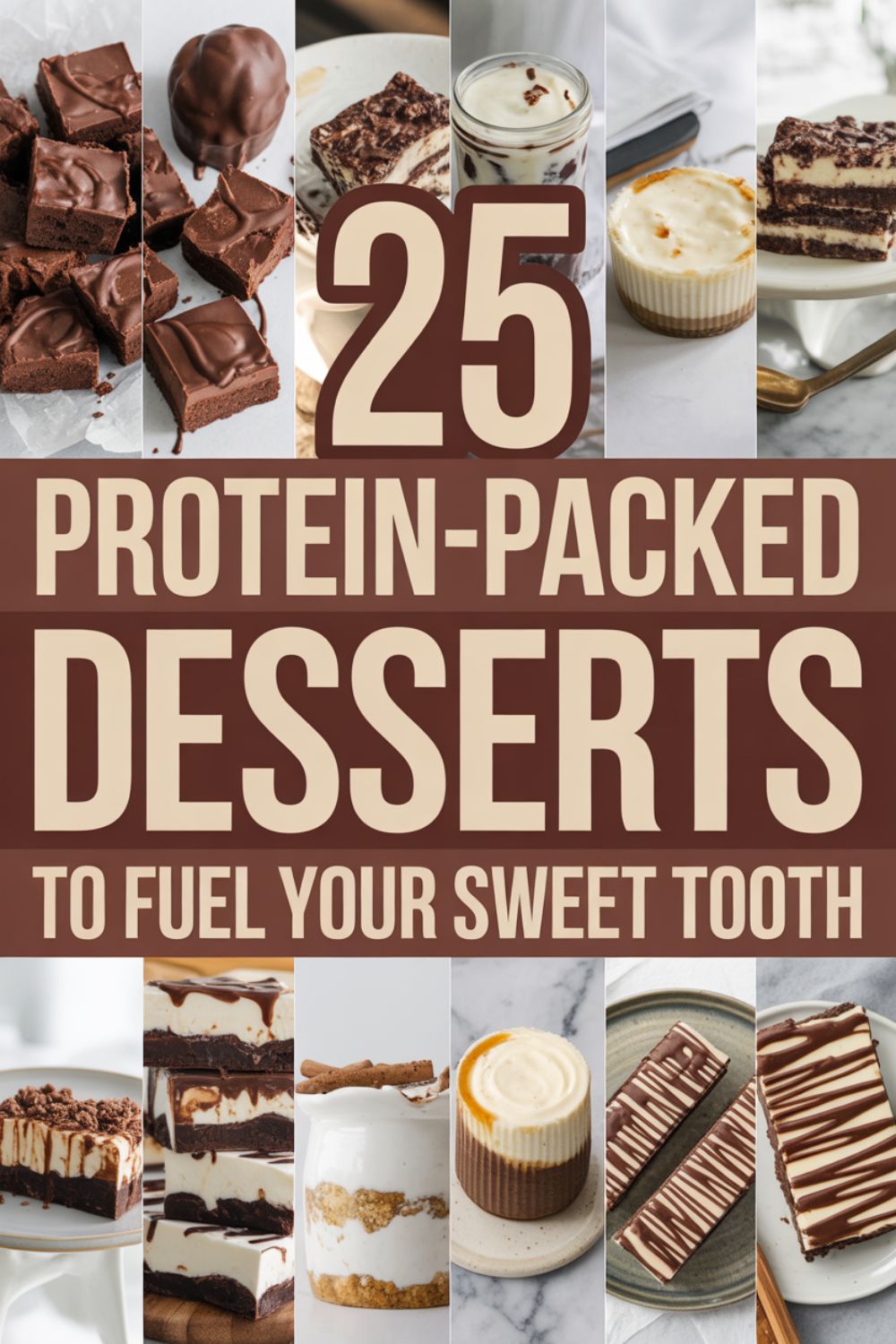
25 Protein-Packed Desserts to Fuel Your Sweet Tooth
Look, I’m not about to pretend that eating dessert is suddenly a health mandate just because we’re tossing some protein powder into brownie batter. But here’s the thing—if you’re already planning to satisfy that 9 PM chocolate craving anyway, why not make it work a little harder for you?
Protein-packed desserts aren’t about guilt-free indulgence or turning cookies into kale. They’re about keeping your blood sugar from doing the cha-cha, staying fuller longer, and maybe—just maybe—helping your muscles recover after that workout you definitely did this morning. Okay, maybe yesterday.
I’ve been experimenting with high-protein treats for years now, mostly because I have zero self-control around sweets but also need to hit my protein goals. The good news? You don’t have to choose between satisfying your sweet tooth and fueling your body properly. Research shows that incorporating protein into desserts can help with satiety and blood sugar control, which means you’re less likely to demolish an entire pint of ice cream in one sitting. Not that I’ve ever done that.
Why Protein in Desserts Actually Makes Sense
Before we jump into recipes, let’s talk about why this isn’t just another food trend. Protein does some pretty important stuff in your body. According to published research, dietary protein helps repair damaged cells and tissue, synthesizes hormones, and supports various metabolic activities. When you work out, you create tiny tears in muscle fibers, and protein provides the amino acids needed to repair and rebuild those muscles.
But even if you’re not training for a marathon, protein helps keep you satisfied between meals. Ever notice how you can eat a sugar-loaded dessert and feel hungry thirty minutes later? That’s because refined sugar spikes your blood sugar, then crashes it hard. Adding protein to your sweets slows down that process, giving you steadier energy and keeping those late-night snack attacks at bay.
The beauty of protein desserts is that you’re not sacrificing taste for nutrition. You’re just being a little smarter about ingredient choices. Swap regular flour for almond flour, use Greek yogurt instead of sour cream, throw in some chocolate protein powder you love—boom, instant upgrade.
Pro Tip: Start your protein dessert experiments with recipes that naturally contain protein-rich ingredients like Greek yogurt, cottage cheese, or nut butters. They’re way more forgiving than trying to convert Grandma’s sugar cookie recipe on your first attempt.
Greek Yogurt: Your Secret Weapon
If I had to pick one ingredient that changed my dessert game, it’s Greek yogurt. This stuff is magic. It’s creamy, tangy, protein-packed, and incredibly versatile. One cup of nonfat Greek yogurt delivers about 25 grams of protein—that’s nearly half of what most people need in a day.
I use Greek yogurt in everything from frozen bark to cheesecakes. The tanginess balances out sweet flavors perfectly, and the thick texture makes it ideal for mousses and puddings. Ever tried making frozen yogurt bark? Just spread Greek yogurt on a silicone baking mat, top with berries and dark chocolate chips, freeze for a few hours, and break it into pieces. It’s stupid easy and genuinely delicious.
You can also blend Greek yogurt with frozen bananas and cocoa powder for instant “ice cream” that doesn’t taste like sadness. I throw in a tablespoon of almond butter for extra creaminess and protein. The key is using a high-speed blender—trust me, your old college blender isn’t going to cut it here.
For anyone looking to boost their breakfast protein game too, you might want to explore some quick dessert ideas that double as morning treats. The line between breakfast and dessert gets pretty blurry when everything tastes like cake anyway.
Pro Moves with Greek Yogurt
Here’s what I’ve learned after countless yogurt-based experiments: Full-fat Greek yogurt works better for baking because it won’t dry out your treats. Nonfat is great for frozen desserts and no-bake options where you want maximum protein without added calories. And please, for the love of all things good, buy plain yogurt and sweeten it yourself. Those pre-flavored versions are basically sugar bombs masquerading as health food.
One of my favorite tricks is using Greek yogurt as a cream cheese substitute in cheesecakes. The texture is nearly identical, but you’re getting way more protein and less fat. Mix it with a bit of vanilla protein powder, some honey, and lemon zest, then pour it over a graham cracker crust you made with crushed crackers and melted coconut oil. Refrigerate overnight and you’ve got a high-protein cheesecake that actually tastes like the real thing.
Cottage Cheese: The Controversial Champion
Okay, I get it—cottage cheese has a weird texture and it’s not everyone’s first choice for dessert. But hear me out. When you blend cottage cheese until smooth, it transforms into this incredibly creamy base that’s perfect for desserts. We’re talking about 12 grams of protein per half-cup, plus it’s got that mild flavor that plays well with both sweet and savory additions.
The cottage cheese cookie trend took over the internet for good reason. These cookies are made with just cottage cheese, eggs, and whatever mix-ins you want—chocolate chips, dried fruit, nuts. Get Full Recipe if you want to try them. They’re weirdly good, especially if you like your cookies on the cakey side rather than crispy.
I also use cottage cheese in chocolate pudding. Blend it with cocoa powder, a bit of honey, vanilla extract, and maybe some powdered peanut butter, and you’ve got a rich, creamy pudding with serious protein. Top it with chopped peanuts or cacao nibs for crunch. The texture is similar to chocolate mousse, but with way more nutritional value and none of the heavy cream.
Quick Win: Not a fan of cottage cheese texture? Buy the small-curd variety and blend it in a high-speed blender for 60 seconds. It becomes completely smooth and you’ll never know it started as cottage cheese. Game changer.
Looking for more no-fuss treats? Check out these no-oven desserts that won’t heat up your kitchen or require any special equipment.
Protein Powder: Choose Wisely
Let’s address the elephant in the room: protein powder can taste absolutely terrible if you pick the wrong kind. I’ve wasted good money on chalky, artificially-sweet protein powders that ruined perfectly good recipes. After way too much trial and error, here’s what actually works.
For baking, stick with whey or casein protein. They handle heat well and don’t turn your brownies into hockey pucks. Whey protein isolate is your best bet for smooth textures—it mixes easily and doesn’t get grainy. If you’re plant-based, look for pea protein blends that include other protein sources. Pure pea protein can be gritty and has a strong flavor that’s hard to mask.
Chocolate and vanilla are your safest flavor choices. Don’t get creative with birthday cake or cookies and cream protein powder unless you want your desserts tasting like artificial chemicals. I learned this the hard way when I tried to make protein balls with pumpkin spice protein powder. They tasted like scented candles. Not my finest moment.
Baking with Protein Powder 101
Here’s the thing about protein powder—it’s not flour, and you can’t treat it like flour. Protein powder absorbs liquid like crazy, so if you’re substituting it into traditional recipes, you’ll need to add extra moisture. I usually increase eggs or add applesauce to keep things from turning into dry, crumbly messes.
A good rule of thumb: replace no more than one-third of the flour in a recipe with protein powder. So if a recipe calls for one cup of flour, use two-thirds cup flour and one-third cup protein powder. This keeps the structure intact while boosting the protein content.
If you’re making protein muffins or pancakes, adding mashed banana or pumpkin puree helps with moisture and sweetness. Plus, you get extra fiber and nutrients. Win-win. For anyone who likes their treats fast, these mug cake recipes can easily be upgraded with a scoop of protein powder.
Nut Butters: Creamy Protein Gold
Peanut butter, almond butter, cashew butter—these aren’t just tasty, they’re legitimate protein sources. Two tablespoons of peanut butter gives you about 8 grams of protein, plus healthy fats that make your desserts more satisfying.
I make no-bake protein balls at least once a week. Mix peanut butter with oats, honey, vanilla protein powder, and mini chocolate chips. Roll into balls, refrigerate, and you’ve got grab-and-go desserts that actually keep you full. They’re perfect for when you need something sweet but don’t want the sugar crash thirty minutes later.
Nut butters also work great in brownies and cookies. They add moisture, richness, and a subtle nutty flavor that complements chocolate beautifully. I’ve made almond butter brownies that are so fudgy and delicious, you’d never guess they’re packed with protein. The secret is using a mix of almond butter, eggs, and cocoa powder, then barely baking them—you want them just set in the middle.
One of my favorite quick fixes is frozen banana “nice cream” blended with peanut butter. Slice bananas, freeze them for at least two hours, then blend with peanut butter until smooth. It’s like soft-serve ice cream but with actual nutritional value. Top with cacao nibs and a drizzle of honey if you’re feeling fancy.
Want more inspiration for treats you can make with your kids? These easy desserts are fun, simple, and sneak in some extra protein without the little ones noticing.
Pro Tip: Buy natural nut butter where oil separation is normal—it means there aren’t added sugars or hydrogenated oils. Just stir it well and store upside down in the fridge. The oil will stay mixed better this way.
Eggs: The Original Protein Powerhouse
Before protein powder existed, people were using eggs to boost protein in baked goods. One large egg has about 6 grams of protein, and they’re essential for structure in most baked desserts. But eggs can also be the star of the show in certain protein-rich treats.
Ever heard of a clafouti? It’s this French dessert that’s basically a giant baked pancake with fruit. You make a custard-like batter with eggs, milk, flour, and sugar, pour it over fresh fruit, and bake. It’s elegant, protein-packed, and way easier than it sounds. The eggs give it this custardy texture that’s somewhere between pudding and cake.
I also make chocolate mousse with eggs sometimes, though I know that freaks some people out. If you’re nervous about raw eggs, use pasteurized eggs or try the cooked egg version—you make a chocolate custard, let it cool, then whip it until fluffy. It’s rich, decadent, and has about 15 grams of protein per serving.
Egg White Desserts That Don’t Suck
Egg whites are almost pure protein—one large egg white has about 4 grams and virtually no fat or carbs. Meringues are the obvious choice here. Whip egg whites with sugar until stiff peaks form, pipe them onto a parchment-lined baking sheet, and bake at low temperature until crispy. They’re light, sweet, and satisfying without being heavy.
You can also make protein fluff, which is basically whipped egg whites mixed with protein powder and a tiny bit of xanthan gum. It sounds weird, but it creates this massive bowl of fluffy, sweet stuff that’s surprisingly good. Add cocoa powder for chocolate fluff or mash in some berries for fruit flavor. It’s like eating a cloud that somehow has 20+ grams of protein.
For celebration-worthy treats that impress, check out these birthday cake ideas that you can modify with extra eggs or protein powder for a nutritional boost.
Beans and Legumes: The Secret Ingredient
Stay with me here—beans in dessert sounds insane, but it works. Black beans in brownies are a thing, and they’re legitimately delicious. You puree black beans until smooth, mix them with cocoa powder, eggs, and a bit of sweetener, and bake. The result is fudgy, rich brownies with added protein and fiber. You cannot taste the beans. I promise.
Chickpeas also work surprisingly well in desserts. Chickpea cookie dough is one of my favorite snacks—blend chickpeas with peanut butter, vanilla, a bit of maple syrup, and chocolate chips. It tastes like actual cookie dough but with way more protein and fiber. Studies show that combining plant proteins from different sources creates a complete amino acid profile, which is exactly what happens when you pair chickpeas with nut butter.
The fiber in beans also helps with the blood sugar thing I mentioned earlier. It slows down digestion, which means you get sustained energy instead of a quick spike and crash. Plus, beans are cheap. Like, really cheap compared to protein powder or specialty ingredients.
Making Beans Work in Desserts
The key to bean-based desserts is blending them until absolutely smooth. If you leave any chunks, the texture will be off. Use canned beans (drained and rinsed) for convenience—they’re already soft and blend easily. I keep a food processor specifically for these kinds of experiments because it gets everything super smooth.
Black beans work best in chocolate desserts because the dark color blends in. Chickpeas are better for vanilla or light-colored treats. White beans work in both, but they have a slightly different texture that’s more noticeable.
When you’re feeling ambitious, try making red bean paste desserts. They’re huge in Asian cuisine—think mochi filled with sweetened red bean paste or red bean ice cream. The beans are cooked with sugar until they’re sweet and creamy, and they’re traditionally served in all kinds of desserts. It’s a totally different flavor profile from Western sweets, but it’s worth trying at least once.
Dairy-Free Protein Options
Not everyone does dairy, and that’s cool. There are plenty of ways to pack protein into desserts without milk, yogurt, or cheese. Silken tofu is my go-to for dairy-free protein desserts. It blends smooth, has a neutral flavor, and works great in mousses, puddings, and even cheesecakes.
Blend silken tofu with melted dark chocolate and a bit of maple syrup for chocolate mousse that’s ridiculously rich and creamy. One serving has about 10 grams of protein, and you’d never know there was tofu in it. The texture is identical to traditional chocolate mousse made with cream.
Coconut yogurt has some protein, though not as much as Greek yogurt. If you’re going plant-based, look for soy-based yogurt alternatives—they typically have more protein than coconut or almond-based versions. You can use them in most recipes that call for Greek yogurt, though the tang might be a bit different.
Plant-Based Protein Powder Tricks
Plant-based protein powders can be tricky. They often have stronger flavors and grittier textures than whey protein. To combat this, I use a combination of protein powder and other protein-rich plant foods. For example, blend hemp hearts with plant protein powder in smoothie-based desserts. Hemp hearts add healthy fats and help mask any off flavors from the protein powder.
Chia seeds are also great—they’re about 17% protein by weight and they gel up when soaked in liquid, making them perfect for puddings. Mix chia seeds with coconut milk, vanilla, and a bit of sweetener, then let it sit overnight. Top with fruit and you’ve got a protein-rich breakfast or dessert that’s completely plant-based.
For those who like simple ingredient lists, explore these 5-ingredient desserts that are easy to adapt with plant-based proteins.
Essential Kitchen Tools for Protein Desserts
- High-Speed Blender – Absolutely crucial for smooth cottage cheese and tofu desserts
- Silicone Baking Mats – For perfect frozen yogurt bark and easy cleanup
- Food Processor – Essential for blending beans and making protein balls
- Digital Recipe Book: High-Protein Desserts – Curated collection of tested recipes with nutritional info
- Meal Prep Templates – Weekly dessert prep guides to batch-make protein treats
- Macro Tracking Spreadsheet – Custom tool for calculating protein content in your recipes
My Top 25 Protein-Packed Desserts
Alright, let’s get into the actual desserts. I’ve organized these by category so you can find exactly what you’re craving. Each one has at least 10 grams of protein per serving, and they all taste like actual desserts, not health food.
Frozen Treats
1. Greek Yogurt Bark – This is probably the easiest dessert on this list. Spread thick Greek yogurt on a lined baking sheet, swirl in some almond butter, top with berries and dark chocolate, freeze, then break into pieces. Each serving has about 12 grams of protein and takes five minutes to prep.
2. Protein Ice Cream – Blend frozen bananas with chocolate protein powder, a splash of milk, and peanut butter. It comes out with the texture of soft-serve. I make a huge batch on Sundays and portion it into individual containers for the week. Get Full Recipe for the perfect ratio of ingredients.
3. Cottage Cheese Ice Cream – Blend cottage cheese with frozen fruit, vanilla extract, and honey until smooth, then freeze. The cottage cheese creates this incredibly creamy texture without any cream or added fat. It’s magic.
4. Cherry Frozen Yogurt Pops – Mix Greek yogurt with pureed cherries and a bit of honey, pour into popsicle molds, freeze overnight. Each pop has about 8 grams of protein and they’re perfect for summer.
Speaking of frozen treats, you might want to prep some make-ahead desserts that you can stash in the freezer for whenever cravings hit.
Chocolate Everything
5. Black Bean Brownies – These are insanely fudgy and nobody ever guesses they’re made with beans. Puree black beans, mix with cocoa powder, eggs, and chocolate chips, then bake. They’re dense, rich, and each brownie has about 6 grams of protein plus tons of fiber.
6. Cottage Cheese Chocolate Pudding – Blend cottage cheese with cocoa powder, vanilla, and a bit of maple syrup. Top with whipped cream or coconut cream if you’re feeling extra. It’s thick, creamy, and packs about 15 grams of protein per serving. Get Full Recipe if you want the exact measurements.
7. Protein Brownie Bites – These are like regular brownies but made with chocolate protein powder, almond flour, and eggs. They’re perfect for portion control because they’re already bite-sized. I keep them in the freezer and grab one when I need something sweet.
8. Chocolate Protein Mousse – Whip egg whites until stiff, fold in melted dark chocolate and protein powder. It’s light, airy, and surprisingly filling. The protein from the egg whites plus the protein powder gives you about 18 grams per serving.
9. Flourless Chocolate Cake – Made with eggs, dark chocolate, and a bit of almond flour, this cake is naturally gluten-free and protein-rich. It’s that dense, fudgy style of chocolate cake that’s almost like eating a giant truffle. Each slice has about 10 grams of protein.
Cookies and Bars
10. Cottage Cheese Cookies – The viral TikTok recipe that actually works. Mix cottage cheese, eggs, and your choice of mix-ins—chocolate chips, dried cranberries, walnuts. They come out cakey and soft with about 8 grams of protein per cookie.
11. Peanut Butter Protein Cookies – Just peanut butter, an egg, and vanilla protein powder. Mix, scoop, bake. They’re chewy, nutty, and have about 10 grams of protein each. I make a double batch every Sunday. Get Full Recipe for these super simple cookies.
12. Protein Cookie Dough Bites – No-bake balls made with almond flour, protein powder, almond butter, and chocolate chips. They taste exactly like cookie dough but they’re safe to eat and packed with protein. Each bite has about 5 grams of protein.
13. Almond Butter Protein Bars – Homemade protein bars are way better than store-bought. Mix almond butter, oats, honey, and protein powder, press into a pan, refrigerate, then cut into bars. They’re chewy, satisfying, and have about 12 grams of protein per bar.
14. Chickpea Cookie Dough – Blend chickpeas with peanut butter, vanilla, maple syrup, and chocolate chips. It sounds weird but tastes like actual cookie dough. Plus you get protein and fiber. Each serving has about 8 grams of protein.
For more bar and bite ideas, check out these portable dessert bars that travel well and keep you satisfied.
Quick Win: Double your cookie recipes and freeze half the dough. When cravings hit, you can bake fresh cookies in 10 minutes instead of doing the full prep. Future you will be grateful.
Cakes and Baked Goods
15. Greek Yogurt Cheesecake – Use Greek yogurt instead of cream cheese for a lighter, higher-protein version. Mix with eggs, vanilla, and a bit of honey, pour over a crushed graham cracker crust, and bake. Each slice has about 15 grams of protein.
16. Protein Pancakes Cake – Stack protein pancakes with Greek yogurt between layers, top with berries and a drizzle of maple syrup. It’s like a dessert but you could also eat it for breakfast. No judgment here. Each serving has about 20 grams of protein.
17. Banana Protein Muffins – Mash bananas, mix with eggs, Greek yogurt, protein powder, and oats, then bake. They’re moist, naturally sweet, and perfect for meal prep. Each muffin has about 8 grams of protein.
18. Protein Pound Cake – A classic pound cake made with extra eggs and Greek yogurt instead of butter and sour cream. It’s dense, rich, and has way more protein than traditional cake. Each slice has about 12 grams of protein.
19. Almond Flour Blondies – Made with almond flour, eggs, and almond butter, these blondies are naturally gluten-free and protein-packed. Add white chocolate chips if you’re feeling fancy. Each square has about 7 grams of protein.
Puddings and Parfaits
20. Chia Seed Pudding – Mix chia seeds with milk (dairy or plant-based), vanilla, and sweetener, then refrigerate overnight. The chia seeds absorb the liquid and create a pudding-like texture. Top with fruit and nuts. Each serving has about 10 grams of protein and tons of fiber.
21. Greek Yogurt Parfait – Layer Greek yogurt with granola, berries, and a drizzle of honey. It’s simple but effective. Use homemade granola made with rolled oats and nuts for extra protein. Each parfait has about 20 grams of protein. Get Full Recipe for the perfect layering technique.
22. Protein Rice Pudding – Cook rice in milk with vanilla and sweetener until creamy, then stir in vanilla protein powder. It’s comfort food with a protein boost. Each serving has about 12 grams of protein.
23. Tofu Chocolate Pudding – Blend silken tofu with melted dark chocolate and a bit of maple syrup. It’s rich, creamy, and completely dairy-free. Each serving has about 10 grams of protein.
Creative Combos
24. Protein Mug Cake – Mix protein powder, egg, a bit of milk, and cocoa powder in a mug, microwave for 60 seconds. Instant single-serving cake that’s ready in a minute. Top with Greek yogurt for extra protein. Each mug cake has about 15 grams of protein.
25. Peanut Butter Protein Fluff – Whip egg whites until stiff, fold in peanut butter powder and a bit of sweetener. It creates this huge bowl of fluffy, sweet stuff that’s mostly air and protein. Each serving has about 15 grams of protein and it’s weirdly satisfying.
If you’re into quick single-serving desserts, you’ll love these mug cake variations that you can customize with different protein powders and flavors.
Protein Ingredients You’ll Actually Use
- Vanilla Whey Protein Powder – The most versatile flavor for sweet recipes
- Natural Peanut Butter – High protein, healthy fats, endless uses
- Greek Yogurt (Plain, Full-Fat) – Best for baking and frozen treats
- Protein Desserts Cookbook (Digital) – 100+ tested recipes with macro breakdowns
- Weekly Meal Prep Guide – Batch-cooking strategies for protein desserts
- Ingredient Substitution Chart – Swap guide for dietary restrictions and preferences
Common Mistakes to Avoid
I’ve made every protein dessert mistake in the book, so let me save you some trouble. First, don’t over-mix batter that contains protein powder. Protein powder can make baked goods tough if you overwork it. Mix until just combined, then stop. Your muffins will thank you.
Second, taste your ingredients before adding them. Not all protein powders are created equal—some are sweeter than others, some have weird aftertastes. If your protein powder tastes like chemical waste on its own, it’s not going to taste better in brownies. Just buy different protein powder.
Third, don’t expect protein desserts to taste exactly like traditional desserts. They’re different, and that’s okay. They might be a little denser, a little less sweet, or have a slightly different texture. But they’re still delicious in their own right. If you go in expecting an exact replica of regular desserts, you’ll be disappointed.
Storage Tips
Most protein desserts keep well in the fridge or freezer. Protein balls and bars can last two weeks in the fridge, or up to three months in the freezer. I store them in airtight containers to prevent freezer burn.
Baked goods like muffins and cookies freeze beautifully. I bake big batches, let them cool completely, then freeze them in single portions. When I want one, I just microwave it for 30 seconds and it tastes fresh-baked. This is especially clutch when you’re craving something sweet but don’t want to make a whole recipe.
Greek yogurt-based desserts should be eaten within a few days. The texture can get a bit watery if they sit too long. Frozen treats obviously last longer in the freezer, but try to eat them within a month for best quality.
For more pantry-friendly options that keep well, explore these pantry desserts that use shelf-stable ingredients.
Balancing Macros Without Going Crazy
Look, tracking macros can be useful, but it can also make you lose your mind. I’m not about to tell you to weigh every ingredient on a food scale unless that’s your thing. But if you’re trying to hit certain protein goals, it helps to have a rough idea of what you’re eating.
A good protein dessert should have at least 10 grams of protein per serving. That’s enough to make a difference in your daily totals without turning dessert into a protein shake. If you’re aiming for 100+ grams of protein per day, having a 15-gram protein dessert helps you get there without forcing down another chicken breast.
But here’s the thing—don’t sacrifice taste for numbers. If a dessert has 20 grams of protein but tastes like cardboard, what’s the point? You’re just going to be unsatisfied and end up eating actual cardboard. I mean, regular dessert. Find the balance between nutrition and enjoyment.
When to Have Protein Desserts
IMO, the best time for protein desserts is after a workout. Your muscles need amino acids to repair, and having some protein within a few hours of exercising helps with recovery. According to research on muscle protein synthesis, consuming protein during the post-exercise recovery window supports muscle remodeling and repair.
But honestly? Have protein desserts whenever you want dessert. If that’s after dinner every night, cool. If it’s an afternoon snack, also cool. The protein will help you stay fuller longer no matter when you eat it. Just don’t go overboard—protein desserts are still desserts, and eating six protein brownies in one sitting defeats the purpose.
Related to meal timing, you might enjoy reading about ultra-simple desserts that come together fast when you’re short on time.
Frequently Asked Questions
Can I replace all the sugar in desserts with protein powder?
Not really. Protein powder can add sweetness, but it doesn’t provide the same structure that sugar does in baking. Sugar helps with browning, moisture retention, and texture. You can reduce sugar and add protein powder, but don’t eliminate sugar completely unless you’re following a tested recipe. Start by reducing sugar by about one-third and see how it goes.
Do protein desserts actually help with weight loss?
Protein desserts can help with satiety, which means you might eat less overall. But they’re not magic—calories still matter. Research suggests that high-protein diets can increase satiety and support weight management, but you still need to maintain a calorie deficit to lose weight. Think of protein desserts as a tool, not a solution.
What’s the best protein powder for baking?
Whey protein isolate works best because it mixes smoothly and doesn’t have a strong flavor. Avoid protein powders with artificial sweeteners that break down in heat—they can leave a bitter aftertaste in baked goods. Look for protein powders sweetened with stevia or monk fruit if you want to avoid artificial sweeteners.
Are protein desserts safe for kids?
Generally yes, but stick to whole food protein sources like Greek yogurt, nut butters, and eggs rather than protein powder for young kids. Their protein needs are different than adults, and whole foods provide other important nutrients. Plus, kids usually don’t need extra protein if they’re eating a balanced diet.
How long do protein desserts last?
It depends on the dessert. Baked goods last 3-5 days at room temperature or up to 3 months frozen. Greek yogurt-based desserts should be eaten within 3-4 days. Protein balls and bars last about 2 weeks refrigerated or 3 months frozen. Always store in airtight containers to maintain freshness.
Final Thoughts
Protein desserts aren’t about pretending you’re eating health food when you’re really eating cake. They’re about making small upgrades that help you feel better without sacrificing the enjoyment of dessert. Because let’s be real—life’s too short to eat things that taste like cardboard just because they’re “healthy.”
The best protein dessert is one you’ll actually eat and enjoy. If that means using Greek yogurt instead of sour cream in your cheesecake, great. If it means adding a scoop of protein powder to your brownie batter, also great. Find what works for you and what tastes good to you. That’s the whole point.
I’ve been making protein desserts for years now, and the biggest lesson I’ve learned is this: don’t overthink it. Start with simple recipes using ingredients you already like. Greek yogurt bark, protein balls, cottage cheese cookies—these are all easy wins that taste good and happen to have extra protein. Once you get comfortable with those, branch out to more complex recipes.
And remember, you don’t have to make every dessert a protein dessert. Sometimes you just want regular brownies, and that’s fine. The goal is balance, not perfection. Protein desserts are just another tool in your kitchen arsenal, one that happens to keep you fuller longer and supports your fitness goals while still satisfying your sweet tooth.