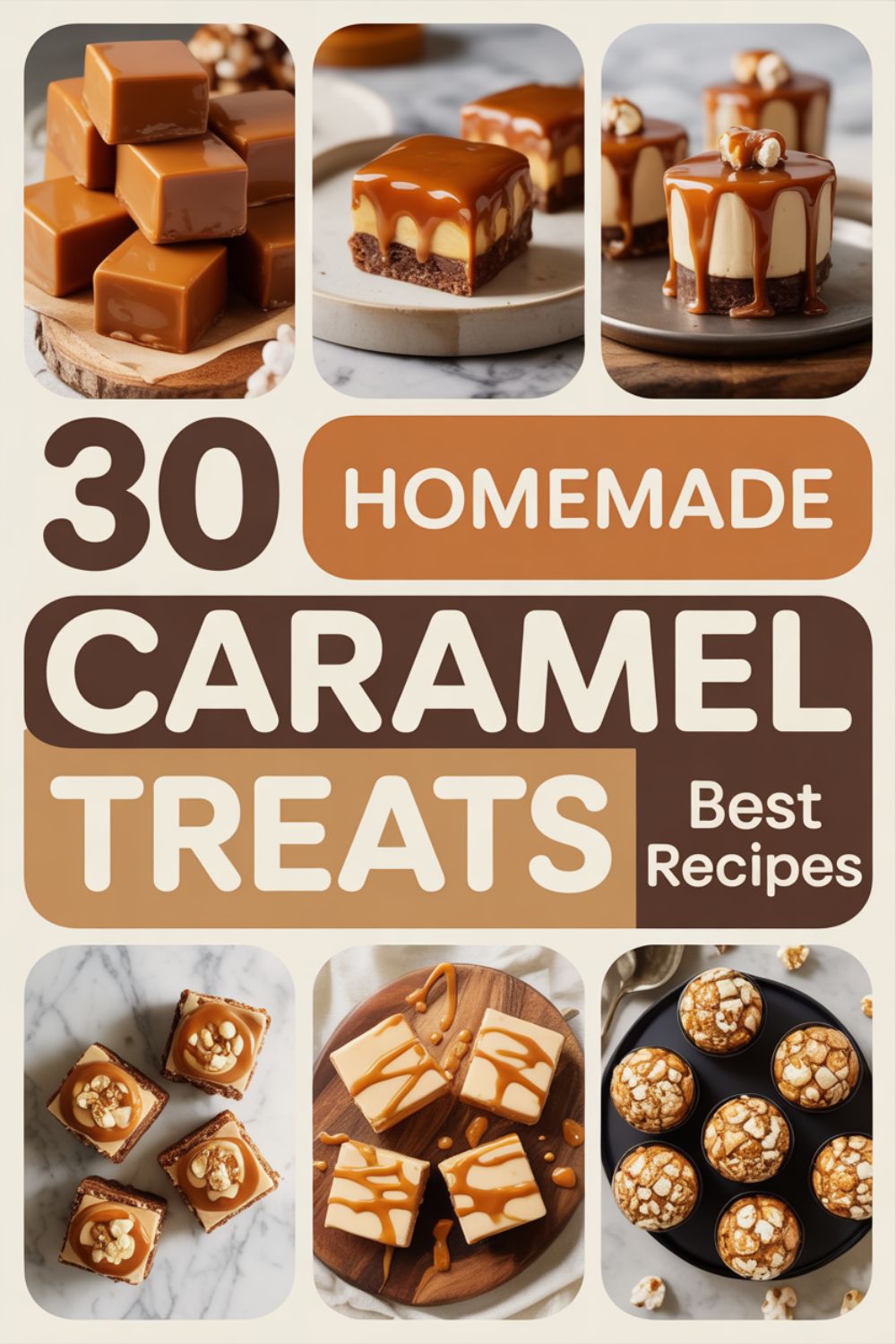
30 Best Recipes for Homemade Caramel Treats
Caramel has this reputation for being fussy. One minute you’re stirring a pot of bubbling sugar, feeling like a culinary genius, and the next you’ve got a crystallized mess that looks like someone dumped sand into your saucepan. Been there, done that, got the burnt pot to prove it.
But here’s the thing: homemade caramel is actually way more forgiving than you think, as long as you understand a few basic principles. And the payoff? Seriously worth it. We’re talking silky smooth caramel sauce that makes store-bought stuff taste like watered-down sadness, chewy caramel candies that’ll have people begging for your recipe, and desserts so good they’ll make you question why you ever settled for mediocre sweets.
This collection of 30 recipes covers everything from beginner-friendly caramel sauces to more adventurous treats that’ll impress at any gathering. Whether you’re drizzling it over ice cream, folding it into brownies, or making it the star of the show, these recipes will turn you into a caramel convert.
Understanding the Science Behind Perfect Caramel
Before we jump into recipes, let’s talk about why caramel sometimes acts like a temperamental toddler. The enemy here is crystallization—when your smooth, gorgeous caramel suddenly turns grainy and weird.
Sugar molecules love to bond together and form crystals. When you’re making caramel, you’re basically asking them to stay apart and play nice. According to food science research, adding corn syrup or a touch of acid like lemon juice helps prevent this crystallization by interfering with the sugar molecules’ ability to link up.
Here’s what I’ve learned the hard way: once your sugar mixture starts boiling, stop stirring it. I know it feels wrong to just stand there watching, but trust me on this. Stirring at this stage splashes sugar up the sides of the pan, where it can cool, crystallize, and fall back into your caramel like little saboteurs.
Instead, gently swirl the pan if you need to distribute the heat. And keep a pastry brush dipped in water handy to wash down any sugar crystals that form on the sides. It’s like border patrol for your caramel.
Classic Caramel Sauce: Your Gateway Recipe
If you’re new to the caramel game, start here. This is the recipe that’ll build your confidence and teach you what properly caramelized sugar looks like, smells like, and (most importantly) tastes like.
The basic formula is simple: sugar, butter, and heavy cream. Some recipes add corn syrup to prevent crystallization, and honestly, it’s not a bad idea for beginners. The corn syrup acts like training wheels until you get comfortable.
Here’s my preferred method: start with granulated sugar in a heavy saucepan over medium heat. Let it melt without stirring—just swirl the pan occasionally. Once it turns a rich amber color (think dark honey), remove it from heat and carefully whisk in room temperature butter. It’ll bubble like crazy, which is totally normal.
Then slowly pour in heavy cream, whisking constantly. The mixture will seize up at first, but keep whisking and it’ll smooth out beautifully. Return it to low heat for a minute if needed, and you’ve got yourself a sauce that’ll make you want to put caramel on everything.
Want to take it up a notch? Try making quick desserts that showcase your new caramel skills. The sauce keeps in the fridge for up to two weeks, though in my house it rarely lasts that long.
Salted Caramel: Because Everything’s Better With Salt
Let’s be real—regular caramel is great, but salted caramel is where it’s at. The salt cuts through the sweetness in a way that makes the caramel taste more complex and less one-dimensional.
For salted caramel, I always use flaky sea salt rather than table salt. The texture and flavor are completely different. You want those little crunchy bits that give you a burst of salt with each bite.
Add the salt in two stages: a pinch while the caramel’s still warm and liquid (this integrates the flavor throughout), and another sprinkle on top right before serving (for that textural element and visual appeal). It’s a simple trick that makes people think you went to pastry school.
Salted caramel sauce pairs incredibly well with homemade ice cream. Get Full Recipe for my favorite vanilla bean ice cream that’s basically designed to be a vehicle for this sauce.
Soft Caramel Candies: The Chewier the Better
Okay, soft caramel candies are where things get slightly more technical, but stick with me. You’ll need a candy thermometer for this one—it’s not optional unless you enjoy playing Russian roulette with your caramels.
The difference between sauce and candy comes down to temperature. For soft, chewy caramels, you’re aiming for 245-250°F (firm ball stage). Any lower and you’ve got sauce. Any higher and you’re heading into hard candy territory.
IMO, the secret ingredient here is sweetened condensed milk. It gives the caramels that perfect chewy texture and adds a depth of flavor that regular milk can’t match. Plus, it reduces the cooking time since you’re starting with less water to evaporate.
Once your caramel reaches temp, pour it into a lined pan (I use parchment paper sprayed with a tiny bit of oil), let it cool completely, then cut it into squares and wrap in wax paper twists. They look adorable and keep the caramels from sticking together.
These soft caramels are perfect for gifting, though you might want to make a double batch because you’ll eat half of them “for quality control purposes.” If you’re into making treats that look impressive but aren’t actually that hard, check out these kid-friendly dessert recipes that use similar techniques.
Caramel Corn: The Snack That Started It All
Fun fact: caramel corn was my gateway drug into the world of homemade caramel. It’s impossible to screw up too badly, and even if your caramel isn’t perfect, nobody’s going to complain about caramel-coated popcorn.
The key to great caramel corn is baking it after you coat the popcorn. This crisps everything up and prevents that soggy, sticky mess that happens with stovetop-only methods. Pop your popcorn (I use an air popper because it’s faster and I don’t have to deal with unpopped kernels), make a simple caramel with butter, brown sugar, and corn syrup, toss it all together, and bake at 250°F for about an hour, stirring every 15 minutes.
According to research on caramel properties, the heating process during baking not only improves texture but also enhances the development of those complex caramel flavors we love.
Caramel Apples: Fall in Candy Form
Caramel apples are nostalgic, Instagram-worthy, and honestly kind of a pain to eat. But they’re so worth it.
Here’s the deal: you need to prep your apples correctly or the caramel will slide right off. Wash them in hot water with a bit of vinegar to remove the waxy coating that’s applied to store apples. Dry them completely, then refrigerate them for at least an hour before dipping. Cold apples help the caramel set faster.
Use wooden apple sticks or sturdy wooden skewers—those flimsy popsicle sticks will just snap. Trust me, I’ve had apples fall off mid-dip, and it’s not pretty.
For the caramel itself, you want it slightly softer than what you’d make for candies (around 235-240°F). If it’s too firm, you’ll end up with a shell that’s harder to bite through than your resolve to stick to your New Year’s resolutions.
While we’re on the topic of fruit-based treats, these Get Full Recipe for caramel-dipped apple slices make a less messy alternative that’s perfect for parties. And if you’re curious about the nutritional side, caramel apples actually contain antioxidants from both the apples and the caramelization process, though let’s not pretend that makes them a health food.
Caramel Brownies: When One Dessert Isn’t Enough
Why settle for plain brownies when you can have caramel brownies? This is basically the dessert equivalent of having your cake and eating it too, except it’s brownies, and there’s caramel involved, so it’s even better.
The classic approach is to swirl caramel into the brownie batter before baking, but I prefer layering it. Bake your brownies halfway, pour over a layer of salted caramel, then top with the remaining batter and finish baking. You get these gorgeous caramel pockets that ooze when you cut into them.
Use a fudgy brownie recipe rather than a cakey one—the contrast between dense chocolate and gooey caramel is what makes this work. I bake mine in a square brownie pan lined with parchment for easy removal and perfect edges every time.
These brownies are ridiculously rich, so cut them smaller than you think you should. Also, for more chocolate-caramel combinations, check out these brownie variations that’ll take your chocolate game to the next level.
Essential Caramel-Making Tools
After making caramel roughly a million times, these are the tools I genuinely use and recommend:
- Heavy-bottomed 3-quart saucepan – Non-negotiable for even heat distribution
- Candy/instant-read thermometer – Takes the guesswork out completely
- Silicone spatula – Heat-resistant and flexible for scraping every bit
- Digital kitchen scale – For precise measurements in advanced recipes
- Comprehensive caramel recipe e-book – 50+ tested recipes with troubleshooting guides
- Video tutorial series – Step-by-step visual guides for all skill levels
Caramel Flan: Silky Smooth Perfection
Flan is one of those desserts that sounds fancy but is actually pretty straightforward once you understand the technique. The caramel forms the base, then you pour custard over it and bake. When you flip it out, you get this gorgeous amber sauce cascading down the sides.
The trick with flan caramel is taking it darker than you think you should. It needs to be a deep amber because it’ll taste milder once it’s cold and mixed with the custard. If you stop at light amber, your flan will taste too sweet and one-dimensional.
Bake your flan in a water bath (just set your flan dish in a larger pan filled with hot water) to ensure even, gentle cooking. I use individual ramekins instead of one large flan mold because they cook more evenly and look elegant when you’re serving guests.
Caramel Buttercream: Frosting Level Expert
Regular buttercream is fine. Caramel buttercream is legendary. The difference is night and day, and once you try it, there’s no going back to basic vanilla.
Make a caramel sauce first (let it cool to room temperature), then beat it into your buttercream base along with softened butter and powdered sugar. The ratio I use is about 1/2 cup of caramel to 1 cup of butter and 3-4 cups of powdered sugar, but you can adjust based on how caramel-forward you want it.
This frosting is perfect for birthday cakes and pairs especially well with vanilla or chocolate cake. Get Full Recipe for my favorite vanilla cake that’s basically designed to be paired with this frosting.
Millionaire’s Shortbread: The Dessert Bar That Has It All
Millionaire’s shortbread is what happens when you combine a buttery shortbread crust, a thick layer of caramel, and a chocolate topping. It’s called “millionaire’s” for a reason—this thing is rich enough to fund a small retirement.
The caramel layer here needs to be firm enough to cut cleanly but still slightly chewy. This is where condensed milk caramel (also called dulce de leche) shines. You can make it yourself by simmering a can of sweetened condensed milk, or cheat a little and buy it ready-made.
Top with melted dark chocolate (I prefer 60-70% cacao for a balance that’s not too bitter), let it set in the fridge, then cut into small squares. These are incredibly decadent, so small servings are plenty.
If you like layered dessert bars, these dessert bar recipes offer similar concepts with different flavor profiles.
Caramel Pecan Tart: When You Want to Show Off
This is the dessert you make when you want people to think you’re a legit pastry chef. It looks complicated, but it’s really just three components: a tart shell, caramelized pecans, and a caramel filling.
Toast your pecans first in a rimmed baking sheet—about 8-10 minutes at 350°F. This brings out their oils and intensifies the flavor. Arrange them in a pre-baked tart shell, then pour over a caramel filling made with butter, brown sugar, cream, and a touch of vanilla.
Bake just until the caramel is bubbling and set around the edges but still slightly jiggly in the center. It’ll firm up as it cools. The result is this incredible combination of buttery, flaky crust, crunchy pecans, and chewy-gooey caramel.
Caramel Macchiato Ice Cream: Coffee Meets Candy
Coffee and caramel is one of those combinations that just works. This ice cream captures that Starbucks vibe but tastes about a thousand times better because it’s homemade and you can control the sweetness level.
Start with a vanilla ice cream base, swirl in espresso or strong coffee, and ribbon in salted caramel sauce. When you’re churning it in your ice cream maker, add the caramel in the last few minutes so it creates those gorgeous swirls instead of fully incorporating.
For more frozen treat inspiration, these ice cream recipes will keep you busy all summer. You can experiment with different caramel variations in any of them.
Caramel Sticky Buns: Breakfast Just Got Interesting
Sticky buns are criminally underrated. They’re like cinnamon rolls’ cooler, more sophisticated cousin who studied abroad and came back with impeccable taste.
The caramel goes in the bottom of the pan before you add the rolls, so when you flip them out after baking, you get this gorgeous caramel topping cascading down the sides. Mix your caramel with chopped pecans or walnuts for texture.
Use a rich, buttery dough—brioche works great here. The combination of fluffy bread, cinnamon sugar filling, and caramel-nut topping is basically what weekend mornings were invented for.
Banoffee Pie: British Brilliance
If you’ve never had banoffee pie, you’re missing out on one of Britain’s greatest contributions to dessert (and they gave us sticky toffee pudding, so that’s saying something).
The base is a graham cracker or digestive biscuit crust, topped with toffee (or caramel—they’re used interchangeably here), sliced bananas, and whipped cream. It’s ridiculously simple and ridiculously good.
The traditional version uses dulce de leche for the caramel layer. You can make this by simmering a can of sweetened condensed milk for 2-3 hours, or take the easier route and buy it pre-made. No judgment here—we all have lives to live.
Speaking of easy desserts, these no-bake options and oven-free desserts are perfect when you want impressive results without the fuss.
Digital Resources for Caramel Masters
Want to take your caramel game even further? Here’s what helped me level up:
- Advanced caramel techniques e-course – Covers everything from troubleshooting to professional applications
- Printable caramel temperature guide – Handy chart for different caramel stages and their uses
- Monthly recipe newsletter – New caramel recipes and tips delivered to your inbox
- Join our caramel enthusiasts WhatsApp group – Share successes, troubleshoot problems, and connect with fellow bakers
Caramel Drizzled Cheesecake
Cheesecake is already pretty perfect on its own, but caramel takes it to another dimension. The tangy creaminess of the cheesecake against the sweet richness of caramel is a flavor combination that makes total sense.
I drizzle caramel over individual slices rather than the whole cheesecake, partly for presentation and partly because it keeps the caramel from soaking into the cheesecake and getting weird. Top with a sprinkle of flaky sea salt and maybe some toasted pecans if you’re feeling fancy.
Caramel Rice Krispie Treats: Childhood Upgraded
Regular Rice Krispie treats are great, but caramel Rice Krispie treats are next-level. Instead of using marshmallows alone, you add caramel to the mix for extra chewiness and flavor depth.
Melt your caramel candies with a bit of butter, then mix in the cereal. The texture is denser and chewier than traditional Rice Krispie treats, in the best possible way. Press them into a square baking pan lined with parchment, let them cool completely, then cut into squares.
These are great for making with kids—minimal cooking, maximum fun, and the end result is something they’ll actually want to eat.
Caramel Bread Pudding: Comfort Food Royalty
Bread pudding gets a bad rap as boring, but caramel bread pudding is anything but. This is peak comfort food—warm, custardy, with pockets of gooey caramel throughout.
Use day-old bread (brioche, challah, or even croissants if you’re feeling bougie), soak it in a custard base, and fold in chunks of soft caramel. Pour caramel sauce over the top before baking, then drizzle more on when serving because more is more.
Serve this warm with vanilla ice cream or whipped cream, and watch it disappear. For more custard-based desserts, check out these quick dessert options that deliver similar comfort vibes.
Salted Caramel Chocolate Truffles
If you want to make something that looks like you bought it from a fancy chocolate shop but actually took you less than an hour, these truffles are your answer.
The filling is ganache mixed with salted caramel—rich, smooth, and dangerously addictive. Roll them in cocoa powder, melted chocolate, or crushed nuts. Store them in the fridge in an airtight container, and try not to eat them all in one sitting (I’ve failed at this multiple times).
For more chocolate-caramel combos, these classic chocolate desserts offer plenty of inspiration.
Caramel Popcorn Balls: Retro and Righteous
Popcorn balls are delightfully old-fashioned, and I’m here for it. They’re essentially caramel corn shaped into balls, making them portable and portion-controlled (though I usually eat two, so the portion control thing is debatable).
Make your caramel corn as usual, but while it’s still warm and pliable, shape it into balls using buttered hands. Work quickly because the caramel sets fast. Wrap them in cellophane tied with ribbon for a gift that looks way more impressive than the effort required.
Caramel Stuffed Cookies
These cookies have a soft caramel center that stays gooey even after baking. The secret is using caramel candies that you press into cookie dough balls before baking.
I use a chocolate chip cookie dough as the base, but snickerdoodle or sugar cookie dough works great too. Flatten a piece of dough, place a caramel candy in the center, wrap the dough around it, then bake. The caramel melts slightly but doesn’t leak out if you seal the dough properly.
These are perfect for freezing and baking later—prep a batch, freeze the dough balls, then bake whenever you want fresh cookies. Get Full Recipe for my favorite chocolate chip cookie base that works perfectly for stuffing.
Caramel Panna Cotta
Panna cotta is one of those desserts that sounds difficult but is actually embarrassingly easy. It’s basically sweetened cream that’s been set with gelatin, and when you flavor it with caramel, it becomes something special.
Infuse your cream with caramel before adding the gelatin, pour into individual serving glasses, and chill until set. Top with more caramel sauce and maybe some crushed sea salt caramels for texture.
The beauty of panna cotta is it’s make-ahead friendly and looks elegant with minimal effort. Perfect for dinner parties when you want to seem like you have your life together.
Caramel Swirl Pound Cake
Pound cake is classic for a reason—it’s buttery, dense, and the perfect canvas for other flavors. Swirling caramel through it adds visual interest and flavor complexity.
Make your pound cake batter, pour half into a bundt pan, drizzle with caramel, add the rest of the batter, then swirl with a knife. The result is a marble effect that looks professional and tastes incredible.
Finish with a caramel glaze poured over the top while the cake is still slightly warm so it soaks in. This cake keeps well for days and actually improves as the flavors meld.
Caramel Pretzel Bites
Sweet and salty is a winning combination, and these pretzel bites deliver both in one addictive little package. Top pretzel squares with caramel and a chocolate drizzle, or sandwich caramel between two pretzels.
The salty crunch of the pretzel against the smooth caramel creates this textural contrast that’s incredibly satisfying. Make a big batch because they disappear fast at parties.
Caramel Pear Tart
Pears and caramel are one of those underrated combinations that deserve more love. The subtle, delicate sweetness of pears plays beautifully against rich caramel.
Poach your pears first in a mixture of wine, sugar, and vanilla until they’re tender. Arrange them in a tart shell, pour over caramel filling, and bake until everything is golden and bubbling. The result is sophisticated enough for a dinner party but simple enough for a weeknight dessert.
For more fruit-forward desserts, these seasonal fruit desserts showcase how to let produce shine.
Caramel Filled Cupcakes
Why settle for frosting on top when you can have caramel hidden inside your cupcakes too? These surprise-center cupcakes are always a hit.
Bake your cupcakes halfway, make an indentation in the center, fill with caramel, top with more batter, and finish baking. When people bite into them, they get this burst of caramel that makes the whole experience way more exciting than regular cupcakes.
Top with caramel buttercream and maybe a drizzle of extra caramel because apparently, there’s no such thing as too much caramel in my world.
Caramel Nut Clusters
These are essentially homemade Turtles, and they’re so much better than the store-bought version. Mix toasted pecans or peanuts with caramel, shape into clusters, then dip in melted chocolate.
Use a combination of dark and milk chocolate for the coating—the contrast between the two chocolates adds complexity. Let them set on parchment paper, then store in an airtight container.
These make great gifts, especially around the holidays. They look professional but are actually pretty straightforward to make once you get the caramel temperature right.
Caramel Stuffed Dates
This might sound weird, but trust me—dates stuffed with caramel (and sometimes a nut) are incredible. The natural sweetness of the date complements the caramel without being overwhelming.
Remove the pit from Medjool dates, fill with a small amount of soft caramel, optionally add a toasted almond or pecan, then dip in chocolate if you want to go all out. They’re elegant, surprisingly healthy-ish (the dates provide fiber and minerals), and satisfy sweet cravings without being as heavy as other desserts.
According to recent research on caramel’s antioxidant properties, the caramelization process actually creates beneficial compounds—though let’s not pretend that makes caramel a superfood.
Caramel Monkey Bread
Monkey bread is one of those pull-apart breads that’s fun to eat and impressive to serve. The caramel version takes it from good to legendary.
Roll balls of biscuit dough in butter, then cinnamon sugar. Arrange in a bundt pan, pour caramel sauce over the top, and bake until golden and bubbly. When you flip it out, you get this gorgeous crown of pull-apart bread with caramel dripping down the sides.
Serve it warm while the caramel is still gooey. It’s messy to eat, but that’s half the fun. Perfect for weekend breakfast or brunch when you want something special but don’t want to spend hours in the kitchen.
Caramel Tiramisu
Traditional tiramisu is coffee-soaked ladyfingers layered with mascarpone cream. Caramel tiramisu swaps the coffee for caramel (or combines both if you’re feeling adventurous).
Dip your ladyfingers in caramel sauce thinned slightly with cream, layer with mascarpone mixture that’s been flavored with more caramel, and refrigerate overnight. The ladyfingers soften and absorb all those flavors, creating this incredibly decadent dessert.
Dust with cocoa powder and drizzle with extra caramel before serving. It’s a showstopper that tastes way more complicated than it actually is.
Frequently Asked Questions
Why did my caramel crystallize and turn grainy?
Crystallization happens when sugar molecules bond together, usually caused by stirring too much after the mixture starts boiling or from sugar crystals on the pan sides falling back in. To prevent this, stop stirring once it boils, brush down the sides with a wet pastry brush, and consider adding corn syrup or a touch of lemon juice as crystallization inhibitors.
Can I make caramel without a candy thermometer?
Yes, but it’s trickier. Watch for color changes—light amber for sauces, deep amber for candies. You can also do the cold water test: drop a bit of caramel into cold water and check the texture. That said, a digital thermometer takes the guesswork out and costs less than the ingredients you’ll waste getting it wrong.
How long does homemade caramel last?
Caramel sauce keeps in the fridge for up to two weeks in an airtight container. Caramel candies last about a month at room temperature if wrapped individually. Both freeze well for up to three months—just thaw in the fridge and reheat sauce gently if needed.
What’s the difference between caramel and butterscotch?
Caramel is made with white granulated sugar, while butterscotch uses brown sugar, giving it that distinct molasses flavor. Butterscotch is also typically cooked to a lower temperature and has more butter. Both are delicious, just different flavor profiles.
Can I fix burnt caramel?
Unfortunately, no. Once caramel burns, there’s no salvaging it—the bitter flavor permeates everything. Your best bet is to start over and watch it more carefully this time. The good news is you’ll learn to recognize that perfect amber color before it crosses into burnt territory.
Final Thoughts on Your Caramel Journey
Making caramel at home isn’t some mystical skill reserved for professionals. It’s chemistry you can eat, and once you understand the basics, you can riff on it endlessly. The 30 recipes I’ve shared here are just starting points—feel free to experiment, adjust sweetness levels, add different flavors, and make them your own.
The biggest lesson I’ve learned from years of making caramel is that failures are part of the process. I’ve crystallized more batches than I can count, burnt enough sugar to coat a small planet, and definitely eaten my fair share of “test pieces” that were totally necessary for quality control. Each mistake taught me something, and now caramel feels less like a scary science experiment and more like an old friend.
Start with the simple caramel sauce, get comfortable with the process, then gradually work your way up to more complex recipes. Before you know it, you’ll be that person who brings homemade salted caramels to parties and gets asked for the recipe every single time.
And hey, if your first batch doesn’t turn out perfectly? That’s what ice cream is for. Even mediocre caramel tastes pretty good when it’s drowning vanilla bean ice cream. Just saying.