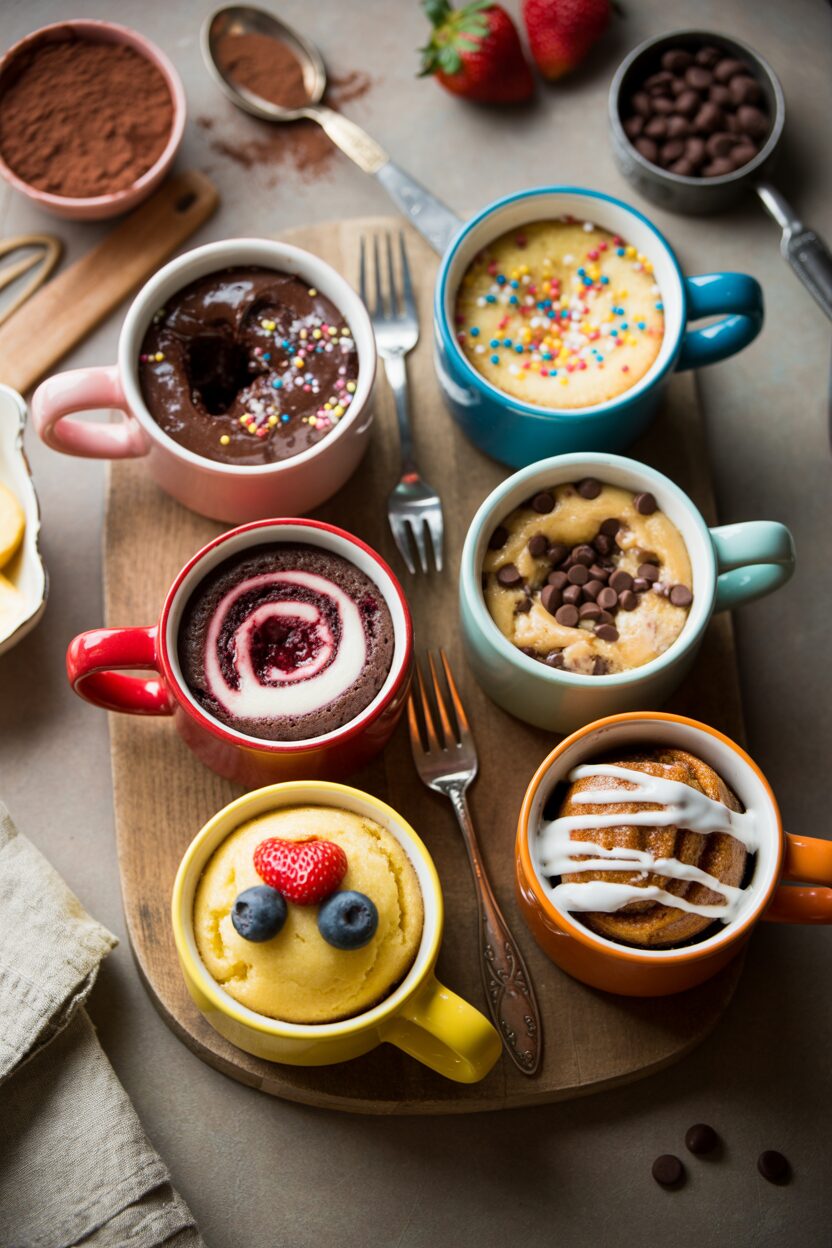
30 Quick Mug Cakes to Satisfy Your Sweet Tooth
It’s 9 PM, you’ve already changed into pajamas, and suddenly you need something sweet with the urgency of someone who just remembered they have a presentation tomorrow. The kitchen’s mostly clean, you’re not about to dirty six bowls for a batch of brownies, and honestly? You want dessert in your hand within the next five minutes, not next Tuesday.
That’s the entire appeal of mug cakes in one extremely relatable scenario. They’re single-serving, they cook in your microwave, and they go from craving to consumption faster than you can debate whether you really need dessert. Spoiler: you do. And I’m not talking about those sad, rubbery disasters that taste like regret—when you get the ratios right, mug cakes are legitimately good. Like, I’d-choose-this-over-regular-cake-sometimes good.
I’ve tested more mug cakes than any reasonable person should admit to, and these 30 variations cover everything from classic chocolate to weird flavor experiments that somehow work. Some are breakfast-adjacent, others are pure indulgence, and a few are secretly healthy enough that you could justify eating them before noon. Let’s get into it.
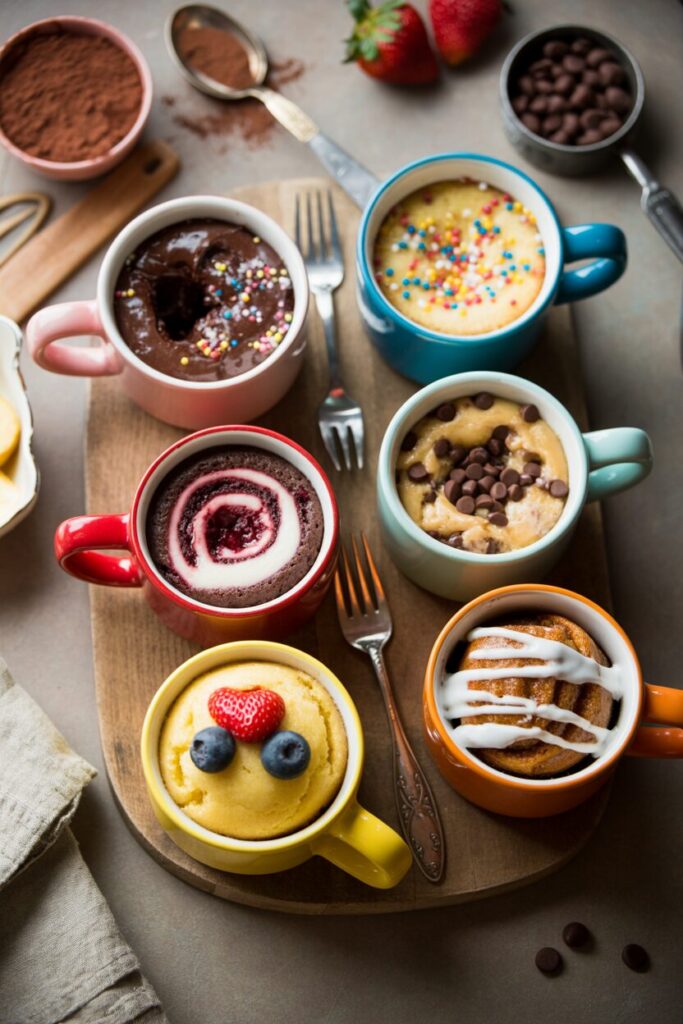
Understanding the Mug Cake Formula
Before we get to the fun stuff, let’s talk about why mug cakes work when they do and fail spectacularly when they don’t. The basic formula is flour, sugar, fat, liquid, and leavening, but the proportions matter way more than in regular baking. You’re working with a tiny volume and intense microwave heat, so every measurement counts.
The flour ratio determines texture—too much and you’ve got a dense puck, too little and it’s basically pudding. Most good mug cake recipes use between 3-5 tablespoons of flour. The fat can be butter, oil, or even nut butter, and it keeps the cake moist instead of dry and crumbly. Sugar obviously provides sweetness, but it also affects texture and helps with browning.
The liquid is usually milk, but water works in a pinch, and you can use dairy-free alternatives without major adjustments. Leavening comes from baking powder, and you need just enough to give the cake some lift without creating that weird spongy texture. One of my favorite tricks is adding a tiny pinch of salt—it makes all the flavors taste more like themselves.
Microwave wattage is the variable nobody talks about but absolutely matters. I use this 1000-watt microwave, and most recipes cook in 60-90 seconds. If yours is less powerful, add 10-15 seconds. If it’s more powerful, start checking at 50 seconds. The cake should look slightly wet on top when you pull it out—that residual heat keeps cooking it.
The Chocolate Family
Classic Chocolate Mug Cake
This is the baseline, the one you’ll make repeatedly at midnight when you need chocolate and you need it now. Flour, cocoa powder, sugar, milk, oil, vanilla, baking powder. Mix in the mug, microwave for 70 seconds, eat with a spoon. The texture should be fudgy, not cakey, with a slight pudding-like consistency in the very center.
I use Dutch-process cocoa powder because it tastes richer and less acidic than natural cocoa, but either works. The key is not overmixing—stir just until combined, and ignore any tiny lumps. Get Full Recipe for the version I make most often, which includes espresso powder to intensify the chocolate flavor without making it taste like coffee.
Molten Lava Chocolate
Same basic concept as above, but you press a square of dark chocolate into the center before microwaving. When you dig in, melted chocolate oozes out like the fancy restaurant version. Use good-quality chocolate bars, not chips—chips contain stabilizers that prevent them from melting smoothly.
The trick is placing the chocolate square in the center and making sure batter covers it completely. If it’s too close to the surface, it’ll break through during cooking. I usually push it down with a spoon until it’s about halfway to the bottom of the mug. Microwave for 60 seconds, let it sit for 30 seconds, then prepare for chocolate lava glory.
Double Chocolate Chip
Chocolate cake batter plus chocolate chips folded in. It’s not complicated, but the contrast between fudgy cake and pockets of melted chocolate makes it feel more substantial than a basic mug cake. I fold in the chips after mixing the batter so they don’t sink straight to the bottom.
Mini chocolate chips work better than regular-sized ones because they distribute more evenly throughout the small volume. The microwave-safe mugs I use are wider than they are tall, which gives you more surface area and more consistent cooking. Tall, narrow mugs create hot spots where the top cooks faster than the bottom.
Mexican Hot Chocolate
Chocolate mug cake with cinnamon, cayenne, and a pinch of chili powder. The spices add warmth without making it spicy, and the slight heat plays beautifully with the sweet chocolate. According to research on capsaicin and flavor perception, small amounts of chili can actually enhance sweetness and chocolate flavors.
Start with just a tiny pinch of cayenne—you can always add more, but you can’t take it back. I also add vanilla extract and sometimes a sprinkle of sea salt on top after cooking. This one’s particularly good with whipped cream on top to balance the spice.
If you’re into flavor variations, you might also like these chai spice muffins or this cinnamon roll in a mug for more warming spice combinations.
Chocolate Peanut Butter Swirl
Chocolate batter with a spoonful of peanut butter stirred through in a marble pattern. Don’t mix it in completely—those ribbons of peanut butter create pockets of salty-sweet contrast. The peanut butter also stays slightly molten after microwaving, which is basically the entire point.
Natural peanut butter works, but it tends to separate and get oily when heated. I prefer creamy conventional peanut butter for this because it maintains better texture. Drop spoonfuls on top of the batter, then swirl with a knife or chopstick. Three or four swirls is enough—you want distinct ribbons, not fully incorporated peanut butter.
Chocolate Cheesecake
This one requires making two batters—a chocolate cake base and a cream cheese layer—but it’s still under five minutes total. You make the chocolate batter first, dollop cream cheese mixture on top, then microwave. The cream cheese firms up slightly but stays creamy, creating this amazing cheesecake-brownie hybrid.
Room temperature cream cheese is mandatory here. Cold cream cheese won’t mix smoothly and creates lumps. I use this hand mixer to whip the cream cheese with sugar until fluffy, then drop spoonfuls onto the chocolate batter. You can swirl it if you want, or leave it in distinct layers.
The Vanilla and Friends Category
Classic Vanilla
Vanilla mug cake gets overlooked because chocolate steals all the attention, but a good vanilla cake is its own thing. It shouldn’t taste like “chocolate’s boring cousin”—it should taste like butter, vanilla, and comfort. Use real vanilla extract, not imitation, because that’s literally the main flavor here.
I add a tiny bit of almond extract along with the vanilla for complexity, though that’s optional. The batter should be slightly thinner than chocolate cake batter because vanilla cakes rely more on air for lightness. Get Full Recipe for my go-to vanilla version that includes sour cream for extra moisture and tang.
Funfetti Celebration
Vanilla batter loaded with rainbow sprinkles. It’s cheerful, it’s nostalgic, and it tastes exactly like birthday cake. The sprinkles bleed slightly during microwaving, creating these little pops of color throughout the cake. Use regular sprinkles, not nonpareils, which tend to disappear completely.
Fold the sprinkles in gently at the very end so they don’t sink. I usually reserve a few to scatter on top after cooking because presentation matters even when you’re eating alone in your pajamas. Top with vanilla frosting or just eat it plain—both are valid life choices.
Brown Butter Vanilla
This requires one extra step—browning butter before adding it to the batter—but holy hell, it’s worth it. You melt butter in a small saucepan until the milk solids turn golden and nutty, let it cool slightly, then use it like regular melted butter. The flavor transforms from basic vanilla to sophisticated caramel-vanilla.
I brown butter in batches and keep it in the fridge because I use it constantly. The small saucepan I use has a light-colored interior so you can see the butter browning. Watch it carefully—it goes from perfect to burned in about fifteen seconds. The smell will tell you when it’s ready; it should smell like toasted nuts and caramel.
Speaking of butter-based treats, try these brown butter cookies or this browned butter banana bread when you want that same nutty flavor in other forms.
Vanilla Bean
Real vanilla bean seeds scraped into the batter. It’s unnecessarily fancy for a mug cake, and I make it anyway because those tiny black specks look impressive and taste amazing. Vanilla beans are expensive, but one bean gives you enough seeds for several mug cakes.
Split the bean lengthwise, scrape out the seeds with the back of a knife, then add them to your wet ingredients. Save the pod—you can stick it in sugar to make vanilla sugar, or add it to milk when heating for extra flavor. The seeds add this intense vanilla flavor that extract alone can’t match.
Cinnamon Roll
This tastes exactly like a cinnamon roll but takes three minutes instead of three hours. You make a vanilla batter with extra cinnamon, swirl in a brown sugar-butter-cinnamon mixture, microwave, then drizzle with a simple icing made from powdered sugar and milk. The smell alone makes it worth the effort.
The cinnamon swirl should be thick—almost paste-like—so it doesn’t just disappear into the batter. I mix brown sugar, melted butter, and cinnamon until it forms a spreadable consistency, then dollop it on top of the batter and swirl. The icing goes on while the cake’s still warm so it melts slightly and soaks in.
The Fruit-Forward Options
Lemon
Bright, tangy, and lighter than most mug cakes. You add lemon zest and juice to the basic vanilla formula, and suddenly you’ve got something that tastes like sunshine. The acidity from the lemon juice also helps tenderize the gluten, creating a more delicate crumb.
Use a microplane grater for the zest—it gives you fluffy, aromatic zest instead of thick chunks. Zest the lemon before you juice it; trying to zest a juiced lemon is an exercise in frustration. I usually add about 1 tablespoon of lemon juice and the zest from half a lemon. More than that and the acid starts affecting the texture weird.
Blueberry Muffin
Vanilla batter with fresh or frozen blueberries folded in. If using frozen, don’t thaw them first—the cold berries help prevent the cake from overcooking. The berries burst during microwaving and create these purple-blue pockets throughout the cake.
Toss the blueberries in a tiny bit of flour before folding them in. This keeps them from sinking to the bottom. I usually use about 15-20 berries per mug cake, which seems like a lot but they shrink when cooked. Top with a crumble mixture before microwaving if you want that muffin-top texture.
Strawberry Shortcake
Vanilla mug cake served with macerated strawberries and whipped cream. You make the cake while the strawberries sit in sugar, which draws out their juices and creates a syrup. The combination of warm cake, cool berries, and fluffy cream hits all the right notes.
Fresh strawberries work better than frozen for this because frozen ones release too much liquid and make the cake soggy. Slice them thin, toss with a bit of sugar, and let them sit while you make the cake. The whipped cream dispenser I use makes quick work of fresh whipped cream, though canned works fine if you’re not precious about it.
Banana Bread
Mashed banana mixed into vanilla batter. It tastes exactly like banana bread but takes 90 seconds to cook. Overripe bananas work best because they’re sweeter and mash more smoothly. One small banana gives you enough for two mug cakes.
Add a pinch of nutmeg along with the cinnamon for extra warmth. The banana keeps the cake incredibly moist, almost pudding-like in texture. I sometimes add a few chocolate chips or walnuts for texture contrast. FYI, this one’s delicious topped with maple syrup drizzle or a smear of peanut butter.
Apple Cinnamon
Diced apple folded into cinnamon-spiced vanilla batter. The apple pieces stay slightly firm, creating texture contrast against the soft cake. Use tart apples like Granny Smith rather than sweet ones—the sugar in the batter adds enough sweetness.
Dice the apple small, about pea-sized, so you get apple in every bite. I toss them with a bit of cinnamon sugar before folding them in. You can also microwave the apples for 20 seconds before adding them to soften them slightly. This tastes like apple pie and requires approximately 1% of the effort.
If you’re into apple desserts, check out these apple crisp cups or this caramel apple skillet cake for more variations on the theme.
The Alternative and Special Diet Cakes
Vegan Chocolate
No eggs, no dairy, still delicious. You replace the milk with plant-based milk and the butter with oil or vegan butter. The egg gets replaced with a flax egg or just extra liquid—mug cakes are forgiving enough that you don’t always need a binder. According to research on plant-based baking, substitutions like flax eggs and nut milks can provide similar results to traditional ingredients.
Almond milk, oat milk, and soy milk all work fine. Coconut milk makes it slightly richer but adds coconut flavor, which you may or may not want. I use neutral-flavored oil like grapeseed or vegetable oil instead of coconut oil for the same reason. The texture isn’t identical to egg-based mug cakes, but it’s close enough that most people can’t tell.
Gluten-Free
Swap regular flour for a gluten-free flour blend. Not all GF flours work the same—you want one with xanthan gum already added, otherwise the texture falls apart. I use this gluten-free flour blend that measures cup-for-cup with regular flour.
The texture is slightly denser than wheat-based mug cakes, but still good. Let it cool for a minute before eating; GF baked goods often improve in texture as they cool slightly. Don’t overbake—GF flour dries out faster than regular flour, so err on the side of slightly underdone.
Protein-Packed
This uses protein powder as part of the flour, making it higher in protein and lower in carbs. It’s basically a dessert that feels slightly virtuous. Not all protein powders work equally well; whey protein gives better texture than plant-based proteins, though both are doable.
Use unflavored or vanilla protein powder unless you specifically want chocolate or another flavor. The protein powder replaces about half the flour, so you end up with roughly 15-20 grams of protein per mug cake. Add a mashed banana for moisture—protein powder tends to dry things out. This is honestly one of my favorite post-workout treats.
Keto-Friendly
Almond flour instead of regular flour, erythritol or monk fruit instead of sugar, and extra eggs for structure. The texture is denser and more custard-like than traditional mug cakes, but the flavor’s there. Almond flour creates a slightly nutty taste that works particularly well with chocolate.
The ratios are different from regular mug cakes—you need more egg and fat to compensate for the lack of gluten and traditional sugar’s properties. I use about 3 tablespoons of almond flour, 1 egg, and 1-2 tablespoons of butter per mug cake. Microwave time is slightly shorter, around 45-60 seconds, because it sets faster.
Paleo
Similar to keto but usually includes a bit of honey or maple syrup instead of artificial sweeteners. Almond flour or coconut flour work here, though coconut flour absorbs way more liquid and requires recipe adjustments. Coconut flour mug cakes need roughly 1/4 the amount of flour compared to almond flour versions.
I prefer almond flour because it’s more forgiving and tastes more neutral. Add vanilla, cinnamon, or cocoa to mask any coconut flavor if using coconut flour. These tend to be slightly denser than wheat-based cakes, but that’s the nature of paleo baking. Top with fresh fruit and coconut cream for a complete paleo dessert.
The Decadent Upgrades
S’mores
Chocolate mug cake with graham cracker crumbs mixed in and mini marshmallows on top. The marshmallows toast slightly in the microwave, creating that campfire vibe without the actual fire. Crush graham crackers and fold them into the chocolate batter for texture.
Add the marshmallows for the last 10 seconds of cooking so they puff up and toast without completely melting into nothing. You want them softened and slightly browned on top. I sometimes add a piece of chocolate bar in the center to really commit to the s’mores theme. It’s messy, it’s sweet, and it tastes like summer camp minus the mosquitoes.
Cookies and Cream
Vanilla mug cake with crushed Oreos folded in. The cookies soften during microwaving but maintain some texture, creating pockets of chocolate-cream goodness throughout. Crush the Oreos coarsely—you want recognizable chunks, not powder.
I use about 3-4 Oreos per mug cake, which seems excessive but it’s really not. You can fold some into the batter and sprinkle more on top for presentation. The cookies add both flavor and textural interest, making this feel more substantial than a basic vanilla cake. Get Full Recipe for the version that includes a cream cheese frosting swirl.
Salted Caramel
Vanilla or chocolate mug cake with caramel sauce swirled through and flaky sea salt on top. The salt cuts the sweetness and makes all the flavors pop. You can use store-bought caramel sauce or make a quick version on the stove.
Drizzle caramel over the batter before microwaving, then add more after it’s done. The salt should be flaky—Maldon sea salt or similar—not regular table salt. Just a tiny pinch on top makes a huge difference. The sweet-salty contrast is genuinely addictive.
For more caramel treats, try this salted caramel brownie or these caramel pecan bars when you want that same flavor profile in different forms.
Pumpkin Spice
Pumpkin puree mixed into spiced cake batter. It’s fall in a mug, complete with cinnamon, nutmeg, ginger, and cloves. The pumpkin adds moisture and a subtle earthiness that balances the warming spices. Use pure pumpkin puree, not pumpkin pie filling, which already has sugar and spices added.
Add 2-3 tablespoons of pumpkin puree to your basic vanilla batter along with the spice blend. The cake turns orange and smells amazing while cooking. Top with cream cheese frosting or whipped cream with a sprinkle of cinnamon. This is one of those flavors that you crave in September and completely forget about by December.
Red Velvet
Chocolate mug cake with red food coloring and a cream cheese frosting swirl. It’s unnecessarily extra for a mug cake, and that’s precisely why I love it. The red color makes it feel special even though you’re literally eating it out of a mug with a spoon.
Use gel food coloring if possible—liquid coloring requires too much volume to get a vibrant red. The cream cheese frosting can go on top after cooking or swirled through before. I usually do both because restraint isn’t really my strong suit. The slight tang from the cream cheese balances the sweetness perfectly.
Tiramisu
Coffee-flavored mug cake with mascarpone cream on top. It’s a deconstructed tiramisu that takes three minutes instead of hours of assembly. Dissolve instant espresso powder in your liquid before mixing the batter for intense coffee flavor.
The mascarpone topping is just mascarpone cheese whipped with a bit of powdered sugar and vanilla. I make it while the cake cooks, then dollop it on top while the cake’s still warm. Dust with cocoa powder through a fine-mesh strainer for that classic tiramisu look. It won’t fool any Italian grandmothers, but it tastes damn good.
Nutella Lava
Similar to the molten chocolate version, but with a spoonful of Nutella pressed into the center. When you break through the cake, warm Nutella oozes out. The hazelnut-chocolate combination is basically a hug in dessert form.
Use a full tablespoon of Nutella and make sure it’s completely covered by batter. I usually make a chocolate cake batter for this, but vanilla works too if you want the Nutella to be the star. Microwave for 60-70 seconds, let it rest for 30 seconds, then enjoy the molten center.
Tips for Mug Cake Success
Getting consistent results with mug cakes means understanding a few key principles. First, measure accurately. Mug cakes are too small to be forgiving about measurements—an extra tablespoon of flour makes a noticeable difference. I use these measuring spoons that include odd sizes like 2/3 tablespoon, which comes up more often than you’d think.
Second, don’t overmix. Stir just until combined, and leave some small lumps. Overmixing develops gluten and makes the cake tough and rubbery. I usually do about 20-25 stirs total, then stop even if it’s not perfectly smooth.
Third, use the right mug. It should be microwave-safe, obviously, but also wider than it is tall. Tall, narrow mugs create uneven cooking. The mug should be about 12-16 ounces, which gives you room for the cake to rise without overflowing. I learned this the hard way after cleaning cake off my microwave ceiling more than once.
Fourth, watch your microwave wattage. Most recipes assume 1000 watts. If yours is different, adjust timing accordingly. Start with less time and add more in 10-second increments rather than overcooking and ending up with a rubber puck.
Finally, let it cool for 30-60 seconds before eating. I know, you want to eat it immediately, but that cooling time lets the texture set properly. Plus, molten sugar burns are no joke.
Related Recipes You’ll Love
Looking for more quick dessert ideas? Here are some recipes that deliver the same instant gratification:
More Single-Serving Treats:
- Brownie in a mug – fudgy chocolate fix when cake isn’t quite right
- Cookie in a mug – because sometimes you want cookie texture instead
- Blondie in a mug – vanilla-brown sugar goodness without eggs
Chocolate Lovers:
- Molten chocolate lava cake – the full-size version when you’re sharing
- No-bake chocolate mousse – for when you don’t even want to microwave
- 5-minute chocolate fudge – stovetop alternative to mug treats
Final Thoughts
Mug cakes aren’t a compromise—they’re a legitimate dessert category that happens to be incredibly convenient. Yeah, they cook in your microwave in under two minutes. Yeah, you eat them straight from the mug. And yeah, that makes them absolutely perfect for real life where you don’t always have time or energy for elaborate desserts.
I keep the basic ingredients stocked in my pantry specifically for mug cake emergencies. Flour, sugar, cocoa powder, baking powder, and vanilla extract cover most of these recipes. The rest is just mixing and microwaving, which even the most cooking-adverse person can handle.
Pick a flavor that sounds good, grab a mug, and just make it. You’ll have dessert in hand before you finish debating whether you really need it. And look, you’ve read this far—you obviously need it. IMO, that’s completely valid, and mug cakes deliver exactly what they promise: dessert now, not later, with minimal cleanup and maximum satisfaction.