30 High-Protein Low-Sugar No-Bake Desserts
30 High-Protein Low-Sugar No-Bake Desserts
Look, I get it. You want something sweet but you’re also trying to keep your protein intake up and sugar down. And honestly? The last thing you want to do after a long day is turn on the oven and wait around like some kind of patient person.
Here’s the thing about no-bake desserts that nobody really talks about: they’re not just convenient, they’re actually superior in a lot of ways. You preserve more nutrients, you don’t heat up your kitchen in summer, and let’s be real, there’s zero chance of burning anything. Win-win-win.
I’ve been making these high-protein, low-sugar treats for years now, and the best part? Most of them come together in under 20 minutes. Some require a bit of chill time in the fridge, but that’s hardly work on your part.
Why Protein in Desserts Actually Makes Sense
Before we jump into the recipes, let’s talk about why this whole protein-in-dessert thing isn’t just some fitness influencer trend. Protein plays a key role in helping your body repair after injury and supports the growth and renewal of cells, making it essential for overall health.
When you add protein to desserts, you’re basically turning them into functional food. They satisfy your sweet tooth while actually contributing to your daily nutrition goals. Plus, protein helps you feel fuller longer, which means you’re less likely to raid the pantry an hour later looking for something else.
The sugar part? That’s where things get interesting. Excess sugar consumption forces your pancreas to work harder, and over time, this can lead to serious metabolic issues. By keeping sugar low in these desserts, you avoid the blood sugar spike-and-crash cycle that leaves you feeling terrible.
IMO, the best part about these desserts is that they don’t taste like “health food.” Nobody wants to eat something that tastes like cardboard just because it’s good for you. These actually taste indulgent.
The Protein Sources That Work Best
Not all protein is created equal, especially when it comes to no-bake desserts. You need ingredients that blend smoothly, taste good, and don’t require cooking to be safe.
Greek yogurt is probably my favorite base for no-bake desserts. It’s creamy, tangy, and packs around 15-20 grams of protein per cup. I use this thick Greek yogurt that doesn’t separate or get watery. The consistency makes all the difference.
Protein powder gets a bad rap sometimes, but when you find a good one, it’s a game-changer. Look for brands that don’t have that chalky aftertaste. I keep both vanilla and chocolate versions on hand. This whey protein isolate mixes incredibly smooth and doesn’t clump.
Cottage cheese might sound weird in desserts, but blend it up and it becomes this silky, protein-rich base that you’d never identify. One cup has about 28 grams of protein. Just make sure you blend it really well.
Nut butters bring both protein and healthy fats to the table. Natural peanut butter, almond butter, cashew butter – they all work. Pro tip: if you want the protein without as many calories, there are powdered peanut butters that reconstitute with water.
Pro Tip: Always taste your protein powder before adding it to recipes. Some brands are incredibly sweet while others are more neutral. This affects how much additional sweetener you’ll need.
Speaking of protein needs, if you’re trying to hit specific macros throughout your day, high-protein breakfast ideas can help you start strong. And for those busy workdays when you need something portable, high-protein lunches for busy workdays are total lifesavers.
Smart Sugar Swaps That Don’t Suck
Here’s where people usually mess up: they think “low sugar” means “tastes like disappointment.” Not true. You just need to be strategic about your sweeteners.
Stevia is my go-to for most recipes. A little goes a long way, and it doesn’t spike blood sugar. The liquid versions tend to blend better than the powdered ones in no-bake recipes.
Monk fruit sweetener has become more popular lately, and for good reason. It’s natural, has zero calories, and doesn’t have that weird aftertaste that some artificial sweeteners do.
Erythritol works great in recipes that need bulk. Unlike other sugar alcohols, it doesn’t cause digestive issues for most people. I use this granulated erythritol that measures cup-for-cup like regular sugar.
For natural sweetness, dates are brilliant. Yeah, they have natural sugars, but they also have fiber which slows absorption. Plus they add a caramel-like flavor that’s hard to beat. Just make sure you soak them first if they’re not the soft Medjool variety.
Research shows that protein helps you feel full and supports healthy weight management, which is why balancing these desserts with adequate protein makes such a difference.
Essential Tools You’ll Actually Use
You don’t need a ton of fancy equipment for these, but a few key tools make everything easier.
A high-powered blender is non-negotiable if you’re serious about this. You need something that can pulverize nuts, blend frozen fruit smoothly, and turn cottage cheese into silk. I’ve tried the budget versions, and they just don’t cut it. This personal blender is perfect for single servings and easier to clean than those giant ones.
Get yourself silicone molds for energy bites and fat bombs. They release so much easier than anything else, and you can pop them right in the freezer. These mini muffin silicone molds are the perfect size for portion control.
A food processor comes in handy for making crusts and chopping nuts. The mini versions work fine for small batches. You don’t need the industrial-strength model unless you’re feeding an army.
For storage, I swear by glass containers with tight-sealing lids. They don’t absorb odors or stains like plastic, and you can see what’s inside. These stackable glass containers maximize fridge space.
The 30 Recipes You’ll Make on Repeat
Chocolate Lovers Section
1. Triple Chocolate Protein Mousse
This is basically what happens when you blend silken tofu (yes, really) with cocoa powder, protein powder, and a bit of sweetener. The texture is insanely good. You can also make it with Greek yogurt if tofu isn’t your thing. See next: 12 Low-Sugar No-Bake Desserts →
2. Dark Chocolate Peanut Butter Cups
Using sugar-free dark chocolate chips and natural peanut butter, these come together in about 10 minutes plus freezer time. They’re portion-controlled, which is key when you’re trying not to eat an entire batch.
3. Chocolate Protein Cheesecake Bites
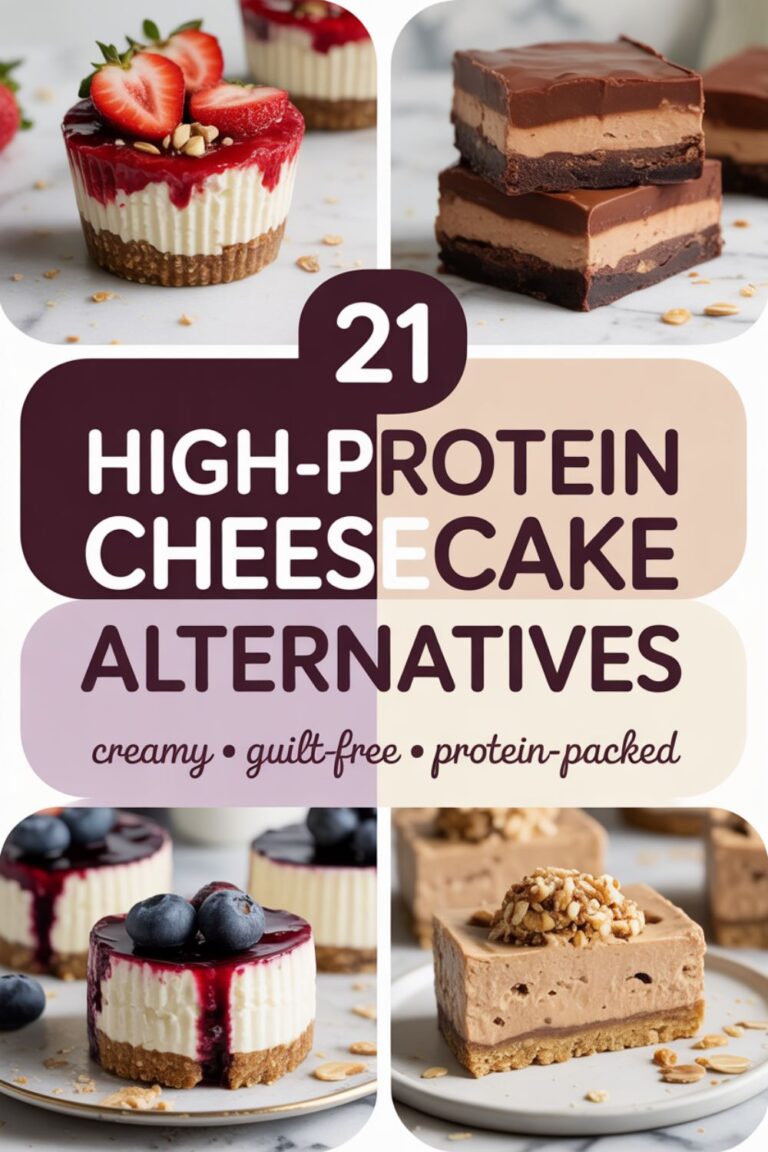
Cream cheese, cocoa powder, and protein powder whipped together and set in mini muffin tins. Top with a square of dark chocolate if you’re feeling fancy. They taste way more decadent than they actually are.
4. No-Bake Brownie Bites
Made with dates, cocoa powder, almond flour, and protein powder. I roll mine in crushed almonds for some crunch. This almond flour gives the best texture without being gritty.
5. Chocolate Chia Pudding
Mix chia seeds with unsweetened almond milk, cocoa powder, and vanilla protein powder. Let it sit overnight. Wake up to chocolate pudding for breakfast. The chia seeds pack extra protein and omega-3s.
Fruity & Fresh Options
6. Strawberry Protein Fluff
Frozen strawberries, protein powder, and a splash of almond milk blended until it’s light and airy. The texture is somewhere between ice cream and mousse. Add a tiny bit of xanthan gum if you want it even fluffier.
7. Lemon Protein Cheesecake Jars
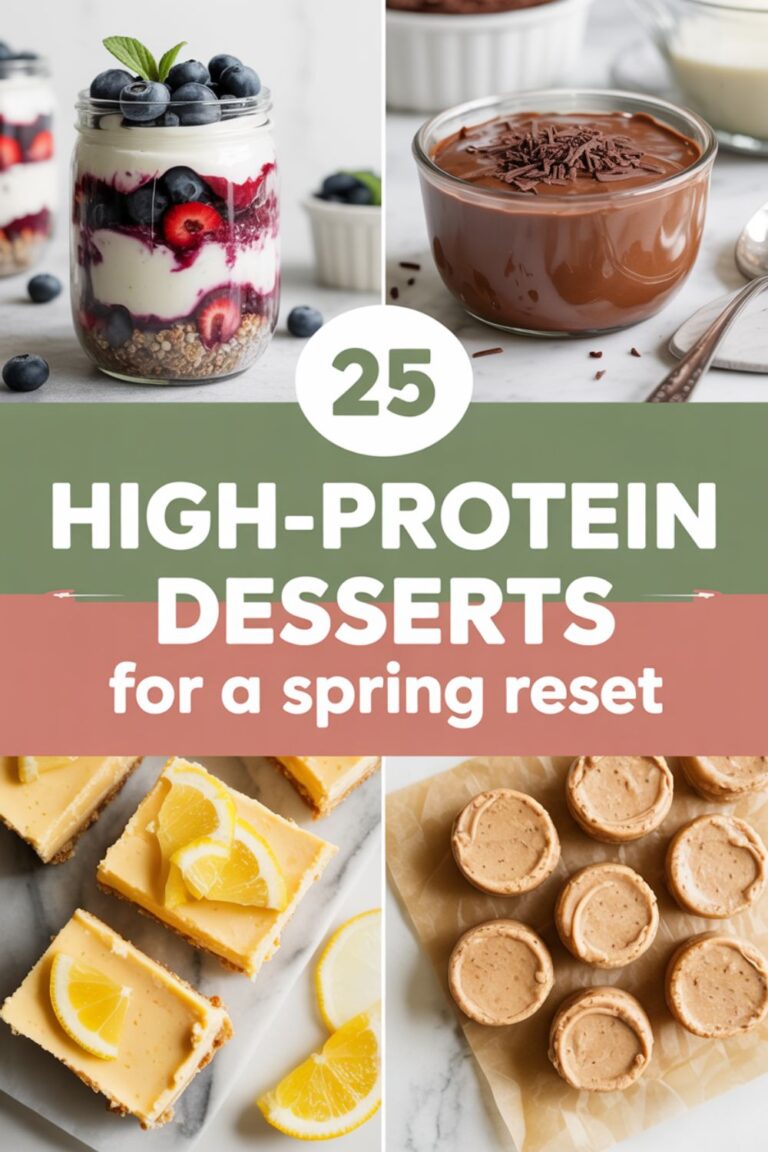
Greek yogurt, cream cheese, lemon zest, and vanilla protein powder layered over a simple almond flour crust. These look impressive enough for company but take like 15 minutes to make.
8. Berry Protein Ice Cream
Frozen berries, protein powder, and Greek yogurt blended in a high-speed blender until creamy. Eat immediately for soft-serve texture or freeze for scoopable ice cream.
For more ways to incorporate protein throughout your day, high-protein smoothies for muscle gain are fantastic post-workout options.
9. No-Bake Raspberry Tart
Crust made from crushed almonds and dates, filled with a raspberry-protein mixture made from blended cottage cheese. Sounds weird, tastes amazing. The cottage cheese provides high-quality protein that supports muscle maintenance.
10. Mango Coconut Protein Bites
Dried mango (the unsweetened kind), shredded coconut, vanilla protein powder, and coconut oil. Roll into balls and refrigerate. They taste like tropical vacation.
Quick Win: Make a double batch of any bite or ball recipe and freeze half. Future you will be grateful when you need a quick dessert.
Peanut Butter Paradise
11. Classic Peanut Butter Protein Balls
Oats, protein powder, peanut butter, and a tiny bit of honey or maple syrup. Mix, roll, done. I’ve been making these for years and still haven’t gotten tired of them.
12. Peanut Butter Protein Fudge
Melt together natural peanut butter, coconut oil, protein powder, and your sweetener of choice. Pour into a lined pan and freeze. Cut into squares. It’s dangerously good.
13. No-Bake Peanut Butter Pie
Greek yogurt and peanut butter whipped together with a bit of cream cheese for richness, sweetened with stevia, in an almond flour crust. This is one of those recipes people don’t believe is healthy until you tell them.
14. Chocolate Peanut Butter Protein Bark
Spread melted sugar-free chocolate on a silicone baking mat, drizzle with peanut butter, swirl it around, freeze it, break it into pieces. Store in the freezer for whenever cravings hit.
15. Peanut Butter Cookie Dough Bites
Made with chickpeas (stay with me), peanut butter, vanilla protein powder, and a bit of sweetener. They taste exactly like cookie dough. I dare you to try them before judging.
Creamy & Indulgent
16. Vanilla Protein Panna Cotta
Gelatin, unsweetened almond milk, vanilla protein powder, and stevia. Set in small ramekins. Top with fresh berries. Fancy restaurant vibes, minimal effort.
17. Tiramisu Protein Cups
Layers of coffee-soaked almond flour cookies, mascarpone mixed with protein powder, and cocoa powder on top. Not traditional tiramisu, but definitely captures the vibe.
18. Coconut Cream Protein Pie
Full-fat coconut cream (the solid part from canned coconut milk), vanilla protein powder, and shredded coconut in a date-nut crust. Refrigerate overnight. It’s like a healthier version of coconut cream pie.
If you’re looking for complete meal solutions that complement these desserts, high-protein meals for weight loss offers great main course options.
19. Cookies and Cream Protein Cheesecake
Greek yogurt, cream cheese, vanilla protein powder, and crushed sugar-free chocolate sandwich cookies. Layer in jars or spread in a pan. The cookies-and-cream flavor is always a hit.
20. Maple Pecan Protein Mousse
Blended silken tofu or Greek yogurt with maple-flavored protein powder (or vanilla with maple extract), topped with chopped pecans. The pecans add healthy fats and that satisfying crunch.
Unique & Unexpected
21. Matcha Protein Bites
Cashews, dates, matcha powder, vanilla protein powder, and a pinch of salt. The matcha gives you a gentle caffeine boost along with antioxidants. Roll in shredded coconut for presentation.
22. Chai Spice Protein Balls
Almond butter, protein powder, chai spices (cinnamon, cardamom, ginger, cloves), and a tiny bit of sweetener. These smell incredible and taste like fall.
23. Salted Caramel Protein Cups
Make a “caramel” from dates, almond butter, and sea salt. Layer with vanilla protein mixture. Freeze in muffin tins. They taste way more complicated than they are.
24. Pistachio Protein Bark
White chocolate (the sugar-free kind), vanilla protein powder, crushed pistachios, and a sprinkle of sea salt. Spread thin, freeze, break into pieces. Looks gorgeous, tastes better.
25. Cinnamon Roll Protein Bites
Cashew butter, vanilla protein powder, cinnamon, and a bit of cream cheese. Roll into balls and dust with more cinnamon. FYI, these are incredible with coffee.
Pro Tip: Invest in a kitchen scale if you’re serious about portion control. It takes the guesswork out of serving sizes.
Chocolate-Free Alternatives
26. Lemon Blueberry Protein Bars
Almond flour, protein powder, lemon zest, frozen blueberries, and a bit of coconut oil. Press into a pan, refrigerate, cut into bars. These are perfect for grab-and-go situations.
27. Apple Pie Protein Bites
Dried apples (unsweetened), vanilla protein powder, cinnamon, nutmeg, and almond butter. Tastes like apple pie filling in ball form.
Looking for savory high-protein options to balance out these sweets? high-protein dinners for fat loss has you covered.
28. Banana Bread Protein Cups
Mashed banana, protein powder, almond flour, walnuts, and cinnamon mixed and set in muffin tins. They don’t need baking, just refrigeration. The banana flavor gets stronger after a day in the fridge.
29. Carrot Cake Protein Balls
Shredded carrots, dates, walnuts, vanilla protein powder, and warm spices. The carrots add moisture and natural sweetness. Plus, you know, vegetables in dessert = health food, right?
30. Key Lime Protein Cheesecake Bars
Greek yogurt, cream cheese, lime juice and zest, vanilla protein powder, in a coconut-almond crust. Freeze, slice, and store in the freezer. They’re refreshing and satisfying without being too heavy.
Making These Work for Your Lifestyle
The beauty of these recipes is their flexibility. Most can be modified based on what you have on hand or your dietary preferences.
Dairy-free? Swap Greek yogurt for coconut yogurt. Use cashew cream instead of regular cream cheese. There are plant-based protein powders that work just as well as whey.
Nut allergy? Seeds can replace most nuts in these recipes. Sunflower seed butter works in place of peanut or almond butter. Pumpkin seeds can be ground into flour.
Vegan? Skip the dairy, use plant-based protein, and swap gelatin for agar-agar. Most of these adapt easily.
If you’re vegetarian and want more high-protein meal ideas, high-protein vegetarian meals has tons of options that even meat-lovers enjoy.
Studies indicate that higher protein intake may help with weight management by increasing satiety and helping maintain muscle mass during weight loss.
Storage and Meal Prep Tips
Most of these desserts actually get better after sitting in the fridge for a day. The flavors meld and the textures improve.
Refrigerator storage: Most of these keep for 5-7 days in airtight containers. Anything with fresh fruit should be eaten within 3-4 days.
Freezer storage: Nearly all of these freeze beautifully. I usually make big batches on Sunday and freeze portions. They thaw in about 30 minutes on the counter, or you can eat them frozen (some are even better that way).
Portion control: Use small containers or silicone muffin cups to pre-portion everything. This prevents the “I’ll just have one more” spiral that we all know too well.
For a complete approach to meal planning, high-protein meal prep ideas for the week provides a structured system that works.
Pro Tip: Label everything with the date you made it. Trust me on this. Future you won’t remember if those protein balls are from last week or last month.
Common Mistakes to Avoid
I’ve made every mistake possible with these recipes, so let me save you some trouble.
Using too much liquid: No-bake desserts need to set up properly, and extra liquid prevents this. Start with less than you think you need. You can always add more.
Not tasting as you go: Every brand of protein powder tastes different. Every batch of dates has different sweetness. Taste your mixture before setting it, because you can’t fix it later.
Skipping the chill time: I know it’s tempting to eat these immediately, but most need proper refrigeration to reach the right texture. Be patient.
Not blending cottage cheese enough: If you’re using cottage cheese as a base, blend it until it’s completely smooth. Any lumps will be noticeable in the final product.
Buying cheap protein powder: This is not the place to cut corners. Bad protein powder can ruin an otherwise great recipe. Invest in quality.
Nutritional Considerations
These desserts range from about 100-250 calories per serving, depending on the recipe. Protein content typically falls between 10-20 grams per serving.
The sugar content stays under 5 grams in most cases, with the majority coming from natural sources like fruit or dates rather than added sugars. Reducing added sugar intake has been linked to better metabolic health outcomes, including improved insulin sensitivity.
Most of these are also high in healthy fats from nuts, seeds, or coconut, which helps with satiety and provides essential fatty acids.
The fiber content varies but is generally good thanks to ingredients like oats, chia seeds, and nuts. Fiber slows sugar absorption and keeps you feeling full.
When to Eat These
These aren’t just after-dinner desserts. Here’s when they work best:
Post-workout: The protein helps with muscle recovery. Something like the chocolate protein mousse or berry protein ice cream hits the spot after a hard session.
Afternoon snack: Way better than reaching for chips or cookies. The protein and healthy fats keep your energy stable until dinner.
Breakfast: Yeah, I said it. Some of these (like the chia pudding or protein fluff) make perfectly acceptable breakfast foods.
Late-night craving: When you want something sweet before bed, these won’t spike your blood sugar and crash your sleep like traditional desserts might.
If you’re following a structured eating plan, 7-day high-protein meal plan can help you organize these desserts into your overall nutrition strategy.
Curated Collection: Meal Prep Essentials Used in These Recipes
After making these desserts for years, here’s what I keep stocked:
Physical Products:
- High-quality protein powder (both vanilla and chocolate)
- Silicone molds and muffin cups for portioning
- Glass meal prep containers for storage
Digital Resources:
- 14-Day High-Protein Weight Loss Plan – Complete guide with recipes and shopping lists
- 30-Day High-Protein Transformation Plan – Full PDF bundle with meal plans
- 7-Day High-Protein Low-Carb Meal Plan – Instant PDF download
Having these basics on hand means you can whip up any of these desserts on a whim without a special shopping trip.
Tools & Resources That Make Everything Easier
Beyond the recipes themselves, these tools and resources have made my high-protein journey so much smoother:
Kitchen Tools:
- Mini food processor for quick blending
- Kitchen scale for precise measurements
- Stackable storage containers for batch prep
Planning Resources: