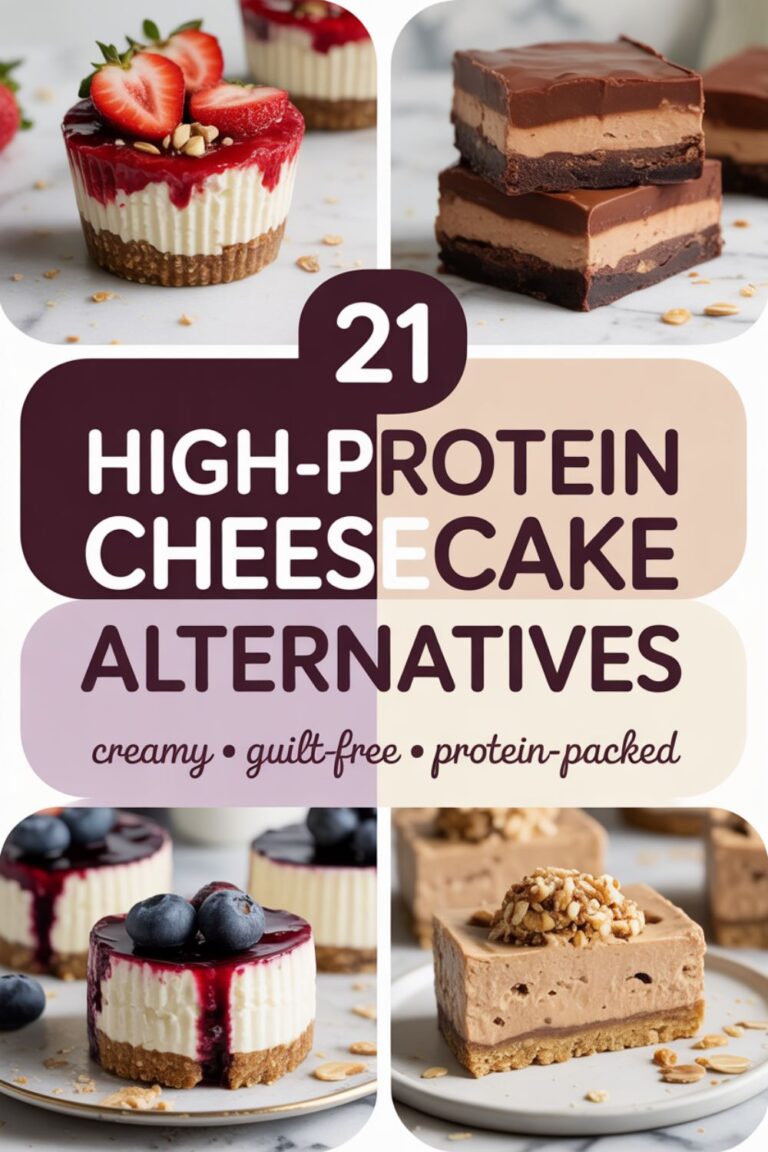
15 Low-Sugar Desserts for Guilt-Free Indulgence
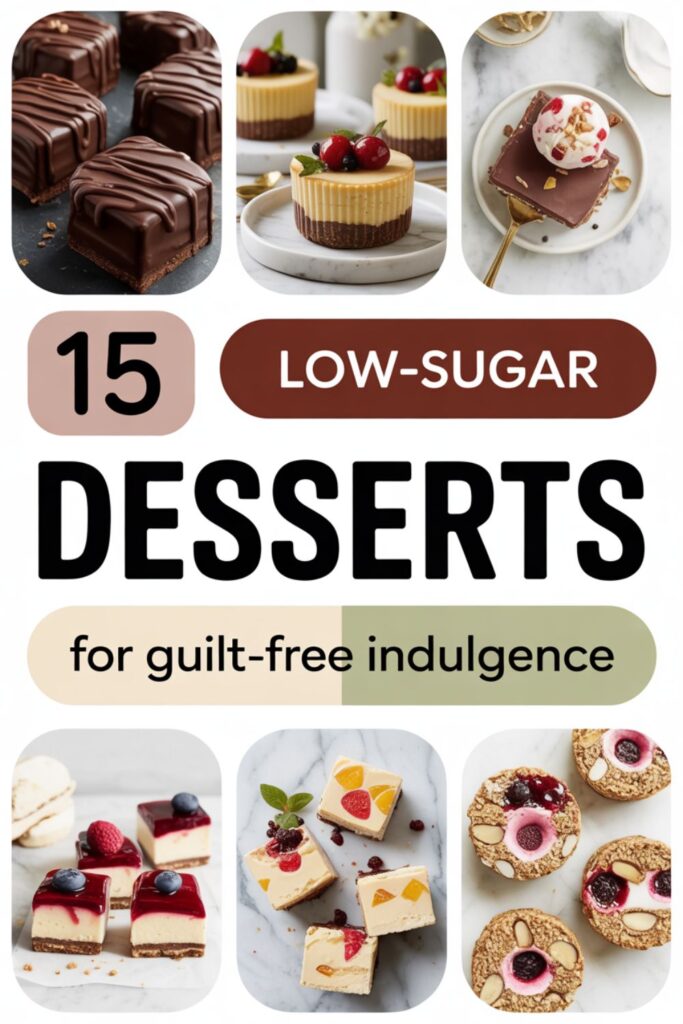
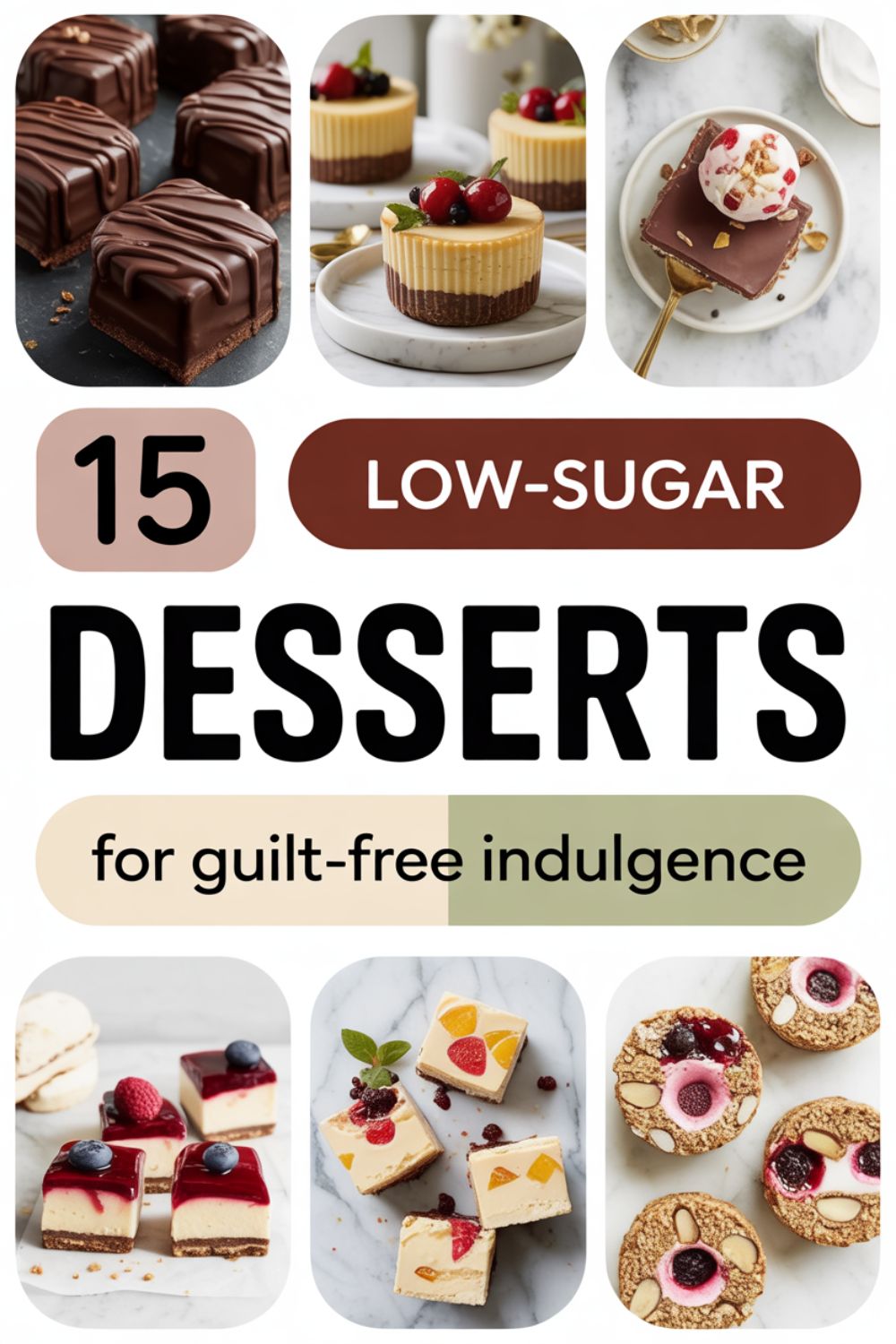
15 Low-Sugar Desserts for Guilt-Free Indulgence
Let’s be honest—dessert isn’t going anywhere. You can preach kale smoothies and chia pudding all day, but the second someone mentions chocolate, we’re all listening. The problem? Most desserts pack enough sugar to send your blood glucose on a roller coaster ride that would make Six Flags jealous.
But here’s the thing: cutting back on sugar doesn’t mean waving goodbye to everything delicious. I’ve spent the better part of two years figuring out how to satisfy my sweet tooth without feeling like I need a nap afterward. These 15 low-sugar desserts hit that sweet spot—literally—where you get the indulgence without the sugar crash or guilt spiral.
Whether you’re managing diabetes, trying to lose a few pounds, or just tired of feeling sluggish after dessert, these recipes prove you don’t have to choose between health and happiness. Trust me, your taste buds and your pancreas will thank you.
Why Low-Sugar Desserts Actually Matter
Before we get to the good stuff, let’s talk about why this matters. I’m not here to shame anyone about their sugar intake—life’s too short for that. But understanding what sugar does to your body makes it easier to make choices that feel good in the moment and hours later.
When you eat a traditional sugar-loaded dessert, research shows your blood sugar spikes dramatically, followed by an inevitable crash that leaves you tired and craving more sugar. It’s a vicious cycle that affects your energy, mood, and long-term health.
According to studies on metabolic health, consuming desserts with lower glycemic impact helps maintain steadier blood sugar levels throughout the day. The result? Better energy, fewer cravings, and improved metabolic markers over time.
The good news is that you don’t have to go full monk mode and swear off sweets forever. You just need smarter strategies. Low-sugar desserts work because they combine natural sweetness from fruits, healthy fats that slow digestion, and alternative sweeteners that don’t trigger the same metabolic chaos as refined sugar.
Understanding Sugar Alternatives
Not all sweeteners are created equal, and honestly, the options can feel overwhelming. I’ve tried them all—some worked, some tasted like chemical warfare in my mouth. Here’s what actually works.
Monk Fruit: The Overachiever
Monk fruit extract comes from a small round fruit native to Southern China. What makes it special? It’s 150-250 times sweeter than sugar but contains zero calories and doesn’t spike blood sugar. Unlike some alternatives, most people find it doesn’t have that weird chemical aftertaste.
I use this monk fruit sweetener for almost everything—it dissolves well and actually tastes like sugar. The only downside? It’s pricier than other options, but a little goes a ridiculously long way.
Stevia: Love It or Hate It
Stevia is the more controversial cousin in the sweetener family. It’s derived from the leaves of the stevia plant and is 200-300 times sweeter than sugar. Some people love it, others taste nothing but bitterness and regret.
If you’re team stevia, these liquid stevia drops work great in beverages and no-bake desserts. Just remember: a little goes a long way. I learned this the hard way when I made brownies that tasted like I’d licked a plant.
Allulose: The New Kid
Allulose is probably the closest thing to actual sugar without being actual sugar. It’s about 70% as sweet as table sugar but contains only 1/10th the calories. More importantly, it doesn’t cause the digestive issues that sugar alcohols often trigger.
The taste? Shockingly normal. If you’re baking and want results that closely mimic traditional recipes, this is your best bet.
For more quick and delicious options, check out these quick mug cakes that you can adapt with sugar alternatives.
15 Low-Sugar Desserts You’ll Actually Want to Eat
Alright, enough science. Let’s talk dessert. These recipes range from stupidly simple to “I can’t believe I made this myself” impressive. All of them keep sugar low without sacrificing taste.
1. Dark Chocolate Avocado Mousse
This one sounds weird. I get it. But avocado creates the creamiest, richest chocolate mousse you’ve ever tasted without any dairy or added sugar. The healthy fats slow digestion, keeping you satisfied longer.
Blend ripe avocado with high-quality cocoa powder, a splash of vanilla, your sweetener of choice, and a pinch of salt. Chill for an hour. That’s it. The texture rivals any fancy restaurant mousse, and each serving has only 3-4 grams of sugar depending on your sweetener.
See next: 12 Guilt-Free Desserts That Taste Like Indulgence →
2. Frozen Greek Yogurt Bark with Berries
This is my go-to when I need something sweet but don’t want to turn on the oven. Spread full-fat Greek yogurt on a silicone baking mat, swirl in some sugar-free jam or mashed berries, sprinkle with nuts or dark chocolate chips, and freeze.
Break it into pieces and keep it in the freezer for whenever the craving hits. Each piece has tons of protein from the yogurt and natural sweetness from berries. Pro tip: use this method with whatever fruit is in season.
See next: 27 Sugar-Free Easter Desserts That Actually Taste Amazing →
3. Almond Flour Brownies
These brownies fooled my sister, who’s a pastry chef. They’re dense, fudgy, and intensely chocolatey. Almond flour adds protein and healthy fats while keeping them gluten-free.
The secret is not overbaking them—take them out when they’re still slightly gooey in the center. I make a batch every Sunday and portion them out for the week. Each brownie has roughly 5 grams of sugar compared to 20+ in traditional versions.
You’ll want a decent 8×8 brownie pan for even baking. Trust me on this—flimsy pans give you crusty edges and raw middles.
See next: 30 High-Protein Low-Sugar No-Bake Desserts →
4. Chia Seed Pudding Three Ways
Chia pudding is having a moment, and honestly, it deserves the hype. Mix chia seeds with your choice of milk, add vanilla and sweetener, then let it sit overnight. The seeds absorb the liquid and create a tapioca-like pudding.
I make three versions: classic vanilla, chocolate (add cocoa powder), and matcha (add ceremonial grade matcha powder). Each version has different benefits but all are packed with fiber and omega-3s.
See next: 21 Sugar-Free Party Desserts That Will Actually Impress Your Guests →
Looking for more no-bake inspiration? These simple desserts that require no oven are perfect for hot summer days.
5. Baked Cinnamon Apples
Sometimes the simplest recipes are the best. Core an apple, stuff it with a mixture of nuts, cinnamon, and a tiny drizzle of honey or maple syrup, then bake until soft. The apple’s natural sweetness intensifies as it cooks.
Top with a dollop of plain Greek yogurt or sugar-free whipped cream. Each serving has about 12 grams of natural sugar from the apple—way less than traditional baked desserts—plus tons of fiber.
See next: 20 Low-Fat Desserts That Taste Like Indulgence →
6. Sugar-Free Peanut Butter Cups
Store-bought peanut butter cups have more sugar than actual peanut butter. Making your own is ridiculously easy and lets you control exactly what goes in them.
Melt sugar-free dark chocolate with a bit of coconut oil, pour into mini muffin silicone molds, add a dollop of natural peanut butter (the kind with just peanuts and salt), top with more chocolate, and freeze. Keep them in the freezer and grab one when you need a chocolate fix.
Each cup has less than 2 grams of sugar and satisfies cravings without the guilt spiral.
See next: 19 Sugar-Free Mother’s Day Sweets →
7. Coconut Flour Lemon Bars
Lemon bars are usually sugar bombs disguised as something elegant. This version uses coconut flour for the crust and a monk fruit-sweetened lemon curd. The result is tart, bright, and refreshing without being cloyingly sweet.
Coconut flour is absorbent as hell, so you need way less of it than regular flour. This keeps the bars light and not too dense. Plus, coconut flour adds fiber and a subtle tropical flavor that pairs perfectly with lemon.
See next: 20 Low-Sugar Spring Desserts That Feel Fresh →
Meal Prep Essentials Used in These Desserts
- Glass meal prep containers – Perfect for storing chia puddings and portioned desserts. I’ve had the same set for two years and they still look new.
- Digital kitchen scale – Game changer for accurate measurements when baking with alternative flours. Baking is chemistry, people.
- Mini food processor – Makes quick work of grinding nuts, blending dates, and creating smooth textures for energy balls.
- Low-Sugar Dessert eBook Bundle – 50+ tested recipes with nutritional breakdowns and meal prep instructions
- Keto Baking Conversions Chart – Printable guide for substituting traditional ingredients with low-sugar alternatives
- Monthly Recipe Club – Join our WhatsApp community for weekly recipe inspiration, tips, and member-only discounts
8. No-Churn Strawberry “Ice Cream”
Ice cream without an ice cream maker or tons of sugar? Sign me up. Blend frozen strawberries with a bit of heavy cream, vanilla, and your sweetener of choice until smooth and creamy.
You can eat it immediately for soft-serve consistency or freeze it for a few hours for scoopable ice cream. The natural pectin in strawberries gives it a smooth texture without ice crystals.
See next: 20 Low-Sugar Dessert Ideas for Diabetes-Friendly Eating →
If you’re into frozen treats, you’ll love these easy desserts you can freeze for later.
9. Dark Chocolate Bark with Sea Salt and Almonds
This is less of a recipe and more of an assembly project, but it’s so good. Melt sugar-free dark chocolate (look for 85% cocoa or higher), spread it thin on parchment paper, sprinkle with toasted almonds and flaky sea salt, then freeze.
Break it into irregular pieces for a fancy-looking dessert that takes literally 10 minutes. Each piece has minimal sugar but maximum chocolate flavor. I keep a stash in the freezer for emergencies.
See next: 27 Light & Guilt-Free Spring Sweets →
10. Protein-Packed Chocolate Mug Cake
When you need dessert NOW, mug cakes are clutch. Mix protein powder, cocoa powder, an egg, a splash of almond milk, and sweetener in a microwave-safe mug. Microwave for 60-90 seconds.
The protein powder keeps you full and adds structure to the cake. Just don’t overcook it or you’ll end up with chocolate rubber. Each mug cake has about 15 grams of protein and minimal sugar.
See next: 17 Guilt-Free Easter Party Treats →
11. Cashew Cream Panna Cotta
Panna cotta sounds fancy but it’s basically fancy pudding. Soak cashews overnight, blend them with coconut milk until silky smooth, add gelatin and sweetener, pour into ramekins, and chill.
The cashews create an unbelievably creamy texture without any dairy. Top with fresh berries or a drizzle of sugar-free chocolate sauce. Each serving feels indulgent but has only 4-5 grams of sugar.
See next: 12 Low-Sugar No-Bake Desserts →
12. Flourless Chocolate Torte
This is my go-to when I need to impress people. It’s rich, dense, and deeply chocolatey. The recipe uses only eggs, butter, sugar-free chocolate, and sweetener—no flour needed.
The key is using high-quality chocolate. Cheap chocolate makes cheap-tasting desserts. I spring for Lily’s sugar-free chocolate chips—they’re sweetened with stevia and actually taste good.
Serve it with whipped cream and berries for a restaurant-quality dessert that happens to be gluten-free and low-sugar.
See next: 25 Sugar-Free Desserts for Spring →
For more special occasion desserts, check out these birthday cake ideas that are easy to make—many can be adapted to lower-sugar versions.
13. Coconut Macaroons
These chewy, coconutty bites require only four ingredients: shredded coconut, egg whites, vanilla, and your preferred sweetener. They’re naturally gluten-free and each one has less than 1 gram of sugar.
The trick is using unsweetened shredded coconut—the pre-sweetened stuff defeats the purpose. Toast them until golden brown for maximum flavor.
See next: 12 Guilt-Free Desserts That Taste Like Indulgence →
14. Almond Butter Energy Balls
These no-bake bites are perfect for when you need something sweet but want to feel like you’re eating something healthy. Mix almond butter, coconut flour, sugar-free chocolate chips, and a touch of honey or monk fruit sweetener.
Roll into balls and refrigerate. They’re portable, satisfying, and each one has only 3-4 grams of sugar. I make a double batch every week and keep them in the fridge for snack attacks.
See next: 27 Sugar-Free Easter Desserts That Actually Taste Amazing →
15. Ricotta Mousse with Dark Chocolate Shavings
Ricotta isn’t just for lasagna. Whip it with a bit of heavy cream, vanilla, and sweetener until light and fluffy. It transforms into an airy mousse that’s surprisingly sophisticated.
Top with shaved dark chocolate and a pinch of cinnamon. The protein in ricotta makes this more filling than traditional mousse, and each serving has about 5 grams of sugar—mostly from the natural lactose in the cheese.
See next: 30 High-Protein Low-Sugar No-Bake Desserts →
If you’re looking for more quick dessert ideas, these 5-ingredient desserts are perfect when you’re short on time but need something sweet.
Tools & Resources That Make Low-Sugar Baking Easier
- Silicone baking mats – Nothing sticks to these. Ever. I use mine for everything from roasting vegetables to making chocolate bark.
- Adjustable measuring spoons – Because measuring out 1/8 teaspoon of stevia with regular spoons is annoying and imprecise.
- Electric hand mixer – Makes whipping egg whites and cream infinitely easier. My arm can only do so much.
- Sugar-Free Swaps Masterclass – Video course teaching you how to convert any traditional recipe to low-sugar versions
- Printable Dessert Meal Prep Planner – Weekly planning sheets to stay organized and avoid last-minute sugar binges
- Low-Sugar Baking Support Group – Join our WhatsApp community to swap recipes, troubleshoot baking disasters, and celebrate wins
Making Low-Sugar Desserts Part of Your Life
Look, I’m not going to pretend that switching to low-sugar desserts is always easy. There’s a learning curve. Your first batch of stevia-sweetened cookies might taste like sadness. You’ll probably overcook a mug cake or two. That’s fine. It’s part of the process.
The key is finding recipes that actually taste good to you, not just recipes that are “healthy.” Life’s too short for desserts that taste like punishment.
Start with one or two recipes from this list that sound appealing. Make them a few times until they become second nature. Then branch out and try more. Before you know it, you’ll have a rotation of go-to desserts that satisfy your cravings without the sugar overload.
The Protein Factor
One thing I’ve learned is that adding protein to desserts makes them infinitely more satisfying. Greek yogurt, protein powder, nut butters, eggs—they all contribute to that “I’m actually full” feeling that traditional desserts lack.
When desserts contain protein and healthy fats, they slow digestion and prevent the blood sugar roller coaster. You eat them, feel satisfied, and don’t spend the next two hours hunting for more food.
For savory protein inspiration that carries into sweet recipes, check out these desserts you can make with pantry staples.
Batch Cooking for Success
Here’s something nobody tells you about healthy eating: convenience matters more than perfection. If you’re starving and there’s nothing ready to eat, you’re ordering pizza. That’s just reality.
The desserts that actually stick in my rotation are the ones I can batch-cook and store. Things like energy balls, chia pudding, frozen yogurt bark—make them once, eat them all week.
Sunday afternoon is my designated dessert prep time. I spend maybe 45 minutes making 2-3 recipes, and then I’m set for the week. It’s way easier than trying to whip something up when I’m already craving sugar at 9 PM.
Common Mistakes to Avoid
Let me save you from the mistakes I’ve made over the past two years of low-sugar baking experimentation.
Over-Sweetening with Alternatives
Just because stevia and monk fruit don’t have calories doesn’t mean you should go wild with them. These sweeteners are incredibly concentrated. Using too much creates a weird chemical taste that ruins whatever you’re making.
Start with less than you think you need. You can always add more, but you can’t take it out once it’s mixed in.
Ignoring Fat Content
Low-sugar doesn’t automatically mean low-calorie, and that’s okay. The healthy fats in nuts, avocados, and full-fat dairy are what make these desserts satisfying. Don’t sabotage yourself by using fat-free everything in an attempt to make desserts “healthier.”
Fat slows digestion and helps you feel full. It’s your friend, not your enemy.
Expecting Identical Results
Low-sugar brownies won’t taste exactly like your grandma’s sugar-loaded recipe. They’ll taste different—sometimes better, sometimes just different. Go into it with an open mind instead of expecting perfection on the first try.
Give your taste buds time to adjust. After a few weeks of lower sugar intake, overly sweet desserts actually start tasting too sweet. Your palate recalibrates.
For kid-friendly options that use less sugar, try these easy desserts to make with kids.
The Science Behind the Sweet
Ever wonder why some desserts leave you satisfied while others just make you crave more sugar? It comes down to how different ingredients affect your body.
Traditional high-sugar desserts cause rapid spikes in blood glucose. Your pancreas responds by dumping insulin into your bloodstream to manage the sugar. The insulin does its job too well, causing your blood sugar to crash below where it started. This crash triggers cravings for more sugar to bring levels back up. And the cycle continues.
Research from Cleveland Clinic shows that desserts incorporating whole foods like fruits, nuts, and dark chocolate provide antioxidants and nutrients that support heart health while satisfying sweet cravings.
Low-sugar desserts break this cycle. By using fiber-rich ingredients, healthy fats, and protein, these desserts provide sustained energy without the dramatic blood sugar fluctuations. Studies indicate that adding protein and fat to sweet treats helps slow the breakdown of glucose and prevents those energy crashes.
What About Natural Sugars?
You’ll notice that several of these recipes use fruits, which contain natural sugars. Here’s the difference: fruits come packaged with fiber, vitamins, and minerals that slow sugar absorption and provide actual nutritional value.
An apple has about 19 grams of sugar, but it also has 4 grams of fiber and tons of vitamins. That fiber slows digestion and prevents the blood sugar spike you’d get from 19 grams of refined sugar. Your body processes them completely differently.
That said, I’m not suggesting you go nuts with fruit in desserts. Even natural sugar adds up. The recipes in this article balance fruit with other ingredients to keep total sugar moderate.
Speaking of balance, if you need more quick inspiration, these easy desserts you can make in under 30 minutes are lifesavers on busy weeknights.
Frequently Asked Questions
Can I still eat dessert if I have diabetes?
Absolutely. The key is choosing desserts that won’t cause dramatic blood sugar spikes. Low-sugar desserts using alternative sweeteners and incorporating protein and healthy fats are generally safe options. That said, everyone’s blood sugar responds differently, so monitor your levels and work with your healthcare provider to find what works for your body. The recipes in this article are designed to minimize blood sugar impact while still tasting delicious.
Do sugar alternatives really taste like regular sugar?
Honestly? No, not exactly. Monk fruit and allulose come closest to replicating sugar’s taste, while stevia can have a slightly bitter or licorice-like aftertaste that some people notice. The good news is that your taste buds adapt over time. After a few weeks of using alternatives, you stop noticing the difference as much. IMO, allulose is your best bet if you’re really particular about taste, though it’s pricier than other options.
Will low-sugar desserts help me lose weight?
They can be part of a weight loss strategy, but they’re not magic. Cutting sugar reduces empty calories and helps stabilize blood sugar, which can reduce cravings and make it easier to maintain a calorie deficit. But you can still overeat low-sugar desserts—especially since many contain calorie-dense ingredients like nuts and chocolate. The real benefit is that these desserts are more satisfying, so you’re less likely to binge or spend all evening grazing.
Are these desserts safe for kids?
Most low-sugar desserts are perfectly safe for kids, though you should check with your pediatrician if you have concerns. Some sweeteners like monk fruit and stevia are generally recognized as safe for children, while others like sugar alcohols might cause digestive issues in larger amounts. The fruit-based desserts like baked apples or frozen yogurt bark are great options for kids since they rely mainly on natural sweetness.
How long do these desserts keep?
It depends on the recipe. Frozen treats like yogurt bark and ice cream keep for several months in the freezer. Refrigerated items like chia pudding and energy balls last about a week. Baked goods are best within 3-4 days but can often be frozen for longer storage. I always recommend making smaller batches more frequently rather than trying to prep a month’s worth at once—fresher tastes better anyway.
Final Thoughts
Here’s what I want you to take away from this: eating low-sugar desserts doesn’t mean depriving yourself or choking down sawdust-flavored protein bars. It means making smarter choices that let you enjoy sweetness without the metabolic chaos that comes with traditional desserts.
You don’t have to be perfect. You don’t have to swear off regular desserts forever. But having a repertoire of low-sugar options means you have choices. On a random Tuesday when you need something sweet, you can whip up a chocolate mug cake in 90 seconds instead of eating half a pint of ice cream and feeling gross afterward.
The recipes in this article aren’t punishment food or “diet” desserts. They’re legitimately delicious treats that happen to be lower in sugar. Some will become staples in your rotation. Others might not be your thing, and that’s fine. Experiment, find what works for you, and build your own collection of go-to recipes.
Your relationship with dessert doesn’t have to be all-or-nothing. With the right recipes and a bit of prep work, you can satisfy your sweet tooth while actually feeling good about your choices. And honestly? That’s a pretty sweet deal.