20 Healthy Desserts for Weight Loss (That Don’t Taste Like Cardboard)
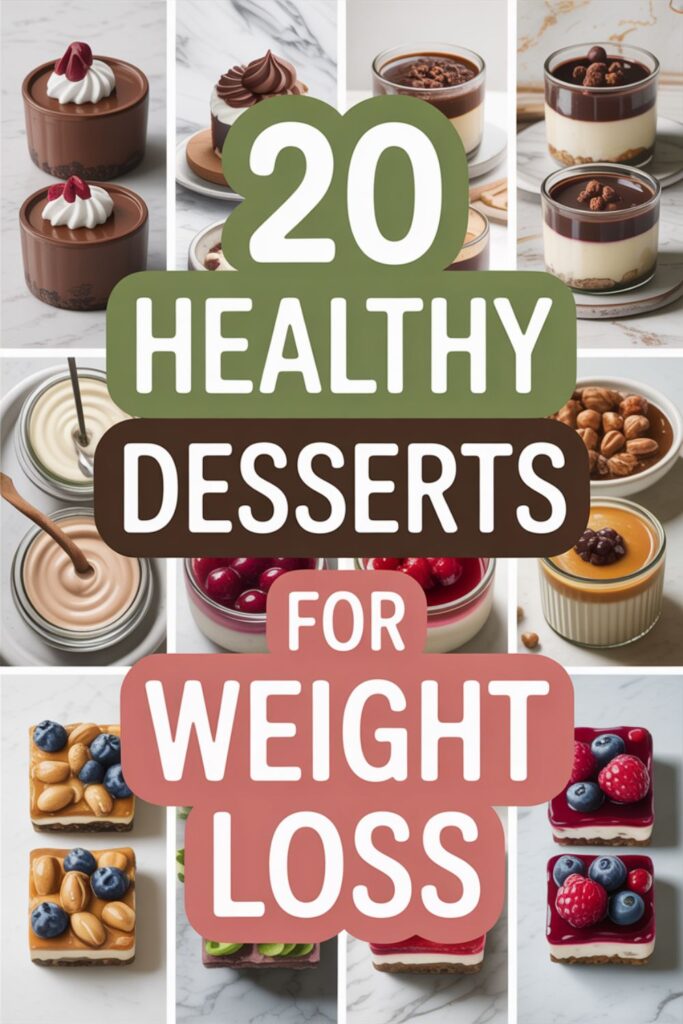
20 Healthy Desserts for Weight Loss (That Don’t Taste Like Cardboard)
Look, I’m gonna level with you right from the start: if you think weight loss means choking down bland, joyless “treats” that taste like compressed sawdust, you’re doing it all wrong. I spent years buying into that whole deprivation mindset, and let me tell you, it sucked. Hard.
Here’s the thing nobody tells you about sustainable weight loss—it’s not about punishing yourself. It’s about finding desserts that actually taste good while keeping you on track with your goals. No fake sugar aftertaste, no weird textures, and definitely no pretending that frozen bananas are “just like ice cream” (they’re not, and we all know it).
I’ve tested, tweaked, and taste-tested my way through countless healthy dessert recipes. Some were disasters. Some were surprisingly amazing. The 20 I’m sharing today? These are the keepers—the ones I actually crave, the ones that don’t leave me feeling deprived or diving face-first into a pint of Ben & Jerry’s at midnight.
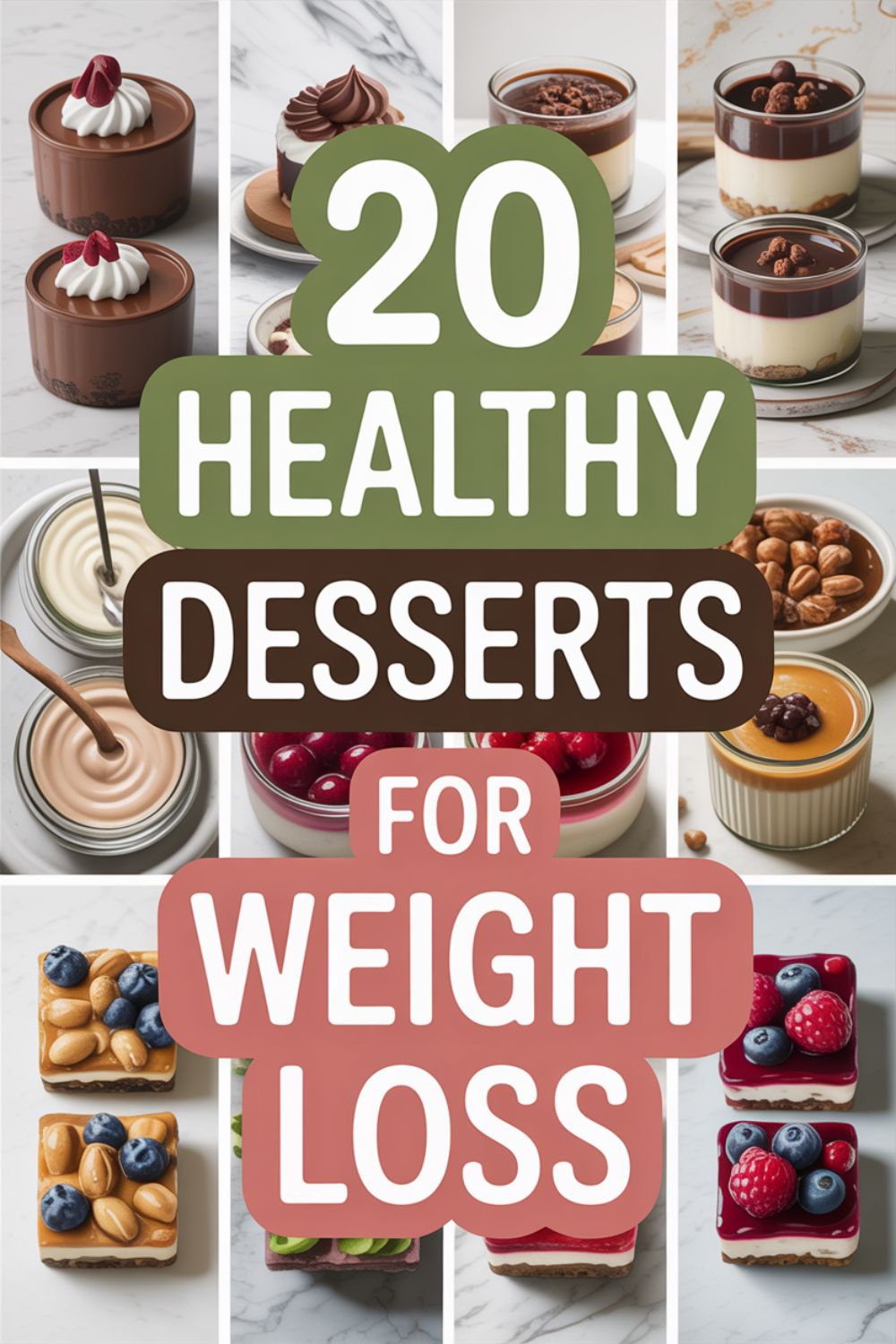
Why Most “Healthy Desserts” Fail
Before we get into the good stuff, let’s talk about why so many healthy dessert attempts end up in the garbage disposal. It usually comes down to three major mistakes.
First, people try to eliminate all sweetness. Your body craves sweet flavors, and completely denying that craving just sets you up for a binge later. The trick is using natural sweeteners strategically—dates, maple syrup, honey, or even ripe bananas can provide sweetness without the refined sugar crash.
Second mistake? Texture matters, and most recipes ignore it completely. A dessert needs to feel indulgent in your mouth. That’s why adding nuts, dark chocolate chips, or using full-fat Greek yogurt can make all the difference between “meh” and “oh wow, this is actually good.”
Third, portion sizes get out of control. FYI, even healthy ingredients have calories. That “energy ball” you made? If it’s the size of a tennis ball, you’re probably eating 300+ calories in what should be a 100-calorie treat. This is where having a small kitchen scale becomes your best friend.
The Science Behind Satisfying Sweet Cravings
Here’s something I wish I’d understood years ago: not all desserts trigger the same response in your body. Research shows that desserts high in protein and fiber keep you satisfied longer and prevent blood sugar spikes that lead to more cravings.
Think about it this way—a regular brownie gives you a quick sugar rush followed by a crash that leaves you hunting for more sweets within an hour. But a protein-rich chocolate treat? That satisfies your craving AND keeps you full. Game changer.
The key is combining three elements: protein (from Greek yogurt, protein powder, or nut butters), healthy fats (from nuts, seeds, or avocado), and fiber (from fruits, oats, or whole grains). When you hit all three, your dessert becomes a functional food that supports your weight loss instead of sabotaging it.
Pro Tip
Prep your dessert ingredients Sunday night—portion out your Greek yogurt, chop your fruit, and measure your toppings. Thank yourself all week when you have grab-and-go options that keep you from hitting the vending machine.
20 Healthy Desserts That Actually Deliver
Alright, enough talk. Let’s get into the actual desserts. I’m organizing these by type so you can find exactly what you’re craving, whether it’s frozen, chocolatey, fruity, or baked.
Frozen Treats (Because Sometimes You Just Need Ice Cream)
1. Banana Nice Cream
Okay, I know I just said frozen bananas aren’t “just like ice cream,” but hear me out. When you blend frozen bananas with a splash of almond milk and a spoonful of natural peanut butter, something magical happens. The texture becomes legitimately creamy, and you can customize it endlessly. Add cocoa powder for chocolate, blend in fresh strawberries, or swirl in some sugar-free caramel sauce.
2. Greek Yogurt Bark
This is ridiculously easy and looks fancy enough to serve guests. Spread full-fat Greek yogurt on a silicone baking mat, top with berries and dark chocolate chips, freeze until solid, then break into pieces. Each piece has about 60 calories and packs in protein. Get Full Recipe.
3. Protein Popsicles
Blend your favorite protein powder with almond milk, pour into popsicle molds, and freeze. Add fresh fruit chunks before freezing for extra flavor and texture. These are perfect for summer and keep you feeling full way longer than regular popsicles.
4. Chocolate Avocado Mousse Pops
Don’t run away—avocado makes this mousse insanely creamy without the heavy cream. Blend ripe avocados, cocoa powder, maple syrup, and vanilla, then freeze in small cups with popsicle sticks. Nobody will guess there’s avocado in them, I promise.
Looking for more frozen treats to fill your freezer? Check out these 20 easy desserts you can freeze for later and this collection of quick mug cakes when you need something warm instead.
Chocolate Desserts (Because Life Without Chocolate Is Not Worth Living)
5. Dark Chocolate Dipped Strawberries
Simple, elegant, and surprisingly filling. Melt dark chocolate (70% cacao or higher) and dip fresh strawberries. The antioxidants in dark chocolate plus the fiber in berries make this a genuinely healthy choice. Three strawberries clock in around 90 calories.
6. Chocolate Chia Pudding
Mix chia seeds with almond milk, cocoa powder, and a touch of honey. Let it sit overnight in the fridge. The chia seeds create this amazing pudding texture while packing in omega-3s and fiber. Top with sliced almonds for crunch.
7. Protein Brownies
Real talk: most protein brownies taste like chalky disappointment. But when you use black beans as the base (trust me), add eggs, cocoa powder, and a scoop of chocolate protein powder, you get genuinely fudgy brownies. Get Full Recipe.
8. Two-Ingredient Chocolate Truffles
Dates plus cocoa powder. That’s it. Blend pitted Medjool dates with cocoa powder until it forms a dough, roll into balls, dust with more cocoa. Each truffle has natural sweetness from the dates and feels incredibly indulgent for about 50 calories.
Fruit-Based Desserts (Sweet, Light, and Totally Satisfying)
9. Baked Cinnamon Apples
Core an apple, stuff it with a mixture of oats, cinnamon, and a tiny drizzle of honey, then bake until tender. Your house will smell amazing, and you’ll get all that apple fiber plus the warmth of cinnamon, which actually helps regulate blood sugar. I use this apple corer tool to make prep super quick.
10. Berry Compote Over Greek Yogurt
Simmer frozen berries with a splash of water and lemon juice until they break down into a thick sauce. Pour over plain Greek yogurt. The tartness of the yogurt balances the sweet berries perfectly, and you’re getting protein plus antioxidants. Way better than store-bought flavored yogurt packed with sugar.
11. Grilled Peaches with Honey and Mascarpone
Cut peaches in half, grill until caramelized, top with a small dollop of mascarpone and a drizzle of honey. The grilling intensifies the peach sweetness naturally, so you barely need any added sweetener.
12. Watermelon “Pizza”
Slice watermelon into rounds, spread with Greek yogurt, top with berries, shredded coconut, and chopped nuts. It’s fun, refreshing, and feels like a treat without being heavy. Perfect for summer afternoons.
If you’re into quick desserts that don’t require planning, you’ll love these 25 easy desserts you can make in under 30 minutes and these simple desserts that require no oven.
Creamy Desserts (When You Need Something Rich)
13. Cottage Cheese Fluff
Blend cottage cheese until completely smooth (this is crucial—use a high-speed blender if you have one), then fold in sugar-free pudding mix. It creates this incredibly fluffy, mousse-like texture with 20+ grams of protein per serving. Top with fresh berries.
14. Coconut Chia Pudding
Use coconut milk instead of regular milk for chia pudding. The healthy fats keep you satisfied, and you can layer it with mango chunks for a tropical vibe. IMO, this beats regular pudding any day.
15. Ricotta Honey Bowl
Whip ricotta cheese with a touch of honey and vanilla, top with toasted almonds and a drizzle of melted dark chocolate. It’s like Italian dessert but with way more protein and way less guilt.
Baked Goods (Yes, You Can Still Have Baked Desserts)
16. Almond Flour Cookies
Replace regular flour with almond flour, use coconut oil instead of butter, and sweeten with mashed bananas or applesauce. These cookies have healthy fats and protein that regular cookies lack. Plus, they’re naturally gluten-free if that matters to you.
17. Protein Muffins
My go-to recipe uses oat flour, protein powder, Greek yogurt, and blueberries. Each muffin has about 10 grams of protein and tastes like actual muffins, not cardboard masquerading as baked goods. Get Full Recipe.
18. Sweet Potato Brownies
Mashed sweet potato adds moisture and natural sweetness to brownies while sneaking in some extra fiber and vitamins. Mix with cocoa powder, eggs, and a touch of maple syrup. The texture is dense and fudgy—exactly what brownies should be.
19. Apple Crisp Cups
Dice apples, toss with cinnamon, portion into muffin tins, top with an oat-almond mixture, and bake. These individual portions make it easy to control serving sizes, and you get that warm, comforting apple crisp feeling without making a whole pan you’ll devour in one sitting.
20. Banana Oat Cookies
Mash ripe bananas, mix with oats, add dark chocolate chips and walnuts, bake. That’s it. No flour, no eggs, no refined sugar. They’re more like energy bites in cookie form, and they’re genuinely good for breakfast or dessert.
Quick Win
Keep portioned-out servings of your favorite healthy dessert in the freezer. When cravings hit, you’ll reach for those instead of delivery apps. Future you will be grateful.
The Real Talk About Portion Control
Here’s where I’m gonna get real with you: even the healthiest dessert can derail your progress if you eat half a pan of it. I learned this the hard way with those energy balls everyone raves about. Made a batch, ate seven in one sitting, and wondered why my weight wasn’t budging. Turns out, 700 calories of “healthy” snacks still equals 700 calories.
The solution isn’t deprivation—it’s awareness. When you make these desserts, immediately portion them out. Put single servings in containers or bags. When you want dessert, you grab one portion, enjoy it fully, and you’re done. No mindlessly eating while standing at the counter.
Another trick? Eat your dessert slowly. Put your spoon down between bites. Actually taste what you’re eating instead of inhaling it. This isn’t just woo-woo advice—eating slowly gives your brain time to register satisfaction signals from your stomach. You’ll feel more satisfied with less food.
Want to keep things super simple? These 5-ingredient desserts and 3-ingredient desserts prove you don’t need complicated recipes to make something delicious.
Ingredient Swaps That Actually Work
Not every substitution works, but some are genuinely brilliant. Greek yogurt can replace sour cream, heavy cream, or even mayonnaise in many dessert recipes while adding protein. Unsweetened applesauce can replace half the oil or butter in baked goods—you’ll barely notice the difference.
For sweeteners, dates are my favorite discovery. They’re whole fruit, so you get fiber along with the sweetness. Mash them into smoothies, blend them into energy balls, or puree them into brownie batter. Maple syrup and honey are still sugars, but at least they contain trace minerals and antioxidants that white sugar doesn’t.
Nut butters versus regular butter? Nut butters add protein and healthy fats. Almond butter has a mild flavor that works in most recipes, while peanut butter is stronger but pairs perfectly with chocolate. Just watch out for brands with added sugar—you want nuts and maybe salt, that’s it.
One swap I don’t recommend? Most artificial sweeteners in baked goods. They change the texture and often leave an aftertaste. If you want to reduce sugar, reduce the amount slightly and add extra vanilla, cinnamon, or other warm spices to boost perceived sweetness.
Making Healthy Desserts Kid-Friendly
Got kids? They’re surprisingly open to healthier desserts if you present them right. Don’t announce “This is healthy!”—kids hear that as code for “This tastes bad.” Just make it, serve it, and let the dessert speak for itself.
Get them involved in making it. Kids who help create something are way more likely to eat it. Let them mash bananas for nice cream, stir the chia pudding, or decorate the yogurt bark. It becomes fun family time instead of a lecture about nutrition.
The fruit desserts usually win with kids—especially anything they can eat with their hands like frozen yogurt bark, fruit kebabs, or apple “nachos” (apple slices topped with nut butter and dark chocolate chips). If you’re looking for more kid-friendly options, check out these 12 easy desserts to make with kids.
Meal Prep Essentials Used in These Recipes
- Glass meal prep containers with lids – Perfect for portioning out chia puddings and parfaits
- Silicone popsicle molds – Makes portion control automatic for frozen treats
- High-speed blender – Essential for smooth nice cream and cottage cheese desserts
- Pantry Staples Guide – Stock these ingredients for always-ready desserts
- Portable Dessert Ideas – Perfect for busy weeks
- Healthy Celebration Treats – For special occasions without derailing progress
Common Mistakes to Avoid
Let me save you from the mistakes I made when I first started making healthier desserts. First major mistake: thinking that because it’s “healthy,” you can eat unlimited amounts. Calories still count, even when they come from dates and almond butter.
Second mistake? Not tasting as you go. Healthy desserts often need adjustments—a little more sweetener here, an extra pinch of salt there. Salt especially is underrated in desserts. It enhances sweetness and makes flavors pop. Don’t skip it.
Third, don’t try to make everything zero-calorie. Some recipes need real ingredients to work properly. A tablespoon of real maple syrup in a recipe that makes 12 servings? That’s totally fine. Using a whole bottle because “it’s natural”? Not fine.
Also, temperature matters more than you think. Frozen desserts need to sit at room temperature for a few minutes to reach the right texture. Baked goods are best slightly underdone if you want them fudgy. Pay attention to these details—they transform good desserts into great ones.
Pro Tip
Buy ingredients in bulk when possible. Almond flour, protein powder, and chia seeds seem expensive per bag, but the cost per serving is actually quite low. Plus, having them on hand means you’re always ready to make something healthy instead of ordering pizza.
Building Your Healthy Dessert Routine
Here’s what works for me: I pick two or three desserts each week, make batches on Sunday, and portion them out immediately. Some go in the fridge, some in the freezer. That way, I always have options without spending time cooking every single night.
I also keep emergency ingredients on hand—frozen bananas for nice cream, dark chocolate for when I need something immediately, and dates for quick energy balls. These staples mean I’m never more than five minutes away from a satisfying dessert.
Track which desserts actually keep you satisfied. Some people find fruit-based desserts leave them wanting more, while others feel perfectly satisfied. Some need chocolate daily, others prefer it occasionally. There’s no one-size-fits-all approach—pay attention to what works for your body.
And here’s the controversial opinion: sometimes, you should just eat the regular dessert. If it’s your birthday, have the cake. If you’re on vacation, try the local specialty. The goal isn’t perfection—it’s building a sustainable approach to eating that you can maintain long-term.
Tools & Resources That Make Cooking Easier
- Digital food scale – Takes the guesswork out of portions
- Silicone baking mats – Nothing sticks, cleanup is instant
- Mini food processor – Perfect for small batches of energy balls and date paste
- Healthy Meal Planning App – Digital tool for tracking macros and planning weekly desserts
- Recipe Organization System – Digital cookbook for saving your favorite variations
- WhatsApp Community for Healthy Eating – Share wins, get support, swap recipe ideas
The Psychology of Sustainable Eating
The biggest reason most diets fail? They’re miserable. You can white-knuckle your way through restriction for a few weeks, maybe even a few months. But eventually, you’ll crack. And when you do, the pendulum swings hard in the opposite direction.
Including desserts you actually enjoy prevents that all-or-nothing mentality. When you know you can have something sweet every day, the urgency disappears. You’re not “being good” or “being bad”—you’re just eating like a normal human who happens to be making thoughtful choices.
This is backed by nutrition research too. Studies show that people who include moderate amounts of treats in their eating plans stick with those plans way longer than people who try to eliminate sweets entirely. It’s not weakness—it’s sustainability.
Think long-term. Will you still be making these desserts a year from now? Five years? If not, adjust your approach. The best eating plan is the one you can actually maintain.
Frequently Asked Questions
Can I really eat dessert every day and still lose weight?
Absolutely, as long as you’re staying within your calorie goals. A 150-200 calorie dessert fits easily into most weight loss plans. The key is planning for it rather than treating it as an afterthought that blows your daily targets.
Are sugar-free desserts better for weight loss?
Not necessarily. Many sugar-free desserts use artificial sweeteners that can trigger cravings for more sweets. Plus, when manufacturers remove sugar, they often add extra fat to maintain flavor. Focus on portion-controlled desserts with natural ingredients rather than chasing “sugar-free” labels.
How do I stop eating the whole batch in one sitting?
Portion immediately after making. Put single servings in containers before you even taste one. Keep only one portion accessible and freeze or hide the rest. Also, eat slowly and mindfully—actually taste what you’re eating instead of inhaling it while scrolling on your phone.
What if I don’t like Greek yogurt?
Try cottage cheese blended smooth instead—it has similar protein content with a milder flavor. Or use protein powder mixed with a small amount of milk or nut butter. The goal is getting protein into your desserts, and there are multiple ways to achieve that.
Are these desserts actually filling or will I still want more?
The desserts with protein, healthy fats, and fiber (like the chia puddings, Greek yogurt options, and nut-based treats) are genuinely filling. Purely fruit-based desserts might leave you wanting more—everyone’s different. Experiment to find which ones keep you satisfied.
Final Thoughts
Here’s what I want you to take away from this: weight loss doesn’t have to be miserable. You don’t have to choose between enjoying dessert and reaching your goals. The key is finding treats that satisfy you while supporting your progress, not sabotaging it.
Start with one or two recipes that sound genuinely appealing to you. Make them, adjust them to your taste, and see how they fit into your routine. Don’t try to overhaul everything at once—that’s a recipe for burnout.
Pay attention to what your body tells you. If a dessert leaves you satisfied for hours, make it again. If it triggers more cravings, try something else. You’re building a personalized approach to eating that works for your body, your lifestyle, and your taste preferences.
And remember: the best dessert is the one you’ll actually make and enjoy. Not the one that looks prettiest on Pinterest or has the most impressive nutrition stats. Focus on sustainable habits, not perfection. That’s how you make progress that actually lasts.