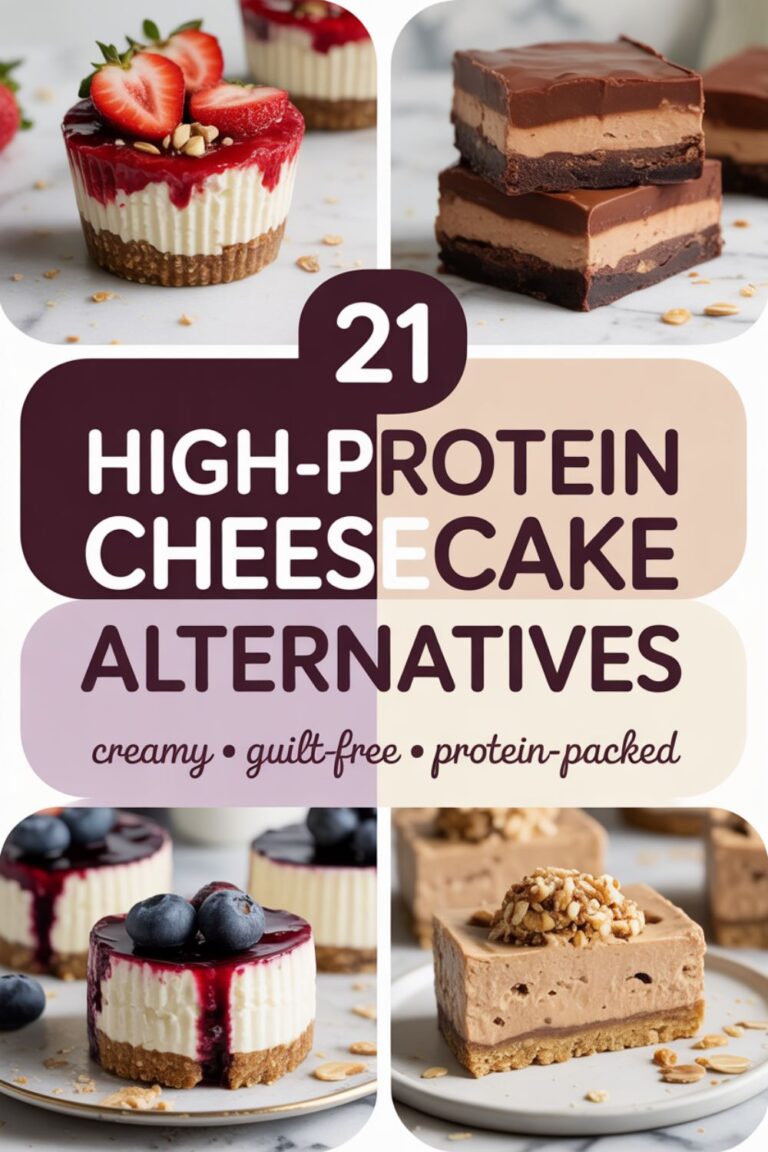
15 High-Fiber Desserts for a Healthier Sweet Tooth
Look, I’m not about to pretend that desserts are some kind of superfood. But here’s the thing—if you’re going to eat something sweet anyway, why not make it work a little harder for you? High-fiber desserts are like the overachievers of the sweet world. They give you that sugar rush you’re craving while also keeping your gut happy and your blood sugar from going on a rollercoaster ride.
Most people barely scrape together half the recommended 25-38 grams of fiber they need each day. That’s a problem because fiber isn’t just about keeping things moving, if you know what I mean. It feeds the good bacteria in your gut, helps control your appetite, and even plays a role in managing cholesterol levels. So yeah, sneaking some extra fiber into your brownie is actually a pretty smart move.

Why Fiber in Desserts Actually Makes Sense
Before we get into the recipes, let’s talk about why this isn’t just another health fad. When you eat regular desserts—think white flour, refined sugar, the works—your blood sugar spikes faster than you can say “sugar crash.” But when you add fiber into the mix, it slows down how quickly your body absorbs all that sugar. Fiber creates a gel-like substance in your digestive system that essentially puts the brakes on digestion.
Plus, fiber makes you feel fuller for longer. Ever notice how you can demolish an entire sleeve of cookies and still feel hungry twenty minutes later? That’s because there’s nothing in those cookies to signal to your brain that you’re actually satisfied. Fiber changes that equation completely. It’s why a handful of almonds keeps you going way longer than a candy bar, even if they have similar calorie counts.
The Secret Weapons of High-Fiber Baking
Okay, so you’re sold on the idea. But how do you actually make desserts that taste good AND pack in the fiber? It starts with swapping out the usual suspects for ingredients that pull double duty. Here are my go-to fiber bombs:
- Almond flour: This stuff is basically magic. It’s got about 3 grams of fiber per quarter cup, plus it makes everything taste rich and nutty. I use this fine-ground almond flour for basically all my baking now.
- Oats: Old-fashioned or steel-cut oats are your best bet. They’ve got both soluble and insoluble fiber, which means they’re working overtime in your digestive system.
- Chia seeds: These little guys absorb like ten times their weight in water and turn into a gel. Throw them in puddings, blend them into smoothies, or use them as an egg substitute in vegan baking.
- Cacao powder: The unsweetened kind, not the sugary cocoa mix your mom used to make. Real cacao has about 2 grams of fiber per tablespoon, plus it’s loaded with antioxidants.
- Dates: Nature’s candy, but with actual nutritional value. They’re sticky and sweet, perfect for binding no-bake treats together. I keep these Medjool dates in my pantry at all times.
The comparison between almond flour and coconut flour is worth mentioning here too. Coconut flour has way more fiber—around 5 grams per two tablespoons—but it’s also incredibly absorbent. If you try to swap it one-to-one with regular flour, you’ll end up with something that tastes like sawdust. Use it sparingly or follow recipes specifically designed for coconut flour.
15 High-Fiber Desserts That Don’t Taste Like Cardboard
1. Dark Chocolate Avocado Brownies
I know what you’re thinking. Avocado? In brownies? Trust me on this one. The avocado replaces butter and adds a creamy texture you wouldn’t believe, plus it brings about 3 grams of fiber per serving. Mix ripe avocados with cacao powder, a bit of almond flour, eggs, and maple syrup. You won’t taste the avocado at all, just rich, fudgy chocolate. Get Full Recipe.
2. Three-Ingredient Banana Oat Cookies
This is my lazy Sunday recipe. Mash two ripe bananas, stir in a cup and a half of oats, throw in some dark chocolate chips or walnuts if you’re feeling fancy, and bake. That’s it. The bananas provide natural sweetness and the oats deliver about 4 grams of fiber per cookie. Plus, you can mix in whatever add-ins you want—dried cranberries, coconut flakes, cacao nibs. Get Full Recipe.
3. Chia Seed Pudding with Berry Compote
Chia pudding is one of those things that sounds way fancier than it actually is. Mix three tablespoons of chia seeds with a cup of your preferred milk—I use unsweetened almond milk—add a touch of vanilla and maple syrup, and let it sit in the fridge overnight. In the morning, you’ve got a pudding with about 10 grams of fiber per serving. Top it with a quick berry compote made from frozen berries simmered with a little lemon juice. The whole thing takes maybe five minutes of actual work.
Speaking of breakfast-style desserts, you might also love high-protein overnight oats or this berry-packed granola parfait—both are perfect for when you want something sweet that doubles as breakfast.
4. Black Bean Brownies
Another sneaky legume dessert, I know. But hear me out—black beans make brownies incredibly moist and fudgy, and one serving packs in about 6 grams of fiber. You’ll need a food processor for this one. Blend cooked black beans (drained and rinsed) with eggs, cocoa powder, a bit of oil, and your sweetener of choice. Bake until they’re just set in the middle. Nobody will guess there are beans in these unless you tell them. I use this compact food processor that doesn’t take up half my counter.
5. Whole Grain Apple Crisp
Apple crisp is already pretty healthy as far as desserts go, but you can boost it even more. Use a mix of oats and whole wheat flour for the topping, add some chopped walnuts or pecans, and don’t go overboard with the sugar—the apples are sweet enough. The combination of fruit and whole grains gives you a solid fiber hit, plus all those antioxidants from the apples. Get Full Recipe.
6. Peanut Butter Energy Balls
These no-bake treats are my answer to the 3 PM sugar craving. Mix peanut butter (or almond butter if you want to be fancy), oats, a drizzle of honey, some chia seeds, and mini chocolate chips. Roll them into balls and keep them in the fridge. Each one has about 2-3 grams of fiber, and the healthy fats from the nut butter keep you satisfied. They’re also perfect for tossing into your gym bag. When rolling these, I use this small cookie scoop to keep them uniform—nobody wants energy balls the size of golf balls next to ones the size of marbles.
7. Sweet Potato Brownies
Sweet potatoes are criminally underused in desserts. They’re naturally sweet, loaded with fiber (about 4 grams per medium potato), and they make baked goods incredibly moist. Roast a sweet potato until it’s soft, mash it up, and mix it with cacao powder, almond flour, eggs, and a bit of coconut oil. The result is a brownie that’s dense, rich, and way more nutritious than the box mix version.
8. Oatmeal Cookie Dough Bites
Cookie dough you can actually eat raw without worrying about salmonella? Sign me up. Mix oat flour (just blend regular oats in your blender until they’re powdery), almond butter, maple syrup, and mini chocolate chips. Form into bite-sized pieces and refrigerate. These have about 3 grams of fiber each, and they satisfy that cookie dough craving without the guilt. For more sweet treat ideas, check out these quick desserts you can make in under 30 minutes.
9. Chocolate Chickpea Cookies
Yes, another bean-based dessert. But chickpeas are incredibly mild and blend seamlessly into chocolate treats. Drain and rinse a can of chickpeas, throw them in a food processor with peanut butter, cocoa powder, vanilla, and a sweetener. Fold in chocolate chips and bake. You’re looking at about 5 grams of fiber per cookie, plus a decent amount of protein. The texture is more like a blondie than a crispy cookie, which IMO makes them even better.
10. Almond Flour Lemon Bars
Traditional lemon bars are basically just sugar and butter with a citrus twist. This version uses an almond flour crust and a filling made with eggs, lemon juice, and just enough honey to cut the tartness. The almond flour brings in about 3 grams of fiber per serving, and the whole thing tastes like sunshine in bar form. I use this silicone baking mat for these—zero sticking, zero mess, zero scraping later.
11. Raspberry Chia Jam Thumbprint Cookies
Make a quick chia jam by simmering frozen raspberries with chia seeds and a touch of maple syrup until it thickens. Then make a simple almond flour cookie dough, press your thumb into each cookie to make a well, and fill with the jam. Bake until golden. The chia jam alone has about 3 grams of fiber per tablespoon, plus the almond flour adds more. These are perfect for impressing people without actually doing that much work. Get Full Recipe.
Meal Prep Essentials Used in This Plan
- Fine-Ground Almond Flour – Perfect for all your high-fiber baking needs
- Organic Chia Seeds – The ultimate fiber powerhouse for puddings and jams
- Raw Cacao Powder – Unsweetened, high-fiber chocolate heaven
- High-Fiber Dessert Recipe eBook – 50+ tested recipes with nutritional breakdowns
- Meal Prep Sunday Template – Weekly planning guide specifically for dessert batch cooking
- Smart Substitutions Guide – Digital printable for swapping regular ingredients with high-fiber alternatives
12. Coconut Flour Chocolate Muffins
Coconut flour is a fiber beast. These muffins use just a quarter cup of coconut flour mixed with eggs, cocoa powder, coconut oil, and a mashed banana for moisture. The result is a muffin with about 6 grams of fiber that tastes like a chocolate cupcake. Just remember—coconut flour absorbs liquid like crazy, so don’t skip the banana or your muffins will be dense enough to use as doorstops.
13. Fig and Walnut Bites
Dried figs are nature’s fiber bombs—about 1.5 grams per fig. Blend them with walnuts, a pinch of cinnamon, and a squeeze of orange zest in your food processor. Roll the mixture into balls and coat with unsweetened coconut flakes. These taste like those fancy energy bars from Whole Foods but cost about a tenth of the price. The walnuts add healthy omega-3 fats too, which is a nice bonus for your brain and heart health.
For more no-bake treats like these, you’ll love these simple desserts that require no oven and these easy dessert bars for on-the-go treats.
14. Pumpkin Spice Protein Bars
Pumpkin isn’t just for fall, people. Canned pumpkin puree is available year-round and it’s packed with fiber—about 3 grams per half cup. Mix it with oats, your favorite protein powder, pumpkin pie spice, and a bit of maple syrup. Press into a pan, bake until firm, and cut into bars. These are perfect for breakfast on the run or as a pre-workout snack. I keep these reusable silicone storage bags in rotation for storing bars—way better than using plastic wrap a million times.
15. Dark Chocolate Almond Bark
This one is almost too easy. Melt dark chocolate (at least 70% cacao for maximum fiber and antioxidants), stir in whole almonds and a handful of dried cherries or goji berries, spread it on a parchment-lined baking sheet, and refrigerate until solid. Break it into pieces. You’ve got a dessert with about 4 grams of fiber per serving that looks like you bought it from a fancy chocolate shop. Get Full Recipe.
Baking Tips That Actually Matter
Making high-fiber desserts isn’t rocket science, but there are a few things worth knowing. First, fiber absorbs liquid. Like, a lot of liquid. If you’re adapting a regular recipe to include more fiber-rich ingredients, you’ll probably need to add extra eggs, milk, or oil to compensate. Otherwise, you’ll end up with something dry and crumbly.
Second, don’t expect the exact same texture as conventional desserts. Almond flour cookies are denser than regular cookies. Black bean brownies are fudgier. Coconut flour anything is… well, it’s different. That doesn’t mean worse, just different. Once you adjust your expectations, you’ll appreciate these desserts for what they are.
Third, let your baked goods rest. This is especially important for anything with chia seeds or flax meal. These ingredients need time to fully hydrate and bind everything together. If you cut into a chia seed bar right out of the oven, it’ll probably fall apart. Give it an hour to cool and firm up.
The Plant-Based Protein Advantage
A lot of these recipes naturally lend themselves to plant-based eating, which is another bonus. Beans, nuts, seeds, and whole grains don’t just bring fiber—they also pack in plant-based protein. That combination of fiber and protein is incredibly satiating, which means you’re less likely to go back for seconds or thirds.
Take those black bean brownies, for example. They’ve got about 4 grams of protein per serving on top of the 6 grams of fiber. Or the peanut butter energy balls—between the nut butter, oats, and chia seeds, you’re looking at a snack that actually keeps you full.
The comparison between animal-based and plant-based proteins in desserts is interesting too. While whey protein powder might have more protein per scoop, plant-based options like pea protein or hemp protein bring fiber and other nutrients along for the ride. It’s not a competition, but it’s worth considering if you’re trying to eat more plants.
Tools & Resources That Make Cooking Easier
- Compact Food Processor – Essential for blending beans and making energy balls
- Mini Cookie Scoop – Perfect portions every time, no measuring required
- Silicone Baking Mats – Non-stick magic that eliminates parchment paper waste
- Portion Control Containers Set – Digital guide for pre-portioning desserts to avoid overeating
- Kitchen Scale Digital Guide – Printable conversion charts for all your baking needs
- WhatsApp Healthy Baking Community – Join 500+ home bakers sharing tips and recipe wins
What About Sugar?
Let’s address the elephant in the room. These desserts still contain sugar. Yes, some of it comes from natural sources like dates and bananas, but sugar is sugar. Your body processes maple syrup and white sugar pretty similarly once it hits your bloodstream.
That said, the fiber content does make a difference in how quickly that sugar gets absorbed. And if you’re choosing between a regular brownie made with white flour and refined sugar versus a black bean brownie with cocoa and dates, the latter is objectively the better choice. You’re getting nutrients, fiber, and protein along with your sweet fix.
If you’re watching your sugar intake closely, focus on the recipes that rely heavily on fruit for sweetness—like the banana oat cookies or the apple crisp. You can also experiment with reducing the sweetener in most recipes by about a third without dramatically affecting the taste. I do this all the time and honestly can’t tell the difference.
Making It Work in Real Life
The biggest challenge with any healthy eating habit is consistency. You can have all the best intentions in the world, but if your kitchen isn’t set up for success, you’ll default to whatever’s easiest. That usually means store-bought cookies or ice cream.
Here’s what works for me: I batch-prep one or two of these recipes every Sunday. Maybe I make a pan of sweet potato brownies and a batch of energy balls. Then I portion them out, stick some in the fridge and some in the freezer, and I’m set for the week. When I want something sweet after dinner, I don’t have to make a decision or bake something from scratch. It’s already there, portioned and ready to go.
I also keep my pantry stocked with the basics—almond flour, oats, chia seeds, cacao powder, dates. That way, even if I didn’t meal prep, I can still throw together a quick healthy dessert in less time than it would take to run to the store. For more ideas on quick sweet treats, these quick mug cakes are perfect when you need something NOW.
When High-Fiber Goes Wrong
Full disclosure: there is such a thing as too much fiber, especially if you’re not used to it. If you suddenly jump from eating barely any fiber to crushing 40+ grams a day through these desserts, your digestive system is going to protest. We’re talking bloating, gas, cramping—the whole uncomfortable package.
The solution is to increase your fiber intake gradually. Start with one high-fiber dessert a few times a week and see how your body responds. Drink plenty of water—fiber needs liquid to do its job properly. And for the love of all that is holy, don’t eat five black bean brownies in one sitting just because they’re “healthy.” Your gut bacteria will stage a revolt.
Also, if you have any digestive conditions like IBS or Crohn’s disease, talk to your doctor before dramatically increasing your fiber intake. Some types of fiber can actually make certain conditions worse, and it’s worth getting professional guidance.
Frequently Asked Questions
Can I substitute regular flour with almond flour in any recipe?
Not exactly. Almond flour behaves differently than wheat flour because it lacks gluten. You’ll usually need more eggs or another binding agent, and the texture will be denser. It’s better to follow recipes specifically designed for almond flour, especially when you’re starting out. Once you get a feel for how it works, you can experiment with conversions.
How much fiber should I aim for in desserts?
There’s no magic number, but aiming for at least 3-5 grams of fiber per serving is a good target for desserts. That way, you’re making a meaningful contribution to your daily fiber goals without having to eat something that tastes like health food. Remember, the daily recommendation is 25-38 grams total, so desserts should be just one piece of that puzzle.
Will these desserts help me lose weight?
Let’s be real—no dessert is a weight loss food. But high-fiber desserts can help you feel more satisfied with smaller portions, which might naturally lead to eating less overall. The fiber and protein combination helps regulate blood sugar and reduces cravings. Think of them as the smarter choice when you want something sweet, not as a diet food.
Can I use coconut flour instead of almond flour?
You can, but you absolutely cannot substitute them one-to-one. Coconut flour absorbs way more liquid than almond flour—we’re talking like four times as much. If a recipe calls for a cup of almond flour, you’d only use about a quarter cup of coconut flour and probably need to add extra eggs or liquid. Your best bet is to find recipes specifically designed for whichever flour you want to use.
Are these desserts suitable for diabetics?
Many of them can work for people managing diabetes because the fiber helps slow sugar absorption. However, they still contain carbohydrates and natural sugars, so portion control matters. Anyone with diabetes should check with their healthcare provider and monitor their blood sugar to see how these desserts affect them individually. The chia pudding and energy balls tend to have the least impact on blood sugar in my experience.
The Bottom Line
High-fiber desserts aren’t about deprivation or pretending that brownies are health food. They’re about making choices that let you enjoy sweets while also giving your body some of the nutrients it needs. Every gram of fiber counts toward better digestion, more stable energy levels, and a healthier gut microbiome.
Start with one or two recipes that sound appealing and see how you like them. Maybe the black bean brownies will become your new favorite, or maybe you’ll hate them and stick with the banana oat cookies. The point is to experiment and find what works for your taste buds and your lifestyle.
And remember—these desserts are still treats. They’re not an excuse to eat unlimited quantities just because they have fiber. But when you do indulge, at least you’re giving your body something useful along with the sugar rush. That’s a win in my book.