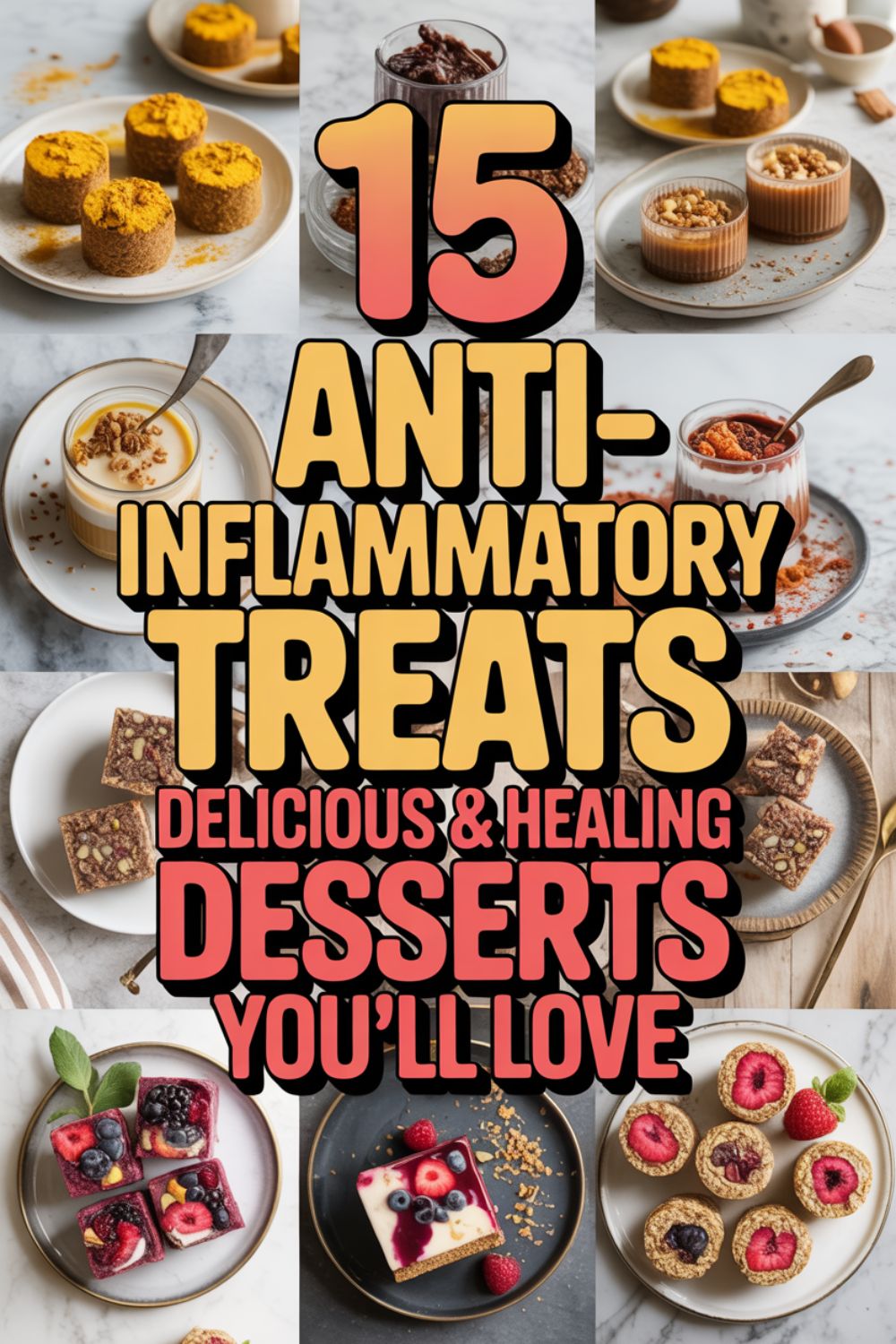
15 Anti-Inflammatory Desserts You Can Make Today

15 Anti-Inflammatory Desserts You Can Make Today
Look, I get it. You’re trying to eat better, reduce inflammation, maybe your joints have been screaming at you after that morning jog, or you’re just tired of feeling blah. But here’s the thing nobody tells you: giving up dessert feels like the universe playing a cruel joke.
Here’s the good news—you don’t have to choose between treating yourself and treating your body right. Anti-inflammatory desserts are totally a thing, and they’re way more exciting than sad fruit salad. We’re talking rich dark chocolate, creamy coconut concoctions, berry-packed treats that taste like summer vacation, and even some clever spice combinations that’ll make your taste buds do a happy dance.
I’ve spent way too much time experimenting in my kitchen (my family calls it “the lab” at this point), and I’ve figured out which desserts actually deliver on both flavor and function. These aren’t those weird health food imposters that taste like cardboard dipped in stevia. These are legit, crave-worthy sweets that just happen to work with your body instead of against it.
These are the kitchen basics that make these recipes easy: creamy, rich and picture-perfect, the kind of treat your family asks for again and again.
- ceramic baking dishCheck today’s price →
- high-speed blenderCheck today’s price →
- ginger graterCheck today’s price →
- food processorCheck today’s price →
Amazon prices and deals change often, so it’s worth checking today’s price.
Why Your Sweet Tooth and Your Body Can Actually Be Friends
Before we jump into the recipes, let’s talk about why this even matters. Inflammation isn’t just some buzzword wellness influencers throw around. It’s your body’s natural response to injury or infection—totally necessary in short bursts. But when inflammation becomes chronic, that’s when things get messy.
Think of chronic inflammation like a fire alarm that won’t shut off. According to Harvard Health, persistent inflammation contributes to serious conditions including heart disease, diabetes, arthritis, and even Alzheimer’s. The typical Western diet—loaded with refined sugars, processed foods, and unhealthy fats—basically pours gasoline on that fire.
But here’s where it gets interesting. Johns Hopkins Medicine explains that certain foods contain compounds that actively fight inflammation. We’re talking antioxidants, polyphenols, omega-3 fatty acids, and other fancy-sounding nutrients that basically tell your inflammatory response to chill out.
The Anti-Inflammatory All-Stars in Your Dessert Arsenal
Not all dessert ingredients are created equal. Some are secretly superheroes in disguise. Let me break down the MVPs that show up repeatedly in these recipes—and why they work.
Dark Chocolate: The Overachiever
Real talk: dark chocolate might be the best discovery since, well, chocolate itself. Research shows that dark chocolate (we’re talking 70% cacao or higher) contains flavonoids that reduce inflammation and support heart health. One study found that people consuming high-quality dark chocolate showed decreased inflammatory markers in just a couple of weeks.
I keep a stash of 70% dark chocolate bars in my pantry at all times. They’re perfect for melting into desserts or just breaking off a square when you need that chocolate fix. The higher the cacao percentage, the more antioxidants you’re getting.
Berries: Nature’s Candy (That Actually Does Something)
Blueberries, strawberries, raspberries, blackberries—they’re all loaded with anthocyanins, which are powerful anti-inflammatory compounds. Plus they taste incredible and make everything look Instagram-worthy. Win-win-win.
I love using frozen organic berries because they’re picked at peak ripeness, they’re available year-round, and they’re usually cheaper than fresh. Plus they work great in smoothies and baked goods without any prep work.
Nuts and Seeds: The Crunchy Crusaders
Walnuts, almonds, chia seeds, flaxseeds—these little powerhouses pack omega-3 fatty acids and vitamin E. They add texture, healthy fats, and staying power to desserts. I’m obsessed with raw organic walnuts because they have this buttery richness that works in everything from cookies to crumbles.
Turmeric and Ginger: The Spice Squad
These aren’t just for curry anymore. Turmeric contains curcumin, which is crazy anti-inflammatory, and ginger adds warmth while calming inflammation. They work surprisingly well in desserts—think golden milk puddings and spiced cookies. Just remember to add black pepper with turmeric because it increases absorption by like 2000%. Science is wild.
15 Anti-Inflammatory Desserts That’ll Make You Forget You’re Being Healthy
1. Dark Chocolate Avocado Mousse
I know what you’re thinking—avocado in dessert sounds weird. But trust me on this. The avocado creates this insanely silky texture while adding healthy fats and fiber. You literally can’t taste it once you add unsweetened cocoa powder and a bit of maple syrup.
Blend ripe avocados with cocoa powder, a splash of vanilla, and your sweetener of choice. Top with cacao nibs for crunch. The whole thing takes maybe five minutes, and it’s rich enough that a small portion actually satisfies you. If you want more quick no-bake treats, check out these simple desserts that require no oven.
2. Berry Chia Seed Pudding
Chia pudding is having a moment, and for good reason. Those tiny seeds absorb liquid and create this tapioca-like texture that’s weirdly addictive. Mix chia seeds with almond milk, let it sit overnight, and wake up to breakfast dessert (or dessert breakfast—I don’t judge).
Layer it with fresh berries and a drizzle of honey. The berries add natural sweetness plus those inflammation-fighting anthocyanins. Sometimes I use organic chia seeds and prep five jars at once for grab-and-go options all week.
3. Turmeric Golden Milk Panna Cotta
This one sounds fancy but it’s surprisingly simple. Golden milk—a blend of turmeric, ginger, cinnamon, and milk—gets set with gelatin to create a creamy, wobbly dessert. The turmeric gives it this gorgeous yellow color and serious anti-inflammatory benefits.
I use coconut milk for extra richness and a touch of grass-fed gelatin which is also great for joint health. The spices need to be quality though—organic ground turmeric makes a huge difference in flavor.
4. Walnut Date Energy Bites
These are my secret weapon when the 3pm sugar crash hits. Dates provide natural sweetness and fiber, walnuts bring omega-3s, and a touch of cocoa makes them taste like brownie batter. Blend everything in a food processor, roll into balls, done.
I always keep Medjool dates in my pantry because they’re the softest and sweetest variety. They blend easier and taste better than cheaper dates. For more energy-boosting treats, you’ll love these make-ahead desserts you can freeze.
5. Baked Cinnamon Apples with Walnut Crumble
Apples are loaded with quercetin, an anti-inflammatory antioxidant. Core them, stuff with a mixture of walnuts, oats, cinnamon, and a bit of maple syrup, then bake until soft. Your kitchen will smell like fall in the best way.
The cinnamon does double duty—it tastes amazing and helps regulate blood sugar. I like using a mix of tart and sweet apples, and I always prep them in my ceramic baking dish because metal can sometimes react with acidic fruits.
6. Coconut Blueberry Smoothie Bowl
Smoothie bowls are basically ice cream for breakfast, change my mind. Blend frozen blueberries with coconut milk until thick and creamy, then top with sliced almonds, more berries, and a sprinkle of unsweetened coconut flakes.
The key is using frozen fruit—fresh won’t give you that thick, spoonable texture. I swear by my high-speed blender for this because cheaper blenders struggle with frozen fruit. The coconut milk adds healthy fats that help you absorb all those good nutrients.
7. Dark Chocolate Bark with Pistachios and Goji Berries
This is possibly the easiest “recipe” ever. Melt dark chocolate, spread it on parchment paper, sprinkle with raw pistachios and goji berries, let it harden, break into pieces. That’s it. You now have fancy-looking candy that’s actually good for you.
Goji berries have this subtle sweet-tart flavor and they’re packed with antioxidants. Pistachios add protein and healthy fats. The whole thing looks impressive enough for gifts but easy enough for a random Tuesday. See next: 20 Anti-Inflammatory Spring Desserts That Actually Taste Amazing →
8. Raspberry Almond Flour Muffins
Almond flour is my go-to swap for regular flour because it’s naturally gluten-free, higher in protein, and loaded with vitamin E. These muffins are moist, slightly nutty, and studded with fresh raspberries that burst when you bite into them.
The trick is not over-mixing the batter. I use blanched almond flour because it’s finer than almond meal and creates better texture. A touch of vanilla extract and lemon zest make these taste bakery-quality.
9. Spiced Pear and Ginger Compote
Pears are underrated. There, I said it. When you simmer them with fresh ginger, cinnamon, and a splash of lemon juice, they turn into this silky, aromatic compote that’s perfect over yogurt, oatmeal, or just eaten with a spoon.
Fresh ginger is key here—the ginger grater I use makes it so easy to grate without the stringy bits. The pears provide fiber and vitamins while the ginger fights inflammation. You can make a big batch and keep it in the fridge for a week.
10. Chocolate Chia Seed Protein Pudding
This is like regular chia pudding’s cooler older sibling. Add plant-based protein powder for extra staying power, cocoa for chocolate flavor, and boom—dessert that actually fills you up.
I make this before bed and it’s ready by morning. The protein powder keeps me satisfied way longer than regular pudding. Top it with banana slices and a spoonful of almond butter for a complete meal that tastes like a treat. If you need more ideas for simple desserts, check out these 3-ingredient desserts.
11. Matcha Coconut Energy Balls
Matcha is basically fancy green tea powder, and it’s packed with antioxidants called catechins. Mix it with dates, coconut, and cashews for these bright green energy balls that taste like sophisticated candy.
Quality matters with matcha—ceremonial grade matcha is worth the splurge because culinary grade can taste bitter. Roll them in more shredded coconut for a snowy coating. They’re perfect for when you want something sweet but also need an energy boost.
12. Roasted Strawberry and Basil Nice Cream
Nice cream (banana-based ice cream) is a game-changer. Roasting strawberries concentrates their flavor and natural sweetness. Blend them with frozen bananas and fresh basil for this unexpected flavor combo that somehow works perfectly.
The basil sounds weird but it adds this fresh, slightly peppery note that complements the sweet berries. You need a really good blender for this—my food processor works but a high-powered blender is better. See next: 25 Diet-Friendly Easter Dessert Table Ideas →
Kitchen Tools That Make Anti-Inflammatory Cooking Easier
- High-Speed Blender – Crucial for smoothie bowls, nice cream, and silky puddings
- Food Processor – Makes energy balls and date-based treats a breeze
- Ceramic Baking Dish Set – Non-reactive for baking with acidic fruits
- Anti-Inflammatory Recipe E-Book – 50+ dessert recipes with nutritional breakdowns
- Meal Prep Containers – Perfect for prepping chia puddings and energy bites in advance
- Join Our WhatsApp Community – Get weekly dessert ideas and swap recipes with others
13. Cinnamon Sweet Potato Brownies
Sweet potatoes in brownies? Absolutely. They add moisture, natural sweetness, and beta-carotene (which is anti-inflammatory). You can’t taste them once mixed with cocoa powder, but they make the brownies incredibly fudgy.
I bake a sweet potato ahead of time, mash it up, and mix it with almond butter, cocoa, and a bit of honey. The cinnamon adds warmth and helps regulate blood sugar. These are dense, rich, and satisfying in the best way. For more creative dessert ideas, browse these easy cake ideas.
14. Pomegranate and Orange Sorbet
Pomegranate seeds (technically called arils) are like edible jewels packed with antioxidants. Blend them with fresh orange juice and a touch of honey, freeze, and you’ve got a refreshing sorbet that fights inflammation while cooling you down.
The vitamin C from the oranges and the polyphenols from the pomegranate make this a serious anti-inflammatory powerhouse. I use an ice cream maker but you can also freeze it in a shallow pan and scrape it with a fork for a granita-style texture.
15. Spiced Cashew Cream with Baked Plums
Cashews blend into the creamiest dairy-free cream you’ve ever tasted. Soak them, blend with vanilla and a pinch of cardamom, and serve with roasted plums. The plums get jammy and concentrated when baked, and they’re full of antioxidants.
I buy raw cashews in bulk and always have some soaking in the fridge. The cashew cream works for so many things—coffee, smoothies, or just eating with a spoon (no judgment). The cardamom adds this warm, slightly floral note that makes the whole thing feel fancy. See next: 15 No-Bake Cheesecake Recipes to Try This Week →
Smart Swaps That Make Regular Desserts Work for You
You don’t have to completely reinvent your dessert game. Sometimes small swaps make a huge difference. Here’s what actually works based on my countless kitchen experiments (and a few fails we don’t talk about).
Sugar: Swap refined white sugar for maple syrup, raw honey, or dates. They provide minerals and antioxidants along with sweetness. Plus they add more complex flavors that make desserts taste more interesting.
Flour: Trade all-purpose flour for almond flour, coconut flour, or oat flour. You’re adding protein, fiber, and anti-inflammatory fats. Almond flour works 1:1 in most recipes, but coconut flour absorbs a ton of liquid so you need way less.
Butter: Use coconut oil or avocado oil in baking. Both are inflammation-neutral and add moisture. For frosting or cream-based desserts, try soaked cashews—seriously, they blend into something that tastes impossibly rich.
Chocolate: Always go for dark chocolate with at least 70% cacao. The milk chocolate you’re used to is mostly sugar and dairy. Dark chocolate tastes more complex and sophisticated anyway, IMO.
Making Anti-Inflammatory Desserts Actually Stick
Here’s the thing about eating better—it only works if you can actually maintain it. Nobody’s going to spend two hours making a complicated dessert on a Wednesday night. Here’s how to make this sustainable.
Batch prep your basics. Make a big container of chia pudding or energy balls on Sunday. Store them in the fridge and you’ve got grab-and-go options all week. Future you will be very grateful.
Keep your pantry stocked. If you always have dates, nuts, cocoa powder, and frozen berries on hand, you can whip up something satisfying in minutes. I keep airtight glass storage containers for everything so I can see what I have at a glance.
Don’t be a perfectionist. If you use regular sugar instead of maple syrup one time, the inflammation police won’t arrest you. The goal is progress, not perfection. Making better choices most of the time is what counts.
Get your family involved. These desserts are fun to make with kids, and it’s way easier to stick with healthy eating when everyone’s on board. Energy balls are especially kid-friendly—they love rolling them into shapes.
Ingredients We Always Keep Stocked
- Organic Medjool Dates – Natural sweetener and base for energy bites
- 70% Dark Chocolate Bars – For melting, chopping, or just snacking
- Raw Mixed Nuts – Bulk pack saves money and they last forever in the freezer
- Complete Anti-Inflammatory Pantry Guide – PDF checklist of essentials with substitutions
- Weekly Meal Plan Templates – Includes dessert planning so you always have something ready
- Ingredient Substitution Chart – Digital download for easy swaps in any recipe
The Science-ish Part (But Make It Interesting)
FYI, I’m not a scientist, but I do read a lot of research because I’m nerdy like that. Here’s what the actual experts say about anti-inflammatory eating and desserts specifically.
Research published in the journal Nutrients shows that polyphenols—the compounds in dark chocolate, berries, and certain spices—can reduce inflammatory markers in your blood. We’re talking measurable changes, not just feeling slightly better.
The Mediterranean diet consistently shows up in studies as one of the most anti-inflammatory eating patterns. And guess what? Mediterranean cultures enjoy dessert. They just focus on fruit, nuts, and small amounts of quality chocolate rather than processed sugar bombs.
One interesting finding: according to research from the National Institutes of Health, the combination of foods matters as much as individual ingredients. Eating berries with nuts, for example, creates a synergistic effect where the benefits multiply. Your body absorbs more antioxidants when they’re paired with healthy fats.
The omega-3 to omega-6 ratio thing is real too. Most people eat way too many omega-6 fatty acids (from processed oils) and not enough omega-3s (from fish, walnuts, flaxseeds). Rebalancing this ratio reduces inflammation significantly. That’s why these desserts focus on nuts and seeds rather than vegetable oils.
Questions You’re Probably Wondering About
Can I actually eat dessert every day on an anti-inflammatory diet?
Short answer: yes, if you’re choosing the right desserts. These recipes focus on whole food ingredients with actual nutritional value. A small serving of dark chocolate bark or chia pudding provides antioxidants, fiber, and healthy fats—not just empty calories. The key is portion control and choosing desserts that satisfy you so you’re not reaching for seconds and thirds.
How long does it take to see results from anti-inflammatory eating?
Most people notice changes within 2-4 weeks. You might feel less bloated, have more energy, or notice reduced joint pain. But everyone’s different—some people feel better within days, others take a couple months. The important thing is consistency. Making these desserts part of your regular rotation rather than occasional treats will give you better results.
Are these desserts okay for people with diabetes?
Many of these recipes are lower in refined sugar and higher in fiber, which helps regulate blood sugar. However, everyone’s needs are different and I’m not a doctor. If you have diabetes, talk to your healthcare provider about portion sizes and which sweeteners work best for you. Natural sweeteners like dates and maple syrup still contain sugar, just with added nutrients.
What’s the deal with coconut—is it actually anti-inflammatory?
The research on coconut is mixed. It contains medium-chain triglycerides which some studies suggest may help with inflammation, but it’s also high in saturated fat. The key is using it in moderation as part of a diverse diet. Coconut adds amazing flavor and texture to desserts, so I include it but don’t go overboard.
Can kids eat these desserts?
Absolutely! These are actually great for kids because they’re made with real food ingredients. Children often love the energy balls and smoothie bowls especially. Just watch portion sizes since kids need fewer calories than adults. Getting them involved in making these desserts is a great way to teach healthy eating habits without it feeling like deprivation.
Your Dessert Life Just Got an Upgrade
Here’s what I love most about anti-inflammatory desserts—they don’t require sacrifice. You’re not giving anything up. You’re just choosing ingredients that happen to work with your body instead of against it.
Sure, that first bite of 70% dark chocolate might taste different than milk chocolate. But give it a week or two and your taste buds adjust. Suddenly regular candy tastes weirdly artificial and one-dimensional. These desserts have complexity—they’re sweet, but also nutty, fruity, spiced, interesting.
The energy balls are now my go-to afternoon snack. The chia pudding gets prepped every Sunday night. My family actually requests the dark chocolate bark for movie nights instead of regular candy. These recipes have become part of our normal routine, not special occasion foods.
Start with whichever recipe sounds most appealing to you. Maybe it’s the chocolate avocado mousse if you’re a chocolate person, or the berry chia pudding if you like make-ahead options. Pick one, nail it, then try another. Build your repertoire slowly.
Your joints, your energy levels, and your taste buds will thank you. And honestly? Life’s too short for sad, boring desserts. You deserve treats that taste amazing and make you feel good. These do both.