20 Low-Sugar Dessert Ideas for Diabetes-Friendly Eating

20 Low-Sugar Dessert Ideas for Diabetes-Friendly Eating
Look, I get it. The moment someone mentions “diabetes-friendly desserts,” your brain probably conjures up images of cardboard-flavored sadness masquerading as cake. But here’s the thing—managing blood sugar doesn’t mean you’re sentenced to a lifetime of watching everyone else enjoy tiramisu while you nibble on celery sticks.
I’ve spent way too many hours experimenting in my kitchen, trying to crack the code on desserts that actually taste like desserts but won’t send your glucose levels on a rollercoaster ride. Some attempts were absolute disasters (looking at you, stevia-loaded brownies that tasted like regret). But I’ve finally landed on 20 ideas that’ll make you forget you’re even trying to be healthy.
The secret sauce? Understanding how ingredients work together. It’s not about deprivation—it’s about being smarter with your choices. Think almond flour instead of white flour, Greek yogurt for creaminess, and natural sweeteners that won’t spike your blood sugar faster than a espresso shot.

These are the kitchen basics that make these recipes easy: creamy, rich and picture-perfect, the kind of treat your family asks for again and again.
- my favorite immersion blenderCheck today’s price →
- small glass jars with lidsCheck today’s price →
- parchment-lined baking sheetCheck today’s price →
- this silicone brownie panCheck today’s price →
Amazon prices and deals change often, so it’s worth checking today’s price.
Why Low-Sugar Desserts Actually Matter
Before we jump into the good stuff, let’s talk about why this matters beyond just the obvious “sugar bad” mantra everyone loves to preach. When you have diabetes, managing carbohydrate intake throughout the day becomes crucial for maintaining stable blood glucose levels.
Here’s what really happens: Traditional desserts loaded with refined sugar and white flour cause your blood sugar to spike rapidly, then crash just as quickly. You end up feeling tired, irritable, and craving more sweets—it’s this vicious cycle that nobody warns you about. Research suggests that low-fat dairy products and increased fruit intake may be beneficial for improving insulin resistance and reducing vascular complications in people with diabetes.
The difference with low-sugar alternatives? They work with your body instead of against it. By using ingredients with a lower glycemic index, you get a slower, more controlled release of glucose. Foods with a low glycemic index are digested and absorbed more slowly, leading to a gradual rise in blood sugar rather than dramatic spikes.
Pro Tip: Pair your dessert with a meal rather than eating it solo. The protein and fiber from your main course help slow down sugar absorption, making your blood sugar response even more stable.
Speaking of breakfast ideas, you might also love these simple 5-ingredient desserts or this collection of no-oven desserts that are perfect when you’re short on time.
1. Dark Chocolate Avocado Mousse
Okay, I know what you’re thinking. Avocados in dessert? Trust me on this one. When you blend ripe avocados with unsweetened cocoa powder and a touch of monk fruit sweetener, you get this ridiculously creamy mousse that rivals any fancy restaurant version.
The healthy fats from the avocado slow down sugar absorption, plus they give you that silky texture without any heavy cream. I usually make this using my favorite immersion blender—makes cleanup way easier than dragging out the food processor. Add a splash of vanilla extract and maybe some cinnamon, and you’ve got yourself a winner.
See next: 15 Low-Sugar Desserts That Kids Will Love →
2. Berry Chia Seed Pudding
Chia seeds are basically tiny nutritional powerhouses. When you mix them with unsweetened almond milk and let them sit overnight, they create this tapioca-like texture that’s weirdly satisfying. Top with fresh berries, and you’ve got a dessert that’s high in fiber and omega-3s.
I prep these in small glass jars with lids on Sunday nights. Five minutes of work, and I’ve got dessert sorted for half the week. The fiber content helps keep your blood sugar stable, and berries have one of the lowest glycemic impacts of all fruits.
“I was skeptical about chia pudding at first—it looked weird, honestly. But after trying this recipe, I make it every week now. My A1C has improved, and I actually look forward to dessert again!” – Maria, from our diabetes support community
3. Greek Yogurt Bark with Nuts and Berries
This one’s basically a healthier version of those trendy frozen yogurt bark recipes flooding Instagram. Spread thick Greek yogurt on a parchment-lined baking sheet, sprinkle with chopped nuts and berries, then freeze until solid.
Break it into pieces, and boom—you’ve got a crunchy, creamy treat that’s loaded with protein. The Greek yogurt provides probiotics and keeps you fuller longer, while the nuts add healthy fats and that satisfying crunch factor.
4. Almond Flour Brownies
Regular brownies and diabetes don’t exactly play nice together. But swap out the all-purpose flour for almond flour, use a sugar substitute like erythritol, and suddenly you’re back in business.
Almond flour has way more protein and healthy fats than white flour, which means it won’t spike your blood sugar nearly as much. I bake mine in this silicone brownie pan because nothing sticks, and the portions are perfectly sized. Add some sugar-free chocolate chips if you’re feeling fancy.
See next: 30 High-Protein Low-Sugar No-Bake Desserts →
Essential Tools for Making These Desserts
After years of trial and error, here are the kitchen tools I genuinely use every single week:
- High-speed blender – Game-changer for mousse and puddings
- Silicone baking mats – Nothing sticks, makes cleanup painless
- Glass meal prep containers – Perfect for storing chia pudding and parfaits
Plus these digital resources that actually helped me understand diabetes-friendly cooking:
- Low-Glycemic Dessert eBook – 50+ tested recipes with nutritional info
- Sugar Substitution Guide PDF – Finally figured out conversion ratios
- Diabetes Meal Planner App – Tracks carbs and suggests balanced desserts
5. Coconut Flour Lemon Bars
Tart, sweet, and won’t wreck your blood sugar—these lemon bars are proof that you can have nice things. Coconut flour is super absorbent and high in fiber, so you need way less of it compared to regular flour.
The filling uses erythritol and fresh lemon juice for that perfect tangy-sweet balance. FYI, erythritol is my go-to sweetener because it doesn’t have that weird aftertaste some sugar alcohols have. These keep well in the fridge for about a week, which is good because you’ll want to ration them.
6. Peanut Butter Protein Balls
When you need something quick and portable, these no-bake balls are your answer. Mix natural peanut butter with vanilla protein powder, a touch of honey, and roll into bite-sized portions.
I use this natural peanut butter with no added sugar—just peanuts and maybe some salt. The protein helps stabilize blood sugar, and they’re stupid easy to make. Roll them in unsweetened cocoa powder for a chocolate version, or add some chia seeds for extra fiber.
See next: 20 Low-Sugar Spring Desserts That Feel Fresh →
7. Frozen Banana “Nice Cream”
This is one of those things that sounds too simple to be good, but it genuinely works. Freeze ripe bananas, then blend them until creamy. That’s literally it. The texture mimics soft-serve ice cream perfectly.
Add unsweetened cocoa powder for chocolate, or blend in some peanut butter. The natural sugars in bananas are balanced by their fiber content, so they don’t spike blood sugar as dramatically as you’d think. Just stick to one banana per serving and you’re golden.
Quick Win: Peel and slice your bananas before freezing them in a zip-top bag. They blend way faster, and you won’t destroy your blender trying to process frozen banana chunks.
If you’re into frozen treats, definitely check out these make-ahead frozen desserts that you can prepare in bulk.
8. Cinnamon Roasted Pears
Pears get a bad rap in the diabetes world, but they’re actually pretty moderate on the glycemic index, especially when paired with cinnamon. Halve some pears, sprinkle with cinnamon and a tiny drizzle of sugar-free maple syrup, then roast until tender.
The roasting concentrates their natural sweetness, so you don’t need much added sugar. Top with a dollop of Greek yogurt and some chopped walnuts for a dessert that feels way more impressive than the effort required.
9. Sugar-Free Chocolate Chip Cookies
Yes, they exist. Yes, they’re actually good. The trick is using a combination of almond flour and coconut flour, which gives you that classic cookie texture without the blood sugar spike.
Use sugar-free chocolate chips sweetened with stevia or monk fruit. I won’t lie—they taste slightly different from traditional cookies, but after a few bites, your taste buds adjust. These cookies satisfy that chocolate chip craving without the guilt or the glucose spike.
See next: 15 Low-Sugar Desserts for Guilt-Free Indulgence →
10. Cottage Cheese Parfait
Hear me out before you skip this one. Modern cottage cheese isn’t that weird, watery stuff from the ’80s. Blend it smooth, layer with fresh berries and a sprinkle of sliced almonds, and you’ve got a high-protein dessert that keeps you satisfied for hours.
The protein-to-carb ratio is excellent for blood sugar management. Add a tiny drizzle of honey if you need it sweeter, but honestly, the berries provide plenty of natural sweetness.
Looking for more quick dessert ideas? These 30-minute desserts and quick mug cakes might become your new favorites too.
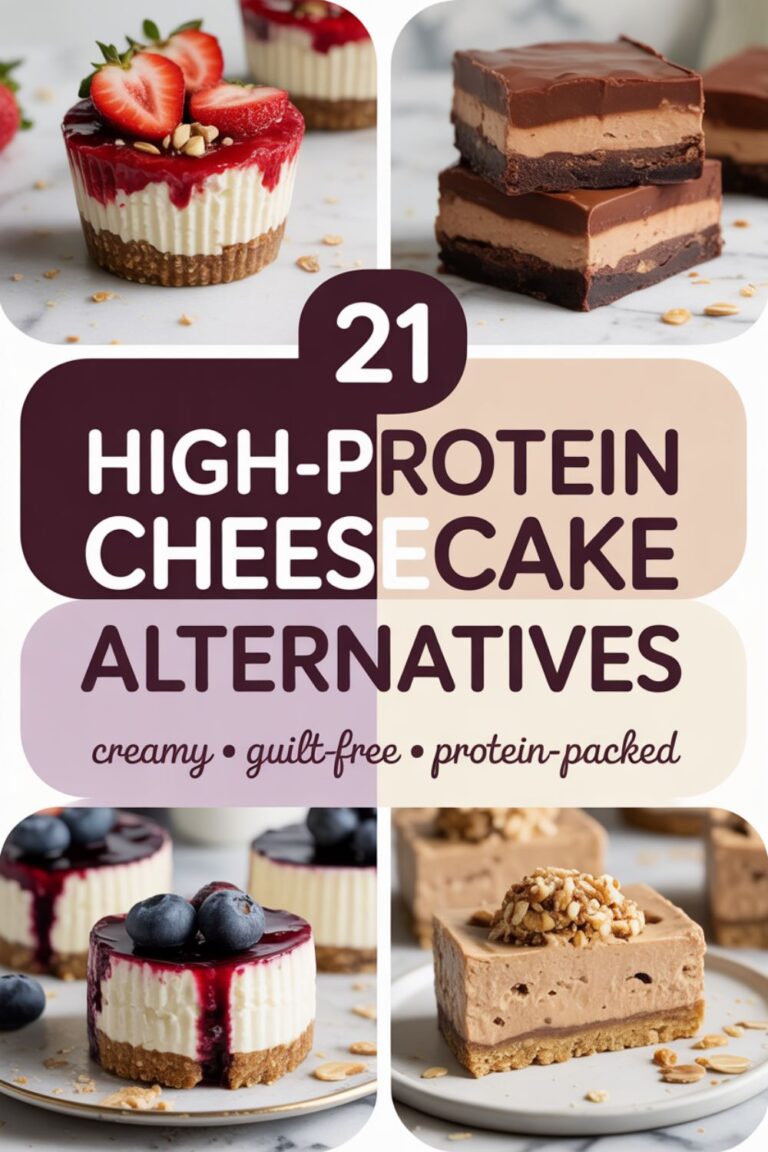
11. Keto Cheesecake Bites
Mini cheesecakes made with almond flour crust, cream cheese filling sweetened with erythritol, and baked in a mini muffin tin. These little guys are portion-controlled perfection.
The fat content from the cream cheese actually helps slow glucose absorption. Top with a few fresh berries, and you’ve got an elegant dessert that nobody would guess is diabetes-friendly. They freeze beautifully too, which is dangerous because you’ll always have dessert on hand.
12. Cacao Nib Dark Chocolate Bark
Melt high-quality dark chocolate (at least 85% cacao), spread it thin, sprinkle with cacao nibs and sea salt, then let it harden. Break into pieces and try not to eat it all at once.
Dark chocolate with high cacao percentages has less sugar and more beneficial flavonoids. Cacao nibs add crunch and extra antioxidants. I keep mine in the freezer and just grab a piece when I need something sweet. A little goes a long way with this one.
Pro Tip: Add a sprinkle of freeze-dried raspberries to your chocolate bark for a tart contrast that cuts through the richness. Plus, they look ridiculously fancy.
13. Almond Butter Stuffed Dates
Yeah, dates are sweet, but they’re also high in fiber and paired with almond butter, they become a balanced treat. Pit some Medjool dates, stuff with a spoonful of almond butter, and optionally drizzle with melted dark chocolate.
The fat and protein from the almond butter slows down the sugar absorption from the dates. They’re naturally sweet enough that you don’t need any added sugar. IMO, these are better than most candy bars, and your blood sugar will actually thank you.
14. Coconut Milk Panna Cotta
This Italian dessert sounds fancy but is ridiculously simple. Heat coconut milk with a sugar substitute and vanilla, add gelatin, pour into ramekins, and chill until set.
The coconut milk provides healthy fats that help stabilize blood sugar, and gelatin is pure protein. Top with fresh berries or a sugar-free fruit compote. The texture is silky and elegant—perfect when you want to impress someone without spending hours in the kitchen.
See next: 12 Low-Sugar No-Bake Desserts →
15. Zucchini Chocolate Muffins
Sneaking vegetables into dessert is a hill I’ll die on. Grated zucchini adds moisture to these muffins without adding much flavor—it just makes them incredibly tender.
Use almond flour, unsweetened cocoa, and sugar-free chocolate chips. The zucchini adds fiber and keeps the muffins moist for days. Bake them in silicone muffin cups for easy release and perfect portions. Nobody will know there’s a vegetable hiding in there.
Ingredients That Make Diabetes-Friendly Baking Easier
Stock your pantry with these, and you’ll always be ready to whip something up:
- Blanched almond flour – Way better texture than regular almond meal
- Monk fruit sweetener – No weird aftertaste, measures like sugar
- Unsweetened cocoa powder – Rich chocolate flavor without the sugar
And these digital guides saved me countless recipe fails:
- Keto Baking Conversion Chart – Finally figured out flour substitutions
- Blood Sugar Tracker Journal – See which desserts work best for your body
- Join our WhatsApp Community – Share recipes and tips with others managing diabetes
16. Strawberry Chia Jam Thumbprint Cookies
Make a quick chia seed jam by mashing fresh strawberries with chia seeds and a touch of sweetener. Use it to fill almond flour thumbprint cookies for a treat that looks bakery-quality.
The chia seeds thicken the jam naturally without added pectin or tons of sugar. The cookies themselves are low-carb and high in healthy fats. They’re perfect for when you want something that feels special but won’t mess with your glucose levels.
17. Matcha Green Tea Ice Cream
Blend coconut cream with ceremonial grade matcha powder, a sugar substitute, and a pinch of salt. Freeze in an ice cream maker or just in a container, stirring every hour until set.
Matcha has antioxidants and a tiny amount of caffeine, plus it gives this beautiful green color. The coconut cream makes it rich and creamy without dairy. It’s sophisticated, slightly bitter-sweet, and way more interesting than vanilla.
18. Walnut Brownies with Cream Cheese Swirl
These brownies use black beans as the base—yes, really. Blend cooked black beans with cocoa powder, eggs, and sweetener for a fudgy brownie batter. Swirl in sweetened cream cheese for that classic brownie upgrade.
The black beans add fiber and protein while keeping everything moist and dense. You absolutely cannot taste them, I promise. The texture is spot-on brownie perfection. My non-diabetic friends request these at every gathering, and they have no idea what’s in them.
See next: 25 Sugar-Free Desserts for Spring →
“I brought these to a potluck without mentioning they were diabetes-friendly. Three people asked for the recipe, and one person insisted I must have bought them from a fancy bakery. Best compliment ever!” – James, who lost 22 pounds using low-sugar recipes
19. Lemon Ricotta Clouds
Whip ricotta cheese with lemon zest, a sugar substitute, and a touch of vanilla. Pipe or spoon onto a parchment-lined baking sheet and freeze. These light, airy bites melt in your mouth.
The ricotta provides protein and calcium, while the lemon adds brightness without extra sugar. They’re refreshing after a heavy meal and look gorgeous on a dessert plate. Plus, they’re basically foolproof—there’s no baking involved.
20. Pumpkin Spice Mousse
Blend canned pumpkin puree (not pie filling) with heavy cream or coconut cream, pumpkin pie spice, and your sweetener of choice. The result is a thick, creamy mousse that tastes like fall in a bowl.
Pumpkin is low on the glycemic index and packed with fiber and vitamins. The spices add warmth and complexity without any sugar. Top with a few candied pecans made with monk fruit sweetener, and you’ve got a seasonal dessert that works year-round.
For more make-ahead options, you might enjoy these pantry staple desserts that are perfect for last-minute cravings.
Understanding Sweetener Options
Let’s be real—navigating the sweetener aisle is like trying to decipher ancient hieroglyphics. There are a million options, and they all claim to be “the best.” Here’s what actually matters when you’re managing diabetes.
Erythritol is probably my top pick. It’s a sugar alcohol that doesn’t spike blood sugar and doesn’t have the digestive issues that some other sugar alcohols cause. It measures cup-for-cup like sugar, which makes recipe conversions way easier.
Monk fruit sweetener is another solid choice. It’s natural, doesn’t affect blood glucose, and has zero calories. Some brands mix it with erythritol for better texture in baking. The only downside? It can be pricey.
Stevia works, but some people find it bitter. If you’re going to use it, get the pure stuff, not the highly processed versions. Start with less than you think you need—it’s way sweeter than sugar.
Avoid maltitol if you can. Sure, it’s technically low-glycemic, but it causes digestive distress for a lot of people. Not worth it when there are better options available.
Quick Win: Buy small amounts of different sweeteners first. Your taste buds are unique, and what works for your friend might taste awful to you. Test them out before committing to that giant bag.
Portion Control Without Feeling Deprived
Here’s the hard truth nobody wants to hear: even diabetes-friendly desserts need portion control. But here’s the thing—portion control doesn’t have to feel like punishment.
I prep desserts in individual portions using small glass containers. When it’s already portioned out, you’re not standing at the counter with a spoon, eating directly from the pan and pretending it didn’t happen. We’ve all been there.
Smaller plates and bowls actually work. Yeah, it sounds like one of those dumb Pinterest life hacks, but your brain really does register satisfaction based partly on visual cues. A small bowl that’s completely full feels more indulgent than a huge bowl that’s half empty.
Eat slowly. Put your spoon down between bites. I know it sounds ridiculous, but mindful eating actually lets you enjoy dessert more while eating less of it. Plus, it gives your body time to register fullness before you’ve demolished the entire batch.
If you’re looking for more kid-friendly options that work for the whole family, check out these desserts to make with kids and these easy dessert bars for grab-and-go treats.
Making These Desserts Work for Your Lifestyle
The best dessert in the world is useless if it’s too complicated to actually make. Real talk: if a recipe requires eighteen specialty ingredients and six hours of your time, you’re ordering pizza and eating ice cream straight from the carton instead.
Start with the simplest recipes first. The berry chia pudding or the frozen banana nice cream are basically foolproof. Build your confidence and your ingredient pantry before tackling the more complex stuff.
Batch cooking is your friend. Make a double batch of those almond flour brownies and freeze half. Future you will be grateful when you need dessert and don’t want to bake. Most of these desserts freeze beautifully.
Keep your pantry stocked with basics: almond flour, coconut flour, a good sweetener, unsweetened cocoa, and vanilla extract. With these on hand, you can whip up most of these desserts without a special shopping trip.
Don’t try to overhaul everything at once. Pick one or two desserts to master, then gradually add more to your rotation. This isn’t about perfection—it’s about finding sustainable options that work for your life and your blood sugar.
Reading Labels Like a Pro
The grocery store becomes a minefield when you’re trying to manage diabetes. “Sugar-free” doesn’t always mean diabetes-friendly, and “healthy” is basically a meaningless marketing term at this point.
Focus on total carbohydrates, not just sugar. Your body converts all carbs into glucose eventually, so that “sugar-free” candy made with maltodextrin? Still gonna spike your blood sugar. Look for products with fiber listed—it helps offset the carb impact.
Watch out for serving sizes. Companies love to make serving sizes ridiculously small so the numbers look better. That “low-carb” ice cream might look great at 5g per serving, but if the pint contains four servings and you eat half of it, you’re looking at a very different carb count.
Ingredients are listed by weight, so the first few ingredients matter most. If sugar (or any of its fifty aliases like corn syrup, dextrose, maltose) is in the top three, keep walking. Real food should have ingredients you recognize and can pronounce.
Frequently Asked Questions
Can I eat dessert every day if I have diabetes?
Honestly? It depends on your individual blood sugar control and what else you’re eating that day. Work with your doctor or nutritionist to figure out what fits your carb budget. Many people with well-managed diabetes can enjoy a small portion of low-sugar dessert daily without issues. The key is monitoring your blood sugar response and adjusting accordingly.
Are artificial sweeteners safe for people with diabetes?
Most artificial sweeteners are considered safe and don’t raise blood sugar. Erythritol, stevia, and monk fruit are generally well-tolerated. Some sugar alcohols like maltitol can cause digestive issues and may slightly affect blood sugar. Start with small amounts to see how your body reacts, and stick with options that work for you personally.
What’s the difference between sugar-free and low-sugar desserts?
Sugar-free means no added sugars, but it can still contain carbs that affect blood sugar—like flour or certain fruits. Low-sugar typically means reduced sugar content compared to traditional versions but may still contain some natural or added sugars. For diabetes management, focus on total carb count and glycemic impact rather than just the “sugar-free” label.
Can I substitute regular flour with almond flour in any recipe?
Not exactly one-to-one, unfortunately. Almond flour is denser and fattier than wheat flour, so you typically need less of it. It also doesn’t have gluten, which means your baked goods will have a different texture—usually more crumbly and dense. Look for recipes specifically designed for almond flour first, then experiment with conversions once you understand how it behaves.
How do I know if a dessert is actually affecting my blood sugar?
The only real way to know is testing. Check your blood sugar before eating the dessert, then again one to two hours after. This shows you exactly how your body responds to that specific food. Everyone’s different—what spikes my blood sugar might not affect yours the same way. Keep a log of which desserts work well for you and which ones don’t.
Final Thoughts
Living with diabetes doesn’t mean sentencing yourself to a life without dessert. It just means being smarter about your choices and understanding how different ingredients affect your body. These 20 low-sugar dessert ideas prove that you can have your cake (or mousse, or pudding, or cookies) and maintain stable blood sugar too.
Start with one or two recipes that sound appealing. Experiment with different sweeteners until you find what works for your taste buds. Pay attention to how your body responds, and adjust accordingly. What works perfectly for someone else might need tweaking for you—and that’s completely normal.
The biggest mistake I see people make is trying to be perfect from day one. They throw out every single treat in their house, stock up on weird ingredients, and then feel overwhelmed and give up. Don’t do that. Progress over perfection, always. Even if you just swap out one regular dessert per week for a diabetes-friendly version, you’re moving in the right direction.
Remember, managing diabetes is a marathon, not a sprint. These desserts are tools to help you enjoy life while taking care of your health. Use them, enjoy them, and stop feeling guilty about wanting something sweet. You’re doing great.