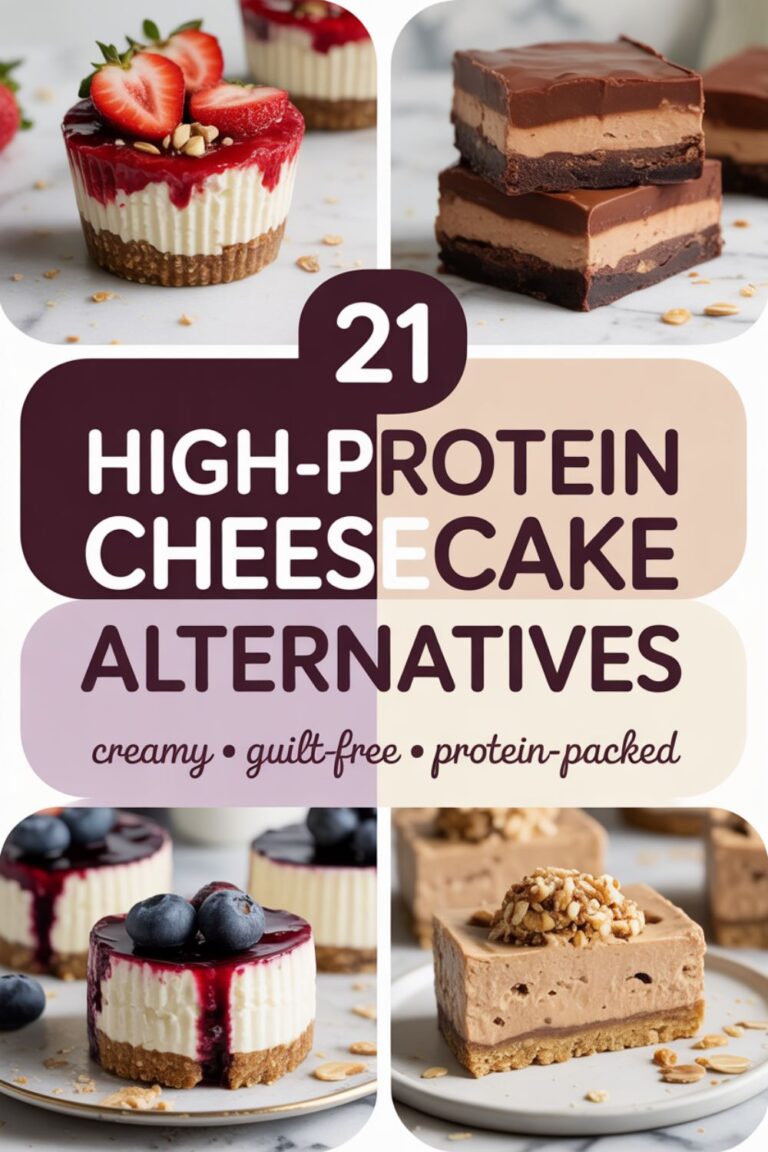
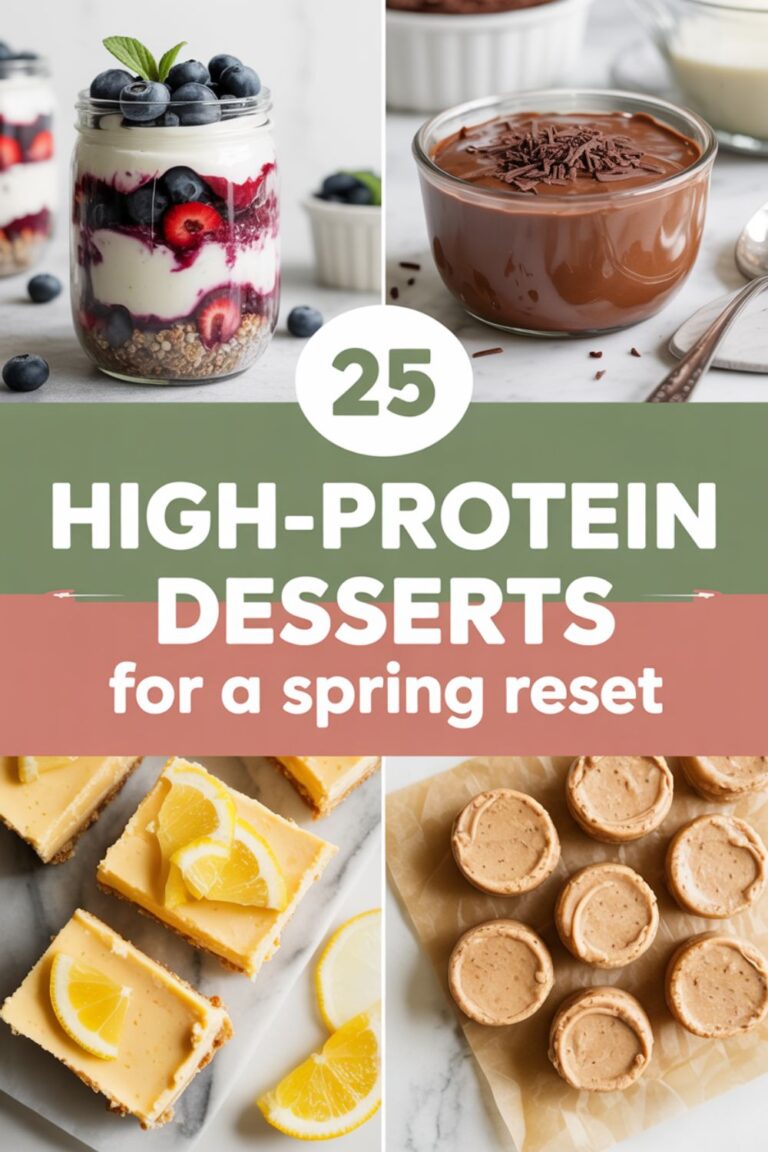
20 Low-Fat Desserts That Taste Like Indulgence

20 Low-Fat Desserts That Taste Like Indulgence
Look, I’m not here to pretend that low-fat desserts are going to replace a full-fat chocolate lava cake in terms of pure decadence. But here’s the thing—after years of experimenting in my kitchen, I’ve discovered something pretty remarkable: you can create desserts that are legitimately delicious, satisfying, and yes, even indulgent, without loading them up with butter, cream, and every fat source known to humankind.
I used to be that person who rolled their eyes at “healthy” desserts. You know the type—skeptical, slightly judgmental, convinced that anything labeled “low-fat” would taste like disappointment mixed with cardboard. Then I realized I was eating dessert almost nightly (no shame), and maybe, just maybe, I should find ways to enjoy my sweet tooth without feeling like I needed to run a marathon the next day.
These twenty desserts changed everything for me. They’re not diet food. They’re not sad substitutes for the “real thing.” They’re genuinely tasty treats that happen to be lower in fat, and honestly? Some of them I prefer over their traditional counterparts. Let’s get into it.

These are the kitchen basics that make these recipes easy: creamy, rich and picture-perfect, the kind of treat your family asks for again and again.
- mini food processorCheck today’s price →
- high-powered blenderCheck today’s price →
- wide dessert bowlsCheck today’s price →
- double boilerCheck today’s price →
Amazon prices and deals change often, so it’s worth checking today’s price.
Why Low-Fat Doesn’t Mean Low-Flavor
Before we dive into the recipes, let’s talk about why low-fat desserts got such a bad reputation in the first place. The low-fat craze of the ’90s gave us some truly terrible products—remember SnackWell’s cookies? Yeah, those weren’t doing anyone any favors.
The problem wasn’t the concept of reducing fat; it was the execution. Manufacturers removed fat and replaced it with mountains of sugar and weird chemical additives. The result? Desserts that tasted off and left you unsatisfied, reaching for more.
But here’s what I’ve learned: when you use the right techniques and ingredients, you can create desserts that are naturally lower in fat without sacrificing texture or taste. According to WebMD’s research on low-fat desserts, the key is making smart substitutions rather than just removing ingredients wholesale.
Greek yogurt is your secret weapon. It adds creaminess, protein, and that tangy richness that makes desserts interesting—without the fat content of heavy cream or sour cream.
The Science of Satisfaction
Here’s something fascinating: our brains crave satisfaction from dessert, not necessarily fat. What we’re really after is that combination of sweetness, creaminess, and interesting texture. Fat delivers those things easily, sure, but it’s not the only way.
Protein-rich ingredients like Greek yogurt create that same creamy mouthfeel. Natural sweetness from fruit gives you complex flavors that refined sugar can’t match. And honestly? Sometimes the contrast of textures—like a crunchy topping on a smooth pudding—delivers more satisfaction than any amount of butter could.
The Cleveland Clinic’s guide to heart-healthy desserts emphasizes this point: homemade desserts using smart ingredient swaps can actually promote better health while still tasting indulgent. That’s not marketing speak—it’s backed by actual nutrition science.
1. Greek Yogurt Chocolate Mousse
Let’s start with what might be my favorite discovery ever. This mousse is so ridiculously creamy and rich that I’ve served it to dinner guests who had no idea it was low-fat until I told them. The secret? High-quality cocoa powder and a touch of vanilla extract to amplify the chocolate flavor.
I make this in my mini food processor (#), which makes the texture impossibly smooth. Just blend Greek yogurt with cocoa powder, a bit of honey or maple syrup, and a pinch of salt. The Greek yogurt provides that thick, luxurious texture you’d normally get from heavy cream, but with a fraction of the fat and a significant protein boost.
What makes this work is the quality of your cocoa powder. Don’t cheap out here—splurge on the good Dutch-processed stuff. It makes all the difference between “this is decent” and “wait, how is this healthy?”
Looking for more protein-packed treats? See next: 15 Low-Sugar Desserts for Guilt-Free Indulgence → for high-protein chocolate desserts that won’t derail your goals.
2. Frozen Banana “Nice Cream”
Okay, I’ll admit I was late to the nice cream party. I thought, “There’s no way frozen bananas can actually taste like ice cream.” Spoiler alert: I was wrong. Like, really wrong.
The trick is making sure your bananas are super ripe before you freeze them—we’re talking brown-spotted, almost too-ripe-to-eat territory. Those extra sugars make a huge difference. Freeze them in chunks, then blast them in a high-powered blender (#) until smooth.
Here’s where it gets fun: this is your base for literally any flavor you want. Add cocoa powder for chocolate. Throw in peanut butter for a PB version. Mix in frozen strawberries for strawberry. The possibilities are endless, and there’s zero added fat.
Speaking of quick frozen treats, you might also enjoy these easy desserts you can freeze for later when you need something sweet on hand.
3. Angel Food Cake with Berry Compote
Angel food cake is criminally underrated. It’s naturally fat-free (seriously, check the recipe—no butter, no oil, nothing), but it’s still fluffy and sweet and satisfying. The key is eating it with something that adds moisture and flavor.
I make a quick berry compote by simmering frozen berries with a tiny bit of honey and lemon juice. The berries break down into this gorgeous, jammy sauce that soaks into the cake and makes every bite feel decadent. Plus, you’re getting antioxidants from the berries, so it’s basically health food, right?
For serving, I use these wide dessert bowls (#) that make even simple desserts look restaurant-quality. Presentation matters, people.
4. Baked Apples with Cinnamon and Oats
This is my go-to when I want something that feels cozy and indulgent but is actually ridiculously healthy. Core an apple, stuff it with oats, cinnamon, and a drizzle of maple syrup, then bake until everything is soft and fragrant.
The smell alone is worth making this. Your whole house will smell like autumn, regardless of what season it actually is. And the texture? The oats get slightly crispy on top while the apple becomes tender and caramelized. It’s like apple pie without the guilt of all that butter in the crust.
I recommend using a firm apple variety like Honeycrisp or Granny Smith—they hold their shape better during baking. And if you’re feeling fancy, a tiny scoop of vanilla Greek yogurt on top takes it to the next level.
5. Pumpkin Pie Mousse
Pumpkin pie filling is already relatively low in fat—the real culprit is that butter-laden crust. So what if we just… skipped the crust entirely? Mind. Blown.
Mix canned pumpkin puree with Greek yogurt, pumpkin pie spice, a touch of maple syrup, and a splash of vanilla. Whip it until it’s fluffy, chill it, and boom—you’ve got all the flavors of pumpkin pie in a lighter, creamier form.
This is particularly genius for Thanksgiving when you’re already making twelve other dishes and don’t have time for pie crust drama. Plus, you can make it ahead, which is basically the holy grail of holiday cooking.
6. Chocolate-Covered Strawberries (Dark Chocolate Version)
Okay, so technically this does have some fat from the chocolate, but hear me out: we’re talking about a minimal amount of dark chocolate coating fresh, juicy strawberries. The ratio of chocolate to strawberry is way different than, say, eating a chocolate bar.
I melt dark chocolate (at least 70% cacao) in a double boiler (#), dip fresh strawberries, and let them set on parchment paper. Each strawberry has maybe a teaspoon of chocolate at most, and you’re getting all those beneficial compounds from dark chocolate plus the vitamins from the berries.
Research from Medical News Today on healthy desserts confirms that dark chocolate contains flavanols that can actually support heart health when consumed in moderation. So really, this is basically a health supplement disguised as dessert.
Make a double batch and keep them in the fridge. They last for days and satisfy chocolate cravings instantly without any prep work.
7. Lemon Sorbet
Sorbet might be the most underrated dessert out there. It’s naturally fat-free, refreshing, and when you make it yourself, you control exactly how much sugar goes in. Spoiler: it needs way less than you think.
My basic formula is simple: fresh lemon juice, water, honey or agave, and a tiny pinch of salt. Blend it, freeze it in an ice cream maker (#), and you’ve got a dessert that tastes like a fancy French restaurant made it.
The key is tasting as you go. Lemons vary wildly in tartness, so you might need to adjust the sweetness. You want that perfect balance where it’s sweet enough to be dessert but tart enough to be interesting.
8. Chia Seed Pudding
I’m going to level with you—I thought chia seed pudding looked weird the first time I saw it. But once you get past the texture (which, okay, is admittedly a bit unusual), it’s actually really good. And it’s one of the few desserts where you can legitimately claim you’re eating something nutritious.
Mix chia seeds with your milk of choice (I use almond milk), add vanilla and a bit of maple syrup, and let it sit overnight. The seeds absorb the liquid and create this creamy, pudding-like consistency. Top with fresh fruit and you’ve got a dessert that’s high in omega-3s, fiber, and protein.
The ratio that works for me is 3 tablespoons of chia seeds to 1 cup of milk. Less than that and it’s too liquidy; more and it’s too thick. You want that perfect pudding consistency.
For more creative breakfast-style desserts, check out these desserts you can make with pantry staples.
9. Meringue Cookies
Meringues are magic. They’re literally just egg whites and sugar, whipped into submission and baked until crispy. Zero fat, but somehow they’re still sweet and crunchy and satisfying.
The trick to perfect meringues is patience. You need to beat the egg whites until they form stiff peaks—and I mean really stiff. If you can turn the bowl upside down without the mixture moving, you’re there. Then pipe them onto a silicone baking mat (#) and bake them low and slow.
I like to add a bit of vanilla extract and sometimes a drop of food coloring to make them pretty. They keep for weeks in an airtight container, so you can have a stash ready whenever you need a sweet bite.
10. Fruit Salad with Honey-Lime Dressing
Before you roll your eyes and say “that’s not a dessert,” hear me out. The right fruit salad, dressed properly, can absolutely feel indulgent. The mistake people make is just chopping fruit and calling it a day.
The game-changer is the dressing: fresh lime juice, honey, and a tiny bit of lime zest. It brings all the flavors together and makes the fruit taste extra vibrant. I also add fresh mint, which sounds fancy but takes zero effort—just tear some leaves and toss them in.
Use a variety of fruits with different textures and colors. I’m talking berries, mango, kiwi, grapes—the works. Present it in a nice bowl, and suddenly you’ve got a dessert that feels special.
Kitchen Tools That Make Low-Fat Desserts Easier
Having the right equipment makes all the difference when you’re trying to create healthier desserts. Here are my most-used tools:
Essential for smooth mousses and nice cream
No oil needed for non-stick surfaces
Ice Cream Maker (#)
Perfect sorbets and frozen yogurt
Digital Recipe Book Collection
150+ tested low-fat dessert recipes
Meal Prep Masterclass
Learn batch-cooking healthy treats
Dessert Nutrition Guide
Smart ingredient swaps and substitutions
11. Baked Pears with Honey and Walnuts
This dessert makes me feel sophisticated, like I’m dining at a French bistro. But it’s actually stupid simple: halve some pears, drizzle with honey, sprinkle with chopped walnuts, and bake until tender.
The pears caramelize slightly in the oven, becoming sweet and soft. The walnuts add that necessary crunch and a bit of healthy fat (yes, technically there’s some fat here, but it’s the good kind from nuts, not butter). A tiny drizzle of balsamic vinegar at the end adds unexpected depth.
I use a small baking dish (#) specifically for these because they look beautiful served right from the dish. Presentation counts, especially when you’re trying to convince yourself that baked fruit is as satisfying as chocolate cake.
12. Watermelon “Pizza”
This is particularly brilliant for summer gatherings. Cut a thick round slice of watermelon, top it with Greek yogurt, fresh berries, mint, and a drizzle of honey. It looks like pizza, it’s fun to eat, and kids go absolutely wild for it.
The genius of this is the presentation. If you just served the same ingredients in a bowl, it would feel healthy and virtuous. But arrange them on watermelon “crust” in a pizza shape, and suddenly it’s a fun dessert that people actually get excited about.
Plus, watermelon is incredibly hydrating and naturally sweet, so you don’t need much added sugar. The Greek yogurt adds protein and that creamy element that makes it feel more substantial than just eating fruit.
13. Coffee Granita
This Italian dessert is basically fancy shaved ice, but it feels way more special than that description suggests. Brew strong coffee, sweeten it lightly, freeze it in a shallow pan, then scrape it with a fork to create icy crystals.
The texture is what makes this work—it’s not smooth like sorbet, it’s more crystalline and refreshing. I top mine with a small dollop of whipped coconut cream (which has less fat than regular whipped cream) for a contrast of textures.
IMO, this is the perfect dessert for after a heavy meal when you want something sweet but don’t want to feel overstuffed. The coffee flavor is sophisticated, and the icy texture is super refreshing.
14. Coconut Macaroons (Modified)
Traditional macaroons are made with sweetened condensed milk, which is pretty high in fat. But you can make a lighter version using egg whites and unsweetened shredded coconut. They’re still chewy and sweet and satisfying, just without all the extra calories.
The key is using unsweetened coconut flakes (#) and sweetening them yourself with honey or a sugar substitute. This gives you way more control over the sweetness level. I also add a bit of vanilla extract and a pinch of salt to enhance the flavor.
These keep well in an airtight container, making them perfect for meal prep. I make a batch on Sunday and have grab-and-go desserts all week.
For more make-ahead options, explore these easy dessert bars for on-the-go treats that store beautifully.
15. Peach Cobbler (Lightened Up)
Traditional cobbler is basically swimming in butter. But here’s a secret: you can make a delicious cobbler topping with way less fat by using Greek yogurt in the batter. It creates that same tender, biscuit-like texture without all the butter.
For the filling, I use fresh peaches (or frozen, no judgment) with just a touch of honey and cinnamon. The fruit creates its own juicy sauce as it bakes, so you don’t need to add any extra fat there either.
Bake it in individual ramekins (#) for portion control and that fancy restaurant vibe. Plus, everyone gets their own little cobbler, which feels way more indulgent than scooping from a communal dish.
16. Raspberry Frozen Yogurt Bark
This is probably the easiest dessert on this list, and it’s perfect for summer. Spread Greek yogurt on a parchment-lined baking sheet, swirl in some raspberry puree (just mash raspberries with a fork—don’t overthink it), and freeze until solid.
Once frozen, break it into pieces like bark. It’s crunchy, creamy, fruity, and you can eat it straight from the freezer. The contrast between the icy yogurt and the pockets of raspberry is genuinely delightful.
I like to add some dark chocolate chips (#) and sliced almonds before freezing for extra texture. But even plain, it’s a fantastic dessert that feels way more special than the minimal effort it requires.
Use a silicone baking mat (#) instead of parchment paper—the bark releases perfectly and you can reuse it infinitely. Less waste, easier cleanup.
17. Baked Apricots with Amaretti Crumble
Apricots are one of those underrated fruits that really shine when baked. They become jammy and sweet and almost caramel-like. Halve them, remove the pits, and top with a simple crumble made from crushed amaretti cookies mixed with a tiny bit of honey.
The amaretti cookies already have almond flavor built in, so you don’t need to add butter to make the topping taste good. Just crush them up, sprinkle over the apricots, and bake until bubbly.
This dessert is particularly good with a small scoop of vanilla frozen yogurt on the side. The temperature contrast between the warm fruit and cold yogurt is perfect.
18. Strawberry Shortcake (Deconstructed)
Instead of using butter-laden shortcake biscuits, try using angel food cake as the base. Layer it with fresh strawberries macerated in a bit of honey and lime juice, plus a dollop of Greek yogurt whipped with vanilla extract.
The macerated strawberries create their own syrup that soaks into the cake, making every bite juicy and flavorful. And honestly? The Greek yogurt whipped with vanilla tastes remarkably similar to whipped cream, especially if you use full-fat Greek yogurt.
I serve this in clear dessert glasses (#) so you can see all the beautiful layers. It’s the kind of dessert that looks impressive but comes together in like ten minutes.
Looking for more layered dessert inspiration? These quick mug cakes offer that same instant gratification.
19. Mango Lassi Popsicles
Lassi is a traditional Indian yogurt drink, and it translates beautifully into popsicle form. Blend ripe mango with Greek yogurt, a touch of honey, and a pinch of cardamom. Pour into popsicle molds (#) and freeze.
The cardamom is non-negotiable here—it adds this warm, exotic flavor that makes these taste way more sophisticated than your average fruit pop. Plus, you’re getting probiotics from the yogurt and vitamins from the mango. It’s basically health food on a stick.
These are particularly genius because you can make a big batch and have desserts ready to go in your freezer anytime you need something sweet. No last-minute prep required.
20. Chocolate Avocado Mousse
Okay, stay with me here. I know avocado in dessert sounds weird, but trust the process. When you blend ripe avocado with cocoa powder, maple syrup, and vanilla, it creates this incredibly creamy, rich chocolate mousse that tastes absolutely nothing like avocado.
The avocado provides healthy fats and that silky texture, but all you taste is chocolate. It’s one of those things you’d never guess the ingredients if someone didn’t tell you. I’ve served this to hardcore chocolate mousse fans who were completely fooled.
According to research on healthy dessert alternatives, using nutrient-dense ingredients like avocado can actually provide beneficial fats and nutrients while creating creamy textures typically achieved with heavy cream.
The texture is best when you use a high-powered blender (#) to make it super smooth. Any chunks of avocado will give away the game, so blend it really well. Serve it in small portions with fresh raspberries—the tartness of the berries cuts the richness perfectly.
Essential Ingredients for Your Low-Fat Dessert Pantry
Stock these staples and you’ll always be ready to whip up a healthier sweet treat:
Greek Yogurt (Plain, Non-Fat) (#)
The foundation of countless low-fat desserts
Dutch-Process Cocoa Powder (#)
Rich chocolate flavor without the fat
Pure Maple Syrup (#)
Natural sweetener with complex flavor
Healthy Desserts eBook Bundle
300+ recipes with nutritional breakdowns
Sugar Substitutes Guide
Navigate sweetener options confidently
Join Our WhatsApp Dessert Community
Weekly recipes and tips from fellow dessert lovers
Making Low-Fat Work for Your Lifestyle
Here’s the thing about low-fat desserts: they’re not about deprivation or punishment. They’re about finding ways to enjoy sweets regularly without the health consequences of eating full-fat desserts every single day.
I’m not suggesting you never eat regular cake again. Life is short, and birthday cake is delicious. But for those everyday moments when you want something sweet after dinner? These lower-fat options let you satisfy that craving without sabotaging your health goals.
The other advantage is that many of these desserts are actually quicker and easier to make than traditional versions. No creaming butter and sugar for ten minutes. No waiting for pie dough to chill. Many of these come together in the time it would take to run to the store for ice cream.
For even more quick options when time is tight, check out these 5-ingredient desserts you can whip up right now.
The Importance of Quality Ingredients
When you’re reducing fat, every other ingredient needs to work harder to deliver flavor. This means you can’t cheap out on things like vanilla extract, cocoa powder, or fruit quality.
Real vanilla extract versus imitation? Huge difference. High-quality cocoa powder versus the bargain brand? Night and day. Fresh, ripe fruit versus sad, mealy supermarket specimens? Not even close.
FYI, this doesn’t mean you need to spend a fortune on groceries. But it does mean being strategic about where you invest. A bottle of good vanilla extract lasts forever. Quality cocoa powder makes every chocolate dessert better. These aren’t unnecessary splurges—they’re the difference between “this is okay I guess” and “holy crap this is actually good.”
Understanding Texture in Low-Fat Baking
Texture is probably the biggest challenge when reducing fat in desserts. Fat contributes to moistness, tenderness, and that satisfying mouthfeel we associate with indulgent treats. So when you remove it, you need to compensate somehow.
Greek yogurt is your best friend here. It adds moisture and creates creaminess without adding much fat. Fruit purees like applesauce or mashed banana work similarly, though they add more sweetness. And sometimes, you just need to embrace different textures—like the crispy-chewy nature of meringues instead of trying to replicate the exact texture of a butter cookie.
The other trick is not overbaking. Low-fat baked goods can dry out more quickly than their full-fat counterparts, so you need to watch them carefully. Pull them from the oven when they still look slightly underdone—they’ll continue cooking as they cool.
The Role of Protein in Desserts
One unexpected benefit of many low-fat desserts is that they often have more protein than traditional versions. Greek yogurt-based desserts, in particular, can pack a significant protein punch.
Why does this matter? Protein helps you feel satisfied. It slows down digestion and prevents that blood sugar spike and crash that can happen with super sugary, low-protein desserts. You’re less likely to eat three servings when your dessert has some protein in it.
This is why I’m such a huge advocate for Greek yogurt in desserts. It’s not just about reducing fat—it’s about creating something that actually satisfies you so you’re not hunting through the cabinets for more food ten minutes later.
Keep a container of plain Greek yogurt in your fridge at all times. It’s incredibly versatile and can be the base for countless last-minute desserts. Mix it with cocoa powder, fruit, honey, or anything else you have on hand.
Portion Control Without the Guilt
One thing I love about many of these low-fat desserts is that they naturally lend themselves to portion control. Popsicles are automatically portioned. Individual ramekins of cobbler give you a built-in serving size. Even frozen yogurt bark breaks into discrete pieces.
This matters because even low-fat desserts can add up calorically if you eat the whole batch. But when things are naturally portioned, you can enjoy your dessert, feel satisfied, and move on with your evening without overthinking it.
I’m not big on obsessive calorie counting, but I do think portion awareness is important. These desserts make that easy without requiring you to break out measuring cups and food scales.
If you’re looking for more pre-portioned dessert ideas, these birthday cake ideas can be adapted into individual servings too.
Troubleshooting Common Low-Fat Dessert Issues
Let’s address some problems you might run into and how to fix them:
Problem: Your mousse is too thin. Solution: Use full-fat Greek yogurt instead of non-fat, or add a bit of gelatin to help it set. Also make sure you’re not over-mixing—too much stirring can break down the structure.
Problem: Your baked goods are too dense. Solution: You might be over-mixing the batter. When working with reduced-fat recipes, mix just until combined. Also check your leavening agents—baking powder loses potency over time.
Problem: Your nice cream is icy instead of creamy. Solution: Your bananas might not have been ripe enough, or your blender isn’t powerful enough. Try adding a splash of milk to help it blend, and make sure those bananas are seriously spotted before freezing.
Problem: Your dessert tastes too “healthy.” Solution: Add salt! A pinch of salt enhances sweetness and makes everything taste more balanced. Also consider adding vanilla extract—it makes things taste richer without adding fat or calories.
Frequently Asked Questions
Can I really make satisfying desserts without butter or oil?
Absolutely. The key is using ingredients that provide moisture and richness through other means—like Greek yogurt, ripe bananas, or fruit purees. These ingredients create creamy textures and add flavor without the fat content of butter. It requires slightly different techniques, but the results can be just as satisfying. Many people actually prefer these lighter versions because they don’t leave you feeling heavy after eating them.
How long do low-fat desserts typically last?
It varies by recipe, but most low-fat desserts actually store quite well. Frozen treats like nice cream and popsicles can last months in the freezer. Yogurt-based desserts usually keep 3-5 days in the refrigerator. Baked items like angel food cake and meringues can last up to a week in airtight containers. The lack of dairy fat in many of these recipes actually means they don’t go rancid as quickly as traditional desserts.
Are low-fat desserts actually better for you than regular desserts?
Generally speaking, yes—when made with whole food ingredients like fruit, Greek yogurt, and natural sweeteners, these desserts offer more nutritional value than traditional versions. They typically have less saturated fat, more protein, and often include vitamins from fruit. That said, “better” depends on your goals. If you’re watching calorie intake or trying to reduce saturated fat, absolutely. But there’s also room in a balanced diet for traditional treats occasionally.
Can I substitute regular yogurt for Greek yogurt in these recipes?
Greek yogurt works best because it’s much thicker and has more protein than regular yogurt. If you only have regular yogurt, you can strain it through cheesecloth for a few hours to remove excess liquid. Otherwise, your desserts might turn out thinner than intended. The protein content will also be lower with regular yogurt, which affects both texture and how satisfying the dessert feels.
Do low-fat desserts work for people with diabetes?
Many of these desserts can be better options for blood sugar management because they often contain less sugar and more protein than traditional desserts. The protein from Greek yogurt and fiber from fruits help slow down sugar absorption. However, everyone’s blood sugar response is different, so it’s important to test and see how your body reacts. You can also further modify these recipes by using sugar alternatives like stevia or monk fruit sweetener.
Final Thoughts
Look, I’m not going to pretend that a Greek yogurt chocolate mousse is going to completely replace your grandmother’s triple-chocolate layer cake in your heart. That’s not the point. The point is having options—ways to enjoy dessert regularly without the guilt or the health consequences of eating full-fat treats every single day.
These twenty desserts have genuinely changed how I approach sweets. I don’t feel deprived. I don’t feel like I’m “being good” when I eat them. I just feel like I’m eating really tasty food that happens to align with my health goals.
The best part? Once you start making these, they become second nature. You’ll find yourself automatically reaching for frozen banana chunks to make nice cream, or whipping up a quick berry compote instead of buying ice cream. It’s not about willpower or restriction—it’s about having go-to recipes that are so good, you actually want to make them.
So start with whichever recipe sounds most appealing to you. Maybe it’s the chocolate mousse, or the frozen yogurt bark, or the baked apples. Make it, taste it, adjust it to your preferences. Then try another one. Before you know it, you’ll have a whole repertoire of low-fat desserts that feel like treats, not compromises.
And hey, if you still want regular cake sometimes? Eat the cake. Life’s too short for all-or-nothing thinking. But now you’ve got options for all those other times when you want something sweet without all the baggage that comes with traditional desserts. That’s a win in my book.