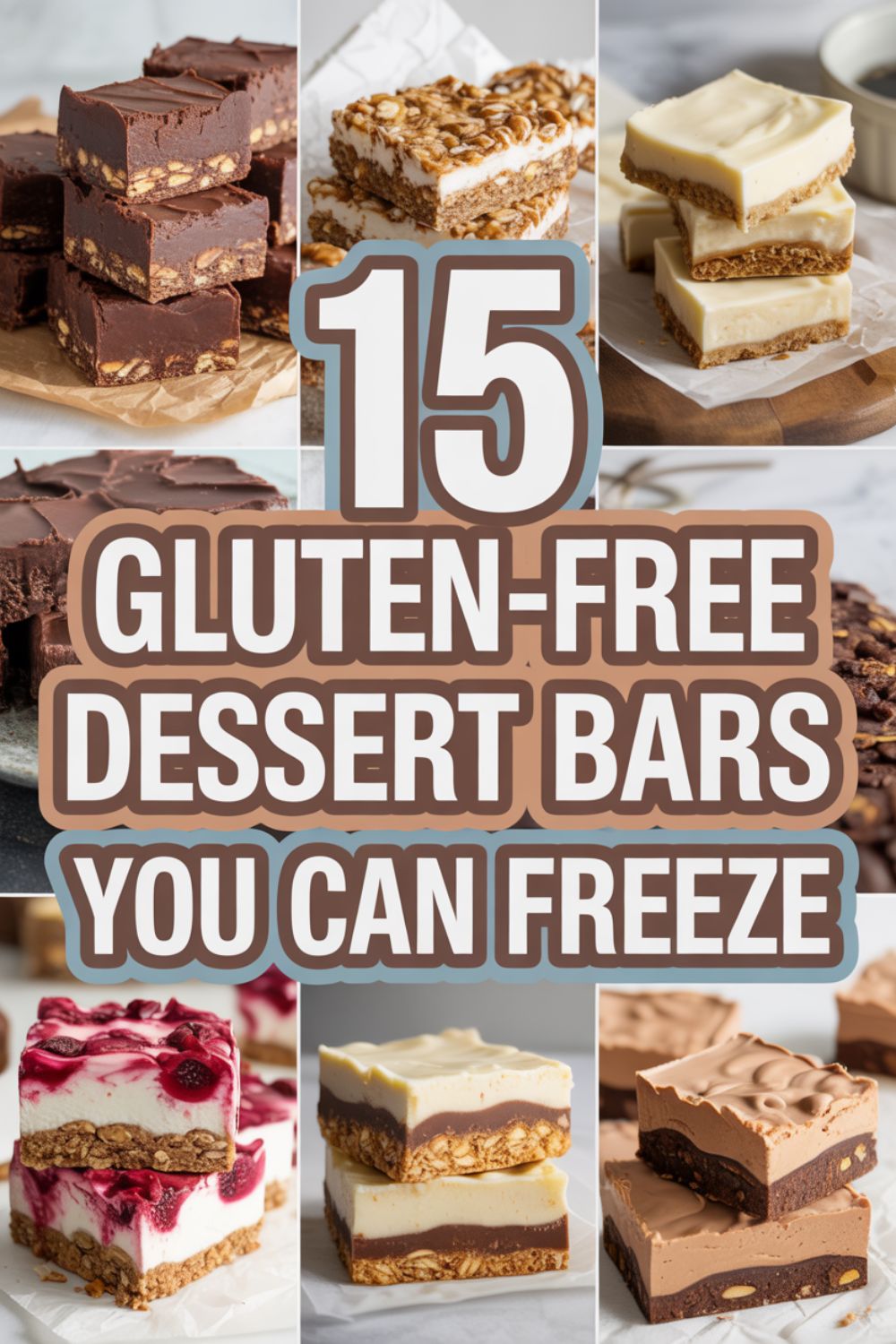
15 Gluten-Free Dessert Bars You Can Freeze

15 Gluten-Free Dessert Bars You Can Freeze
Look, I’m going to level with you right from the start. Gluten-free baking used to be a complete nightmare. I’m talking about crumbly disasters that tasted like cardboard and had the texture of sawdust. But here’s the thing—those days are long gone. The gluten-free dessert bars I’m about to share with you? They’re not just freezer-friendly; they’re actually better when you make them ahead and stash them away for emergencies. Yes, emergencies. Because nothing says “I need chocolate immediately” quite like rummaging through your freezer at 9 PM on a Tuesday.
What makes these bars so brilliant is that they freeze beautifully, taste incredible, and save you from last-minute baking panic when unexpected guests show up or you simply need something sweet without the hassle. I’ve spent years testing which gluten-free treats actually survive the freeze-thaw cycle, and trust me, not everything makes the cut.
These are the kitchen basics that make these recipes easy: creamy, rich and picture-perfect, the kind of treat your family asks for again and again.
- good set of stackable freezer containersCheck today’s price →
- 9×13 metal baking panCheck today’s price →
- sharp chef’s knifeCheck today’s price →
- Professional-grade mixing bowls setCheck today’s price →
Amazon prices and deals change often, so it’s worth checking today’s price.
Why Freezing Gluten-Free Dessert Bars Actually Works
Here’s something most people don’t realize: gluten-free baked goods often freeze better than their wheat-based counterparts. The reason? Gluten-free flours don’t develop those same protein networks that can get weird and tough when frozen. According to experts at Beyond Celiac, gluten-free baked goods maintain their texture remarkably well in cold storage because they rely on starches and binding agents rather than gluten for structure.
When you freeze dessert bars properly, you’re basically hitting the pause button on freshness. The starches in gluten-free flours hold up beautifully, and the bars come out tasting just as good—sometimes even better—after a stint in the freezer. I’ve had brownies that were somehow fudgier after freezing, and lemon bars that tasted brighter and more refreshing when served semi-frozen.
The science behind it is actually pretty straightforward. Freezing at 0°F halts microbial activity and slows down the enzymatic reactions that cause food to degrade. As noted by the USDA Food Safety and Inspection Service, properly frozen foods can maintain quality for months when stored correctly. For dessert bars, this means you can batch-bake on a lazy Sunday and have treats ready for weeks.
Pro Tip
Always let your bars cool completely before wrapping them for the freezer. Trapping any residual heat creates condensation, which leads to freezer burn and soggy textures. I learned this the hard way after ruining an entire batch of perfectly good brownies.
The Essential Freezing Technique That Changes Everything
Before we get into the actual recipes, you need to know the proper way to freeze these bars. It’s not rocket science, but doing it wrong will absolutely ruin your desserts. First, cool everything completely. I mean it—wait until those bars are room temperature or even slightly chilled. Then comes the wrapping game.
I double-wrap everything. First layer: plastic wrap pressed directly against the surface of the bars. Second layer: aluminum foil or a freezer-safe bag. This might seem excessive, but it prevents freezer burn like nothing else. I use these heavy-duty freezer bags because they’re actually thick enough to protect against temperature fluctuations, and the ziplock seals are way better than the cheap ones that always seem to fail at the worst possible moment.
For individual portions, I cut the bars first, wrap each piece in parchment paper, then store them in an airtight container. This way, I can grab just one or two without defrosting the entire batch. Honestly, having a good set of stackable freezer containers has been a game-changer for my freezer organization. No more avalanche of mystery items every time I open the door.
“I started freezing gluten-free dessert bars after my daughter was diagnosed with celiac disease. Being able to pull out a homemade treat whenever she wants one has been incredible. The brownies taste just as fresh after two months in the freezer!” — Rebecca, community member
1. Classic Fudgy Gluten-Free Brownies
Let’s start with the obvious winner. Brownies freeze like absolute champions, especially the fudgy kind. The dense, moist texture actually benefits from freezing because it locks in all that chocolatey goodness. I make these with a mix of almond flour and gluten-free all-purpose flour blend, which gives them structure without the grittiness some gluten-free brownies have.
The secret? Don’t overbake them. Seriously. Pull them out when they still look slightly underdone in the center. They’ll finish cooking as they cool, and when you freeze them, that fudgy center stays perfectly gooey. I bake mine in a 9×13 metal baking pan lined with parchment paper—makes removing them infinitely easier and cleanup is basically nonexistent.
These brownies keep well in the freezer for up to three months. When you want one, just let it sit at room temperature for about 15-20 minutes, or if you’re impatient like me, microwave it for 10 seconds. Heaven.
2. Lemon Bars with Almond Flour Crust
Lemon bars were tricky to perfect for freezing, not gonna lie. The filling can get a bit weepy if you’re not careful with the wrapping. But once I nailed the technique, these became one of my absolute favorites to keep stashed away. The almond flour crust holds up beautifully, staying crisp even after thawing.
The key is to freeze them unwrapped on a parchment-lined baking sheet first—what they call flash freezing. Once they’re solid, then wrap them individually. This prevents the powdered sugar topping from getting musty and the lemon filling from getting smashed. I use a fine-mesh sieve to dust powdered sugar on top just before serving, which makes them look freshly made.
For anyone looking for more citrus-based desserts that work well with meal prep, you might enjoy browsing through easy desserts that take under 30 minutes. Some of those recipes are freezer-friendly too.
3. No-Bake Peanut Butter Chocolate Bars
These are the ultimate lazy baker’s dream. No oven required, minimal dishes, and they freeze for literally months without any quality loss. The base is just peanut butter, honey, and gluten-free oats, pressed into a pan and topped with melted dark chocolate. Done.
I actually prefer eating these straight from the freezer. The chocolate gets that perfect snap, and the peanut butter layer stays chewy but firm. They’re also fantastic for portion control because you can cut them into small squares and grab just one when you need a quick sweet fix. Store them in layers separated by parchment paper in a freezer container, and you’re golden.
The beauty of no-bake recipes is they come together in minutes. If you’re into quick dessert solutions, definitely check out these quick mug cakes for when you need something even faster than thawing a frozen bar.
4. Coconut Macaroon Bars
Coconut lovers, this one’s for you. These bars have a shortbread-style base made with coconut flour and a thick, chewy coconut macaroon topping. They’re naturally gluten-free (no substitutions needed) and freeze exceptionally well because coconut’s natural oils keep everything moist.
I drizzle melted dark chocolate over the top in a zigzag pattern using a squeeze bottle—way less messy than trying to drizzle with a spoon. The chocolate hardens in the freezer, creating this beautiful shell that cracks perfectly when you bite into it. These keep for up to four months frozen, though mine never last that long.
Quick Win
Cut your bars into uniform sizes using a bench scraper dipped in hot water. Wipe it clean between cuts for perfectly clean edges every time.
5. Seven-Layer Magic Bars
Also known as “hello dolly bars,” these are ridiculously easy and insanely delicious. The gluten-free version uses crushed gluten-free graham crackers for the base, then gets layered with chocolate chips, butterscotch chips, coconut, and condensed milk. The whole thing bakes into this gooey, crunchy, sweet masterpiece.
These bars are rich—like, seriously rich. I cut them small because a little goes a long way. They freeze perfectly, and the condensed milk filling actually improves in texture after freezing, becoming less sticky and more fudge-like. Wrap them well because they can absorb freezer odors if you’re not careful.
Speaking of bars perfect for sharing, if you frequently make treats for events, you’ll want to explore easy dessert bars for on-the-go treats. Many of those recipes work beautifully when doubled and frozen.
6. Pumpkin Spice Cheesecake Bars
Cheesecake bars might seem like they wouldn’t freeze well, but they’re actually perfect for it. The cream cheese filling stays creamy, and the gluten-free gingersnap crust remains crisp. These are seasonal favorites in my house, but honestly, I make them year-round because frozen pumpkin is always available and tastes just as good as fresh.
The trick with these is to freeze them in the pan first, then cut them frozen. This gives you clean, professional-looking slices instead of the smooshed mess you get when cutting room-temperature cheesecake. I keep a sharp chef’s knife specifically for this purpose—run it under hot water, dry it, make one cut, repeat. Works like magic.
Understanding Gluten-Free Flour Blends for Better Bars
Not all gluten-free flours are created equal, and this matters hugely when you’re making bars you plan to freeze. Some flour blends produce gritty textures that get worse after freezing, while others maintain their smoothness beautifully. According to baking experts at King Arthur Baking, the best gluten-free flour blends for desserts contain a mix of rice flour, tapioca starch, and potato starch, with xanthan gum added for binding.
I’ve tested dozens of brands, and my go-to for bars that freeze well is a blend that includes some bean flour or sorghum flour for protein. These flours create a structure that doesn’t crumble when thawed. The Cup4Cup gluten-free flour works incredibly well because it includes milk powder, which adds richness and helps with browning.
One thing I learned from America’s Test Kitchen is that letting gluten-free batters rest before baking significantly improves texture. The starches absorb liquid, eliminating that gritty mouthfeel. For bars, I mix the batter, let it sit for 30 minutes, then bake. The difference is noticeable, especially after freezing.
Meal Prep Essentials Used in These Recipes
- Professional-grade mixing bowls set – Seriously, get the ones with non-slip bottoms. Game changer for mixing thick batters.
- Heavy-duty aluminum baking pans (9×13) – Conduct heat evenly, crucial for gluten-free baking.
- Parchment paper rolls – Buy in bulk. You’ll use way more than you think.
- Gluten-Free Baking Masterclass eBook – Digital guide with troubleshooting tips and conversion charts
- Freezer Meal Prep Planner (PDF) – Printable templates for tracking what’s in your freezer
- 30-Day Gluten-Free Dessert Calendar – Monthly recipe rotation to keep variety in your freezer
7. Almond Joy-Inspired Bars
If you’re a fan of the candy bar, you’ll lose your mind over these. They’ve got a coconut-almond base, a layer of dark chocolate, and whole almonds pressed into the top. Completely gluten-free by nature, and they freeze for months without any texture changes. Actually, I think they’re better frozen—the chocolate stays firm, and the coconut layer gets this perfect chewy texture.
I make a double batch every time because they disappear fast. Wrap them individually in wax paper, then store in a freezer bag. This makes them grabbable for lunchboxes or when you need a quick dessert. The almonds stay crunchy even after freezing, which shocked me the first time I tried it.
8. Salted Caramel Blondies
Blondies are basically brownies without the cocoa, and they’re criminally underrated. These ones use brown sugar and vanilla for that classic butterscotch flavor, then get swirled with homemade salted caramel. Making caramel isn’t as scary as it sounds—I use a candy thermometer to take the guesswork out, and it comes together in about 10 minutes.
The caramel swirl freezes solid, creating these pockets of intense flavor throughout the blondie. When you reheat them slightly, the caramel gets gooey again. It’s like magic. These keep for up to two months frozen, though the caramel can crystallize if stored longer. Still tastes good, just changes texture slightly.
For readers who enjoy experimenting with simple ingredients, you might appreciate 5-ingredient desserts that prove you don’t need a million components to make something incredible. See next: 15 Gluten-Free Chocolate Desserts You Need to Try →
9. Raspberry Oat Bars
These have an oat crumble base and top with raspberry jam in the middle. They’re naturally gluten-free if you use certified gluten-free oats (regular oats can be cross-contaminated with wheat during processing). The jam layer freezes into this intense fruit concentrate that’s just phenomenal.
I prefer using seedless raspberry preserves because the seeds can get a bit hard when frozen, but that’s totally personal preference. The oat layers stay crispy and buttery, and the jam adds this bright, tart contrast. Cut them into small squares—they’re rich and one little piece is usually enough to satisfy a sweet craving.
“I meal prep these raspberry bars every month. My kids grab them straight from the freezer for after-school snacks. They’re healthier than store-bought treats and taste way better!” — Marcus, from our reader community
10. Chocolate Chip Cookie Dough Bars
Raw cookie dough lovers, this is your moment. These bars use heat-treated flour (to make it safe to eat raw) and eggless cookie dough as the filling. The base is a simple shortbread crust, and the top gets a chocolate ganache layer. The whole thing is designed to be eaten frozen or semi-frozen.
To heat-treat gluten-free flour, just spread it on a baking sheet and bake at 350°F for about 5 minutes. This kills any bacteria without affecting the flavor. Then you can safely use it in no-bake applications. I keep these in the freezer permanently—they’re meant to be served cold, and the cookie dough layer has the perfect scoopable texture when frozen.
If you’re into kid-friendly recipes, definitely check out easy desserts to make with kids. Several of those would pair well with a freezer stash strategy.
The Science of Proper Thawing
Knowing how to thaw your frozen bars properly is just as important as freezing them correctly. Most bars do best with gradual thawing in the refrigerator overnight. This prevents condensation from forming on the surface, which can make them soggy. Some bars, like the chocolate chip cookie dough ones, are actually best eaten partially frozen.
For brownies and blondies, I recommend removing them from the freezer about 20-30 minutes before serving. This brings them to room temperature while maintaining that slightly fudgy, cold center. Cheesecake bars should thaw completely in the fridge—rushing this with microwave defrosting makes the filling watery.
Never refreeze thawed dessert bars. The quality degrades significantly, and you risk food safety issues. According to FoodSafety.gov, refreezing should only happen if the food stayed below 40°F and was thawed for less than three days. For desserts, just plan to eat what you thaw.
11. Pecan Pie Bars
Pecan pie in bar form is genius because it’s way easier to serve and portion than a whole pie. The gluten-free crust uses a combination of almond flour and coconut flour, which stays perfectly crisp even after freezing. The pecan filling solidifies in the freezer but softens quickly at room temperature.
These are insanely sweet, so I cut them into tiny squares. They’re perfect for holiday gatherings when you want to serve multiple dessert options. I make them in late November and keep them frozen until I need them throughout December. They maintain quality for up to three months, and honestly, nobody can tell they’ve been frozen.
The pecans need to be toasted before using—it intensifies their flavor and keeps them from getting soggy. I do this in a small countertop toaster oven for about 5 minutes while I prep everything else. Multitasking at its finest.
12. Triple Chocolate Mint Bars
Mint and chocolate is a classic combination that freezes exceptionally well. These bars have a chocolate cookie base, a mint-flavored cream cheese middle layer, and a chocolate ganache top. The mint layer is made with cream cheese and peppermint extract—no artificial green color needed, though you can add it if that’s your thing.
The cream cheese layer freezes firm but cuts easily, and the ganache stays perfectly smooth. I use high-quality dark chocolate for the ganache, melted with heavy cream. A double boiler insert makes this foolproof—no seized chocolate, no burnt cocoa solids, just silky smooth ganache every time.
These are particularly good during the holidays. The mint flavor feels festive, and having them pre-made in the freezer is a lifesaver during crazy December schedules. For more celebration-worthy treats, browse through birthday cake ideas that are easy to make. Many translate well to bar format.
Tools & Resources That Make Freezer Baking Easier
- Freezer-safe glass containers with snap lids – No more mystery smells or freezer burn
- Label maker – Sounds extra, but knowing exactly what’s in each container and when you made it is clutch
- Silicone baking mats – Reusable, non-stick, and perfect for flash freezing individual bars
- Freezer Inventory Tracker App – Digital tool to manage what you’ve frozen and when
- Batch Baking Calculator – Automatically scales recipes up for freezer prep days
- Join Our Gluten-Free Baking WhatsApp Group – Community support, recipe swaps, and troubleshooting help
13. Peanut Butter & Jelly Bars
PB&J isn’t just for sandwiches. These bars have a peanut butter cookie base, a layer of your favorite jam, and a crumbly peanut butter topping. They’re nostalgic, simple, and freeze beautifully. The jam layer can crack when frozen, which actually creates this cool mosaic effect when you cut them.
I use natural peanut butter (the kind that separates) for these because it has better flavor and fewer additives. The oil separation doesn’t matter once everything’s mixed and baked. For the jam, go with something thick like strawberry or grape preserves—runny jams can seep into the crust during baking.
These keep for about six weeks in the freezer before the jam starts to crystallize. Still edible after that, just different texture. Kids absolutely love these, and they’re great for school lunches because they thaw by lunchtime if you pack them frozen in the morning.
14. Espresso Toffee Bars
Coffee and toffee together is basically adult heaven. These bars have a coffee-infused shortbread base studded with toffee bits and topped with chocolate. The espresso flavor intensifies slightly when frozen, which I actually love. If you’re not a coffee person, you can skip the espresso powder and just make toffee bars.
I use instant espresso powder dissolved in a tiny bit of water—it distributes more evenly through the dough than brewed coffee would. The toffee bits stay crunchy in the freezer, creating these little pockets of caramel crunch throughout. These are sophisticated enough for dinner parties but easy enough for weeknight stress eating. No judgment.
For anyone working with pantry staples, you’ll find helpful inspiration in desserts you can make with pantry staples. Building a well-stocked pantry makes freezer baking sessions way more efficient.
15. White Chocolate Cranberry Bars
These are festive, bright, and surprisingly easy. White chocolate chips and dried cranberries get mixed into a vanilla blondie base. The tartness of the cranberries balances the sweetness of the white chocolate perfectly. I prefer using real white chocolate (check the ingredients—it should contain cocoa butter) rather than white baking chips.
Dried cranberries sometimes get a bit chewy after freezing, but I actually like that texture contrast against the soft blondie. These bars are particularly good during the holidays but work year-round. They keep for up to three months frozen, and I’ve given them as gifts—just package them in a clear cellophane bag with a ribbon, and boom, homemade gift that doesn’t look homemade.
The white chocolate can develop some bloom (that whitish coating) if temperature-shocked during thawing. To prevent this, thaw them slowly in the fridge rather than at room temperature. Still totally safe to eat, just might not look as pretty.
Pro Tip
Before freezing any bar with chocolate, let the chocolate fully set at room temperature first. Freezing warm chocolate causes it to seize and develop an unappetizing texture.
Common Mistakes to Avoid When Freezing Dessert Bars
Over the years, I’ve made every possible mistake when freezing dessert bars. Let me save you the heartbreak. First major mistake: not cooling bars completely before wrapping. I’ve wasted entire batches by being impatient. The trapped heat creates ice crystals, which = freezer burn and soggy bars. Just wait. Do the dishes, watch an episode of something, whatever. Just wait.
Second mistake: poor wrapping technique. Single-layer plastic wrap isn’t enough. You need that double wrap—plastic wrap pressed tight against the bars, then foil or a freezer bag over that. Air exposure is the enemy. I also write the date and contents on freezer tape because future me never remembers what’s what.
Third mistake: storing bars near items with strong odors. Frozen desserts absorb flavors like crazy. Keep them away from onions, garlic, fish—basically anything you wouldn’t want your brownies to taste like. Learned this lesson with some blueberry bars that tasted faintly of frozen shrimp. Never again.
Fourth: cutting bars before freezing makes them dry out faster. Freeze them whole, then cut while frozen or just before serving. The larger surface area stays moister longer. The exception is if you need individual portions—in that case, cut them, wrap individually, and use them within a month for best quality.
If you’re interested in exploring more freezer-friendly desserts beyond bars, check out easy desserts you can freeze for later. It’s full of options that follow similar storage principles. See next: 25 Quick Gluten-Free Desserts for Every Occasion →
Maximizing Freezer Space and Organization
Let’s talk logistics. If you’re serious about keeping a variety of dessert bars frozen, you need a system. I dedicate one freezer drawer entirely to desserts because mixing them with savory items is asking for trouble. Within that drawer, I stack bars flat in labeled containers. Clear stackable bins are worth their weight in gold for this.
I keep an inventory list taped to the freezer door. Sounds neurotic, but it prevents me from forgetting what’s buried in the back. The list includes what I made, how many portions, and the freeze date. This way, I use older items first and nothing gets wasted. If you’re into meal prep, this is basically the same system—just applied to desserts instead of dinner.
Vacuum sealing is next-level for long-term storage, but honestly, it’s overkill for most home bakers. Unless you’re planning to store bars for 6+ months, the double-wrap method works perfectly fine. I save my vacuum sealer for bulk meat purchases and use simpler wrapping for sweets.
When to Skip the Freezer
Not every dessert bar loves the freezer, and it’s important to know which ones to avoid. Meringue-topped bars are a hard no—the egg whites get rubbery and weepy. Anything with fresh fruit that hasn’t been cooked turns to mush. Custard-based bars can split and get watery. As noted in guides from Taste of Home, some textures simply don’t survive freezing well.
Bars with whipped cream toppings should be frozen without the topping and garnished after thawing. Jelly-filled bars (different from jam) can become weepy. And any bar with a really delicate, crispy topping—like certain nut-based crusts—might lose their texture.
That said, most standard bar cookies, brownies, blondies, and fruit-filled bars freeze beautifully. When in doubt, freeze a small test batch first. Cut a couple of bars, freeze them properly, and see how they taste after thawing. Better to sacrifice two bars than an entire pan.
For simpler desserts that don’t require freezing strategy, explore simple desserts that require no oven. These are great for when you want something fresh and immediate rather than planned ahead.
Frequently Asked Questions
How long can I keep gluten-free dessert bars in the freezer?
Most gluten-free dessert bars maintain excellent quality for 2-3 months when properly wrapped and stored at 0°F. Some denser bars like brownies and blondies can last up to 4 months. After that, they’re still safe to eat, but quality starts declining—you might notice texture changes or flavor dulling. Always label your containers with the freeze date so you can rotate stock properly.
Can I freeze bars with cream cheese frosting?
Yes, but with a caveat. Cream cheese-based layers (like in cheesecake bars) freeze beautifully because they’re part of the bar’s structure. However, cream cheese frosting spread on top can get a bit grainy after freezing. My recommendation: freeze the bars unfrosted, then add the frosting after thawing. If you must freeze frosted bars, use a cream cheese frosting with a higher fat content—it freezes more smoothly.
Do I need to thaw bars before eating them?
It depends on the type of bar and personal preference. Brownies, blondies, and most chocolate bars are great semi-frozen or fully thawed. Cheesecake bars should be fully thawed in the fridge. No-bake bars like the peanut butter chocolate ones are actually best eaten frozen. Generally, give dense bars 20-30 minutes at room temperature, and lighter, cakier bars should thaw completely in the fridge overnight.
What’s the best way to prevent freezer burn on dessert bars?
Double wrapping is your best defense against freezer burn. First, wrap each bar (or the whole pan) tightly in plastic wrap, pressing it directly against the surface to eliminate air pockets. Then add a second layer of heavy-duty aluminum foil or place everything in a freezer-safe zip-top bag, squeezing out excess air. For long-term storage beyond two months, consider vacuum sealing. Also, make sure bars are completely cool before wrapping—trapped heat creates condensation and ice crystals.
Are gluten-free dessert bars healthier than regular ones?
Not necessarily. Gluten-free doesn’t automatically mean healthier—it just means made without wheat, barley, or rye. Many gluten-free desserts use almond flour or coconut flour, which are higher in fat and calories than wheat flour. They’re healthier for people with celiac disease or gluten sensitivity because they won’t cause an immune reaction, but in terms of sugar content and calories, they’re typically similar to conventional desserts. FYI, some gluten-free bars made with whole grain flours like oat or sorghum offer more fiber and nutrients than refined wheat flour, so it varies by recipe.
Final Thoughts on Freezing Gluten-Free Dessert Bars
Having a freezer stocked with homemade gluten-free dessert bars has genuinely changed how I approach desserts. There’s something incredibly satisfying about pulling out a perfectly preserved brownie or lemon bar whenever the craving hits, knowing I made it weeks ago during a productive baking session.
The beauty of these recipes is their flexibility. You don’t need to be gluten-free to enjoy them—they’re just good desserts that happen to be made without wheat. And the freezing aspect makes them practical for anyone who wants to batch-cook desserts, whether you’re meal prepping, planning for parties, or just prefer having options available.
Start with one or two recipes that sound appealing, master the freezing technique, and expand from there. Before you know it, you’ll have a dessert bar rotation that makes you look like you have your life together (even if you absolutely don’t). The key is proper wrapping, good labeling, and using quality ingredients that hold up well to freezing. Everything else is just details.
And remember—gluten-free baking has come a long way from those cardboard-tasting disasters of the past. With the right techniques and a well-stocked freezer, you’ll always have something delicious ready to go. Now if you’ll excuse me, I have some brownies calling my name from the freezer.