25 Gluten-Free Desserts for Every Occasion
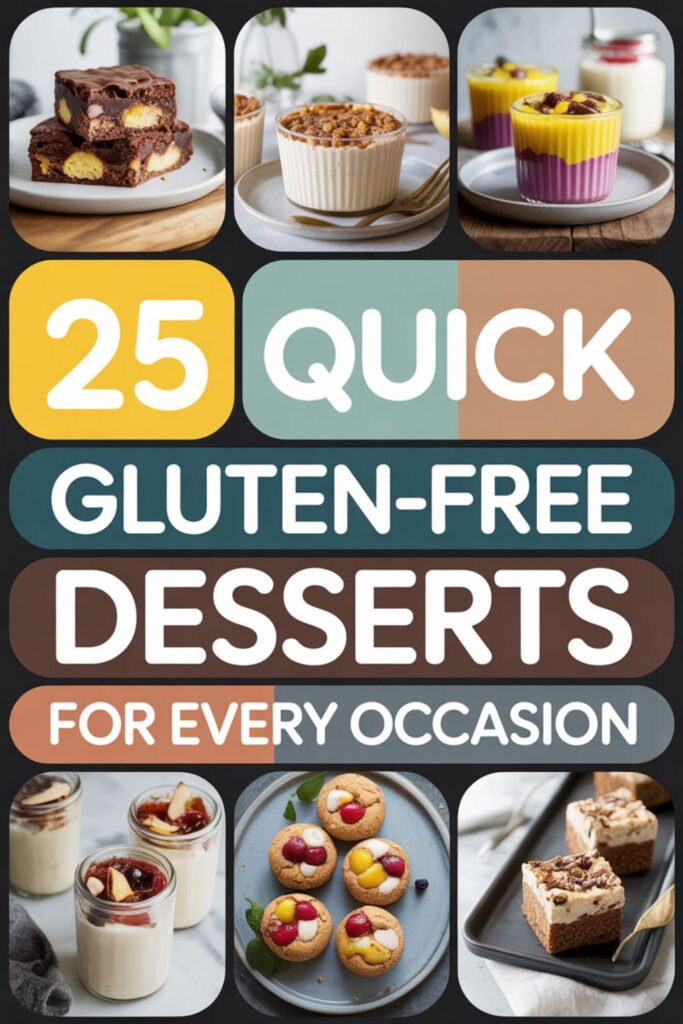
25 Gluten-Free Desserts for Every Occasion
Look, I’m not going to pretend that giving up gluten is some magical journey of enlightenment. For most people dealing with celiac disease or gluten sensitivity, it’s more like being dumped by your favorite bread basket. But here’s the thing—going gluten-free doesn’t mean you’re sentenced to a life of cardboard cookies and sad, crumbly cakes.
I’ve spent years testing gluten-free desserts, and honestly? Some of them are so good that my gluten-eating friends fight over the last slice. Whether you’re hosting a dinner party, need a quick weeknight treat, or just want to shut down that 3 PM sugar craving, this list has you covered.
So grab your almond flour and let’s talk about 25 gluten-free desserts that actually taste like desserts—not like regret wrapped in rice paper.
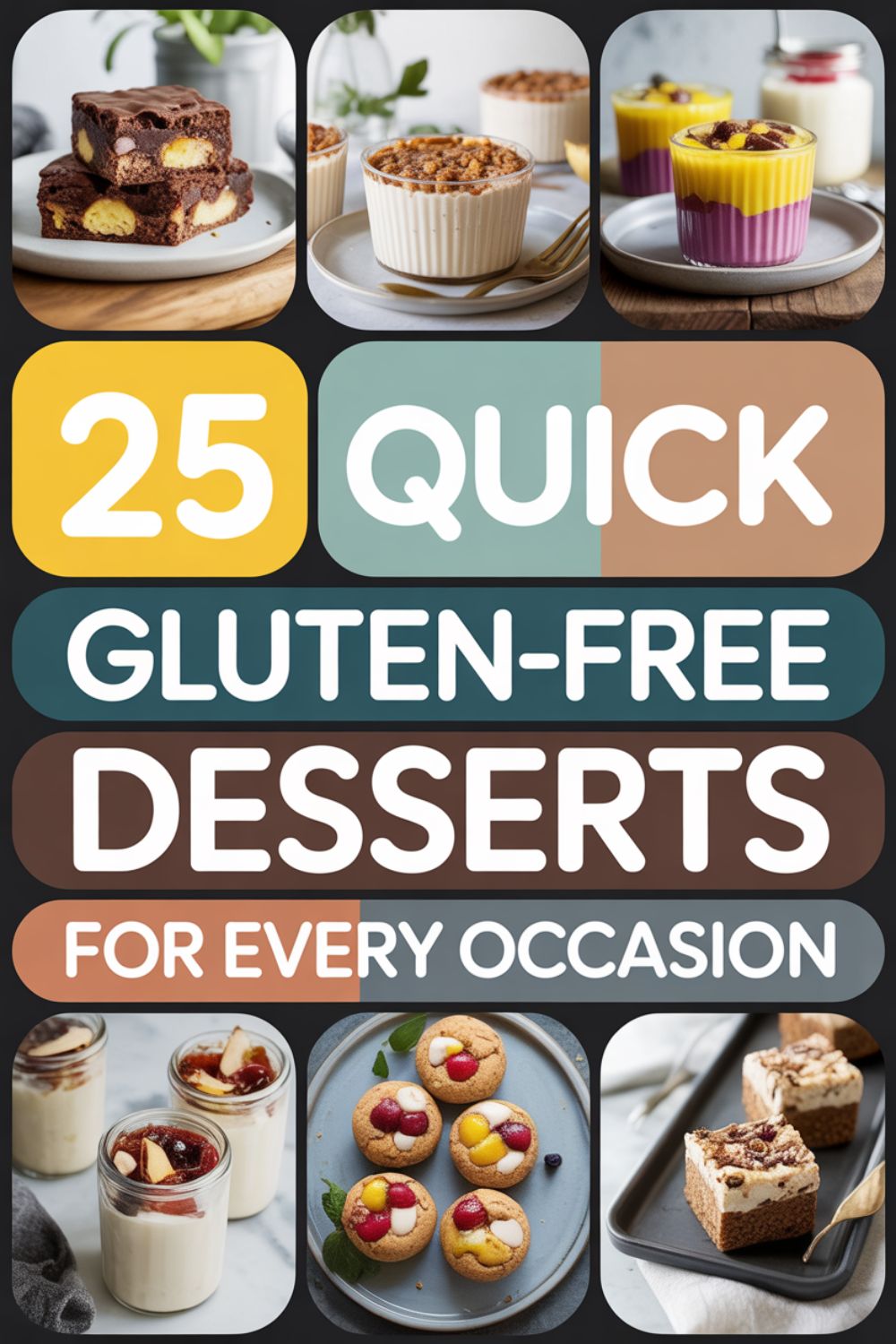
These are the kitchen basics that make these recipes easy: creamy, rich and picture-perfect, the kind of treat your family asks for again and again.
- silicone muffin panCheck today’s price →
- parchment paperCheck today’s price →
- kitchen torchCheck today’s price →
- double boilerCheck today’s price →
Amazon prices and deals change often, so it’s worth checking today’s price.
Why Gluten-Free Baking Actually Works
Before we dive into the recipes, let’s get one thing straight: gluten-free baking isn’t just about swapping regular flour for something else. According to Mayo Clinic, gluten is the protein that gives traditional baked goods their structure and chewiness. When you remove it, you need to compensate with other ingredients.
The good news? Ingredients like almond flour are actually more nutritious than all-purpose flour. We’re talking higher protein content, more healthy fats, and a lower glycemic index. Almond flour is packed with vitamin E and magnesium, which means your desserts are doing double duty—satisfying your sweet tooth while delivering actual nutrients.
FYI, coconut flour behaves completely differently than almond flour. Coconut flour absorbs liquid like a sponge, so you’ll need to adjust your recipes accordingly. But once you understand these quirks, you’ll be turning out bakery-quality treats in no time.
Pro Tip:
Store your gluten-free flours in the freezer. They have higher fat content than wheat flour and can go rancid quickly at room temperature. Plus, cold flour actually makes better pie crusts.
Quick and Easy Gluten-Free Desserts
1. Flourless Chocolate Lava Cakes
These are ridiculously easy and taste like something from a fancy restaurant. You basically melt chocolate and butter, whisk in some eggs and sugar, and bake for exactly 12 minutes. The center stays molten while the edges set up perfectly.
I use a silicone muffin pan for these because nothing sticks, and cleanup takes about 30 seconds. Trust me, after you’ve made these once, you’ll be that person who volunteers to bring dessert to every gathering.
2. No-Bake Peanut Butter Balls
Sometimes you just need something sweet right now. Mix peanut butter with honey and certified gluten-free oats, roll into balls, and coat in melted dark chocolate. They’re done in 20 minutes, and they’re the perfect combo of salty and sweet.
One thing though—make sure your oats are certified gluten-free. Regular oats can be cross-contaminated during processing, and even trace amounts of gluten can cause issues for people with celiac disease.
3. Almond Flour Brownies
These brownies are so fudgy that people never believe they’re gluten-free. The secret is using a mix of almond flour and cocoa powder, plus adding an extra egg for structure. See next: 25 Quick Gluten-Free Desserts for Every Occasion →
I always bake these in an 8×8 inch square pan—the smaller size makes them extra thick and decadent. And yes, they’re even better the next day after they’ve had time to set up in the fridge.
Looking for more quick treats? Try these easy desserts you can make in under 30 minutes or whip up some quick mug cakes when you’re craving something sweet but don’t want to dirty a million dishes.
Crowd-Pleasing Gluten-Free Desserts
4. Coconut Macaroons
Macaroons are naturally gluten-free, which makes them perfect for mixed gatherings. You only need shredded coconut, egg whites, sugar, and vanilla. They’re chewy on the inside with crispy edges, and you can dip the bottoms in chocolate if you’re feeling fancy.
5. Crustless Cheesecake
Why deal with making a gluten-free crust when you can skip it entirely? A crustless cheesecake is just as delicious, and honestly, most people are there for the creamy filling anyway. Just make sure you use full-fat cream cheese—the low-fat stuff never sets up properly.
6. Pavlova with Fresh Berries
Pavlova is basically a giant meringue topped with whipped cream and fruit. It’s crispy on the outside, marshmallowy in the middle, and naturally gluten-free. The trick is to bake it low and slow, then let it cool completely in the oven with the door cracked.
“I made the pavlova for my daughter’s birthday party, and three people asked me for the recipe. Nobody even noticed it was gluten-free until I mentioned it. It’s officially my new go-to dessert.” – Sarah M., community member
7. Chocolate-Covered Strawberries
Sometimes the simplest things are the best. Melt some good quality chocolate (make sure it’s gluten-free—some brands add malt), dip fresh strawberries, and let them set on parchment paper. Done.
Gluten-Free Desserts for Special Occasions
8. Flourless Chocolate Cake
This is the dessert that converted me to gluten-free baking. It’s intensely chocolatey, with a texture somewhere between a cake and a truffle. You serve it in thin slices because it’s so rich, and it actually tastes better when made a day ahead.
The base is just chocolate, butter, eggs, and sugar. That’s it. No flour, no leavening agents, no complicated techniques. You can dress it up with raspberry sauce or keep it simple with a dusting of powdered sugar.
9. Italian Almond Cookies (Amaretti)
These cookies have been naturally gluten-free for centuries. They’re made with almond paste, egg whites, and sugar, and they have this amazing crispy exterior with a chewy center. See next: 23 Gluten-Free Easter Sweets →
10. Coconut Cream Pie
Yes, you can make a gluten-free pie crust, but honestly? I usually buy a pre-made one from brands that specialize in gluten-free products. Life’s too short to stress over pie crust when the filling is the star of the show anyway.
The coconut cream filling is stupid easy—coconut milk, sugar, cornstarch, and shredded coconut. Top it with whipped cream and toasted coconut flakes, and you’ve got a dessert that looks like you spent hours on it.
Quick Win:
Buy a kitchen torch and use it to toast coconut, make creme brulee, or get that perfect golden top on meringues. It’s one of those tools you think you don’t need until you have it, then you use it constantly.
11. Gluten-Free Lemon Bars
The crust is where gluten-free lemon bars usually fail, but I’ve cracked the code. Use a mix of almond flour and coconut flour with plenty of butter, and press it firmly into the pan before baking. The lemon filling is naturally gluten-free since it’s mostly eggs, lemon juice, and sugar.
12. Tiramisu
Traditional tiramisu uses ladyfinger cookies, but you can easily swap those for gluten-free versions. The mascarpone filling is naturally gluten-free, and honestly, the coffee-soaked cookies and creamy layers are what people remember anyway.
Speaking of easy treats, you might also love these easy dessert bars for on-the-go treats—perfect for when you need something portable that won’t fall apart in your bag.
No-Bake Gluten-Free Desserts
13. Chocolate Mousse
Sometimes the best desserts are the simplest. Real chocolate mousse is just chocolate, eggs, cream, and sugar. No flour, no stabilizers, no weird ingredients. The texture is incredibly light and airy, and it takes maybe 20 minutes to make.
14. Panna Cotta
Panna cotta is one of those desserts that sounds fancy but is actually foolproof. You heat cream with sugar, add gelatin, pour it into molds, and chill. That’s it. Top it with berries or a fruit compote, and you’ve got a restaurant-quality dessert.
15. No-Bake Cheesecake Cups
Individual desserts always feel more special than cutting slices from a big pan. Mix cream cheese, sugar, and whipped cream, spoon into cups with a gluten-free cookie crumb base, and chill. Done. See next: 23 Gluten-Free Brunch Treats That Will Impress Everyone at the Table →
If you’re into no-bake desserts, definitely check out these simple desserts that require no oven. They’re lifesavers during summer when you don’t want to heat up your kitchen.
16. Frozen Chocolate Banana Bites
Cut bananas into rounds, dip in melted chocolate, and freeze. That’s the whole recipe. You can roll them in crushed nuts or coconut before the chocolate sets, but they’re perfect as-is.
Pro Tip:
Use a double boiler to melt chocolate instead of the microwave. It takes an extra few minutes, but you’ll never burn your chocolate or end up with that weird grainy texture that happens when chocolate gets too hot.
Kid-Friendly Gluten-Free Desserts
17. Rice Krispie Treats
Rice Krispies are naturally gluten-free (just make sure the package says so), and the classic recipe is already perfect. Melt marshmallows with butter, mix with the cereal, press into a pan. Kids love making these, and they’re great for class parties where you need to accommodate food allergies.
18. Chocolate-Covered Pretzels
Buy gluten-free pretzels, melt some chocolate, and let kids go wild with the dipping and decorating. Add sprinkles, crushed candy canes, or mini chocolate chips before the chocolate sets.
19. Fruit Pizza
Use a gluten-free sugar cookie dough for the base, spread it with a cream cheese frosting, and top with sliced fruit arranged in a pretty pattern. Kids think it’s the coolest thing ever, and parents appreciate that there’s actual fruit involved.
For more ideas on baking with little helpers, check out these easy desserts to make with kids. They’re all simple enough that kids can actually help without you wanting to tear your hair out.
20. Gluten-Free Ice Cream Sandwiches
Bake gluten-free chocolate chip cookies slightly underdone so they stay chewy, let them cool completely, then sandwich ice cream between two cookies. Wrap them individually and freeze. They’re better than anything you can buy at the store.
Advanced Gluten-Free Desserts
21. French Macarons
Okay, macarons have a reputation for being difficult, but they’re actually naturally gluten-free. The whole recipe is almond flour, powdered sugar, and egg whites. The trick is getting the technique right—mixing to the correct consistency, letting them rest before baking, and nailing the oven temperature.
I won’t lie, your first batch might be ugly. But the second or third time? You’ll be cranking out bakery-quality macarons. And once you figure them out, you can experiment with endless flavor combinations.
22. Creme Brulee
This is one of those desserts that seems intimidating but is actually just custard with a sugar crust. Heavy cream, egg yolks, sugar, and vanilla. Bake them in a water bath, chill, top with sugar, and torch it until it caramelizes. The dramatic crack when you break through that sugar crust never gets old.
23. Gluten-Free Cake Layers
Want to make a legit birthday cake? You can absolutely bake layer cakes with gluten-free flour blends. The key is adding xanthan gum if your flour blend doesn’t already include it—this helps replace the binding properties of gluten. See next: 21 Gluten-Free Spring Treats →
I prefer using 1:1 gluten-free flour blends for cakes because they’re formulated to work as a direct substitute. And honestly? Nobody can tell the difference once you frost it. Check out these birthday cake ideas that are easy to make for more inspiration.
24. Soufflé
Soufflés are naturally gluten-free and way less scary than their reputation suggests. You make a base (either chocolate or fruit-based), fold in whipped egg whites, and bake immediately. They rise dramatically in the oven and have this incredible light, airy texture.
25. Gluten-Free Cream Puffs
Cream puffs (choux pastry) can be made gluten-free by using a gluten-free flour blend. The technique is a bit different—you cook the dough on the stovetop first, which gelatinizes the starches and helps create that hollow center. Fill them with whipped cream or pastry cream, and dust with powdered sugar.
“I’ve been avoiding cream puffs for years since going gluten-free. Finally tried making them with a gluten-free blend, and they worked perfectly. The texture was exactly what I remembered, and my kids couldn’t believe I made them from scratch.” – Mike R., community member
Essential Tools and Ingredients
If you’re serious about gluten-free baking, there are a few things worth investing in. Here’s what I actually use constantly:
Must-Have Ingredients:
- Almond flour – Get the finely ground blanched variety for the best texture
- Coconut flour – A little goes a long way; use it to add structure
- 1:1 gluten-free flour blend – For when you want to convert traditional recipes
- Xanthan gum – Helps bind ingredients together in place of gluten
- Certified gluten-free oats – Essential for cookies, crumbles, and no-bake treats
Kitchen Tools That Make Life Easier:
- Digital kitchen scale – Gluten-free baking is more precise; weighing ingredients helps
- Silicone baking mats – Nothing sticks to these, and you’ll never buy parchment paper again
- Stand mixer – Not essential, but it makes whipping egg whites and creaming butter so much easier
- Offset spatula – For spreading frosting and batter evenly
- Kitchen torch – For bruleed sugar tops and toasting meringue
IMO, the digital scale is the single most important tool. Gluten-free flours have different densities than wheat flour, and measuring by weight gives you consistent results every time.
Common Gluten-Free Baking Mistakes
Look, I’ve made every mistake in the book, so let me save you some time and ingredients. Here are the biggest pitfalls:
Not letting the batter rest. Gluten-free batters often need 10-15 minutes to hydrate properly. If you bake immediately, you might end up with gritty textures. Just mix your batter, let it sit while the oven preheats, and you’ll get better results.
Overbaking everything. Gluten-free baked goods can go from perfectly done to dry and crumbly in minutes. Set your timer for a few minutes earlier than you think you need, and check frequently toward the end. They’ll continue cooking a bit as they cool.
Expecting the same texture as wheat flour. This is the big one. Gluten-free desserts have their own texture profile—often denser, sometimes more crumbly, but equally delicious. Once you stop comparing them to traditional baked goods and appreciate them for what they are, everything gets easier.
Not checking for cross-contamination. If someone in your household has celiac disease, you need separate everything—cutting boards, toasters, wooden spoons. Even trace amounts of gluten can cause problems. Mayo Clinic recommends treating gluten like any other allergen, which means being vigilant about cross-contamination in your kitchen.
Quick Win:
Label everything in your pantry. Get a label maker and mark all your gluten-free flours, baking mixes, and ingredients. It prevents accidents and makes baking less stressful when you can grab what you need without second-guessing.
Making Gluten-Free Desserts Ahead
One of the best things about gluten-free desserts? Many of them actually taste better after a day or two. The flavors meld, the textures improve, and you get to enjoy the actual party instead of being stuck in the kitchen.
Brownies and bars are perfect make-ahead desserts. Bake them two days before you need them, cut into squares, and store in an airtight container. They’ll stay fresh and fudgy. If you’re into meal prep, check out these easy desserts you can freeze for later.
Flourless chocolate cake actually needs to be made ahead. It’s best when baked the day before, cooled completely, and chilled overnight. The texture becomes denser and more truffle-like.
Cookies can be frozen as dough balls, then baked fresh whenever you need them. Just add an extra minute or two to the baking time if you’re starting from frozen.
Mousses and panna cottas need time to set anyway, so make them the night before. They’re actually better after sitting in the fridge for 12-24 hours because the flavors have time to develop.
For super simple options that come together quickly, you might want to explore these 5-ingredient desserts or these 3-ingredient desserts—proof that you don’t need a million ingredients to make something delicious.
Frequently Asked Questions
Can I substitute regular flour with gluten-free flour in any recipe?
Not exactly. While 1:1 gluten-free flour blends are designed to work as direct substitutes in most recipes, you might need to adjust liquid ratios or add binding agents like xanthan gum. Delicate recipes like cakes might need tweaking, but cookies and brownies usually work well with straightforward substitutions. Start with recipes specifically designed for gluten-free flour until you get comfortable making adjustments.
Why do my gluten-free baked goods always turn out crumbly?
This usually happens when there’s not enough binding. Without gluten to hold things together, you need other binders—eggs, xanthan gum, or extra moisture. Also, make sure you’re not overbaking; gluten-free treats go from done to dry very quickly. Adding an extra egg or letting the batter rest for 10-15 minutes before baking can help create better structure.
Are all gluten-free desserts automatically healthier?
Definitely not. A gluten-free cookie can have just as much sugar, butter, and calories as a regular cookie. The main difference is that some gluten-free flours, like almond flour, do pack more nutrients than refined wheat flour. But if you’re using gluten-free flour for health reasons beyond celiac disease or gluten sensitivity, remember that dessert is dessert—enjoy it in moderation regardless of what flour it contains.
What’s the difference between almond flour and almond meal?
Almond flour is made from blanched almonds (skins removed) and ground into a fine powder, giving it a lighter color and smoother texture. Almond meal is made from whole almonds with skins still on, resulting in a coarser texture and darker color with more fiber. For most desserts, almond flour gives you better results, but almond meal works great in cookies and crusts where texture isn’t as critical.
How long do gluten-free desserts stay fresh?
Most gluten-free baked goods stay fresh for 2-3 days at room temperature in an airtight container. However, because many gluten-free flours contain more oils than wheat flour, they can go stale faster. Refrigerating extends shelf life to about a week, and most items freeze beautifully for up to three months. Just make sure everything is completely cool before storing to prevent moisture buildup.
Final Thoughts
Here’s the truth about gluten-free desserts: they’re not a compromise. They’re not something you resign yourself to because you have to avoid gluten. When done right, they’re legitimately delicious desserts that happen to be gluten-free.
The key is understanding that they work differently than traditional baking. Once you stop trying to make them behave like wheat-based desserts and work with their unique properties, everything clicks. Almond flour makes incredible brownies. Coconut flour creates perfectly chewy cookies. Flourless chocolate cakes are richer and more decadent than any cake with flour could ever be.
Start with the easy stuff—flourless chocolate lava cakes, no-bake treats, naturally gluten-free desserts like pavlova. Build your confidence, stock your pantry with the right ingredients, and experiment. You’ll have disasters (I once made brownies that had the texture of pencil erasers), but you’ll also discover desserts that become your signature recipes.
Whether you’re baking for someone with celiac disease, exploring gluten-free options for your own health, or just curious about alternative baking, these 25 desserts prove that you don’t need gluten to make something spectacular. Now stop reading and go make something sweet.