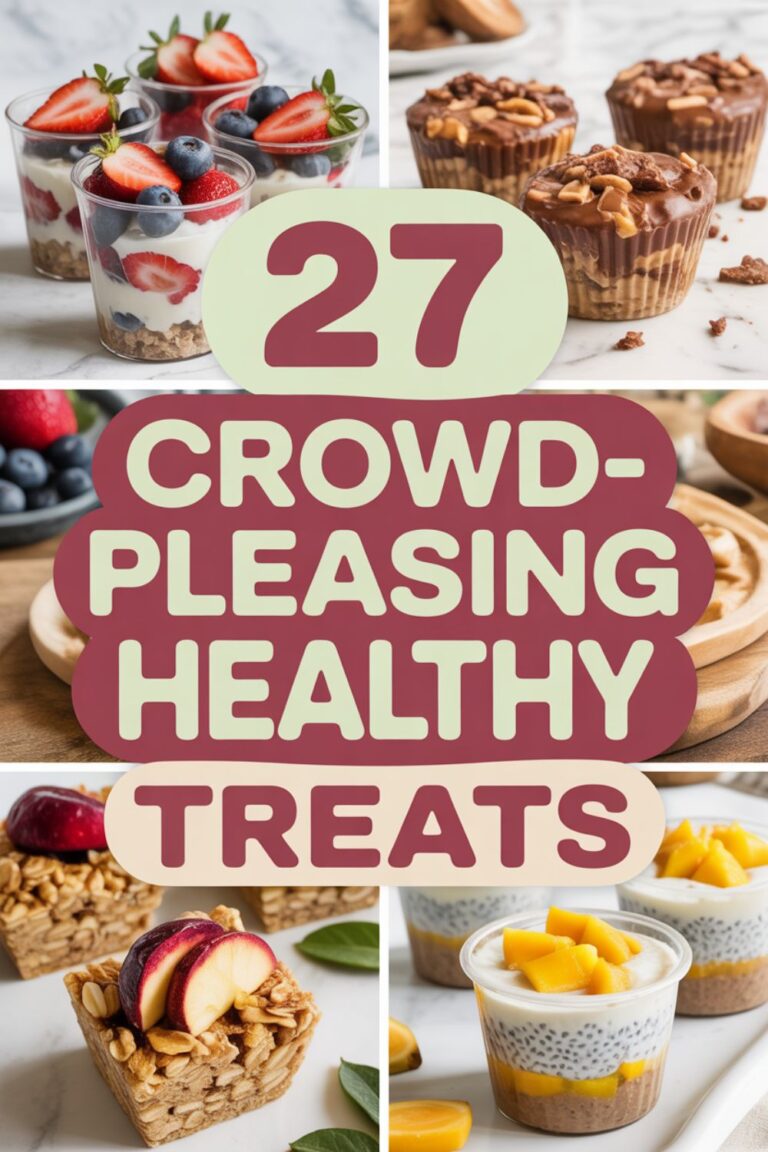
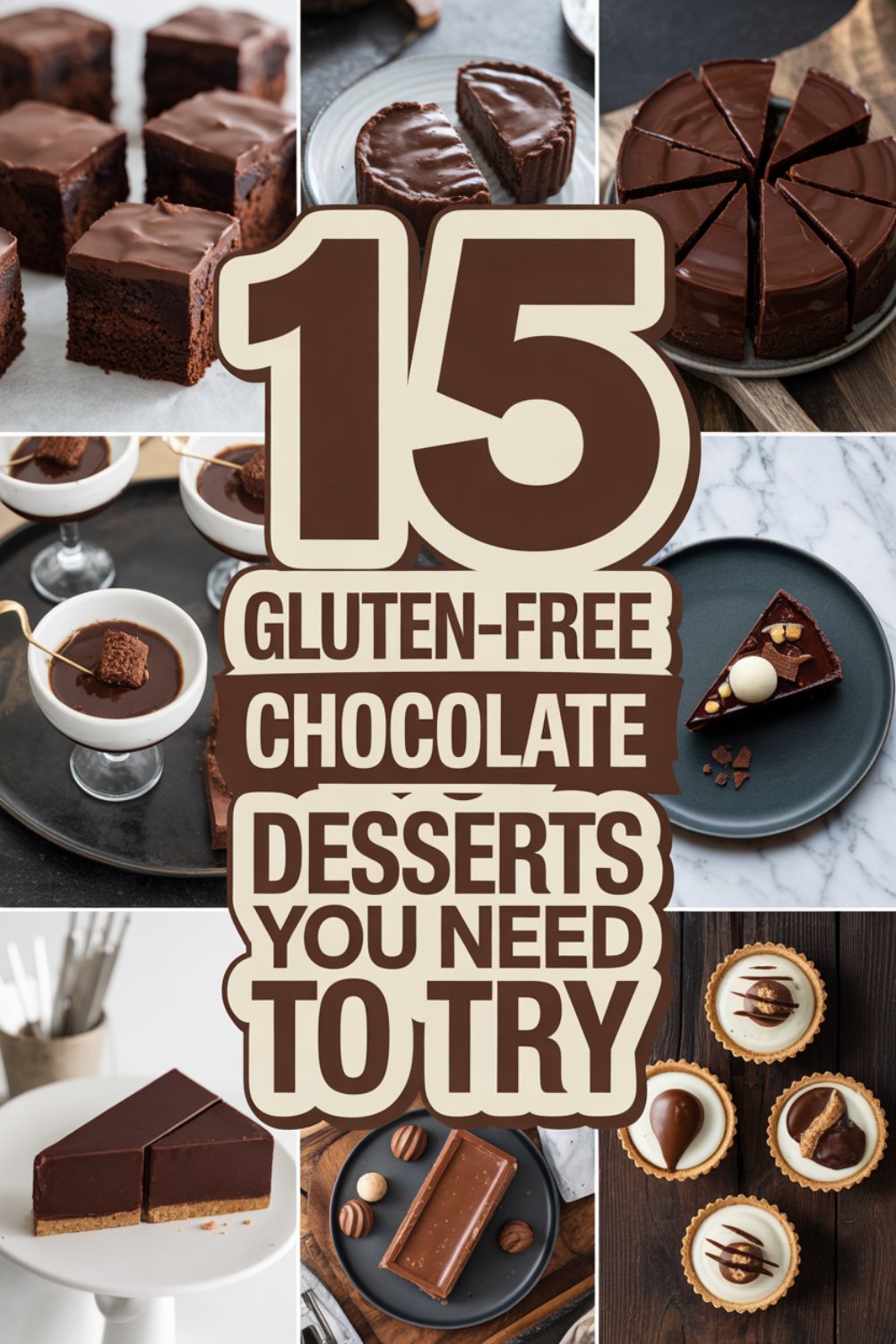
15 Gluten-Free Chocolate Desserts You Need to Try

15 Gluten-Free Chocolate Desserts You Need to Try
Look, I get it. Going gluten-free doesn’t mean you should have to give up chocolate desserts. And honestly? Some of the best chocolate treats I’ve ever made happened to be gluten-free. No joke.
Whether you’re dealing with celiac disease, gluten sensitivity, or you’re just trying to cut back on gluten for personal reasons, you deserve desserts that actually taste incredible. Not those sad, crumbly imposters that fall apart in your hands and taste like cardboard had a baby with disappointment.
These are the kitchen basics that make these recipes easy: creamy, rich and picture-perfect, the kind of treat your family asks for again and again.
- high-speed blenderCheck today’s price →
- these glass mason jarsCheck today’s price →
- ramekinsCheck today’s price →
- mini muffin linersCheck today’s price →
Amazon prices and deals change often, so it’s worth checking today’s price.
Why Gluten-Free Chocolate Desserts Actually Work
Here’s something wild: chocolate desserts are often easier to make gluten-free than other baked goods. Why? Because chocolate itself brings so much richness and structure to desserts that you don’t need to rely as heavily on gluten for texture.
Traditional baking relies on gluten—a protein found in wheat, barley, and rye—to create structure and elasticity. But when you’re working with chocolate’s natural fats and cocoa solids, you get a ton of that structure from the chocolate itself. Add in some smart ingredient swaps like almond flour, coconut flour, or a solid gluten-free flour blend, and you’re golden.
According to Beyond Celiac, the key to successful gluten-free baking is understanding how different flours work together. Unlike wheat flour, which can handle abuse, gluten-free flours need a gentler touch and often work best in combination.
When baking gluten-free chocolate desserts, let your batter rest for 10-15 minutes before baking. This gives the flours time to hydrate properly, resulting in better texture and less crumbling.
1. Flourless Chocolate Cake
Let’s start with the OG gluten-free chocolate dessert: flourless chocolate cake. This dessert is naturally gluten-free because it literally contains no flour. Just eggs, butter, sugar, and a serious amount of chocolate.
The texture is dense, fudgy, and ridiculously decadent. It’s one of those desserts that makes people go quiet while they eat because they’re too busy having a religious experience. I make mine with 70% dark chocolate and serve it with barely sweetened whipped cream—the bitterness of the chocolate needs that touch of sweetness to balance it out.
One trick I learned: bake it in a water bath. Yeah, it’s an extra step, but it keeps the edges from overcooking while the center stays gloriously molten. Trust me on this one.
The Science Behind It
Eggs do all the heavy lifting here. When you whip them with sugar, you’re incorporating air that creates structure as it bakes. The chocolate provides richness and body. No gluten needed. Research published in scientific journals shows that properly whipped eggs can create structural networks similar to gluten in certain applications.
If you’re looking for more quick dessert ideas that skip the complicated steps, you might love these 25 easy desserts you can make in under 30 minutes.
2. Chocolate Avocado Mousse
Yeah, I know. Avocado in dessert sounds like something a wellness influencer made up while doing yoga on a paddleboard. But hear me out: this actually works.
The avocado provides this insanely creamy texture without any dairy, and when you blend it with cocoa powder, a bit of maple syrup, and vanilla, you genuinely can’t taste the avocado. What you get instead is a rich, silky chocolate mousse that happens to be packed with healthy fats.
I use my high-speed blender for this because it needs to be completely smooth—no chunks allowed. The avocado needs to disappear entirely into the chocolate.
“I made this for my book club and didn’t tell anyone it had avocado in it. They devoured it and asked for the recipe. When I revealed the secret ingredient, two people literally didn’t believe me.” — Jennifer M., Sacramento
3. Gluten-Free Chocolate Brownies
Brownies are where gluten-free baking really shines. The dense, fudgy texture that everyone loves in a brownie? That’s actually easier to achieve without traditional flour.
My go-to recipe uses almond flour as the base, which adds a subtle nutty flavor that complements the chocolate perfectly. I also throw in some espresso powder—not enough to make them taste like coffee, just enough to intensify the chocolate flavor. It’s a baker’s secret that makes people wonder why your brownies taste so much better than theirs.
The trick with gluten-free brownies is not overbaking them. Pull them out when they still look slightly underdone in the center. They’ll continue cooking as they cool, and you’ll end up with that perfect fudgy texture instead of dry, cakey brownies.
Ingredient Spotlight: Almond Flour vs. Coconut Flour
Almond flour gives you a closer approximation to traditional brownies—moist, dense, and rich. Coconut flour, on the other hand, is super absorbent and can make things dry if you’re not careful. For brownies, I stick with almond flour every time. Save the coconut flour for chocolate muffins or cakes where you want a lighter crumb.
Speaking of brownies and easy treats, check out these 20 easy dessert bars for on-the-go treats that travel well and satisfy any chocolate craving.
Line your brownie pan with parchment paper with overhanging edges. You can lift the entire brownie slab out for perfect, clean cuts. No more mangled corner pieces.
4. Chocolate Coconut Macaroons
These little guys are naturally gluten-free and incredibly easy to make. Just shredded coconut, egg whites, sugar, and cocoa powder. That’s it.
I dip the bottoms in melted dark chocolate because I’m not an animal, but technically that’s optional. They have this amazing chewy texture on the inside with crispy edges. Plus, they keep for days in an airtight container, which makes them perfect for meal prep or when you need a chocolate fix without turning on the oven for a full hour.
Pro move: add a pinch of sea salt to the chocolate you use for dipping. Sweet and salty chocolate coconut macaroons will ruin regular ones for you forever, so proceed with caution.
5. Dark Chocolate Truffles
If you want to impress literally anyone, make homemade truffles. They look fancy, taste expensive, and are shockingly easy to make. Plus, they’re naturally gluten-free.
The base is just chocolate and cream—that’s it. You melt them together, let the mixture firm up in the fridge, then roll into balls and coat them in cocoa powder, chopped nuts, or more melted chocolate. The whole process takes maybe 20 minutes of active work.
I like rolling mine in high-quality Dutch-process cocoa powder because it has this deep, almost black color and a smooth, refined flavor. Regular cocoa works fine too, but if you’re already making truffles, might as well go all in.
Studies on dark chocolate’s health benefits show that chocolate with higher cocoa content contains more flavanols—powerful antioxidants that may support heart health. So basically, you’re eating medicine. You’re welcome.
Flavor Variations Worth Trying
Once you nail the basic truffle, the world is your chocolate-covered oyster. Roll them in crushed freeze-dried raspberries for a tart contrast. Add a tiny bit of cayenne pepper to the ganache for spicy chocolate truffles. Mix in some orange zest. The possibilities are endless, and they all taste incredible.
6. Chocolate Chia Seed Pudding
This is my lazy person dessert. And I mean that in the best possible way.
You literally just mix chia seeds with cocoa powder, your milk of choice, and a sweetener, then stick it in the fridge overnight. The chia seeds absorb the liquid and create this pudding-like texture that’s weirdly satisfying. Add some chocolate chips or fresh berries on top, and you’ve got yourself a dessert that’s actually somewhat nutritious.
The texture takes some getting used to if you’ve never had chia pudding before—it’s a bit tapioca-like—but once you’re on board, it’s game over. I make a big batch on Sunday and have chocolate dessert waiting for me all week. It’s basically adulting done right.
I store mine in these glass mason jars so I can grab one and go. Makes weekday desserts feel way more intentional than eating chocolate chips straight from the bag at 10 PM. Not that I’ve ever done that.
“I was skeptical about the texture, but this has become my go-to late-night chocolate fix. I add a spoonful of peanut butter on top and it’s like a healthier Reese’s cup situation.” — Marcus T., Chicago
7. Gluten-Free Chocolate Lava Cakes
Chocolate lava cakes are dramatic. They’re the dessert equivalent of a mic drop. You crack into them with a spoon, and molten chocolate comes pouring out like you’re some sort of pastry wizard.
The gluten-free version works exactly the same as the traditional one because these cakes are basically just underbaked chocolate cake batter. The key is getting the timing exactly right—too long in the oven and you’ve got regular chocolate cakes (still good, but not lava cakes). Too short and they’re just warm chocolate soup.
I use individual ramekins and butter them generously, then dust them with cocoa powder instead of flour. The cakes pop right out, and that cocoa coating adds extra chocolate flavor. Because if we’re doing chocolate lava cakes, we’re not messing around with half measures.
For more impressively easy dessert ideas, check out this collection of 12 easy desserts to make with kids—many of which can be adapted to be gluten-free.
8. Chocolate Banana Ice Cream
This one’s almost too easy to be real. You freeze bananas, blend them with cocoa powder, and end up with something that tastes remarkably like chocolate ice cream. No ice cream maker needed. No dairy required. Just frozen bananas doing their weird magical thing.
The texture is softer than traditional ice cream—more like soft-serve—but the flavor is legit. I throw in a spoonful of almond butter sometimes because chocolate and almond are best friends. You can also add a splash of vanilla extract or a handful of chocolate chips if you want chunks.
Fair warning: use ripe bananas with lots of brown spots. Underripe bananas will make it taste, well, like frozen underripe bananas with cocoa powder. Not the vibe we’re going for.
9. Mexican Hot Chocolate Cookies
These cookies bring some heat—literally. They’re spiced with cinnamon and cayenne pepper, giving you that traditional Mexican hot chocolate flavor in cookie form.
I use a blend of gluten-free flour that includes some oat flour for a slightly chewy texture. The cookies are rolled in cinnamon sugar before baking, so you get this amazing crunchy exterior with a soft, spicy chocolate center. They’re particularly good in winter when you want something warming and cozy.
The cayenne is subtle—you shouldn’t feel like your mouth is on fire. It should just give you this gentle warmth in the back of your throat that makes you reach for another cookie. Start with a tiny pinch and adjust to your heat tolerance.
Chill the cookie dough for at least 30 minutes before baking. This prevents them from spreading too thin and gives you thicker, chewier cookies with better texture.
10. Chocolate Peanut Butter Cups
Homemade peanut butter cups are ridiculously better than store-bought. And I say that as someone who has a deep, abiding love for the store-bought kind.
You just need chocolate chips and peanut butter. Melt some chocolate, pour it into mini muffin liners, add a dollop of peanut butter, then cover with more chocolate. Freeze them until they’re solid, and boom—you’ve got peanut butter cups that taste like actual chocolate instead of chocolate-flavored wax.
I use natural peanut butter because I’m fancy like that, but any peanut butter works. You can also sub in almond butter, cashew butter, or sunflower seed butter if you’re dealing with peanut allergies. The formula stays the same.
Research shows that cocoa powder and dark chocolate are rich in flavanols, antioxidants that may support brain health and cognitive function. So you’re basically making brain food. With peanut butter.
11. Flourless Chocolate Chip Cookies
These cookies are made with almond butter as the base instead of flour, and they’re dangerously good. Like, hide-them-from-yourself good.
The texture is soft and slightly chewy with crispy edges. They taste rich and nutty with pockets of melted chocolate throughout. And because there’s no flour, they come together in one bowl in about five minutes. It’s almost unfair how easy they are.
I like using mini chocolate chips because you get more chocolate in every bite without the cookies becoming too heavy. Regular chocolate chips work too, obviously, but I’m particular about chocolate distribution in my cookies.
If you’re into quick, no-fuss desserts, you’ll love these 15 simple desserts that require no oven. Perfect for summer or when you just can’t be bothered with baking.
12. Chocolate Quinoa Bark
This one’s a bit unconventional, but trust me. You toast quinoa until it’s crispy, melt some dark chocolate, mix them together with dried fruit and nuts, then spread it thin and let it harden. The result is this crunchy, interesting chocolate bark that’s way more exciting than plain chocolate.
The toasted quinoa adds this nutty, popcorn-like crunch that makes the chocolate bark actually substantial instead of just thin chocolate that breaks into shards. I throw in dried cherries and pistachios because the color combo is gorgeous, but you can use whatever you have on hand.
Break it into irregular pieces and store it in an airtight container. It keeps for weeks, making it perfect for gift-giving or for stashing in your desk drawer for chocolate emergencies. You know, the usual.
Nutrient Boost
Quinoa is a complete protein, meaning it contains all nine essential amino acids. Combined with the antioxidants in dark chocolate, you’re getting a surprisingly nutritious treat. Well, as nutritious as chocolate bark can be.
13. Chocolate Sweet Potato Brownies
Before you make that face, just listen. Sweet potato puree makes these brownies incredibly moist and adds a subtle sweetness that lets you cut back on added sugar. You genuinely cannot taste the sweet potato—it just makes the texture perfect.
These brownies are dense, fudgy, and naturally gluten-free since they use almond flour and cocoa powder as the base. The sweet potato keeps them from drying out, which is a common problem with gluten-free baked goods. Plus, you get some vitamins and fiber along with your chocolate fix. Win-win.
I bake mine in a silicone brownie pan because they pop out perfectly without sticking, and there’s less cleanup. But a regular pan lined with parchment paper works just fine too.
“My kids have no idea there’s sweet potato in these, and I’m not telling them. They think I’m just really good at making brownies, and I’m letting them believe it.” — Rachel K., Portland
14. Chocolate Protein Balls
These are barely dessert and more like energy balls that happen to taste like brownie batter. But I’m counting them because they satisfy chocolate cravings without requiring any actual baking.
The base is dates, cocoa powder, and protein powder, blended together until they stick together. Roll them into balls, and you’ve got portable chocolate snacks that are actually filling. I keep a batch in the fridge at all times for when I need something chocolate but don’t want to commit to a full dessert.
You can roll them in cocoa powder, shredded coconut, or crushed nuts for different coatings. I usually do cocoa powder because I’m lazy and it’s already in the recipe. But variety is the spice of life or whatever.
For more make-ahead dessert options, these 20 easy desserts you can freeze for later are game-changers for meal prep.
15. Gluten-Free Chocolate Cake
Saving the best for last: a proper chocolate layer cake that happens to be gluten-free. This is your birthday cake, your celebration cake, your “I survived Monday” cake.
The secret to a great gluten-free chocolate cake is using a combination of flours—I use rice flour, tapioca starch, and almond flour—along with xanthan gum for structure. The result is a tender, moist cake that doesn’t crumble into dust when you try to frost it.
I frost it with chocolate buttercream made with real butter and high-quality cocoa powder. None of that canned frosting nonsense. If you’re going to make a chocolate cake from scratch, go all in on the frosting too.
One thing about gluten-free cakes: they’re often better the next day. The flavors meld together, and the texture improves as the flours continue to hydrate. So make it a day ahead if you’re planning for a special occasion. Your future self will thank you.
And if you’re feeling extra fancy, try incorporating some techniques from these 25 birthday cake ideas that are easy to make to take your chocolate cake to the next level.
Kitchen Tools That Make Gluten-Free Baking Easier
- Digital Kitchen Scale – Gluten-free baking is all about precision. Measuring by weight is way more accurate than cups.
- High-Speed Blender – Essential for smooth mousses, protein balls, and banana ice cream.
- Silicone Baking Mats – Nothing sticks to these. Literally nothing. Life-changing for cookies and brownies.
- Gluten-Free Baking Guide eBook – Comprehensive resource on flour blends and substitutions.
- Chocolate Desserts Recipe Collection (Digital) – 50+ tested gluten-free chocolate recipes.
- Meal Prep Master Class – Learn how to batch-bake and store desserts for the week.
Tips for Gluten-Free Chocolate Baking Success
Let me save you from some rookie mistakes I made when I first started baking gluten-free. These tips will save you time, ingredients, and disappointment.
Measure Your Flour Properly
Gluten-free flours are tricky. They’re denser than regular flour, so if you’re scooping them with a measuring cup, you’re probably using too much. Get a kitchen scale and measure by weight. It makes a huge difference in consistency.
Don’t Skip the Xanthan Gum
I know, it sounds weird and chemical-y. But xanthan gum is what helps gluten-free baked goods hold together. Without it, your cakes and brownies might crumble apart. Just a little bit goes a long way—usually about 1/4 teaspoon per cup of flour.
Let Batters Rest
This is the tip most people skip, and it’s a game-changer. Gluten-free flours need time to absorb liquid. Let your cake and brownie batters sit for 10-15 minutes before baking. You’ll get better texture and less crumbling.
Store Flour Properly
Gluten-free flours, especially nut-based ones, can go rancid quickly. Keep them in airtight containers in the fridge or freezer. Yes, it takes up fridge space. But rancid almond flour tastes nasty and ruins your desserts. Not worth it.
Gluten-Free Baking Essentials
- Bob’s Red Mill 1-to-1 Gluten-Free Baking Flour – My go-to all-purpose blend.
- Super-Fine Almond Flour – Better texture than regular almond flour.
- Xanthan Gum – Essential for structure in gluten-free baking.
- WhatsApp Gluten-Free Baking Community – Join fellow bakers sharing tips, troubleshooting, and recipe swaps.
- Comprehensive Flour Blend Guide (Digital) – Learn which flours work best for different desserts.
For those moments when you need dessert but don’t want to make it from scratch, these 15 5-ingredient desserts you can whip up right now are clutch. Sometimes simple is better.
The Chocolate Quality Question
Quick word on chocolate: quality matters. Like, a lot.
When chocolate is the star ingredient, you want good chocolate. That doesn’t mean you need to drop $20 on a single bar of single-origin Ecuadorian chocolate (though if you want to, go for it). But it does mean avoiding those cheap chocolate chips that taste like sweetened wax.
Look for chocolate with a high percentage of cocoa—at least 60% for dark chocolate. The ingredient list should be short: cocoa, cocoa butter, sugar, maybe some vanilla. If there are a bunch of weird ingredients you can’t pronounce, skip it.
I buy my chocolate in bulk from this chocolate supplier because it’s way cheaper than buying small bars at the grocery store, and the quality is solid. Whenever you’re doing a lot of chocolate baking, buying in bulk just makes sense.
And if you’re looking for more desserts that rely on simple, quality ingredients, check out these 15 3-ingredient desserts you have to try. Minimal ingredients, maximum flavor.
Making Gluten-Free Desserts Dairy-Free Too
A lot of people who can’t do gluten also can’t do dairy. Good news: most of these chocolate desserts can easily be made dairy-free.
Swap butter for coconut oil or vegan butter. Use coconut cream instead of heavy cream. Replace milk with almond milk, oat milk, or any other plant-based milk. The chocolate flavor is usually strong enough that you won’t notice the dairy is missing.
The chocolate itself needs to be dairy-free too, obviously. Check labels—some dark chocolate contains milk solids even though it’s called “dark.” Look for chocolate that’s specifically labeled dairy-free or vegan to be safe.
IMO, the dairy-free versions of these desserts are just as good as the originals. Sometimes even better, especially if you’re using coconut cream in chocolate mousse. That combination is unreal.
Frequently Asked Questions
Can I use regular flour instead of gluten-free flour in these recipes?
You can, but you’ll need to adjust the ratios. Gluten-free flours absorb liquid differently than wheat flour, so straight substitutions don’t always work. If you’re not gluten-free, you’re better off finding a traditional recipe rather than trying to adapt these backwards.
Why do my gluten-free chocolate desserts always turn out crumbly?
Usually it’s because the batter is too dry or you’re overbaking. Try adding an extra egg or a couple tablespoons of milk to increase moisture. Also, pull desserts from the oven when they still look slightly underdone—they’ll continue cooking as they cool. And make sure you’re measuring your flour by weight, not volume.
What’s the best gluten-free flour for chocolate desserts?
For brownies and dense cakes, almond flour works great. For lighter cakes and cookies, use a commercial gluten-free blend that includes xanthan gum. Bob’s Red Mill 1-to-1 and King Arthur Measure for Measure are both solid options. Avoid using coconut flour exclusively—it’s super absorbent and can make things dry.
Are these desserts safe for people with celiac disease?
They can be, but you need to be careful about cross-contamination. Use dedicated gluten-free equipment, check that all your ingredients are certified gluten-free (including chocolate and baking powder), and make sure your workspace is thoroughly cleaned. Even trace amounts of gluten can cause issues for people with celiac disease.
Can I freeze gluten-free chocolate desserts?
Absolutely. Most of these freeze really well. Brownies, cookies, and cakes can all be frozen for up to three months. Wrap them tightly in plastic wrap and then in foil to prevent freezer burn. Thaw at room temperature before serving. The texture often improves after freezing because the moisture distributes more evenly.
The Bottom Line
Going gluten-free doesn’t mean giving up chocolate desserts. If anything, chocolate desserts are some of the easiest things to make gluten-free because chocolate itself brings so much richness and structure to the table.
Start with the flourless chocolate cake or chocolate avocado mousse if you’re new to gluten-free baking—both are pretty foolproof. Work your way up to the more complex stuff like layer cakes once you get a feel for how gluten-free flours behave.
And remember: gluten-free baking is more forgiving than you think. The batters can handle being mixed more than traditional batters, and if something doesn’t turn out perfect the first time, that’s okay. Take notes, adjust, and try again. The chocolate journey is worth it.