15 Rich and Creamy Pudding Recipes

15 Rich and Creamy Pudding Recipes
Look, I get it. You want dessert that doesn’t require a culinary degree or three hours of your life. Something that hits that sweet spot between “ridiculously indulgent” and “I can actually make this on a Tuesday night.” That’s exactly what pudding brings to the table.
Pudding’s been my go-to comfort dessert for years, and honestly? I think it’s wildly underrated. While everyone’s obsessing over elaborate layer cakes and Instagram-worthy donuts, pudding just sits there being perfect in its simplicity. It’s creamy, it’s satisfying, and it doesn’t judge you when you eat it straight from the bowl at 10 PM.
These 15 recipes range from classic vanilla that’ll transport you back to childhood, to more adventurous flavors that’ll make your taste buds do a little happy dance. Some take five minutes, others might need a bit more attention, but none of them are complicated enough to stress you out.
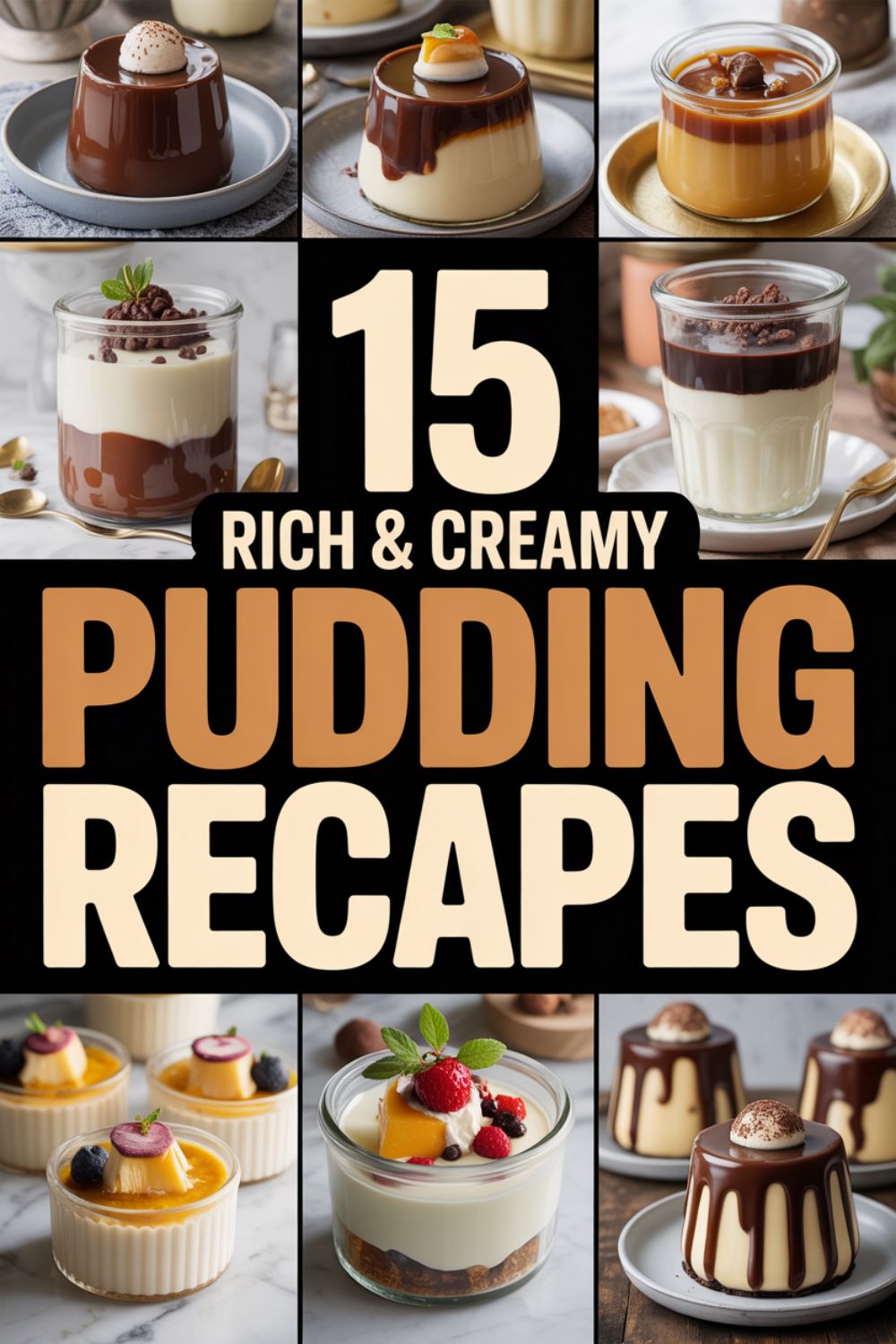
These are the kitchen basics that make these recipes easy: creamy, rich and picture-perfect, the kind of treat your family asks for again and again.
- double boilerCheck today’s price →
- Heavy-bottomed saucepanCheck today’s price →
- Silicone whiskCheck today’s price →
- Fine-mesh strainerCheck today’s price →
Amazon prices and deals change often, so it’s worth checking today’s price.
Why Pudding Deserves More Respect
Before we jump into the recipes, let’s talk about why pudding is actually kind of brilliant. First off, it’s versatile as hell. You can serve it warm on a cold night or chilled when it’s blazing hot outside. It works as a standalone dessert, a pie filling, or even a cake layer if you’re feeling fancy.
The texture is what really sets pudding apart. That silky, spoon-coating consistency comes from a beautiful marriage of dairy, eggs, and starch. When done right, it’s smooth enough to glide across your tongue but substantial enough to feel satisfying. According to nutritional research, milk-based puddings provide calcium and vitamin D, which support bone health – so at least you’re getting something beneficial along with your sugar fix.
Now, I’m not saying pudding is health food. But compared to other desserts, it’s relatively innocent. A typical serving has fewer calories than a slice of cake, and if you make it at home, you control exactly what goes in. No weird preservatives or artificial flavors – just real ingredients doing their thing.
Classic Vanilla Pudding
Let’s start with the OG. Vanilla pudding is where it all begins, and honestly, if you nail this one, you’ve got the foundation for pretty much every other pudding variation out there.
I use whole milk because anything less just doesn’t give you that luxurious mouthfeel. The trick is whisking constantly once you add the cornstarch slurry – and I mean constantly. Turn away for 30 seconds and you’ll have lumps, which is annoying but not the end of the world. Just strain it if that happens.
The vanilla extract goes in at the end, after you’ve killed the heat. This preserves that pure vanilla flavor instead of cooking it off. I’m talking about real vanilla extract here, not that imitation stuff. Trust me, your taste buds will thank you. See next: 25 Rich and Creamy Dessert Dips →
This vanilla pudding works brilliantly as a base for banana pudding or as a filling for birthday cakes. It’s also fantastic layered with fresh summer fruits in a trifle.
Dark Chocolate Pudding
If vanilla is the reliable friend who always shows up, chocolate pudding is the exciting one who makes everything more fun. I’m not talking about that watery, artificially-flavored stuff from pudding cups. This is the real deal – dark, intense, and ridiculously creamy.
The secret weapon here is using both cocoa powder and melted dark chocolate. The cocoa gives you that deep chocolate flavor, while the melted chocolate adds richness and a glossy finish. I go for at least 70% cacao because I like my chocolate pudding to taste like actual chocolate, not just sweetened brown goo.
You’ll need a double boiler or a heat-safe bowl over simmering water to melt the chocolate properly. Microwaving works in a pinch, but you risk scorching the chocolate, which makes it grainy and bitter. Not the vibe we’re going for.
Serve it warm with a dollop of whipped cream, or chill it for a few hours for a firmer texture. Either way, it’s phenomenal. For more chocolate inspiration, check out these classic chocolate desserts.
Butterscotch Pudding That Doesn’t Taste Fake
Real butterscotch pudding – not the artificial stuff – has this incredible caramelized depth that makes you wonder why anyone bothers with the fake version. The flavor comes from actual brown sugar and butter, cooked together until they form this gorgeous golden syrup.
Here’s the thing about butterscotch: you need to be patient. Making homemade pudding from scratch requires attention to detail, especially with butterscotch. Let that sugar and butter bubble away until it turns deep amber. If you pull it too early, you get boring caramel. Let it go too long, and it’s burnt and bitter. There’s a sweet spot – usually when it smells like heaven and looks like liquid gold.
I add a pinch of sea salt to mine because that sweet-salty thing is addictive. Mix your cornstarch with cold milk first before adding it to the hot butterscotch mixture, or you’ll end up with clumps. See next: 20 Rich and Creamy Ice Cream Recipes →
Kitchen Tools That Make Pudding Easier
- Heavy-bottomed saucepan – Essential for even heat distribution and preventing scorching
- Silicone whisk – Won’t scratch your pans and gets into corners better than metal
- Fine-mesh strainer – Insurance against lumps, even for experienced pudding makers
- Glass storage containers with lids – Perfect for individual servings and easy cleanup
- Digital kitchen thermometer – Takes the guesswork out of custard temperatures
- Silicone spatula set – For scraping every last bit of pudding from the pan
Rice Pudding Done Right
Rice pudding is comfort food at its finest, but it’s also where a lot of people mess up. The rice needs to be cooked just right – tender but not mushy, and definitely not crunchy. I use arborio rice because it releases starch as it cooks, making the pudding naturally creamier without needing a ton of thickeners.
The ratio is important here: roughly 4 cups of milk to 1 cup of rice. Cook it low and slow, stirring occasionally to prevent sticking. This isn’t a hands-off recipe, but it’s not complicated either. Just requires a bit of your time and attention.
Cinnamon and vanilla are classic additions, but I also love adding a bit of cardamom or orange zest for something different. Some people add raisins. I’m not a raisin person, but if that’s your thing, go for it. See next: 15 Rich Chocolate Fondue Ideas for Parties →
Want to explore more simple desserts? These 5-ingredient desserts are perfect for when you’re short on time.
Salted Caramel Pudding
Salted caramel is having a moment that’s lasted about a decade now, and honestly? I’m not mad about it. The combination of sweet, buttery caramel with a hit of salt is legitimately addictive.
Making caramel from scratch can be intimidating, but it’s mostly about confidence. Melt sugar in a heavy-bottomed pan over medium heat without stirring – just swirl the pan occasionally. When it turns amber, pull it off the heat and carefully add cream. It’ll bubble like crazy, which is normal and kind of fun to watch.
The salt is crucial here. I use flaky sea salt because it adds these little bursts of saltiness throughout rather than just making the whole thing taste salty. Sprinkle some extra on top before serving for that fancy dessert shop look. For those watching calories, check out these low-calorie desserts that don’t compromise on flavor.
Coconut Pudding for the Tropics-Obsessed
If you’re into coconut, this pudding will be your new obsession. I use a combination of coconut milk and regular milk because straight coconut milk can be a bit overwhelming. The coconut flavor is there, but it’s balanced and sophisticated rather than tasting like sunscreen.
Toast some coconut flakes in a dry pan until they’re golden and fragrant, then sprinkle them on top. The textural contrast between silky pudding and crispy coconut is perfection. Sometimes I add a splash of rum if I’m feeling fancy, but that’s optional. This pairs wonderfully with other coconut milk desserts.
Chocolate Peanut Butter Swirl Pudding
This is basically a Reese’s cup in pudding form, and I’m here for it. Make a batch of chocolate pudding and a batch of peanut butter pudding, then swirl them together in serving dishes. The technique is simple but looks impressive.
For the peanut butter pudding, I use natural peanut butter – the kind where the oil separates on top. Mix it really well before adding it to your pudding base. The chocolate part is straightforward dark chocolate pudding. Layer them in clear glasses and use a butter knife to create swirls.
Top with crushed peanuts or chocolate chips if you’re feeling extra. This dessert consistently gets compliments, and people always assume it’s way more complicated than it actually is. See next: 25 Creamy Mousse Recipes You Can Make at Home →
For more protein-rich treat ideas, explore these protein-packed desserts.
Pistachio Pudding (Not the Neon Green Kind)
Real pistachio pudding is pale green, not that aggressive neon color you see in grocery stores. It takes actual pistachios, finely ground, mixed into your pudding base. Yes, it’s more work than using a box mix, but the flavor difference is night and day.
Blanch your pistachios first to remove the skins, then grind them in a food processor until they’re almost paste-like. Don’t go too far or you’ll end up with pistachio butter, which is delicious but not what we’re making here.
The grinding releases the pistachios’ natural oils, which give the pudding this rich, nutty flavor. Sometimes I add a tiny drop of almond extract to enhance the nuttiness, but that’s totally optional. Garnish with whole pistachios for presentation points.
Speaking of quick treats, you might enjoy these quick mug cakes or these easy dessert bars for more no-fuss dessert ideas.
Lemon Pudding for Citrus Lovers
Lemon pudding is tangy, bright, and honestly a relief after all these chocolate-based desserts. It’s lighter feeling – though let’s be real, it has the same amount of sugar and dairy as the others.
Fresh lemon juice is non-negotiable here. That bottled stuff tastes like cleaning products. You’ll need about 3-4 lemons for enough juice and zest. The zest is where a ton of the lemon flavor lives, so don’t skip it. Just avoid the white pith underneath because it’s bitter.
I add the lemon juice after the pudding has thickened because high heat can make citrus taste metallic. The result is this gorgeous pale yellow pudding that tastes like sunshine. See next: 30 Easy Bread Pudding Recipes for Cozy Nights →
If you’re into fruity desserts, these low-calorie fruit desserts are perfect for summer.
Ingredients That Elevate Your Pudding Game
- Madagascar vanilla extract – The gold standard for pure vanilla flavor
- Premium cocoa powder – Dutch-processed for smoother, less acidic chocolate
- Flaky sea salt – Adds sophisticated flavor complexity to sweet desserts
- Organic whole milk – Makes a noticeable difference in richness and taste
- Artisan honey – Natural sweetener that adds depth beyond plain sugar
- Toasted coconut flakes – Perfect topping for texture and tropical flavor
Maple Pudding
Maple pudding doesn’t get enough attention, which is a shame because it’s fantastic. Real maple syrup – not the fake pancake syrup – gives this pudding an earthy sweetness that’s completely different from regular sugar.
The maple flavor can be subtle, so don’t be shy with it. I use about half a cup of maple syrup plus a bit of brown sugar. Grade B maple syrup (now called Grade A Dark Amber) has a more robust flavor than the lighter grades, which works better in pudding where you want that maple taste to shine through.
This is especially good in fall when you’re craving cozy flavors. Top it with whipped cream and candied pecans for full autumn vibes. It’s also delicious served warm, which most puddings aren’t.
Matcha Pudding
Matcha pudding is for when you want something that feels a little more sophisticated. The earthy, slightly bitter notes of matcha cut through the sweetness in a really pleasant way. Plus, it’s that gorgeous pale green color naturally.
Quality matters big time with matcha. Culinary grade is fine for pudding – you don’t need the expensive ceremonial stuff. Sift the matcha powder before whisking it into your milk to avoid lumps. Those little green clumps are hard to mix out once they form.
I reduce the sugar slightly in matcha pudding because I like tasting the matcha itself. The flavor is delicate and can easily get buried under too much sweetness. Serve it in small portions – the flavor is rich enough that a little goes a long way. See next: 20 No-Bake Spring Desserts for Warmer Days →
Speaking of naturally delicious treats, check out these desserts made with natural sweeteners.
Dulce de Leche Pudding
Dulce de leche brings this deep, caramelized milk flavor that’s incredibly addictive. You can make your own by simmering sweetened condensed milk for hours, or just buy it pre-made. I’m not precious about it – store-bought works great.
Mix the dulce de leche into your basic pudding base along with some extra milk to thin it out. The result is this golden, luscious pudding that tastes like caramel but more complex. It’s sweet, so I usually skip adding extra sugar.
This pudding is particularly good layered with brownies or used as a filling for cream puffs. The versatility is part of what makes it great.
Mocha Pudding
Coffee and chocolate together is a combination that never gets old. Mocha pudding gives you the best of both worlds – the richness of chocolate with that subtle coffee kick that makes everything more interesting.
I dissolve instant espresso powder into the milk before adding it to the chocolate pudding base. You want enough to taste it but not so much that it’s obviously coffee-flavored. About 2 tablespoons per batch is my sweet spot. The coffee enhances the chocolate flavor rather than competing with it.
This pudding works especially well served in espresso cups with a dusting of cocoa powder on top. Very European cafe vibes. For more coffee-inspired desserts, explore these quick chocolate desserts.
Banana Cream Pudding
Banana cream pudding is peak nostalgia food. Layers of vanilla pudding, fresh bananas, and vanilla wafers create this perfect dessert that somehow tastes fancy and comforting at the same time.
The key is using bananas that are ripe but not mushy. You want them sweet but still firm enough to hold their shape. Slice them about 1/4 inch thick. Some people add a bit of lemon juice to the bananas to prevent browning – unnecessary if you’re serving it the same day, but helpful if you’re making it ahead.
Layer everything in a trifle dish or individual glasses. Pudding, bananas, wafers, repeat. Top with whipped cream and maybe a few crushed wafers. It’s simple but consistently impresses people. See next: 21 Low-Calorie Mother’s Day Desserts That Actually Taste Like a Celebration →
If you love no-bake desserts like this, you’ll want to check out these no-bake dessert recipes for more last-minute options.
Chai-Spiced Pudding
This is regular vanilla pudding taken up several notches with warm spices – cinnamon, cardamom, ginger, cloves, and black pepper. Yes, black pepper. It adds this subtle heat that makes the whole thing more interesting.
Steep the spices in your milk before making the pudding. Let them hang out for about 20 minutes, then strain them out. This infuses the milk with all those gorgeous flavors without leaving little bits of spice floating around in your pudding.
The flavor profile here is complex and warming – perfect for cold weather. I like serving this one warm with a sprinkle of cinnamon on top. It’s basically a hug in a bowl.
Tips for Perfect Pudding Every Time
After making approximately a million batches of pudding, I’ve learned a few things. First, don’t rush the cooling process. Pudding needs time to set properly. Sticking it in the freezer to speed things up messes with the texture.
Second, if you hate that skin that forms on top, press plastic wrap directly onto the surface while it cools. This creates a barrier between the pudding and air, preventing skin formation. It’s annoying but worth it.
Third, pudding thickens as it cools. If it seems too thin while it’s still warm, give it time before panicking. Conversely, if it’s too thick, you can whisk in a bit of milk to loosen it up.
Temperature control matters more than you’d think. Too high and you’ll scramble the eggs (if you’re using them). Too low and nothing thickens properly. Medium heat is your friend. Patient, steady heat wins the race here. For more dessert-making guidance, these easy desserts to make with kids offer simple techniques.
IMO, the biggest mistake people make with pudding is not whisking enough. Your arm might get tired, but that constant motion is what prevents lumps and ensures even cooking. Invest in a good wire whisk that feels comfortable in your hand. You’ll be using it a lot.
Frequently Asked Questions
How long does homemade pudding last in the fridge?
Homemade pudding stays fresh for about 3-5 days when stored properly in an airtight container. The key is covering it really well – either press plastic wrap directly on the surface or use containers with tight-fitting lids. If it starts looking watery or developing an off smell, toss it.
Can I make pudding without eggs?
Absolutely. Cornstarch-thickened pudding doesn’t need eggs at all – just milk, sugar, cornstarch, and your flavorings. The texture is slightly different from custard-style pudding (less rich) but still delicious. This makes it perfect for people with egg allergies or those following a vegan diet with plant-based milk.
Why did my pudding turn out lumpy?
Lumps usually happen when cornstarch isn’t mixed properly with cold liquid before adding to hot milk, or when the pudding isn’t whisked constantly while cooking. The fix is simple: strain your pudding through a fine-mesh sieve before serving. For next time, make sure to whisk cornstarch with cold milk first and keep stirring while it cooks.
Can I freeze pudding for later?
Pudding doesn’t freeze particularly well because the texture changes when thawed – it can become grainy or separated. If you must freeze it, egg-based puddings fare better than cornstarch ones. Better option: make pudding pops by freezing in popsicle molds, where the texture change actually works in your favor.
What’s the difference between pudding and custard?
The main difference is the thickener. Pudding typically uses cornstarch or another starch, while custard relies on eggs for thickening. Custards are usually richer and have a firmer texture because of the eggs. Both are delicious, just slightly different in texture and preparation method.
Final Thoughts on Pudding Perfection
After all this talk about pudding, I hope you’re convinced it’s worth making from scratch. Sure, box mixes are convenient, but they can’t compete with the real thing. The flavor, the texture, the satisfaction of making something this good with your own hands – it’s all worth the minimal extra effort.
Start with classic vanilla if you’re new to pudding-making. Once you nail that, everything else is just variations on a theme. The techniques stay the same; you’re just switching up flavors and mix-ins.
The beautiful thing about pudding is its flexibility. Don’t have the exact ingredients? Substitute. Want to add your own twist? Go for it. Pudding is forgiving enough that you can experiment without too much risk of disaster.
Whether you’re making it for a dinner party, a family dessert, or just because you’re craving something sweet and creamy on a random Wednesday, pudding delivers every time. It’s unpretentious, delicious, and reminds us that sometimes the simplest desserts are actually the best ones. FYI, these recipes also work great for meal prep – make a big batch on Sunday and portion it out for the week.
If you’re looking to expand your dessert repertoire even further, don’t miss these desserts you can freeze for later or these pantry staple desserts for ultimate convenience.
Now if you’ll excuse me, all this pudding talk has me craving a bowl of chocolate. Time to head to the kitchen.