12 Decadent Layer Cake Recipes for Special Occasions
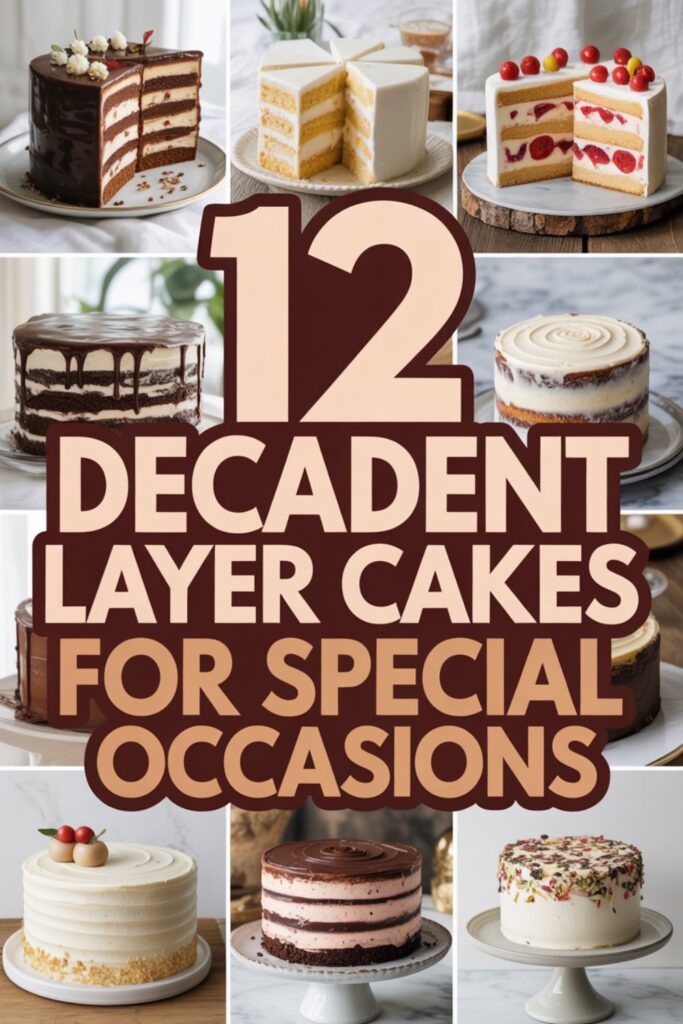
12 Decadent Layer Cake Recipes for Special Occasions
Look, I’m not gonna sugarcoat it—making a layer cake can feel like committing to a full-blown relationship with your kitchen. But here’s the thing: when you slide that final slice onto someone’s plate and watch their face light up? Worth every sticky spatula and flour-dusted countertop.
Layer cakes aren’t just desserts. They’re statements. They’re the showstoppers that turn regular Tuesday dinners into celebrations and make birthday parties Instagram-worthy. Whether you’re stacking three towering tiers for a wedding or just two simple layers for Sunday brunch, these cakes demand attention—and honestly, they deserve it.
I’ve spent more hours than I’d like to admit perfecting layer cakes in my own kitchen. Some turned out magazine-worthy, others… well, let’s just say the dog was happy. But through all those attempts, I’ve learned what works, what doesn’t, and which shortcuts actually save your sanity without sacrificing flavor.
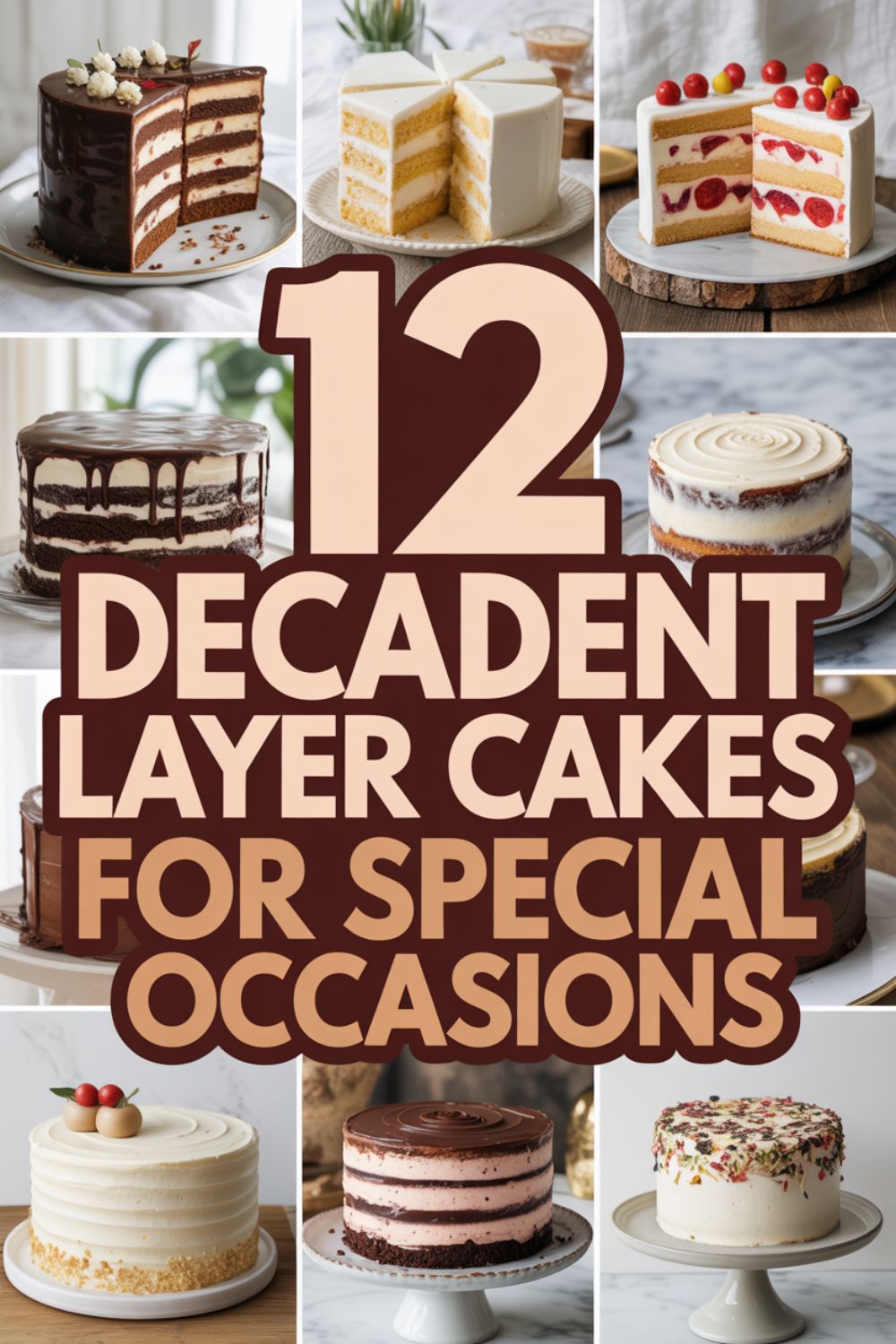
These are the kitchen basics that make these recipes easy: creamy, rich and picture-perfect, the kind of treat your family asks for again and again.
- cake pansCheck today’s price →
- offset spatulaCheck today’s price →
- parchment paper roundsCheck today’s price →
- double boilerCheck today’s price →
Amazon prices and deals change often, so it’s worth checking today’s price.
Why Layer Cakes Are the Ultimate Celebration Dessert
There’s something inherently special about a layer cake that sheet cakes just can’t touch. Maybe it’s the drama of watching someone slice through multiple layers, revealing the contrast between cake and frosting. Or maybe it’s just that they look impressive as hell sitting on your dining table.
The truth is, layer cakes have history on their side. Building layered cakes has been a baking tradition for centuries, and professional pastry chefs still consider them the gold standard for showcasing technique. But don’t let that intimidate you—you don’t need culinary school credentials to nail these.
What makes layer cakes particularly brilliant for special occasions? They’re portion-control friendly (sort of), they feed a crowd, and they give you room to get creative with flavors. You can hide jam between the layers, sneak in some chocolate ganache, or go full rebel and mix cake flavors in different tiers. Nobody’s judging. Actually, they’ll probably ask for the recipe.
Essential Tools That Make Layer Cakes Less Stressful
Before we dive into the recipes, let’s talk gear. You don’t need a kitchen that rivals a professional bakery, but a few key tools will save you from unnecessary frustration.
First up: cake pans. Get yourself a decent set of three 8-inch or 9-inch round pans. I’m partial to the straight-sided aluminum ones because they conduct heat evenly and won’t warp after a dozen uses. Trust me, warped pans are the enemy of level cakes.
Next, you’ll want an offset spatula. This angled beauty is your best friend when it comes to spreading frosting without accidentally gouging holes in your cake layers. The offset design keeps your knuckles out of the frosting while giving you precision control. Can you frost a cake without one? Sure. Will you curse less with one? Absolutely.
A cake turntable isn’t strictly necessary, but it’s one of those tools that transforms the whole experience. Instead of awkwardly shuffling around your counter trying to reach all sides of your cake, you just spin the turntable. Professional bakers swear by turntables for achieving that smooth, professional finish.
Don’t sleep on parchment paper rounds either. Lining your pans with these ensures your cakes release cleanly every single time. No more leaving half the cake stuck to the bottom of the pan while you weep into your mixing bowl.
Pro Tip: Invest in a simple cake leveler or a long serrated knife. Domed cake tops are normal, but they’re not great for stacking. Leveling your layers takes 30 seconds and makes assembly infinitely easier.
The Science Behind Perfect Cake Layers
Okay, quick chemistry lesson—but I promise it’s the fun kind. Understanding what’s happening in your oven will save you from those “why did my cake sink?” moments at 11 PM.
When cake batter hits heat, the edges bake faster than the center, which is why you get that characteristic dome. The outer ring sets while the middle is still rising, pushing upward as it bakes. That’s not a failure—that’s physics.
To combat this, some bakers use cake strips—fabric strips you soak and wrap around your pans. They insulate the edges, slowing their baking time so everything rises more evenly. I’ve used them, and they work. But honestly? I usually just embrace the dome and trim it off later. Those scraps make excellent “quality control” snacks.
Temperature matters more than you think. Most recipes call for 350°F, but if you lower it by 25 degrees and extend the baking time, you’ll get flatter layers with less doming. The slower, gentler heat gives everything time to rise evenly. It’s the cake equivalent of taking the scenic route—takes longer, but the results are better.
Classic Vanilla Layer Cake with Buttercream
Let’s start with the OG. A proper vanilla layer cake is anything but boring—it’s the little black dress of the dessert world. When done right, it’s moist, tender, and has enough vanilla flavor to make you wonder why you ever bothered with chocolate.
The key to a killer vanilla cake is using real vanilla extract (not that artificial stuff that smells like markers) and not overmixing your batter. Once your dry ingredients hit the wet ingredients, you want to mix just until combined. Overmixing develops gluten, and gluten makes cakes tough. Nobody wants a workout when they’re eating cake.
For the frosting, American buttercream is your friend. Yes, it’s basically butter and powdered sugar, and yes, it’s incredibly sweet. But it’s also stable, easy to work with, and takes flavoring like a champ. See next: 25 Creative Ways to Use Leftover Cake in Desserts →
Want to level up? Try brushing each layer with a simple syrup (equal parts sugar and water, heated until the sugar dissolves). It keeps the cake moist and adds just a touch of extra sweetness that makes people ask, “What did you do differently?” You can also explore variations by checking out these birthday cake ideas for inspiration.
Chocolate Lover’s Dream Layer Cake
Moving on to the dark side—and I mean that literally. A proper chocolate layer cake should be deeply chocolatey, almost fudgy in texture, but still light enough to eat more than one slice without regret. (Okay, maybe a little regret, but that’s what elastic waistbands are for.)
The secret weapon here is using both cocoa powder and melted chocolate. Cocoa gives you that intense chocolate flavor, while melted chocolate contributes to the structure and richness. It’s like having two best friends who bring out the best in each other. See next: 12 Dairy-Free Desserts That Are Surprisingly Decadent →
Don’t skimp on the coffee either. Adding a shot of espresso or just hot coffee to your chocolate batter doesn’t make it taste like coffee—it amplifies the chocolate flavor. It’s one of those weird kitchen magic tricks that actually works. For more chocolate dessert ideas, you might enjoy these classic chocolate desserts.
Pair this with a chocolate ganache frosting (which is just chocolate and cream, basically), and you’ve got a cake that will make chocolate lovers weep with joy. I like to use a double boiler for melting chocolate—it’s gentler and prevents that grainy texture you get from overheating.
Quick Win: Chill your cake layers in the freezer for 20 minutes before frosting. The cold cake firms up, making it way easier to handle and less likely to shed crumbs into your pristine frosting. Game changer.
Speaking of chocolate heaven, if you’re looking for more ways to satisfy that cocoa craving, these classic chocolate desserts and quick chocolate treats are worth exploring.
Lemon Bliss Layer Cake
Sometimes you need a cake that feels like sunshine decided to throw a party in your mouth. Enter: lemon layer cake. This is the dessert equivalent of opening windows on the first warm day of spring—bright, refreshing, and guaranteed to lift your mood.
The trick with lemon cakes is balancing tartness with sweetness. Too much lemon and you’ll pucker. Too little and it tastes like vanilla cake with commitment issues. Use both lemon zest and juice—the zest gives you those aromatic oils, while the juice provides the tang.
I’m a big fan of lemon curd between the layers. You can buy it (no shame), but making it from scratch takes maybe 10 minutes and tastes infinitely better. Just eggs, sugar, butter, and lemon juice whisked over low heat until thick. Spread it between your cake layers, then frost the outside with a lemon buttercream or cream cheese frosting. See next: 20 Decadent Cheesecake Recipes to Try Today →
Pro move: use a microplane zester for your lemon zest. The tiny holes create superfine zest that distributes evenly throughout your batter instead of leaving chunky pieces that taste like you bit into a lemon peel.
Red Velvet Layer Cake with Cream Cheese Frosting
Controversial opinion incoming: red velvet isn’t just chocolate cake with red food coloring. Sure, it has cocoa powder, but the real magic is in the buttermilk-vinegar combo that gives it that distinctive tangy flavor and velvety texture. That’s literally where the name comes from.
The texture of a proper red velvet cake should be somewhere between a traditional chocolate cake and a tender vanilla cake—soft, fine-crumbed, and almost melts on your tongue. It’s subtle, sophisticated, and pairs perfectly with tangy cream cheese frosting.
Speaking of cream cheese frosting—this is non-negotiable. Red velvet with buttercream is like wearing socks with sandals. It’s just… wrong. The tang of cream cheese cuts through the sweetness and complements that slight cocoa flavor in the cake. See next: 12 Fudgy Chocolate Cake Recipes You Can’t Resist →
Use gel food coloring if possible. The liquid stuff can throw off your batter’s consistency. A little goes a long way—you want a deep burgundy, not fire-engine red. Unless you’re going for that vintage Southern-style bright red, in which case, you do you.
Carrot Cake Layer Cake
Yes, there are vegetables in this cake. Yes, it’s still absolutely delicious. In fact, the grated carrots add moisture and a subtle sweetness that makes this cake ridiculously hard to stop eating. Plus, you can tell yourself you’re getting a serving of vegetables. (I won’t judge if you believe that.)
A proper carrot cake has texture for days—shredded carrots, chopped walnuts or pecans (toasted, always toasted), maybe some raisins if you’re into that. Some people add crushed pineapple for extra moisture, and honestly, it works. The spices—cinnamon, nutmeg, maybe a touch of ginger—make your kitchen smell like fall even in the middle of July.
Cream cheese frosting is the only acceptable choice here too. It’s basically a law. The tangy frosting balances the sweet, spiced cake perfectly. I like to add a handful of toasted coconut flakes to the outside for texture and visual interest. See next: 12 Decadent Chocolate Truffle Recipes →
Tool tip: use a food processor to shred your carrots. Hand-grating three cups of carrots will give you arm muscles you didn’t ask for and takes forever. The food processor does it in 30 seconds flat.
Strawberry Layer Cake
IMO, strawberry cakes are criminally underrated. Everyone goes for chocolate or vanilla, but a well-executed strawberry layer cake is a thing of beauty. The trick is getting real strawberry flavor, not that artificial stuff that tastes like pink.
The best method I’ve found is reducing fresh strawberry puree until it’s concentrated and jammy. Yes, it takes a bit of time. Yes, it’s worth it. You can also use freeze-dried strawberries ground into powder—they pack intense flavor without adding extra moisture that can throw off your cake’s texture.
For maximum strawberry impact, layer your cake with fresh sliced strawberries and strawberry buttercream. The combination of cake, creamy frosting, and fresh fruit creates this perfect balance of textures and flavors that makes you wonder why you don’t make this more often. See next: 25 Birthday Cake Ideas That Are Easy to Make →
Storage note: fresh strawberries release moisture, so if you’re making this ahead, add the strawberry layer between cakes no more than a few hours before serving. Otherwise, you’ll get soggy cake syndrome, and nobody wants that.
Pro Tip: Pipe a border of frosting around the edge of each layer before adding fillings like jam or fresh fruit. This buttercream dam prevents your filling from squishing out the sides when you stack the layers. Kitchen engineering at its finest.
If you’re into fruit-based desserts, these low-calorie fruit desserts offer some lighter options that are perfect for summer gatherings.
German Chocolate Layer Cake
Plot twist: German chocolate cake isn’t actually German. It’s named after Sam German, who developed a dark baking chocolate for Baker’s Chocolate Company in 1852. The more you know.
What sets this apart from regular chocolate cake is that coconut-pecan frosting. It’s not buttercream—it’s more like a rich, caramelly custard packed with toasted coconut and pecans. It’s sweet, nutty, and has this incredible texture that regular frosting just can’t match.
The cake itself is milder than a typical chocolate cake—it uses sweet chocolate rather than unsweetened cocoa, giving it a gentler chocolate flavor that lets that coconut-pecan filling shine. Some people frost the outside with chocolate buttercream, others leave it naked to show off those glorious layers. Either way works. See next: 12 Decadent Desserts You Can Make with Coconut Milk →
Making the coconut-pecan frosting involves cooking egg yolks, evaporated milk, sugar, and butter until thick, then stirring in coconut and pecans. It sounds fussy, but it’s really just stirring for about 10 minutes. A heavy-bottom saucepan helps prevent scorching.
Funfetti Birthday Layer Cake
Sometimes you need a cake that screams “PARTY!” without saying a word. That’s where funfetti comes in. It’s basically vanilla cake’s fun younger sibling who shows up wearing rainbow colors and doesn’t care what anyone thinks.
The key to proper funfetti is using jimmies (those rod-shaped sprinkles), not nonpareils (the tiny ball ones). Nonpareils bleed color into your batter, turning everything a weird grey-purple. Jimmies hold their color and create those iconic polka-dot pockets throughout your cake.
Fold the sprinkles in gently at the end—if you overmix, they’ll bleed. Also, add them to just the batter, not the frosting if you want that classic funfetti look. Or go full chaos and add them everywhere. This cake is judgment-free. See next: 25 Easy Desserts You Can Make in Under 30 Minutes →
For maximum birthday energy, frost with vanilla buttercream and cover the outside with more sprinkles. Use the handful-press method: scoop sprinkles in your palm and gently press them against the sides of the frosted cake. They stick surprisingly well. For more celebration cake ideas, check out these easy birthday cake recipes.
Tiramisu Layer Cake
Taking inspiration from the Italian classic, this layer cake combines coffee-soaked cake with mascarpone frosting for a dessert that’s sophisticated enough for dinner parties but approachable enough for Tuesday.
The cake base is usually a vanilla or almond sponge, but the magic happens when you brush each layer with coffee syrup. I use strong espresso mixed with a bit of coffee liqueur (optional but recommended). The coffee flavor should be pronounced but not overwhelming—you’re enhancing, not drowning.
Mascarpone frosting is less sweet than buttercream, which is perfect here. Mix mascarpone with whipped cream and a touch of powdered sugar until light and fluffy. It’s creamy, slightly tangy, and pairs beautifully with that coffee-soaked cake. Dust the top with cocoa powder for authenticity. See next: 12 10-Minute Desserts That Impress Every Time →
A pastry brush is essential for evenly distributing that coffee syrup. Too much in one spot and your cake gets soggy. Too little and it’s dry. You want each layer thoroughly moistened but not swimming.
Coconut Layer Cake
This is the cake your grandmother made that somehow tasted better than anything from a fancy bakery. A proper coconut layer cake should be moist, tender, and absolutely blanketed in shredded coconut. We’re talking snowdrift levels of coconut.
The cake itself can be vanilla-based with coconut milk and coconut extract for that double-coconut punch. Or go full tropical and use a combination of coconut milk and cream of coconut (the sweet stuff from a can). Both work, both are delicious.
For the frosting, either cream cheese frosting or a fluffy seven-minute frosting works beautifully. Seven-minute frosting is made by beating egg whites and sugar over simmering water until you get glossy, marshmallow-like peaks. It’s less sweet than buttercream and has this incredible light texture. See next: 15 Low-Sugar Desserts That Kids Will Love →
Pressing sweetened shredded coconut all over the frosted cake is the fun part. It sticks to the frosting and creates this gorgeous texture. Toast the coconut first if you want extra flavor—spread it on a baking sheet and bake at 325°F for about 8 minutes, stirring occasionally.
Salted Caramel Layer Cake
Sweet, salty, and absolutely irresistible. Salted caramel layer cake is what happens when you take a vanilla or brown sugar cake and pair it with homemade caramel that balances on that perfect edge between sweet and savory.
Making caramel from scratch isn’t hard, but it requires attention. You’re basically cooking sugar until it melts and turns amber, then adding cream and butter. The sugar gets crazy hot (like, burn-your-face-off hot), so respect the process. Professional bakers recommend using a heavy-bottomed pot and stirring constantly once the cream goes in.
The salt is crucial—it cuts through the sweetness and adds complexity. I use flaky sea salt because it dissolves slowly, giving you little bursts of saltiness. Kosher salt works too. Table salt is too fine and can make things taste more salty than sweet. See next: 25 Creamy Mousse Recipes You Can Make at Home →
Layer the cake with caramel sauce between each tier, then frost with salted caramel buttercream (buttercream with cooled caramel mixed in). Drizzle more caramel on top and sprinkle with flaky salt. It’s decadent in the best way. If you love caramel desserts, you might also enjoy these quick dessert recipes.
Almond-Raspberry Layer Cake
This combination is elegant without being fussy. Almond cake has this subtle, sophisticated flavor that pairs beautifully with tart raspberry filling. It’s the kind of cake you make when you want to impress but don’t want to announce that you’re trying to impress.
Almond extract can be overpowering if you’re heavy-handed. A little goes a long way—usually 1/2 to 3/4 teaspoon per batch of batter is plenty. You can also use almond flour for a portion of the all-purpose flour, which adds moisture and a more pronounced almond flavor.
For the raspberry component, seedless raspberry jam is your easiest bet. Spread it between the layers, then frost with vanilla or almond buttercream. The tartness of the raspberry cuts through the sweetness of the frosting perfectly. Top with fresh raspberries for color and a hint of freshness. See next: 12 Low-Carb Desserts to Keep You on Track →
If you really want to go for it, make a raspberry Swiss meringue buttercream by adding raspberry puree (strained to remove seeds) to your buttercream. It’s pink, fluffy, and tastes incredible. A fine-mesh strainer is essential for removing those annoying raspberry seeds.
Assembly Tips That Prevent Cake Catastrophes
You’ve baked beautiful layers. Your frosting is perfect. Now comes the moment of truth: stacking this thing without it sliding, leaning, or collapsing into a frosting-covered mess.
First rule: cool your cakes completely. I cannot stress this enough. Warm cake + frosting = melted disaster. Let those layers cool in the pan for 10 minutes, then turn them out onto a wire rack and let them cool completely. Even better? Wrap them in plastic and refrigerate for an hour. Cold cake is firm cake, and firm cake is easy cake.
Level your layers before stacking. That dome on top? It’s gotta go. Use a serrated knife or a cake leveler and carefully slice it off. Save the scraps—they’re great for making cake pops or just eating as “quality control.”
Put a dollop of frosting on your cake board or plate before placing your first layer. This acts like glue and prevents your cake from sliding around while you work. Trust me, trying to frost a cake that’s skating across your counter is an exercise in frustration.
Apply frosting between layers generously but not excessively. About 1/2 to 3/4 cup per layer is usually right. Too little and your layers look stingy. Too much and it squishes out the sides when you stack.
Pro Tip: Do a crumb coat. This is a thin layer of frosting that seals in crumbs before you do your final frosting. Spread a thin layer all over the stacked cake, then refrigerate for 15-20 minutes. When you apply the final coat, no crumbs will mix in, giving you that clean, professional look.
Use an offset spatula to smooth the sides and top. Keep your spatula at a slight angle and use smooth, even strokes. A bench scraper helps get perfectly smooth sides—hold it at a 90-degree angle to the cake and rotate your turntable while holding the scraper still.
Frosting Techniques That Look Professional
Even if your cake tastes amazing, presentation matters. Here are a few techniques that make your layer cakes look like they came from a boutique bakery instead of your kitchen counter.
The smooth finish is classic and versatile. After your final coat of frosting, use your offset spatula or bench scraper to smooth everything out until you have clean, sharp lines. It takes practice but it’s doable. The key is keeping your tools clean—wipe them off frequently to avoid dragging crumbs through your frosting.
A naked or semi-naked cake is perfect if you’re short on frosting or just want that rustic, artisanal look. Frost between the layers generously, but only lightly coat the outside, letting the cake layers peek through. It’s forgiving, pretty, and feels very “country chic bakery.” These no-bake dessert ideas can also help when you want something simpler.
For a textured finish, use your spatula to create swoops, swirls, or ridges in the frosting. It’s artistic, hides imperfections, and looks intentional. Nobody needs to know you couldn’t get the sides perfectly smooth.
Piped decorations add that final touch. Stars, rosettes, or simple borders piped around the top and bottom edges elevate your cake from “homemade” to “I know what I’m doing.” A piping bag set with various tips opens up endless decorating possibilities. Start simple—a star tip and a round tip will cover most of your needs.
Storage and Make-Ahead Strategies
Good news: most layer cakes actually improve after a day in the fridge. The flavors meld, the texture settles, and your stress level drops because you’re not frantically assembling cake an hour before guests arrive.
You can bake your cake layers up to three days ahead. Let them cool completely, wrap them tightly in plastic wrap, and refrigerate. You can also freeze them for up to a month. Double-wrap in plastic, then aluminum foil. Thaw in the fridge overnight before assembling.
Frosting can be made ahead too. Store it in an airtight container in the fridge for up to a week. Before using, let it come to room temperature and re-whip it to restore that fluffy texture. If it’s too stiff, add a tablespoon of milk or cream. Too soft? Add more powdered sugar.
Once assembled, most frosted cakes store well in the fridge for 3-4 days. Cover loosely with plastic wrap or use a cake carrier with a dome to protect it from picking up fridge odors. Bring it to room temperature before serving—cold cake is dense and doesn’t taste as good.
Cakes with fresh fruit fillings should be eaten within 2 days. The fruit releases moisture, which can make things soggy. Cakes with cream cheese frosting need to stay refrigerated. Buttercream-frosted cakes can hang out at room temperature for a day if your kitchen isn’t too warm.
Troubleshooting Common Layer Cake Problems
Even experienced bakers run into issues. Here’s how to fix the most common problems without having a meltdown.
Cake is dry: This usually means it was overbaked or you measured flour incorrectly (too much flour). Next time, use a kitchen scale to weigh your flour. Also, don’t overbake—test with a toothpick a few minutes before the recipe says. It should come out with a few moist crumbs, not completely clean.
Cake layers are uneven: Your oven might have hot spots. Rotate your pans halfway through baking. Also, make sure you’re distributing batter evenly between pans—weighing them ensures they’re equal.
Cake is falling apart: It might still be warm, or it could be underbaked. Let cakes cool completely before handling. If they’re crumbling, try chilling them in the freezer for 20 minutes to firm up.
Frosting is too runny: Add more powdered sugar, a tablespoon at a time, until it reaches the right consistency. If it’s really runny, chill it for 15 minutes to firm up the butter.
Frosting is too stiff: Add milk, cream, or even a tablespoon of simple syrup to loosen it up. Mix on low speed to avoid incorporating too much air.
Layers are sliding: Your frosting might be too soft, or your cake layers might be too warm. Chill everything. Put toothpicks or dowels through the layers to hold them in place while the frosting sets. For more dessert troubleshooting and alternatives, explore these make-ahead dessert options.
Healthier Layer Cake Alternatives
Look, a layer cake is never going to be a health food. But there are ways to lighten things up without sacrificing too much flavor or texture.
Swap some of the all-purpose flour for almond flour or whole wheat pastry flour. This adds fiber and nutrients without making your cake taste like cardboard. Don’t replace all of it—about 25-30% is the sweet spot.
Reduce sugar slightly. Most cake recipes can handle about 15-20% less sugar without major texture issues. You’ll notice the difference in sweetness, but the cake will still taste good. These low-sugar dessert recipes offer more ideas for cutting back on sweetness.
Use Greek yogurt or applesauce to replace some of the butter or oil. This adds moisture while reducing fat. Replace about half the fat called for—going too far makes the texture weird.
Natural sweeteners like honey or maple syrup can replace some of the refined sugar, though you’ll need to adjust the liquid in your recipe since these are wet ingredients. They also add distinct flavors, so choose ones that complement your cake. For more options, check out these desserts made with natural sweeteners.
For frosting, cream cheese frosting is naturally less sweet than buttercream. You can also make a lighter version by mixing reduced-fat cream cheese with whipped cream and just a bit of powdered sugar. It won’t hold up in hot weather, but it’s tasty and less calorie-dense. More healthy ideas can be found in these healthy desserts that taste great.
Frequently Asked Questions
Can I make layer cakes without a stand mixer?
Absolutely. A hand mixer works just fine for most cake recipes. It might take a bit longer to cream the butter and sugar, but you’ll get there. Some recipes can even be made by hand with a whisk and some elbow grease, though I won’t lie—it’s a workout.
How do I transport a layer cake without destroying it?
Chill your frosted cake in the fridge for at least an hour before moving it—this firms up the frosting. Use a sturdy cake carrier or cake box. If you’re driving, place it on a flat surface (not your lap) and drive carefully. FYI, sharp turns and layer cakes don’t mix.
Can I use box mix for layer cakes?
You can, and nobody’s judging. Box mixes are convenient and consistently good. To elevate them, try adding an extra egg, using milk instead of water, or adding a teaspoon of vanilla extract. These simple additions make a noticeable difference in texture and flavor.
How far in advance can I frost a layer cake?
Most buttercream-frosted cakes can be assembled and decorated 1-2 days ahead. Keep them covered in the fridge, then bring to room temperature before serving. Cakes with cream cheese frosting should be eaten within 2-3 days and must stay refrigerated.
Why did my cake dome so much in the middle?
This happens because the edges of your cake set before the center, causing the middle to rise more. You can prevent extreme doming by using cake strips, lowering your oven temperature by 25 degrees, or simply embracing it and leveling the cake after it cools. Doming is normal—it’s not a sign you did anything wrong.
Final Thoughts on Layer Cake Success
Here’s the truth about layer cakes: they’re impressive, but they’re not magic. They’re a series of simple steps that, when done with a bit of patience and the right tools, come together into something that makes people happy. And isn’t that kind of the point?
You’ll mess some up. I still do. Sometimes the frosting slides, or a layer cracks, or you forget to grease the pans and half the cake stays stuck in there. But even those disasters usually taste good, and that’s what people remember—not whether your layers were perfectly even or if your buttercream had a few crumbs in it.
Start with the basics—vanilla or chocolate. Master the fundamentals of level layers, proper frosting consistency, and smooth application. Then branch out. Try those flavor combinations that sound interesting. Experiment with fillings and frostings. Make mistakes. Take notes. Try again.
The recipes I’ve shared here cover a solid range from classic to creative. Pick one that sounds good, gather your ingredients, and just start. Don’t overthink it. Cakes want to be made, and layer cakes, despite their dramatic appearance, are surprisingly forgiving.
Whether you’re baking for a birthday, an anniversary, or just because it’s Tuesday and you want cake, these twelve recipes will give you options for every occasion and every taste preference. Each one has earned its place on this list by being delicious, doable, and worth the effort.
Now go preheat that oven. Your kitchen counter is about to look like a bakery exploded in it, and honestly? That’s exactly how it should be.