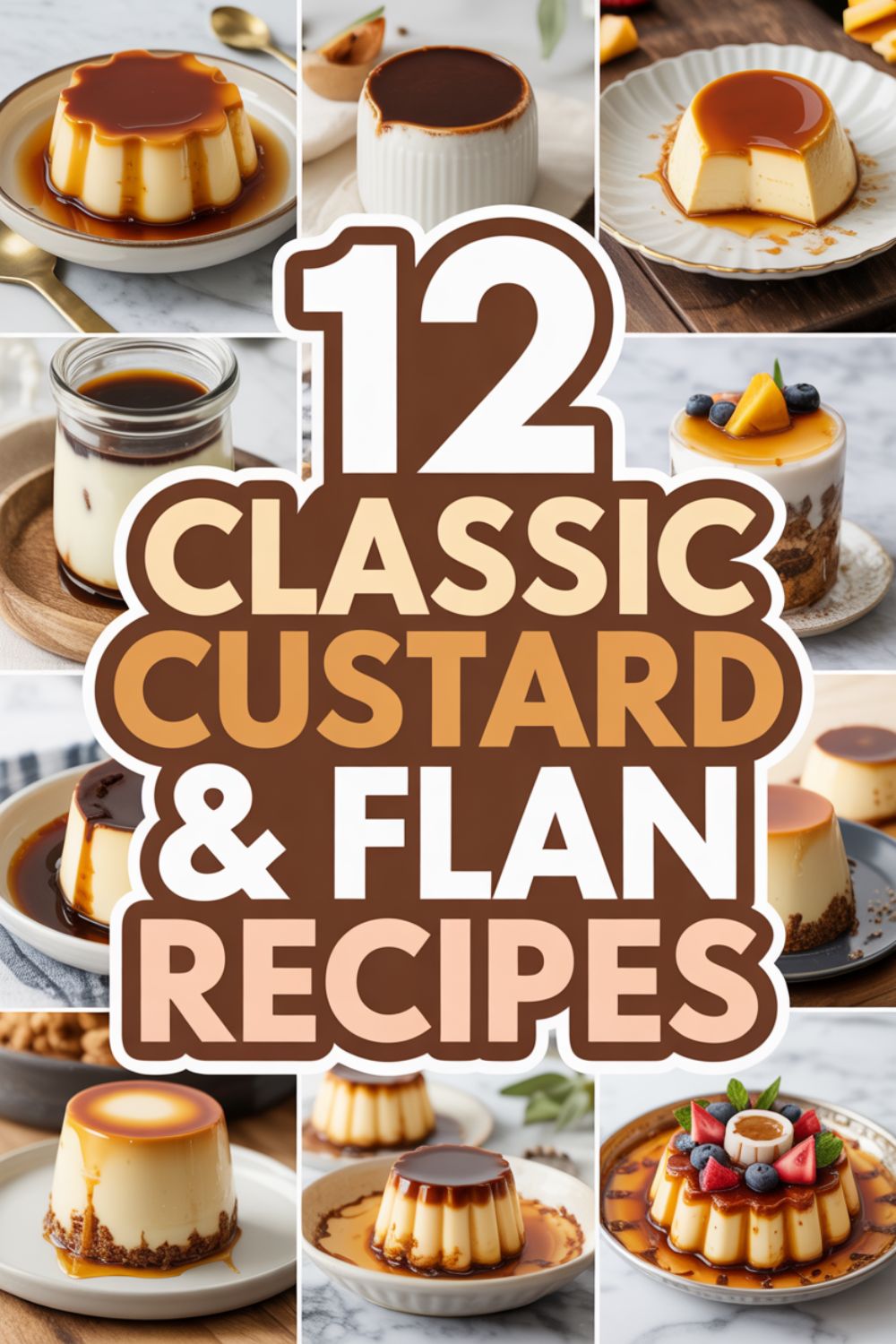
12 Classic Custard and Flan Recipes

12 Classic Custard and Flan Recipes
Look, I get it. You’re standing in your kitchen wondering if custard and flan are basically the same thing, and honestly? The answer is both yes and no, which I know sounds like the least helpful response ever. But stick with me here because once you understand the beautiful overlap between these two silky desserts, you’ll be whipping up versions that make your friends suspicious you’ve been secretly attending culinary school.
These recipes aren’t about pretending you’re running a French patisserie from your apartment kitchen. They’re about making desserts that actually taste like something your grandmother would approve of—whether your grandmother is from Spain, Mexico, France, or just really into creamy things. And before you panic about water baths and caramel burns, I promise most of these are way more forgiving than you think.
So grab your ramekins (or whatever oven-safe dishes you already own because who actually has matching ramekins?), and let’s talk about why these twelve recipes deserve a spot in your regular rotation.
These are the kitchen basics that make these recipes easy: creamy, rich and picture-perfect, the kind of treat your family asks for again and again.
- set of porcelain ramekinsCheck today’s price →
- Fine-mesh strainerCheck today’s price →
- Digital instant-read thermometerCheck today’s price →
- Silicone spatula setCheck today’s price →
Amazon prices and deals change often, so it’s worth checking today’s price.
What Actually Makes Custard and Flan Different?
Before we dive into recipes, let’s clear something up because I spent years thinking flan was just Spanish custard and feeling very cosmopolitan about it. Technically, flan is a type of custard, but not all custards are flan. Mind blown? Same.
Custard is basically any dessert made by cooking eggs with milk or cream until everything gets thick and creamy. It’s the umbrella term. Flan specifically refers to that gorgeous custard that’s baked in caramel and then flipped upside down so the caramel becomes this glossy, drippy sauce on top. According to nutrition research, traditional flan provides protein and calcium from its egg and milk base, making it a dessert with some actual nutritional value.
The wild thing is that flan’s history goes back to Ancient Rome—which means people have been obsessing over this dessert for literally thousands of years. The Romans were apparently drowning in chicken eggs and needed creative ways to use them up. Relatable content, honestly.
If you’re curious about other timeless desserts that have stood the test of time, you might want to explore these classic chocolate desserts that share that same enduring appeal.
The Basic Science That Makes These Work
Okay, quick chemistry lesson that I promise won’t feel like homework. When you heat eggs with milk, the proteins in the eggs basically unwind and trap all the liquid in a soft gel. That’s why custard sets. That’s the magic. The ratio matters—too many eggs and you get scrambled eggs in milk (been there), too few and you get sweet soup (also been there).
The other crucial thing is temperature. You want gentle heat, which is why so many recipes call for a water bath. I know, I know—the water bath feels fussy. But it prevents the edges from cooking faster than the center, which is how you end up with that perfect wobble instead of rubbery edges and a liquid middle.
And honestly, once you nail the basic technique, you can start getting creative. Want to add coconut milk for a tropical vibe? Go for it. Feeling fancy with some espresso? Why not.
Classic Vanilla Bean Custard
This is your foundation recipe—master this and everything else becomes easier. You’ll need whole milk, heavy cream, real vanilla beans (or extract if you’re being practical), egg yolks, and sugar. The vanilla bean makes it feel fancy, but honestly, good vanilla extract works too.
The key here is tempering your eggs. Pour a little hot milk into the eggs first while whisking constantly. This gradually raises the egg temperature without scrambling them. Then add everything back to the pot and cook low and slow until it coats the back of a spoon. For a foolproof version, try this See next: 15 Classic Cupcake Recipes with a Twist →.
Serve it warm or cold—both work. I actually prefer it cold with fresh berries on top, but some people swear by warm custard over apple pie. No wrong answers here.
Why This Recipe Matters
Because once you can make a basic custard, you can make crème brûlée, you can make custard tarts, you can fill pastries. It’s like learning to make a basic vinaigrette—suddenly all these other recipes become accessible. Plus, there’s something deeply satisfying about making something this smooth and silky from such basic ingredients.
The nutritional benefits of custard are pretty solid too—you’re getting calcium and B vitamins, especially B12, which helps with bone strength and cell health. Obviously it’s still dessert, but it’s not complete nutritional chaos.
Traditional Spanish Flan
This is the OG flan, the one your abuela makes, the one that shows up at every family gathering. It’s richer than French crème caramel because it uses condensed milk, which gives it that ultra-creamy, almost cheesecake-like texture.
You’ll start by making caramel—just sugar and a little water cooked until it’s deep amber. This part makes people nervous, but honestly, just don’t walk away from the stove and you’ll be fine. Pour it into your pan, swirl to coat, and then pour in your custard mixture. See next: 15 Classic Dessert Bars You Need to Bake → for detailed instructions.
The water bath baking is non-negotiable here. Bake until the center barely wobbles, then chill for at least four hours. When you flip it, you get that gorgeous caramel sauce pooling around the custard. Instagram gold, truly.
Speaking of caramel-based desserts, if you’re looking for more quick sweet fixes, check out these easy desserts you can make in under 30 minutes for when the flan craving hits but you’re short on time.
French Crème Caramel
The French version is lighter than Spanish flan—it uses regular milk instead of condensed milk, so you get a more delicate texture. Some people prefer this; I think it depends on your mood. Want something rich and decadent? Spanish flan. Want something elegant and refined? French crème caramel.
The technique is nearly identical, but the flavor profile is subtler. The French also tend to use smaller, individual ramekins, which I actually love because portion control and also everyone gets their own perfect caramel-to-custard ratio.
You can make this with a set of porcelain ramekins that conduct heat evenly for that perfect texture every time. Bake them all in one large roasting pan with water, and you’ve got dessert for a dinner party.
The Art of Caramel Making
Let’s talk about caramel for a second because this is where most people panic. You want it dark enough to have that bitter-sweet complexity but not so dark it tastes burnt. The sweet spot is right when it turns the color of an old penny—that deep amber that’s almost copper.
Here’s a trick: when it starts to smell nutty and less purely sweet, you’re getting close. Have your pan ready, work fast, and don’t stress if you mess up the first time. I’ve made caramel probably a hundred times and I still occasionally burn it. It happens. See next: 20 Classic Dessert Sauces That Elevate Any Treat → for foolproof caramel instructions.
Coconut Flan
Now we’re getting tropical. Coconut flan swaps some or all of the regular milk for coconut milk, and suddenly you’re transported to a beach somewhere. The coconut flavor is subtle enough that even people who claim they don’t like coconut usually enjoy this.
You can also add shredded coconut to the custard mixture for texture, though I prefer mine smooth. The caramel sauce with coconut is *chef’s kiss*—something about that combination just works on every level.
Use full-fat coconut milk from a can, not the refrigerated drinking kind. You need the richness. And shake the can well before opening because the cream separates. FYI, if you’re making multiple coconut desserts, you might want to grab this coconut milk variety pack so you’re always stocked.
For more ways to use coconut milk in desserts, definitely explore these decadent coconut milk recipes that’ll give you plenty of ideas for that leftover can sitting in your pantry.
Coffee Flan
Coffee flan is for those mornings when you want dessert for breakfast but need to justify it somehow. The coffee flavor cuts through the sweetness beautifully, and it’s sophisticated without being pretentious.
I use espresso powder or very strong brewed coffee. The key is not to add so much liquid that you throw off the custard ratio. If using brewed coffee, reduce it down or reduce your milk accordingly. See next: 15 Classic Tiramisu Variations to Try → for perfect proportions.
This pairs ridiculously well with chocolate brownies if you’re feeling extra and want to serve it as part of a dessert spread. The bitter coffee with sweet chocolate is basically a flavor match made in heaven.
Essential Tools That Make Custard Life Easier
- Fine-mesh strainer – Catches any cooked egg bits and makes everything silky smooth
- Digital instant-read thermometer – Takes the guesswork out of knowing when custard is done
- Silicone spatula set – For stirring without scratching your good pans
- Complete Custard & Flan Recipe eBook – Digital guide with troubleshooting tips and variations
- Dessert Mastery Video Course – Step-by-step video tutorials for perfect custards every time
- Kitchen Math Quick Reference PDF – Ingredient ratios and conversion charts for easy scaling
Chocolate Flan (Chocoflan)
Chocoflan deserves its own religion. Seriously. It’s a layered dessert where chocolate cake batter and flan custard somehow magically switch places during baking. You pour cake batter in first, then custard on top, and when it bakes, they flip. It’s called “impossible cake” for a reason.
The science is actually about density—the heavier custard sinks while the lighter cake batter rises. But when you’re eating it, you don’t care about physics. You care that you’re getting rich chocolate cake and silky flan in every bite.
This requires a bundt pan and yes, the shape matters for even baking. Grease it thoroughly. Like, more than you think is necessary. Getting this out of the pan cleanly is crucial for the wow factor.
If you’re into chocolate desserts that feel a bit magical, you’ll love exploring these classic chocolate desserts that also deliver that show-stopping moment when you serve them.
Pumpkin Spice Flan
Before you roll your eyes at “pumpkin spice everything,” hear me out. Pumpkin flan is legitimately good, and it makes sense seasonally when you’re drowning in canned pumpkin from making one pie.
The pumpkin adds moisture and a subtle earthiness that works beautifully with warm spices like cinnamon, nutmeg, and ginger. It’s less sweet than traditional flan, which I appreciate after a heavy meal.
Use pure pumpkin puree, not pie filling. The pie filling already has sugar and spices, and you’ll end up with something weird. See next: 25 Classic Chocolate Desserts Everyone Loves → for proper spice ratios.
Seasonal Variations Worth Trying
Once you’ve mastered the basics, seasonal flavors become your playground. Pumpkin in fall, obviously. Eggnog flan for winter holidays. Strawberry flan in summer when berries are cheap and perfect. The formula stays the same; you’re just swapping flavors.
IMO, these variations are what keep custard and flan interesting instead of feeling like your grandma’s default dessert. Nothing wrong with classic, but sometimes you want to shake things up.
Dulce de Leche Flan
If regular flan is a 10, dulce de leche flan is pushing a 15. You’re essentially adding caramel flavor to a caramel-topped custard, and the result is almost obscenely rich. This is not an everyday dessert. This is a special occasion situation.
You can make your own dulce de leche by simmering a can of sweetened condensed milk for hours, or you can buy it. I’ve done both. Homemade tastes slightly better but takes forever, and sometimes you just want to get to the eating part faster.
Fold the dulce de leche into your custard base before baking, then top with regular caramel. The layers of caramel flavor are ridiculous in the best way. Pair this with homemade vanilla ice cream and you’ve got a dessert that’ll make people propose to you.
Lemon Custard
Lemon custard is your palate cleanser option. It’s bright, it’s tangy, it cuts through richness like a dream. Serve this after a heavy pasta dinner and your guests will thank you.
The trick with citrus custards is balancing the acid with the eggs. Too much lemon juice and the eggs can curdle. You want plenty of zest for flavor and just enough juice for that characteristic tang. Some recipes use lemon curd as a base, which works but changes the texture slightly.
I like to serve this with fresh whipped cream made in a cold mixing bowl, using a hand mixer until soft peaks form. A sprinkle of lemon zest on top makes it look fancy without actual effort.
Speaking of lighter desserts that don’t weigh you down, these healthy desserts that actually taste like treats might be up your alley if you’re trying to balance indulgence with some nutritional sense.
Matcha Green Tea Flan
Stay with me on this one. Matcha flan sounds trendy and potentially gimmicky, but the earthy bitterness of matcha plays beautifully against sweet caramel. It’s unexpected and surprisingly traditional-tasting despite being fusion.
Use good quality matcha—not the stuff you’d put in a smoothie. Ceremonial grade is overkill, but culinary grade should be vibrant green and smell fresh, not stale. A little goes a long way; too much and it gets bitter.
The color is gorgeous too—that pale jade green against amber caramel. Very Instagram-worthy if that’s your thing. See next: 12 Classic Fruit Tart Recipes with a Modern Flair → for matcha measurements that actually work.
Tres Leches Flan
This is fusion at its finest—combining two beloved Latin American desserts into one frankly over-the-top creation. You get the soaked-cake element of tres leches with the silky custard of flan. Is it excessive? Absolutely. Is it delicious? Also absolutely.
The base is still flan, but you soak it in a mixture of whole milk, condensed milk, and evaporated milk after baking. It becomes almost pudding-like in texture. Some recipes layer it with actual cake; others keep it purely custard-based. Both are valid.
Serve this in deep dishes because there’s a lot of liquid. You’ll want these dessert bowls with enough depth to contain all the milky goodness without spillage.
Cream Cheese Flan (Flan Napolitano)
Adding cream cheese to flan creates something almost cheesecake-like but lighter. It’s popular in certain regions of Mexico, and once you try it, you understand why. The tangy cream cheese balances the sweetness perfectly.
You’ll want the cream cheese at room temperature so it blends smoothly. Nothing worse than chunks of cold cream cheese in your otherwise smooth custard. Beat it well with the other ingredients until completely smooth.
This version is slightly denser than traditional flan, which means it holds up well if you’re transporting it somewhere. See next: 25 Classic French Desserts to Impress Your Guests → for cream cheese proportions that create perfect texture.
For more no-bake desserts that are perfect for potlucks and gatherings, check out these no-bake dessert recipes that’ll save you when you need something impressive without turning on the oven.
Ingredients That Elevate Your Custard Game
- Madagascar vanilla bean paste – More intense flavor than extract with visible specks
- Organic egg yolks – Richer color and better flavor than conventional eggs
- Cultured heavy cream – Adds subtle tanginess and amazing texture
- Flavor Pairing Guide PDF – Learn which flavors work together for creative variations
- Troubleshooting Custards eBook – Solutions for curdling, weeping, and texture issues
- Custard Makers Community – Join our WhatsApp group for tips, recipe swaps, and troubleshooting help
Common Mistakes and How to Fix Them
Let’s talk about what goes wrong because everyone screws up custard at some point. The most common issue is curdling—when you see little bits of cooked egg instead of smooth custard. This happens when the heat is too high or the eggs aren’t properly tempered.
If your custard curdles, try straining it through a fine-mesh sieve. Sometimes you can catch it early enough to save it. If not, call it rustic and move on with your life.
Why Your Flan Won’t Flip
The other disaster is when your flan refuses to come out of the pan cleanly. This is usually because you didn’t let it chill long enough or you didn’t run a knife around the edges first. Patience is everything here. Let it chill overnight if you can.
Also, when you flip, do it decisively. Don’t slowly tip it over—that’s how you get caramel everywhere except where you want it. Quick, confident flip. Like ripping off a bandaid.
The Texture Troubleshooting Guide
Too firm? Probably overcooked or too many eggs. Too soft? Undercooked or not enough eggs. The perfect custard should jiggle slightly in the center when you shake the pan but not be liquid. The residual heat continues cooking it as it cools, so pull it out slightly before you think it’s done.
Weeping (when liquid pools around your custard) usually means it was cooked at too high a temperature or for too long. The proteins squeeze out moisture when overcooked. It’s still safe to eat, just not as pretty.
Storage and Make-Ahead Tips
The beautiful thing about both custard and flan is that they’re actually better the next day. The flavors meld, the texture firms up perfectly, and you’re not frantically trying to get dessert on the table while cleaning up dinner.
Store covered in the fridge for up to four days. Five if you’re feeling brave and it still smells fine. Don’t freeze these—the texture gets weird and watery when thawed. Just make less if you’re worried about leftovers.
If you’re meal prepping desserts (and honestly, why not?), these work brilliantly. Make a batch on Sunday, and you’ve got elegant dessert all week. Pair them with some of these freezer-friendly desserts and you’ve got a full rotation.
Frequently Asked Questions
Can I make custard without a water bath?
Technically yes, but your results will be less consistent. The water bath provides gentle, even heat that prevents the edges from overcooking while the center sets. If you skip it, watch your custard closely and be prepared for potentially uneven texture. Some people have success with lower oven temperatures (around 300°F instead of 350°F) when skipping the water bath, but honestly, the water bath is worth the extra pan.
Why does my caramel crystallize and turn grainy?
Crystallization happens when sugar crystals form instead of staying melted. This usually occurs if you stir the sugar while it’s melting or if there’s any contamination in the pan. The fix? Don’t stir once the sugar starts melting—just swirl the pan gently. Also, adding a tiny bit of corn syrup or lemon juice can prevent crystallization by interfering with crystal formation.
How do I know when flan is actually done baking?
The center should jiggle slightly when you shake the pan—think barely set Jello, not liquid. The edges should be completely set with no liquid movement. An instant-read thermometer should read 175-180°F in the center. Remember that carryover cooking continues after you remove it from the oven, so pull it slightly before you think it’s perfect. Better slightly underdone than overdone and rubbery.
Can I use egg substitutes for dairy-free or vegan versions?
Yes, but the texture will be different. Silken tofu blended smooth creates a surprisingly good custard-like texture, though it won’t have that exact same richness. Agar agar can create the set texture, but it’s firmer and less creamy. Honestly, if you’re going dairy-free, focus on coconut milk-based recipes specifically designed for that—they’ll give you better results than trying to adapt traditional recipes.
What’s the best way to get caramel out of the pan after it hardens?
Fill the pan with hot water and let it sit for 10-15 minutes. The hardened caramel will dissolve, and you can just pour it out and wash the pan normally. Don’t try to chip it out with utensils—you’ll just scratch your pan and get frustrated. Hot water is your friend here. Also works if you accidentally get caramel on counters or utensils.
Final Thoughts
Here’s the thing about custard and flan—they seem intimidating until you make them once, and then you realize they’re actually pretty straightforward. Yeah, there are a few techniques to master, but none of them are actually complicated. They just require a bit of attention and patience.
The best part is how impressive these desserts look with relatively minimal effort. You’re basically working with eggs, milk, sugar, and heat. That’s it. Everything else is just variations on that theme. Yet somehow you end up with something that looks like you studied pastry in Paris.
Start with the classic vanilla custard or traditional Spanish flan. Get comfortable with the basic technique. Then start experimenting with flavors that sound good to you. That’s how you go from following recipes to actually understanding what you’re doing in the kitchen. And honestly? That’s when cooking gets really fun.
So next time you’re planning a dinner party or just want something sweet after dinner, give one of these a shot. Your kitchen will smell amazing, you’ll feel accomplished, and you’ll have dessert that’s genuinely worth making from scratch. Which, let’s be honest, is saying something in an era where you can just buy decent desserts at the store. But there’s something about making custard from scratch that feels both old-fashioned and impressive in the best possible way.