20 Simple Recipes for Homemade Dessert Sauces

20 Simple Recipes for Homemade Dessert Sauces
You know what turns a basic scoop of vanilla ice cream into something worth Instagram-ing? The sauce. Not the fancy plating, not the edible flowers nobody actually eats—the sauce. That glossy, flavor-packed drizzle makes all the difference between “meh” and “give me the whole bowl.”
Here’s the thing most people don’t realize: making dessert sauces at home is ridiculously easy. We’re talking five ingredients, one pot, maybe ten minutes of your time. Yet somehow, people still buy that corn-syrup-loaded stuff in squeeze bottles and convince themselves it tastes fine.
I’m about to walk you through 20 homemade dessert sauces that’ll transform your dessert game completely. Some take literal minutes. Others require a bit more attention but deliver flavors you can’t buy anywhere. Ready to make your kitchen smell like a French patisserie?
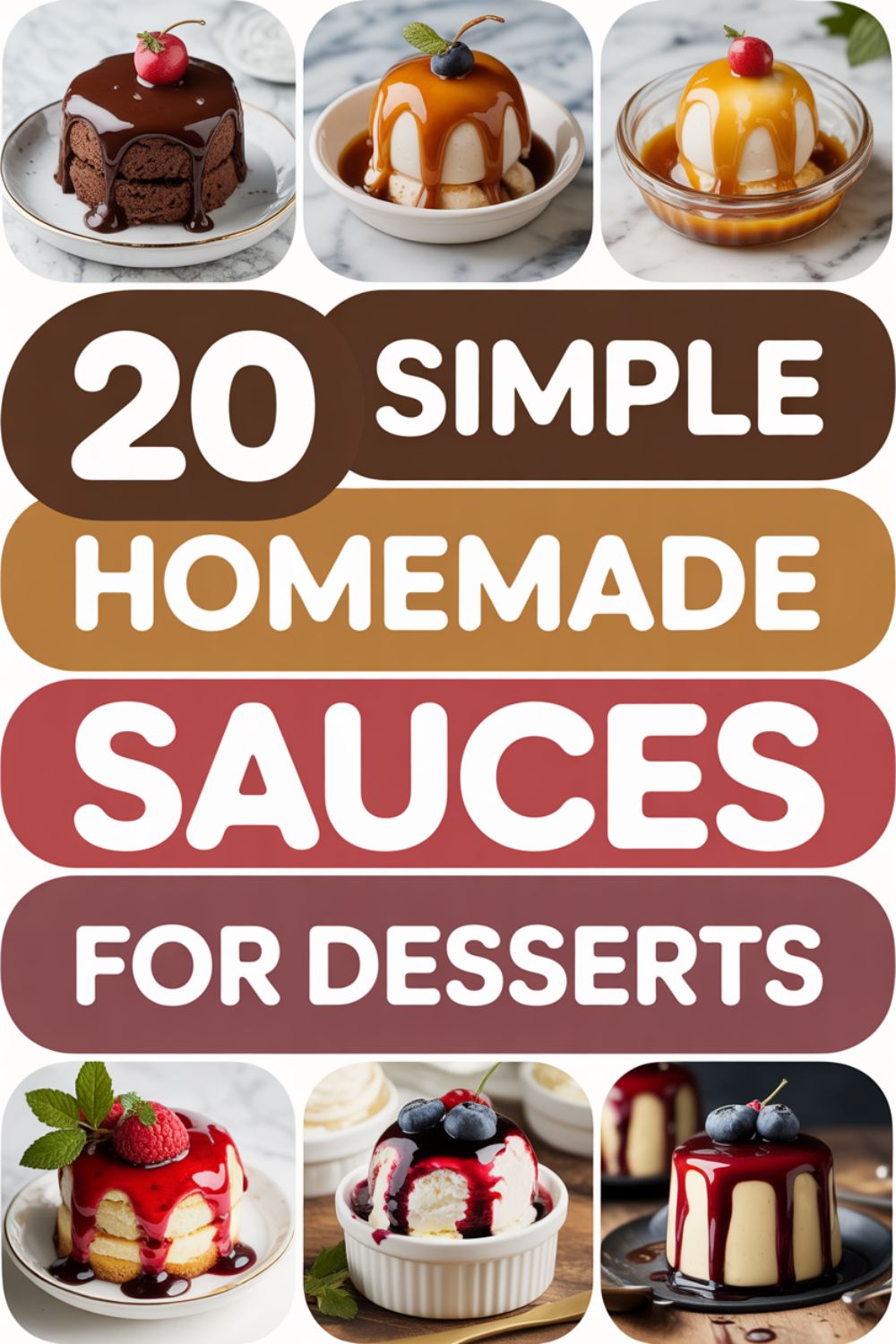
Why Homemade Dessert Sauces Beat Store-Bought Every Single Time
Let me be blunt: most commercial dessert sauces taste like sweetened chemicals. Check the ingredient list sometime—you’ll find more preservatives than actual fruit or chocolate. When you make sauces at home, you control everything: the sweetness level, the texture, whether you want bourbon in your caramel (the answer is yes).
Homemade sauces also give you bragging rights. Your dinner guests don’t need to know the chocolate sauce took seven minutes. They’ll just taste the difference between real cream and whatever thickeners Hershey’s uses, and they’ll assume you’re some kind of dessert wizard.
Plus, these sauces keep. Most last at least a week in the fridge, some even longer. Make a batch on Sunday, and you’ve got instant dessert upgrades all week long. Pour caramel over apples, drizzle chocolate on brownies, spoon berry compote over yogurt. The versatility alone justifies the effort, which again, is minimal.
Pro Tip: Always make dessert sauces in a heavy-bottomed saucepan. Thin pots create hot spots that burn sugar faster than you can say “ruined caramel.” Worth the investment.
The Science Behind Perfect Sauce Consistency
Before we jump into specific recipes, let’s talk texture. Nobody wants watery sauce sliding right off their ice cream or cement-thick sludge you need a chisel to spread. Getting that perfect, spoonable consistency comes down to understanding how sugar behaves under heat.
When you cook sugar-based sauces, you’re essentially controlling moisture content and temperature. Caramelization happens around 320°F, which is where magic occurs—sugars break down, flavors deepen, colors shift from pale gold to rich amber. Push past 350°F though, and you’re into bitter territory. Ask me how I know.
For fruit sauces, the thickening comes from pectin and natural sugars concentrating as water evaporates. Chocolate sauces rely on emulsification—getting fat (from cream or butter) and cocoa solids to play nice together. Understanding these basics means you can troubleshoot on the fly instead of following recipes like scared robots.
Classic Chocolate Sauces That Put Store-Bought to Shame
Rich Dark Chocolate Ganache
Ganache sounds fancy, but it’s literally chocolate and cream heated together until smooth. The ratio determines thickness: equal parts for pourable sauce, more chocolate for frosting consistency. I use good quality dark chocolate—minimum 60% cocoa—because life’s too short for waxy chocolate chips.
Heat heavy cream until it just starts to simmer, pour it over chopped chocolate, and let physics do the work. Wait thirty seconds, then whisk until glossy. Done. This sauce works on everything from classic chocolate desserts to fresh strawberries to straight-up spoonfuls at midnight.
Want to level it up? Add a tablespoon of espresso powder or a splash of bourbon. The coffee intensifies chocolate flavor without making it taste like mocha, and bourbon adds warmth. Just don’t tell the kids about that second variation.
Hot Fudge That Actually Stays Hot
Real hot fudge sauce thickens as it cools but stays pourable when warm. The secret ingredient? Corn syrup. Yeah, I know, but hear me out—it prevents crystallization and gives that signature glossy texture. You can’t replicate it with honey or maple syrup, trust me.
Combine cocoa powder, sugar, cream, butter, and corn syrup. Bring to a boil, then simmer for five minutes. The sauce will look thin, but it thickens dramatically when cooled. I keep mine in a squeeze bottle with a wide opening for easy reheating and serving. See next: 20 Classic Dessert Sauces That Elevate Any Treat →.
Speaking of chocolate indulgence, if you’re looking for quick wins in the dessert department, don’t sleep on these ridiculously fast mug cakes or other quick chocolate treats—they pair beautifully with homemade sauces.
White Chocolate Raspberry Sauce
This one’s for people who think white chocolate isn’t real chocolate but eat it anyway because it’s delicious. Melt white chocolate with cream, then swirl in raspberry puree. The tart berries cut through white chocolate’s sweetness perfectly, creating this pink-streaked situation that looks complicated but isn’t.
Use fresh or frozen raspberries—makes zero difference flavor-wise. Just cook them down with a bit of sugar until jammy, blend until smooth, and strain out the seeds unless you’re into that textural element. I’m not, but you do you.
Caramel Sauces: From Basic to Boozy
Classic Salted Caramel
If you’ve never made caramel from scratch, prepare for a religious experience. Watching sugar transform from crystalline white to liquid amber feels like alchemy. It’s also slightly terrifying because molten sugar is basically lava, so respect the process.
The traditional method involves cooking sugar dry until it melts and caramelizes, then carefully adding warm cream. I say warm because cold cream creates violent spattering. Physics is unforgiving.
Once you’ve mastered basic caramel, the finishing salt takes it from good to “holy hell, what is this sorcery?” Flaky sea salt works best—it provides little bursts of salinity instead of overall saltiness. I use this ceramic ramekin set for portion control because otherwise I eat half the batch before it makes it onto any actual dessert.
Quick Win: Make caramel in a stainless steel pan, not nonstick. You need to see the color change, and dark coatings hide the sugar’s transformation until it’s too late and you’ve got bitter burnt sadness.
Bourbon Butter Caramel
This sauce turns adults into caramel evangelists. After making the base caramel, stir in butter for richness and bourbon for depth. The alcohol cooks off mostly, leaving behind oaky vanilla notes that make everything taste exponentially fancier.
I learned this recipe from a pastry chef who insisted on using good bourbon—not top-shelf, but nothing you wouldn’t sip straight. The quality shows in the final sauce. Pair this with warm bread pudding and watch people’s eyes roll back in happiness.
Apple Cider Caramel
Fall in a jar. Reduce apple cider until it’s syrupy and concentrated, then make caramel and combine them. The resulting sauce tastes like apple pie married regular caramel and had beautiful offspring. Use this on homemade pies, over ice cream, or honestly just warmed up in a mug.
Fresh apple cider works better than the shelf-stable stuff because it has more complex flavor and reduces more intensely. Hit up a farmers market or use the good cider from the refrigerated section. Your sauce will thank you.
Fruit-Based Sauces for Bright, Fresh Flavor
Classic Berry Coulis
Coulis is just French for “fruit puree with delusions of grandeur.” Cook berries with sugar until they break down, blend until smooth, strain if you’re fancy. That’s it. The result is this intensely flavored, jewel-toned sauce that makes everything look professionally plated.
Raspberries, strawberries, blackberries, blueberries—they all work. Mix them for complexity or keep it single-fruit for pure flavor. I like adding a squeeze of lemon juice to brighten the taste and balance sweetness. See next: 30 Best Recipes for Homemade Caramel Treats →.
This sauce is particularly brilliant on rich cheesecakes where you need something acidic to cut through all that cream cheese. It’s also phenomenal on healthier desserts because fruit sauce feels virtuous even when it’s not.
Roasted Strawberry Sauce
Roasting strawberries concentrates their flavor and adds caramelized notes that fresh berries can’t match. Toss halved strawberries with sugar and a tiny bit of balsamic vinegar, roast at 375°F until jammy, then blend. The balsamic sounds weird but intensifies strawberry flavor without making it taste like salad dressing.
I spread these roasted berries on a rimmed baking sheet because regular baking pans don’t have edges and strawberry juice everywhere is a tragedy. The sauce keeps for about five days refrigerated, assuming you don’t eat it all with a spoon first.
Lemon Curd
Technically not a sauce, but close enough that I’m including it. Lemon curd is essentially custard’s tangy cousin—eggs, sugar, butter, and lemon juice whisked over gentle heat until thick. The result is silky, intensely lemony, and works on everything from scones to tarts to angel food cake.
The key to smooth curd is patience and constant whisking. Cook it too fast and you get scrambled eggs with lemon. Nobody wants that. Use a fine-mesh strainer to catch any bits that cooked too quickly, and you’ll have perfect curd every time.
Sauce-Making Essentials I Actually Use
- Heavy-bottomed stainless steel saucepan (3-quart) – Worth every penny for even heating
- Digital instant-read thermometer – Takes guesswork out of caramel stages
- Silicone spatula set – Heat-resistant and scrapes every last bit
- The Complete Sauce Making Guide (digital cookbook) – Advanced techniques and troubleshooting
- Dessert Sauce Mastery Video Course – Watch the techniques in action
- Kitchen Chemistry: Understanding Sugar (ebook) – Science behind perfect consistency
Cream-Based Sauces for Maximum Indulgence
Vanilla Bean Crème Anglaise
This is the sauce that makes pastry chefs swoon. It’s custard without the setting agents—just milk, cream, egg yolks, sugar, and real vanilla bean. The technique requires attention because you’re essentially making very thin custard that could curdle if you blink wrong.
Tempering the eggs is crucial. Pour hot milk into beaten egg yolks gradually while whisking constantly. Then return everything to the pan and cook gently until the sauce coats the back of a spoon. It’s ready when you can draw a line through it with your finger and it stays put. According to professional pastry standards, this sauce should be silky smooth without any graininess.
Serve it warm or cold. I prefer cold, drizzled over warm bread pudding for temperature contrast that’s borderline obscene. Also excellent with fresh berries or fruit tarts.
Bourbon Whipped Cream
Is this technically a sauce? Debatable. Do I care? Not even a little. Whip heavy cream with powdered sugar and a generous glug of bourbon until soft peaks form. The alcohol prevents the cream from getting too stiff, keeping it spoonable rather than sculptable.
This stuff is dangerous on pies, particularly pecan or pumpkin. I also put it on coffee, hot chocolate, and occasionally just eat it with a spoon while standing at the fridge. No judgment—we all have our moments. My stand mixer with whisk attachment makes quick work of this, though a hand mixer works fine too.
Butterscotch Sauce
Butterscotch is caramel’s deeper, richer sibling. Where caramel uses white sugar, butterscotch relies on brown sugar and lots of butter. The result is more complex, with molasses notes and serious depth. It’s also slightly easier than caramel because brown sugar is more forgiving.
Melt butter, add brown sugar, cook until bubbly, then add cream and a pinch of salt. That’s basically it. The sauce thickens as it cools, becoming this luscious situation you’ll want on everything. Try it on homemade ice cream or over sliced bananas.
Nut-Based Sauces Worth the Effort
Salted Peanut Butter Sauce
Peanut butter + heat + cream = liquid gold. Seriously, this sauce transforms regular ice cream into something you’d pay fifteen bucks for at a fancy restaurant. Use natural peanut butter for better flavor, though processed stuff works if that’s what you’ve got.
Warm cream, whisk in peanut butter until smooth, add honey and salt to taste. The sauce stays pourable when warm and becomes fudgy when cold. I keep it in a squeeze bottle so I can drizzle it dramatically over desserts and feel like a food stylist.
IMO, this sauce is criminally underrated. It works on brownies, ice cream, bananas, apples, or even stirred into oatmeal if you’re pretending breakfast can be dessert. Which it absolutely can.
Nutella-Style Hazelnut Sauce
Making Nutella from scratch is a whole thing involving roasted hazelnuts and determination. This sauce takes the easy route: start with actual Nutella (or similar spread), thin it with cream, and season it properly with vanilla and a pinch of salt. Boom, pourable hazelnut chocolate sauce.
The beauty of this method is control over consistency. Want it thick for spreading on crepes? Use less cream. Want it thin for drizzling over chocolate mousse? Add more. It’s incredibly versatile and takes maybe five minutes.
Praline Pecan Sauce
This southern classic combines toasted pecans, brown sugar, butter, and cream into something that belongs on everything from ice cream to waffles to your finger. Toast the pecans first in a dry skillet—it makes a massive difference in final flavor.
The sauce comes together quickly once nuts are toasted. Make a brown sugar caramel, add cream and butter, stir in pecans. You can leave them whole for texture or chop them finely for easier drizzling. Either way, this sauce is pure decadence.
If you’re into no-bake desserts, these sauces pair beautifully with quick no-bake treats and holiday no-bake desserts when you don’t want to turn on the oven.
Boozy Sauces for Grown-Up Desserts
Rum Raisin Sauce
Soak raisins in dark rum overnight (or microwave them for two minutes if you lack foresight), then simmer them with brown sugar, butter, and cream. The rum-plumped raisins add texture, while the sauce itself carries that deep rum flavor that makes desserts taste expensive.
This is exceptional over vanilla ice cream or bread pudding. The alcohol mostly cooks off, leaving flavor without getting anyone tipsy. Mostly. I mean, there’s still rum in there, so maybe don’t serve it to your teetotaling aunt.
Grand Marnier Chocolate Sauce
Orange and chocolate is a classic combination, and Grand Marnier delivers both in liquid form. Make a basic chocolate sauce, then stir in Grand Marnier off the heat. The orange liqueur adds brightness that cuts through chocolate’s richness beautifully.
Can you use cheaper orange liqueur? Sure. Will it taste as good? Probably not. The quality of liqueur matters here because it’s not getting cooked down—the flavor shows up front and center. Serve this over chocolate cake for maximum chocolate-on-chocolate action.
Irish Cream Sauce
Baileys or similar Irish cream liqueur makes the base of this sauce. Combine it with cream, a bit of sugar, and a knob of butter. Warm gently—don’t boil or the alcohol and dairy will separate in ways you can’t fix. The result is smooth, boozy, and tastes like adult hot chocolate.
FYI, this sauce is fantastic on coffee ice cream, creating a sort of deconstructed Irish coffee situation. Also great on brownies, pound cake, or anywhere you want whiskey-flavored cream without actual whiskey.
Pro Tip: When adding alcohol to hot sauces, remove from heat first. Adding it while still on the burner can ignite the alcohol, creating dramatic flames that are cool on TV but terrifying in your kitchen.
Unique Sauces That Surprise People
Honey Lavender Sauce
Lavender in desserts divides people—you either love the floral notes or think it tastes like soap. If you’re in the first camp, this sauce will blow your mind. Steep culinary lavender (not the stuff from craft stores) in warm honey and cream, strain, and you’ve got this subtly floral situation that’s perfect on vanilla-based desserts.
The key is restraint. Too much lavender overpowers everything. Start with a teaspoon, taste, and add more only if needed. I use culinary-grade lavender buds because quality matters when the flavor is this delicate.
Tahini Caramel
This Middle Eastern-inspired sauce combines sesame paste with caramel for a nutty, complex flavor that’s genuinely unique. Make regular caramel, then whisk in tahini and a pinch of cardamom. The result is savory-sweet in the best possible way.
Tahini can be bitter, so taste as you go. Some brands are sweeter than others. I’ve found this sauce pairs surprisingly well with fruit desserts and anything chocolate. It’s also delicious on protein-packed desserts if you’re into that health-ish dessert thing.
Maple Bacon Sauce
Yes, bacon in dessert sauce. Before you judge, try it. Cook bacon until crispy, crumble it, then make a maple syrup-based sauce with cream and butter. Stir in the bacon bits. Sweet, salty, smoky—it hits every flavor note and turns ice cream into a religious experience.
Use real maple syrup, not pancake syrup. The authentic stuff has depth that sugar water can’t replicate. This sauce is phenomenal on vanilla ice cream, but don’t limit yourself. Try it on birthday cakes for adventurous eaters.
Tools & Resources That Make Sauce-Making Easier
- Candy thermometer with clip attachment – Essential for caramel precision
- Set of glass storage jars with lids – Makes refrigerator storage elegant
- Long-handled wooden spoon – Safer for stirring hot sugar
- Artisan Sauce Recipes Collection (digital download) – 50+ unique sauce variations
- Temperature Guide Printable Chart – Quick reference for candy stages
- Join our WhatsApp Dessert Community – Share your sauce creations and get tips
Storage Tips That Actually Matter
Most homemade dessert sauces keep refrigerated for at least a week, some longer. Fruit-based sauces have shorter shelf lives—maybe 4-5 days—because fresh fruit breaks down faster than straight sugar. Caramel and chocolate sauces can last two weeks or more if stored properly.
Always use clean jars with tight-fitting lids. I swear by mason jars in various sizes because they’re cheap, seal well, and I can see what’s inside without opening them. Label everything with dates unless you have better memory than I do, which is entirely possible.
Reheating is crucial for enjoying sauces properly. Microwave in short bursts, stirring between each, or warm gently on the stovetop. Never reheat cream-based sauces at full power—they can separate and become grainy. Low and slow wins every time.
Troubleshooting Common Sauce Disasters
Crystallized caramel happens when sugar crystals form during cooking. Prevent it by not stirring once the sugar starts melting, brushing down pan sides with a wet pastry brush, or adding a tiny bit of corn syrup or lemon juice. If it happens anyway, start over. Some battles aren’t worth fighting.
Curdled cream sauces result from too much heat too fast. If you catch it early, remove from heat immediately and whisk like your life depends on it while adding a splash of cold cream. Sometimes this saves it. Sometimes you’ve made sweetened cottage cheese and need to start fresh.
Separated chocolate sauce means the fat and cocoa solids stopped being friends. Usually happens when chocolate overheats or you add cold liquid to hot chocolate. Fix it by whisking in warm cream a tablespoon at a time until it comes back together. Prevention beats cure though—gentle heat always.
For more dessert inspiration beyond sauces, check out quick 30-minute desserts and simple 5-ingredient treats that pair perfectly with these sauces.
Frequently Asked Questions
How long do homemade dessert sauces actually last in the fridge?
It depends on the type. Chocolate and caramel sauces typically last 2-3 weeks refrigerated in airtight containers. Fruit-based sauces have shorter shelf lives—about 5-7 days—because fresh fruit breaks down faster. Cream-based sauces like crème anglaise should be used within 3-4 days. Always smell and taste before using older sauces; if something seems off, trust your instincts and make a fresh batch.
Can I freeze dessert sauces for longer storage?
Absolutely! Most sauces freeze beautifully for up to 3 months. Caramel, chocolate, and fruit sauces freeze particularly well. Cream-based sauces can separate slightly when thawed but usually come back together with vigorous whisking. Freeze in small portions using ice cube trays or small containers so you can thaw exactly what you need. Thaw overnight in the refrigerator rather than at room temperature.
Why does my caramel sauce crystallize and how do I prevent it?
Crystallization happens when sugar molecules reconnect and form crystals during cooking. Prevent it by avoiding stirring once the sugar starts melting, using a wet pastry brush to wash down any crystals on the pan sides, or adding a small amount of corn syrup or lemon juice to the sugar before cooking. These ingredients interfere with crystal formation. If crystallization does occur, unfortunately you’ll need to start over—there’s no reliable way to fix fully crystallized caramel.
What’s the best way to reheat dessert sauces without ruining them?
Gentle heat is key. For microwave reheating, use 15-20 second bursts at 50% power, stirring between each interval. For stovetop reheating, use low heat and stir constantly. Never reheat cream-based sauces at high temperatures as they can separate or curdle. If a sauce seems too thick after refrigeration, you can thin it with a small amount of cream, milk, or water while reheating.
Can I substitute ingredients in these dessert sauce recipes?
Some substitutions work better than others. Heavy cream can usually be replaced with half-and-half for a lighter sauce, though it won’t be as rich. For dairy-free versions, coconut cream works surprisingly well in most recipes. However, some swaps don’t work—you can’t replace corn syrup in caramel recipes with honey or maple syrup without affecting texture and preventing crystallization. When in doubt, make the recipe as written first, then experiment with substitutions once you know what the original should taste and look like.
The Sweet Finish
Here’s what I want you to take away from all this: dessert sauces aren’t complicated culinary feats reserved for professionals. They’re simple techniques that elevate everything they touch. Whether you start with basic chocolate ganache or dive straight into bourbon caramel, you’re going to taste the difference between homemade and store-bought immediately.
These twenty sauces cover a ridiculous range of flavors—from classic vanilla to unexpected tahini caramel. You don’t need to make all of them. Pick two or three that sound appealing, master those, then expand your repertoire. Before long, you’ll be that person who always has amazing dessert sauces on hand, and honestly, that’s a pretty great reputation to have.
The best part? Once you understand the basic techniques—how caramel works, how to emulsify chocolate, how to cook custard without scrambling eggs—you can start creating your own variations. Add different liqueurs, experiment with spice combinations, swap out nuts or fruits. The possibilities are genuinely endless, and they all start with these foundational recipes.
So grab a heavy-bottomed pan, pick a recipe, and start making your kitchen smell incredible. Your ice cream will thank you.