25 Desserts Made with Natural Sweeteners (Spring Edition)
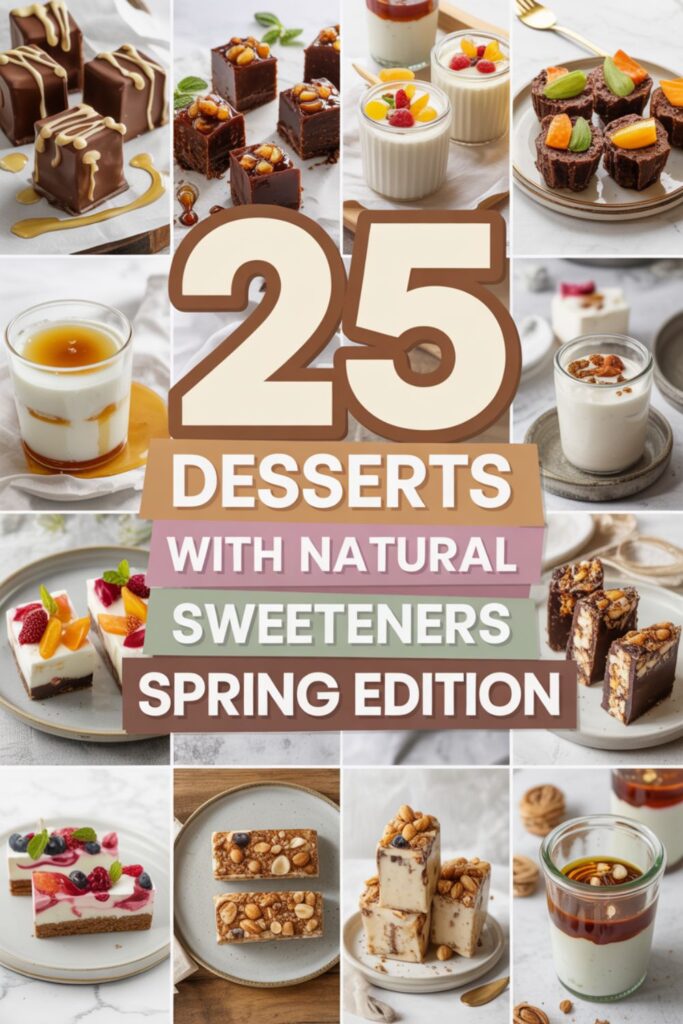
25 Desserts Made with Natural Sweeteners (Spring Edition)
Spring rolls around, and suddenly everyone’s talking about fresh starts and clean eating. But here’s the thing—nobody wants to give up dessert. The good news? You don’t have to. Natural sweeteners are having their moment right now, and honestly, it’s about time.
I’ve been playing around with honey, maple syrup, dates, and coconut sugar for a while now, and I’m genuinely surprised how much better some desserts taste when you ditch the white stuff. Yeah, I said it. Some of these spring treats are actually better with natural sweeteners. Not just “healthier,” but legitimately more flavorful.
Look, I’m not going to stand here and tell you that a honey-sweetened brownie is suddenly a health food. It’s still dessert. But swapping refined sugar for something that comes with a few vitamins, minerals, and a lower glycemic impact? That’s just smart. Plus, spring ingredients pair ridiculously well with the caramel notes in maple syrup or the floral vibes from honey.
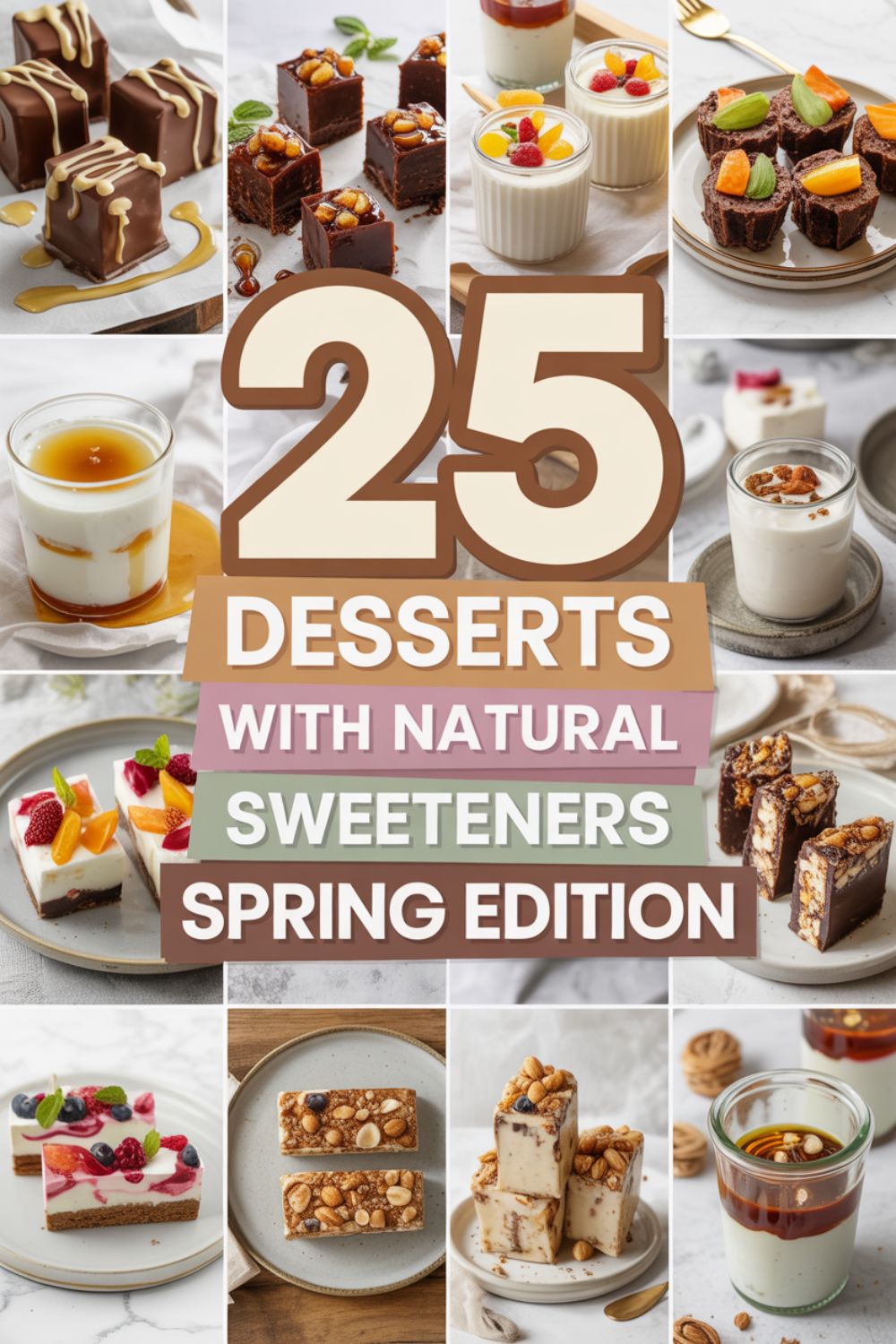
These are the kitchen basics that make these recipes easy: creamy, rich and picture-perfect, the kind of treat your family asks for again and again.
- this silicone muffin panCheck today’s price →
- this cookie scoopCheck today’s price →
- parchment paperCheck today’s price →
- OXO Good Grips Silicone Spatula SetCheck today’s price →
Amazon prices and deals change often, so it’s worth checking today’s price.
Why Natural Sweeteners Actually Make Sense for Spring Desserts
Spring is all about lightness and fresh flavors, right? Heavy, cloyingly sweet desserts feel wrong when the weather’s warming up and everything’s blooming. Natural sweeteners bring something different to the table—literally.
Maple syrup contains antioxidants and minerals like manganese, which you’re definitely not getting from regular sugar. Honey has trace amounts of vitamins and enzymes. Even coconut sugar retains some minerals from the coconut palm. Is it a game-changer health-wise? Not exactly. But it’s not nothing, either.
The real advantage is flavor complexity. Maple syrup has those deep, almost smoky notes. Honey varies wildly depending on what flowers the bees visited. Date paste brings a caramel richness that’s hard to replicate. When you’re working with bright spring fruits like strawberries, rhubarb, or citrus, these nuanced sweeteners don’t just hide in the background—they actually complement the fruit.
Understanding the Natural Sweetener Landscape
Not all natural sweeteners are created equal, and it’s worth knowing what you’re working with before you start tossing ingredients into a mixing bowl.
Honey: The OG Natural Sweetener
Honey’s been around forever, and for good reason. It’s sweeter than sugar, so you can use less. It also adds moisture to baked goods, which is clutch for things like muffins and quick breads. But here’s what nobody tells you: different honeys taste wildly different. Clover honey is mild and generic. Buckwheat honey is dark and intense, almost molasses-like. Orange blossom honey has floral notes that work beautifully in spring desserts.
One heads up—honey doesn’t dissolve the same way sugar does. If you’re making something that needs to stay crispy (like certain cookies), honey might not be your friend. It attracts moisture from the air, which can make things go soft faster.
Maple Syrup: More Than Just Pancake Topping
Real maple syrup (not the fake stuff, which is basically corn syrup with flavoring) has a lower glycemic index than white sugar, sitting around 54 compared to sugar’s 65. According to nutritional research, this means it won’t spike your blood sugar quite as aggressively.
The flavor profile is distinct—earthy, slightly smoky, with notes of caramel and vanilla. It’s particularly good in recipes where you want that depth, like in roasted fruit desserts or anything with nuts. I use this organic maple syrup in pretty much everything because it’s got a richer flavor than the grocery store brands.
Dates and Date Sugar: The Underdog
Dates are basically nature’s candy, and when you process them into paste or sugar, they bring serious sweetness plus fiber and potassium. Date sugar is just ground-up dried dates, which means it doesn’t dissolve in liquid. This makes it tricky for some recipes, but it’s excellent in crumbles, cookies, or anything you’d normally sprinkle sugar on top of.
Date paste, though? That’s where things get interesting. Blend pitted dates with water until smooth, and you’ve got a versatile sweetener that works in everything from frosting to energy balls.
Coconut Sugar: The Subtle Swap
Consumer Reports notes that while coconut sugar has been marketed as significantly healthier, the reality is more modest. It does have a slightly lower glycemic index and contains small amounts of minerals like iron and zinc, but you’d need to eat a ton to get meaningful nutritional benefits.
Where coconut sugar shines is in its 1:1 substitution ratio with white sugar and its neutral-ish flavor with a hint of caramel. It’s probably the easiest natural sweetener to bake with if you’re just starting out.
Speaking of spring baking, if you’re looking for more ways to satisfy your sweet tooth without going overboard, check out these healthy desserts that actually taste like treats. Some of them use natural sweeteners in clever ways that don’t sacrifice flavor.
25 Spring Desserts That Actually Work with Natural Sweeteners
Alright, enough theory. Let’s get to the actual desserts. I’ve organized these by sweetener type and spring ingredient because, honestly, that’s how I think about dessert planning anyway.
Honey-Based Spring Desserts
1. Honey-Lavender Panna Cotta
This is one of those desserts that looks impressive but takes maybe 20 minutes of actual work. The floral notes from lavender and honey are practically made for each other, and the creamy texture is perfect for spring dinner parties. I use these dried culinary lavender buds because they’re already food-grade and save you from having to hunt down edible flowers. See next: 25 Desserts Made with Natural Sweeteners →.
2. Strawberry-Honey Shortcakes
Classic strawberry shortcake gets an upgrade here. The honey in the biscuits adds moisture and a subtle sweetness that doesn’t compete with the berries. Macerate your strawberries in a little honey instead of sugar—it brings out their natural juices without turning syrupy. See next: 20 No-Bake Dessert Jars for Spring Parties →.
3. Lemon-Honey Bars with Almond Crust
Lemon bars are a spring staple, but most recipes are cloyingly sweet. Honey provides just enough sweetness while letting the lemon shine. The almond crust adds a nutty complexity that regular flour crusts lack. These are also naturally gluten-free if you’re into that.
4. Honey-Roasted Rhubarb with Greek Yogurt
Technically more of a breakfast or snack situation, but who’s counting? Roasting rhubarb with honey mellows its tartness and brings out this gorgeous pink color. Serve it over thick Greek yogurt with a handful of granola, and you’ve got a spring dessert that feels virtuous.
5. Honeyed Ricotta Tart with Fresh Berries
Ricotta desserts are having a moment, and this tart is why. The filling is just ricotta, honey, eggs, and lemon zest baked in a simple crust. Top it with whatever berries look good at the market. It’s barely sweet, which I actually prefer for spring. See next: 27 Light & Guilt-Free Spring Sweets →.
Maple Syrup Creations
6. Maple-Glazed Carrot Cake Muffins
Carrot cake feels like a spring thing to me—probably because of the whole garden vegetable vibe. These muffins skip the cream cheese frosting (though you could add it) and instead get a maple glaze that’s just maple syrup reduced until it’s thick and glossy. I use this silicone muffin pan for perfect release every time.
7. Maple-Sweetened Strawberry Compote
This is barely a recipe, but it’s so useful. Simmer strawberries with maple syrup and a squeeze of lemon until they break down into a chunky sauce. Spoon it over ice cream, yogurt, pancakes, or just eat it with a spoon standing over the sink. No judgment.
8. Maple-Pecan Blondies
Blondies often get overshadowed by brownies, which is a shame because they’re equally delicious and way easier to make. Maple syrup and pecans are a classic combo, and these have a chewy texture that regular sugar blondies can’t quite match.
9. Maple-Vanilla Bean Custard
Custard is underrated in American desserts, and I’m on a personal mission to change that. This version uses maple syrup instead of sugar, which gives it a subtle complexity. Scrape in a whole vanilla bean if you’re feeling fancy, or just use good extract.
10. Maple-Sweetened Oat Crumble Bars
These work with any spring fruit—strawberries, rhubarb, early cherries, whatever. The maple syrup in the oat topping creates these amazing crispy clusters. Make a double batch because they freeze beautifully. See next: 20 Gut-Friendly Spring Desserts (Yogurt + Chia) →.
For more ways to use oats in desserts, you might like these dessert recipes with chia seeds—they pair surprisingly well with maple syrup too.
Date-Based Delights
11. Date-Sweetened Chocolate Mousse
Blend dates with cocoa powder, avocado (trust me), and a splash of almond milk, and you get this ridiculously creamy chocolate mousse that tastes way more indulgent than it has any right to be. Nobody will guess there’s avocado in it unless you tell them, so maybe don’t.
12. Lemon-Date Energy Balls
These aren’t exactly traditional dessert, but they scratch the sweet tooth itch. Dates, cashews, lemon zest, and a pinch of sea salt. Roll them in shredded coconut if you want to get fancy. They’re perfect for when you want something sweet but don’t want to commit to a full dessert.
13. Date-Sweetened Banana Bread
Banana bread is technically breakfast, but we all know it’s cake in disguise. Using date paste instead of sugar adds moisture and a deeper sweetness that complements the bananas. I throw in walnuts and a pinch of cinnamon because I’m not a monster. You’ll need a good loaf pan that won’t stick—ceramic or well-seasoned cast iron works best.
14. Coconut-Date Macaroons
Macaroons (not to be confused with French macarons) are stupid easy. Egg whites, shredded coconut, and date paste. Bake until golden. Dip in dark chocolate if you’re feeling it. They’re naturally gluten-free and dairy-free, which makes them great for potlucks.
15. Date Caramel Sauce
Real talk: this stuff is addictive. Blend dates with a little coconut milk and vanilla until smooth, and you’ve got a sauce that tastes shockingly like caramel. Drizzle it over homemade ice cream or fresh fruit. It keeps in the fridge for about a week, assuming you don’t eat it all first.
Coconut Sugar Specialties
16. Coconut Sugar Snickerdoodles
Snickerdoodles are all about that cinnamon-sugar coating, and coconut sugar brings a slight molasses note that makes them taste almost like brown sugar cookies. They’re chewy in the middle with crispy edges, exactly how a good cookie should be.
17. Coconut-Sweetened Chia Pudding with Mango
Chia pudding is one of those things that’s either your jam or it’s not. If you’re team chia, this version uses coconut milk and coconut sugar for a tropical vibe, then tops it with fresh mango and toasted coconut flakes. Spring in a jar, basically.
18. Coconut Sugar Pecan Pie Bars
Pecan pie is a bit heavy for spring, but these bars are a lighter take. The coconut sugar in the filling creates a less intensely sweet goo (in the best way), and the bars are easier to serve than a whole pie.
19. Rhubarb Crisp with Coconut Sugar Topping
Rhubarb is the ultimate spring ingredient—tart, pink, and criminally underused. A coconut sugar crisp topping balances the tartness without overpowering it. Serve it warm with vanilla ice cream, and you’ve got a dessert that screams “spring dinner party.”
20. Coconut Sugar Shortbread Cookies
Shortbread is all about simplicity: butter, flour, sugar. Using coconut sugar adds a hint of caramel that makes these feel a bit more special than standard shortbread. I use this cookie scoop to keep them uniform, then press them with a fork for that classic look. See next: 27 Healthier Holiday Sweets for Spring →.
If you’re into simple, minimal-ingredient desserts, check out these 3-ingredient desserts. Some work beautifully with coconut sugar swapped in.
Mixed Sweetener Magic
21. Spring Berry Parfait with Honey-Maple Granola
Layer Greek yogurt, fresh berries, and granola sweetened with both honey and maple syrup. The combination gives the granola a more complex sweetness than using either sweetener alone. Make the granola on Sunday, assemble parfaits throughout the week.
22. Maple-Date Sticky Toffee Pudding
This British classic gets a natural sweetener makeover. Dates in the cake, maple in the sauce. It’s still decadent and rich—let’s not pretend it’s health food—but it tastes less aggressively sweet than the traditional version.
23. Honey-Lemon Poppy Seed Cake
Lemon and poppy seed is such a classic spring combo. The honey keeps this cake incredibly moist, and the lemon cuts through any potential heaviness. Dust it with powdered sugar (yes, it’s refined, but sometimes you need that snowy finish) or drizzle with a honey-lemon glaze.
24. Coconut-Maple Fudge
Fudge is usually a holiday thing, but this version feels lighter—probably because it’s made with coconut milk instead of heavy cream. Coconut sugar and maple syrup combine for a less cloying sweetness. Cut it into small squares because it’s rich. You’ll want parchment paper to line your pan for easy removal.
25. Spring Fruit Galette with Date-Maple Crust
Galettes are the lazy person’s pie (said with love—I make them constantly). This free-form tart uses a crust sweetened with date paste and maple syrup, filled with whatever spring fruit looks good. Strawberries and rhubarb are my go-to, but apricots or cherries work too. See next: 21 Gluten-Free Spring Treats →.
Curated Collection: Essential Tools for Natural Sweetener Baking
After making approximately a million naturally-sweetened desserts, I’ve figured out which tools actually matter. Here’s what’s in my kitchen.
Physical Products:
- OXO Good Grips Silicone Spatula Set – Natural sweeteners can be sticky. These spatulas have scraped more date paste and honey out of bowls than I can count.
- USA Pan Bakeware Half Sheet Pan – Heavy-gauge aluminum that won’t warp. Perfect for everything from roasted fruit to cookie sheets.
- KitchenAid Glass Mixing Bowls – Glass doesn’t retain odors or flavors, which matters when you’re working with strong-flavored sweeteners like buckwheat honey or molasses-y coconut sugar.
Digital Products & Resources:
- Natural Sweetener Conversion Chart (PDF) – Because honestly, who remembers if honey is sweeter than maple syrup by volume? This chart has saved me from ruining countless batches.
- Spring Baking Recipe eBook Bundle – Forty recipes designed specifically for natural sweeteners. The tips on adjusting baking times alone are worth it.
- Meal Prep Mastery Course – Sounds random, but it includes a whole module on batch-preparing dessert components. Make date paste, honey whipped cream, and maple granola once, use all week.
Baking Tips: What Actually Changes When You Use Natural Sweeteners
Let’s talk logistics, because natural sweeteners don’t behave exactly like white sugar, and the internet is full of recipes that ignore this fact.
Liquid Sweeteners (Honey, Maple Syrup, Date Syrup)
These add moisture to your recipe, which is great for cakes and muffins but less ideal for crispy cookies. The rule of thumb: reduce other liquids by about 3-4 tablespoons per cup of liquid sweetener used.
Also, liquid sweeteners make baked goods brown faster. Drop your oven temp by 25°F and keep an eye on things. I’ve burned more than one batch of honey cookies because I forgot this.
Granulated Alternatives (Coconut Sugar, Date Sugar)
Coconut sugar usually works 1:1 with white sugar, which is convenient. Date sugar doesn’t dissolve well, so it’s better for toppings or mixing into batters rather than dissolving in liquids.
One thing nobody tells you: coconut sugar can make things dry if you’re not careful. I usually add an extra tablespoon or two of liquid (milk, water, whatever) to compensate.
Storage Considerations
Baked goods made with honey or maple syrup stay moist longer than those made with white sugar, which is a win. But they can also get too moist and sticky if you don’t store them properly. I use these airtight containers with silica gel packets to keep things fresh without getting soggy.
Date-based desserts need to be refrigerated more often than sugar-based ones, especially if you’ve used date paste as the primary sweetener.
For those curious about other healthy swaps, these low-sugar desserts explore similar territory with different techniques.
Meal Prep & Make-Ahead Magic
The best part about spring desserts with natural sweeteners? Many of them actually improve with time. Make these components ahead, and you’ll have dessert ready whenever you need it.
Prep-Ahead Winners:
- Date paste – Blend dates with water, store in the fridge for up to 2 weeks. Use it in everything.
- Maple granola – Make a huge batch on Sunday. It keeps for weeks and works in parfaits, over yogurt, or straight from the container at 3 PM when you need something sweet.
- Honey-roasted nuts – Toss nuts with honey and sea salt, roast until golden. Perfect for topping desserts or eating as a snack.
- Strawberry-maple compote – This stuff is gold. Make it once, use it a dozen ways: on ice cream, in parfaits, swirled into yogurt, or just eaten with a spoon.
Looking for more meal prep inspiration? Try these freezer-friendly desserts. Several work beautifully with natural sweeteners and can be made weeks in advance.
Balancing Nutrition Without Losing Your Mind
Here’s the thing about natural sweeteners: they’re still sugar. Your body processes them as sugar. The glycemic impact might be slightly lower, and you might get a few trace minerals, but if you eat a dozen honey cookies, you’ve still eaten a dozen cookies.
That said, I genuinely think there’s value in choosing less processed options when you can. Natural sweeteners often come with fiber (especially dates), minerals, and antioxidants. They force you to think about what you’re eating rather than mindlessly grabbing processed treats.
Plus—and this is purely subjective—I find desserts made with natural sweeteners more satisfying. They’re sweet without being cloying, which means I’m less likely to eat five servings because I’m chasing that sugar high.
If you’re thinking about the health angle seriously, these weight-loss-friendly desserts take a more structured approach to nutrition while still delivering on flavor.
Kitchen Tools That Actually Matter
You don’t need a ton of fancy equipment to work with natural sweeteners, but a few key items make life easier.
A high-speed blender is essential if you’re making date paste or any blended desserts. Cheap blenders struggle with dates, leaving you with chunks. A good digital scale helps with accuracy, especially since liquid sweeteners can be tricky to measure consistently in cups.
I also swear by parchment paper rounds for cakes. Natural sweeteners can make things stickier, and pre-cut parchment saves you from wrestling with a stuck cake layer.
Community Collection: Real Kitchen Resources
Beyond the standard tools, these resources have genuinely improved my naturally-sweetened baking game.
Digital Products:
- The Natural Baker’s Handbook – An ebook specifically about converting traditional recipes to use natural sweeteners. The troubleshooting section alone is worth it.
- Spring Dessert Meal Prep Guide – Weekly plans for making dessert components in batches. Game-changer if you like having sweets on hand without daily baking.
- Sweetener Science Course – Sounds nerdy, but understanding the chemistry actually helps you improvise better. Plus, the instructor is funny.
Community Resources:
- Join our WhatsApp group for natural sweetener baking tips – We share recipe successes, failures, and substitution ideas in real-time.
- Monthly recipe challenges – Each month we tackle a different naturally-sweetened dessert category and compare notes.
Related Recipes You’ll Love
Frequently Asked Questions
Can I substitute natural sweeteners 1:1 for white sugar in any recipe?
Not exactly. Coconut sugar works pretty close to 1:1, but liquid sweeteners like honey and maple syrup are sweeter and add moisture. General rule: use 3/4 cup liquid sweetener for every 1 cup sugar, and reduce other liquids by 3-4 tablespoons. Also drop your oven temp by 25°F since natural sweeteners caramelize faster.
Which natural sweetener has the lowest impact on blood sugar?
Date sugar and maple syrup generally have lower glycemic indexes than white sugar, around 42-54 compared to 65. Coconut sugar sits around 54. But honestly, the difference isn’t huge—they’re all still sugar and will affect your blood glucose. The fiber in whole dates helps slow absorption, which is why date paste can be a smarter choice than refined sweeteners.
Do desserts made with natural sweeteners taste different?
Yeah, but in a good way (usually). Honey adds floral notes, maple brings earthiness, dates contribute caramel flavor. Most people prefer the complexity over one-dimensional sweetness. That said, if you’re making something delicate like angel food cake where you want pure sweetness with no flavor interference, natural sweeteners might not be ideal.
How long do naturally-sweetened desserts keep?
Generally longer than sugar-based ones because honey and maple syrup are naturally antimicrobial and retain moisture. Cookies and cakes stay fresh for about a week at room temperature in airtight containers. Date-based desserts usually need refrigeration and last 5-7 days. Anything with honey develops better flavor after a day or two—the sweetness mellows and integrates.
Are natural sweeteners actually healthier than white sugar?
Depends on what “healthier” means to you. They contain trace minerals and antioxidants that white sugar lacks, and some have lower glycemic indexes. But you’d need to consume unrealistic amounts to get meaningful nutritional benefits. The real advantage is that they’re less processed and often more satisfying, so you might eat less. They’re a better choice than refined sugar, but they’re not a health food.
Wrapping Up Spring with Something Sweet
Spring’s short. The fresh berries disappear, rhubarb season ends before you’ve made enough crisps, and suddenly it’s summer and everyone’s making ice cream instead of baked goods.
Natural sweeteners won’t magically turn dessert into health food, but they’ll make your spring treats taste more interesting and feel less like empty calories. The minerals are a bonus. The lower glycemic impact helps. But really, it’s about making desserts that taste like actual food instead of just sugar bombs.
Start with one or two recipes from this list. See how honey changes the texture of your baking. Notice how maple syrup’s complexity plays with spring fruit. Experiment with date paste in your go-to brownie recipe. Once you get a feel for how these sweeteners behave, you’ll start improvising and making your own swaps.
Just remember: these are still desserts. Natural sweetener or not, moderation matters. But when you do have something sweet, might as well make it count with ingredients that bring more to the table than just empty calories.
Now go make something delicious. Spring’s not going to last forever.