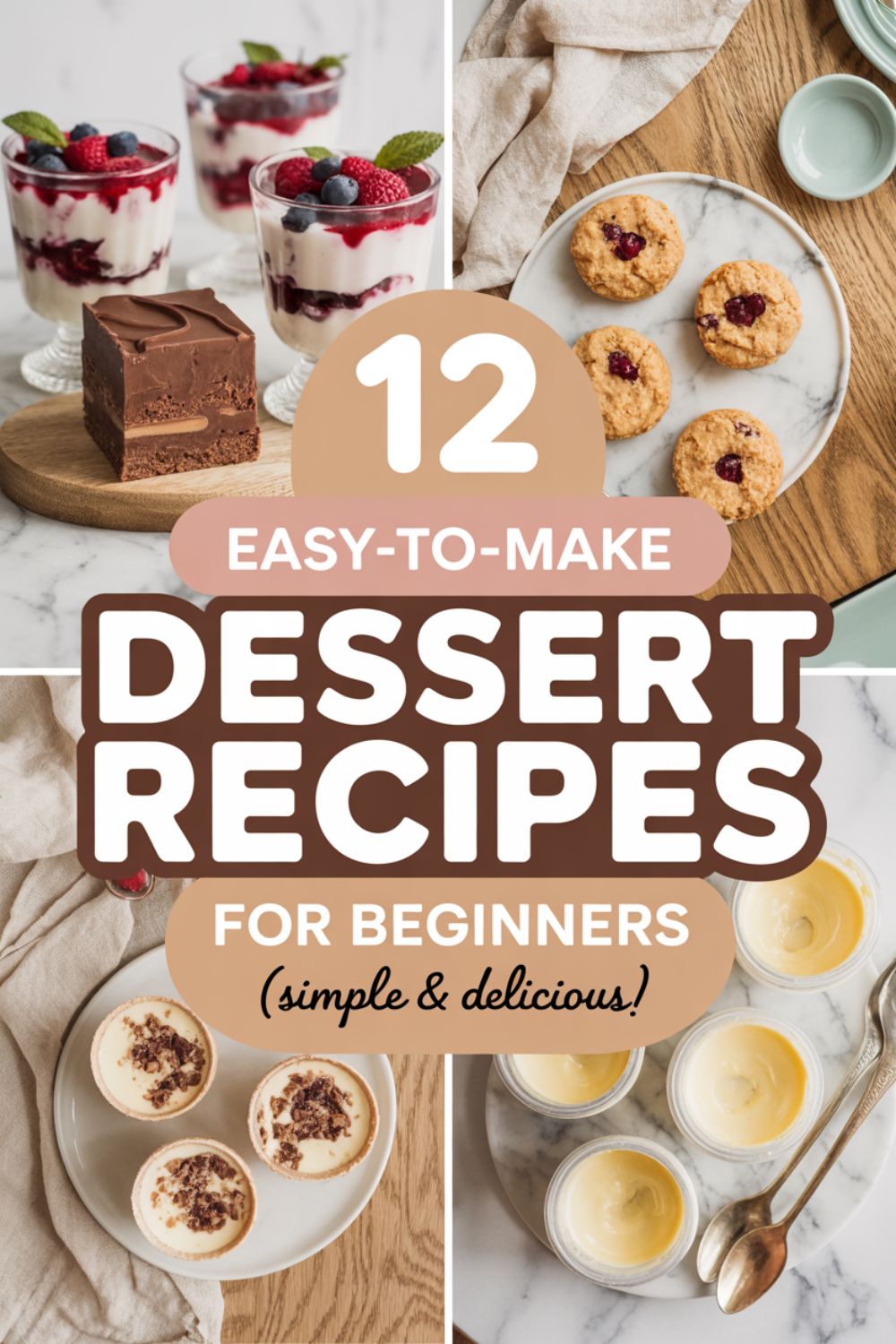
12 Easy-to-Make Dessert Recipes for Beginners
Look, I get it. You’re standing in your kitchen, scrolling through Pinterest at some impossibly perfect dessert that promises it’s “beginner-friendly,” and you’re thinking, “Yeah, right.” Been there. Done that. Ended up with something that looked like a science experiment gone wrong.
But here’s the thing about desserts—they don’t have to be complicated to be absolutely delicious. In fact, some of the best treats I’ve ever made were dead simple. No fancy equipment, no culinary degree required, just good ingredients and a little confidence.
So let’s cut through the intimidation factor. These 12 dessert recipes are actually beginner-friendly. I’m talking recipes where you can’t really mess up, where the ingredient list doesn’t read like a chemistry textbook, and where the end result will make you look like you know what you’re doing in the kitchen.
Why Beginners Struggle With Desserts (And How to Not Be That Person)
Here’s what nobody tells you when you start baking: most kitchen disasters happen because of measurement mistakes, not because you lack some magical baking gene. Seriously. Too much flour and your cookies turn into hockey pucks. Too little sugar and your cake tastes like cardboard.
The secret? Precision matters, but not in a scary way. When understanding the fundamentals of baking, you realize it’s less about perfection and more about knowing which rules you can bend and which ones you absolutely can’t.
Another thing that trips people up? Oven temperature. Your oven is probably a liar. Mine certainly is. It claims to be 350°F but it’s actually hanging out somewhere around 375°F, living its best life while my brownies burn. Invest in an oven thermometer—cheap insurance against dessert disasters.
The Foundation: Tools You Actually Need
Before we dive into recipes, let’s talk gear. And no, you don’t need a $400 stand mixer or copper pots hanging from the ceiling. Start simple.
Essential tools: A good set of measuring cups and spoons, a couple of mixing bowls, a whisk, a rubber spatula, and decent baking sheets. That’s it. Everything else is just marketing.
I swear by silicone baking mats instead of parchment paper. Zero sticking, zero waste, and they last forever. Plus, you stop buying parchment paper every three weeks like some kind of paper-addicted monster.
For mixing, you can absolutely do everything by hand when you’re starting out. But if your wrist starts staging a rebellion after making your third batch of cookies, a hand mixer is your friend. Not fancy, not expensive, just functional.
Recipe #1: No-Bake Chocolate Peanut Butter Bars
Let’s start with something ridiculously easy. These bars require zero oven time, which means zero chance of burning anything. They’re sweet, salty, and dangerously addictive.
Why beginners love them: You literally just melt, mix, and refrigerate. If you can stir ingredients in a bowl, you can make these. Plus, they taste like Reese’s cups had a baby with a granola bar.
The base is crushed graham crackers mixed with melted butter and peanut butter. Press it into a pan, melt some chocolate chips for the top layer, chill, and you’re done. The hardest part is waiting for them to set in the fridge. Get Full Recipe.
Pro tip: Use a food processor to crush your graham crackers. Putting them in a bag and smashing them with a rolling pin works too, but it’s way more aggressive than necessary and your neighbors will judge you.
Understanding Fat and Sugar Interactions
Here’s a quick science lesson that’ll make you a better baker: fat and sugar don’t just add flavor—they create texture. In these bars, the butter makes everything bind together while the peanut butter adds moisture and richness. The sugar crystallizes slightly as it cools, giving you that perfect firm-but-chewy texture.
This is the same principle that makes cookies chewy versus crispy. More fat equals chewier. More sugar equals crispier. Keep this in mind and you’ll start understanding why recipes work the way they do.
Recipe #2: Three-Ingredient Flourless Chocolate Cookies
Yes, three ingredients. No, I’m not kidding. No, they don’t taste like sadness.
What you need: Powdered sugar, cocoa powder, egg whites. That’s the entire shopping list. These cookies are naturally gluten-free, intensely chocolatey, and have this amazing crackled surface that makes them look way fancier than they actually are.
Mix everything together until you get a thick, glossy batter. Scoop onto a baking sheet. Bake. Try not to eat them all in one sitting. Get Full Recipe.
The texture is somewhere between a brownie and a meringue—chewy on the inside with a slightly crispy exterior. They’re also a great option if you’re baking for someone with a gluten sensitivity. Looking for more quick options? These easy desserts you can make in under 30 minutes or 5-ingredient desserts might be your new best friends.
Recipe #3: Classic Rice Krispie Treats (Done Right)
Everyone thinks they know how to make Rice Krispie treats. Most people are wrong. The basic concept is simple, sure—marshmallows, butter, cereal. But the execution matters.
The mistake everyone makes: Overheating the marshmallows. When you cook them too long or too hot, they get tough and your treats turn into mouth-breaking bricks. Low heat, constant stirring, just until they’re melted.
Use a large pot even though it seems like overkill. You need room to fold in those Rice Krispies without smashing them to dust. And grease your hands before pressing the mixture into the pan. Trust me on this one. Marshmallow is nature’s strongest adhesive.
Want to get fancy? Add a handful of mini chocolate chips while the mixture is still warm. Or drizzle melted chocolate on top. Or crushed Oreos. Or basically anything because Rice Krispie treats are the most forgiving canvas in the dessert world. Get Full Recipe.
The Complete Beginner Baker’s Guide
Stop guessing and start baking with confidence. This comprehensive eBook includes 50+ foolproof recipes, troubleshooting guides, ingredient substitution charts, and video tutorials. Perfect for anyone who’s ever burned cookies or wondered why their cake sank.
- 50+ tested recipes with step-by-step photos
- Common mistake fixes and prevention tips
- Printable conversion charts and templates
- Bonus: 20 no-bake dessert recipes
Recipe #4: Mug Cake That Doesn’t Suck
Mug cakes got a bad reputation because most of them taste like spongy disappointment. But when you nail the ratio, they’re actually clutch for those late-night chocolate cravings.
The secret: Don’t overmix and don’t overcook. Thirty seconds too long in the microwave and you’ve created a rubber eraser. The texture should be more like a molten lava cake than a traditional cake—slightly gooey in the center.
I use a large ceramic mug because the mixture expands like crazy in the microwave. Nothing worse than chocolate cake erupting all over your microwave like a dessert volcano. Thirty different mug cake variations exist if you want to get creative beyond basic chocolate.
Recipe #5: Strawberry Shortcake Parfaits
This is dessert assembly, not dessert engineering. Which makes it perfect for beginners who want something that looks impressive without the stress.
The layers: Crumbled store-bought pound cake or angel food cake, fresh strawberries macerated in a little sugar, and whipped cream. Stack them in a glass. Repeat. Marvel at how fancy you look.
Macerate just means letting the strawberries sit in sugar for 15 minutes so they release their juices and get all syrupy. It’s a small step that makes a huge difference. The juice soaks into the cake and everything tastes more intense.
Use clear glass jars or parfait glasses so people can see those pretty layers. Half the fun is the visual appeal. And if you’re feeling lazy, Cool Whip works just fine instead of making fresh whipped cream. No judgment here. Get Full Recipe.
Why Fresh Ingredients Matter (But Not in the Way You Think)
People get weird about using fresh versus frozen fruit, like frozen strawberries are somehow inferior. Here’s the truth: frozen fruit is picked at peak ripeness and flash-frozen, which often means better flavor than the sad, pale “fresh” strawberries at the grocery store in January.
For parfaits, fresh works better because of texture. But for anything baked or blended? Frozen is your friend. And usually cheaper. Science for the win.
Recipe #6: Peanut Butter Cookies (The Easy Version)
The classic peanut butter cookie with the fork hash marks that your grandma probably made. Except this version is even simpler because we’re not messing around with creaming butter or any of that fussy stuff.
The base: Peanut butter, sugar, egg, vanilla. That’s it. No flour, no leavening agents, just pure peanut butter cookie goodness. They come out soft and chewy with crispy edges.
I like using a cookie scoop to portion these out because it keeps them uniform, which means they bake evenly. Plus it feels satisfyingly professional, like you’re running a bakery out of your kitchen. Get Full Recipe.
If you’re looking for more kid-friendly options or want to bake with little ones, check out these easy desserts to make with kids. Peanut butter cookies are perfect for that because even if the dough gets manhandled, they still taste great.
🎉 Join Our Baking Community!
Want exclusive recipes, baking tips, and weekly inspiration delivered straight to your phone? Join our WhatsApp community where over 10,000 home bakers share their wins, ask questions, and get real-time help with their dessert dilemmas.
Join WhatsApp CommunityRecipe #7: Icebox Cake
This might be the laziest impressive dessert in existence. You don’t bake anything. You don’t even turn on the stove. You just layer cookies and whipped cream, stick it in the fridge overnight, and the cookies magically soften into something that resembles cake.
How it works: The moisture from the whipped cream seeps into the cookies, transforming them from crispy wafers into soft, cake-like layers. It’s some kind of refrigerator sorcery and I’m here for it.
Classic version uses chocolate wafers, but graham crackers work great too. Layer with whipped cream, adding any extras you want—chocolate chips, crushed candy, fruit. Cover it all with more whipped cream and let time do its thing. In the morning, you have cake. Get Full Recipe.
Recipe #8: Brownie Bites (Mini and Mighty)
Brownies are already beginner-friendly, but making them in a mini muffin tin has some serious advantages. They bake faster, they’re automatically portioned, and everyone loves a mini dessert.
The trick with brownies: Don’t overbake them. Seriously. That’s the entire secret to fudgy brownies. They should look slightly underdone when you pull them out because they’ll continue cooking in the pan. A toothpick should come out with a few moist crumbs, not clean.
I use a basic boxed brownie mix for these because sometimes convenience wins and nobody can tell the difference. Add mini chocolate chips or swirl in some peanut butter if you want to elevate them. Get Full Recipe.
For more portable dessert options, these easy dessert bars for on-the-go treats might inspire your next baking session.
30-Day Dessert Meal Prep Planner
Never scramble for dessert ideas again. This digital planner includes weekly batch-baking schedules, freezer-friendly recipes, storage tips, and shopping lists. Prep once, enjoy sweet treats all week long.
- 30 days of planned desserts with prep schedules
- Freezer-friendly recipes and reheating guides
- Organized grocery lists by week
- Printable labels and storage instructions
Recipe #9: Chocolate-Dipped Frozen Bananas
Is this really a recipe? Not really. Does it count as dessert? Absolutely. Is it delicious and takes five minutes? Yes, and that’s all that matters.
The process: Peel bananas, cut them in half, stick a popsicle stick in each one. Freeze them solid. Melt chocolate. Dip the frozen bananas in the melted chocolate. Add toppings while the chocolate is still wet—crushed nuts, sprinkles, coconut flakes, whatever you’re into.
These are actually healthier than most desserts since you’re basically eating frozen fruit covered in chocolate. Is that nutritious? Questionable. Is it better than eating an entire pint of ice cream? Probably. Get Full Recipe.
Use a double boiler or microwave-safe bowl for melting chocolate. If you’ve never melted chocolate before, go slow—it burns easily and seized chocolate is a tragedy nobody needs.
The Chemistry of Chocolate Tempering (Simplified)
You don’t need to temper chocolate for this recipe, but understanding why chocolate gets weird when it melts helps you avoid disasters. Chocolate contains cocoa butter, which has multiple crystal structures. When you melt and cool it properly, you get shiny, snappy chocolate. When you don’t, you get chalky, streaky chocolate.
For home use? Don’t stress it. Your frozen bananas will taste amazing regardless of whether your chocolate coating is professionally tempered.
Recipe #10: Apple Nachos
Okay, calling this a “recipe” is generous, but it’s genius for beginners. Slice apples thin, arrange them on a plate, drizzle with melted peanut butter and chocolate, sprinkle with whatever toppings you have—granola, mini chocolate chips, chopped nuts, caramel sauce.
Why it works: It’s customizable, impossible to mess up, and feels way more special than just eating an apple. Plus, you can make it as healthy or as indulgent as you want.
I use a mandoline slicer to get those super thin apple slices, but a sharp knife works fine. Just watch your fingers—mandolines are fantastic until they’re not. Get Full Recipe.
💬 Never Bake Alone Again!
Get instant answers to your baking questions, share photos of your creations, and discover new recipes every week. Our WhatsApp community is like having a baking buddy in your pocket—minus the awkward small talk.
Join Free TodayRecipe #11: Lemon Bars (The Foolproof Version)
Lemon bars get a bad rap for being finicky. The crust can be too hard, the filling too runny, the whole thing too tart or too sweet. But this simplified version fixes all those issues.
The secret to a good crust: Press it firmly into the pan and prebake it. That’s it. If your crust is loose and crumbly, it’s because you didn’t pack it down enough. Pretend you’re making sand castles.
The filling is just eggs, sugar, lemon juice, and a tiny bit of flour to help it set. Mix it well, pour it over the warm crust, bake until just set. The center should still wobble slightly when you shake the pan—it’ll firm up as it cools. Get Full Recipe.
If you’re into citrus desserts, you might also love simple desserts that require no oven for those hot summer days when turning on the oven feels like cruel and unusual punishment.
Recipe #12: Chocolate Chip Cookie Dough Truffles
This is for everyone who’s ever eaten raw cookie dough straight from the bowl and thought, “This should be socially acceptable.” Well, now it is, because we’re making it fancy.
The trick: No eggs in this recipe, so it’s safe to eat raw. You’re basically making edible cookie dough, rolling it into balls, and dipping them in chocolate. It’s cookie dough disguised as truffles, which somehow makes it classy.
The base is butter, brown sugar, flour (heat-treated to be safe), vanilla, and chocolate chips. Mix it all together, roll into balls, freeze them for a bit so they hold their shape, then dip in melted chocolate. Get Full Recipe.
Store these in the fridge or freezer because they can get soft at room temperature. Not that they’ll last long enough for that to be an issue. These things disappear fast.
Beautiful Recipe Card Template Bundle
Turn your favorite recipes into gorgeous, printable cards you’ll actually want to display. This bundle includes 25+ customizable templates in various styles—from vintage to modern minimalist. Perfect for building your personal recipe collection or gifting to fellow bakers.
- 25+ editable templates in multiple design styles
- Standard 4×6″ and 5×7″ card sizes
- Digital and print-ready formats
- Bonus: Recipe binder cover and divider templates
For more creative dessert ideas, check out birthday cake ideas that are easy to make or explore desserts you can make with pantry staples when you don’t feel like grocery shopping.
Common Beginner Mistakes (And How to Avoid Them)
Let’s talk about the fails nobody mentions until you’ve already made them. Mistake number one: Not reading the entire recipe before starting. I know, I know, you’re excited and want to dive in. But nothing sucks more than realizing halfway through that you need to chill something overnight.
Mistake number two: Substituting ingredients randomly. Some swaps work fine—vanilla extract brands don’t matter. But replacing baking powder with baking soda? Not the same thing. According to research on baking chemistry, leavening agents create different reactions, and those reactions matter.
Mistake number three: Opening the oven door constantly. Every time you do that, the temperature drops, and your bake time gets longer. It’s tempting to check on things, but restrain yourself. Set a timer and trust the process.
Also, room temperature ingredients exist for a reason. When a recipe says “room temperature butter,” it means butter that’s been sitting out for an hour, not microwaved into soup or straight from the fridge. Soft butter incorporates air better, which affects your final texture.
Building Confidence in the Kitchen
Here’s what I wish someone had told me when I started baking: Everyone screws up sometimes. Every single baker you admire has made disaster cakes and burnt cookies. The difference is they kept going.
Start with these simple recipes, get comfortable with the basics, then branch out. Maybe try 3-ingredient desserts when you want something quick, or easy desserts you can freeze when you’re meal prepping treats for later.
The point is to have fun and not stress about perfection. Dessert is supposed to be enjoyable, not anxiety-inducing. Even if your lemon bars are slightly crooked or your cookies spread more than you expected, they’ll still taste good. And honestly? Nobody eating them will care about aesthetics when there’s sugar involved.
Smart Shopping for Beginner Bakers
You don’t need specialty ingredients or a pantry full of obscure extracts. Stock the basics: flour, sugar, butter, eggs, vanilla extract, baking powder, baking soda, salt. That covers about 90% of desserts.
Buy quality chocolate chips though. The cheap stuff tastes like brown wax. You don’t need fancy Belgian chocolate, but get something decent. Your taste buds will thank you.
A kitchen scale is worth the investment if you start baking regularly. Weight measurements are more accurate than volume, which matters more in baking than cooking. But if you’re not ready for that commitment, just make sure your measuring technique is consistent.
When Things Go Wrong (Because They Will)
Burnt the edges? Scrape them off. Nobody needs to know. Cookies spread too thin? Call them lace cookies and act like it was intentional. Cake sank in the middle? Fill it with frosting and call it a volcano cake.
Baking fails make the best stories anyway. That time I confused salt and sugar? Legendary. My first attempt at macarons that looked like sad little pancakes? Hilarious in retrospect.
The biggest lesson: Taste matters more than appearance. Instagram-worthy desserts are great, but desserts that taste amazing are better. Start with flavor, worry about pretty later.
Your Journey from Beginner to Confident Baker
Look, you’re not going to become a pastry chef overnight. That’s not the goal here. The goal is to build enough confidence that you can whip up something sweet without spiraling into an existential crisis over whether your butter is soft enough.
These 12 recipes give you a solid foundation. They’re forgiving, they’re flexible, and they actually taste good. Start with whichever one sounds most appealing, make it a few times until you feel comfortable, then move on to the next.
Before you know it, you’ll be the person bringing homemade desserts to gatherings, and people will act like you performed magic. Let them believe that. You don’t have to tell them how easy it actually was.
Remember: the best dessert is the one you actually make. Not the one you pin on Pinterest and never attempt. Not the complicated recipe that requires ingredients you can’t pronounce. The one you pull out of your oven (or fridge, we’re not picky) and enjoy without stress.
Now stop overthinking it and go make something sweet. Your kitchen is waiting, and I promise it won’t judge you if things get messy. That’s what kitchens are for.