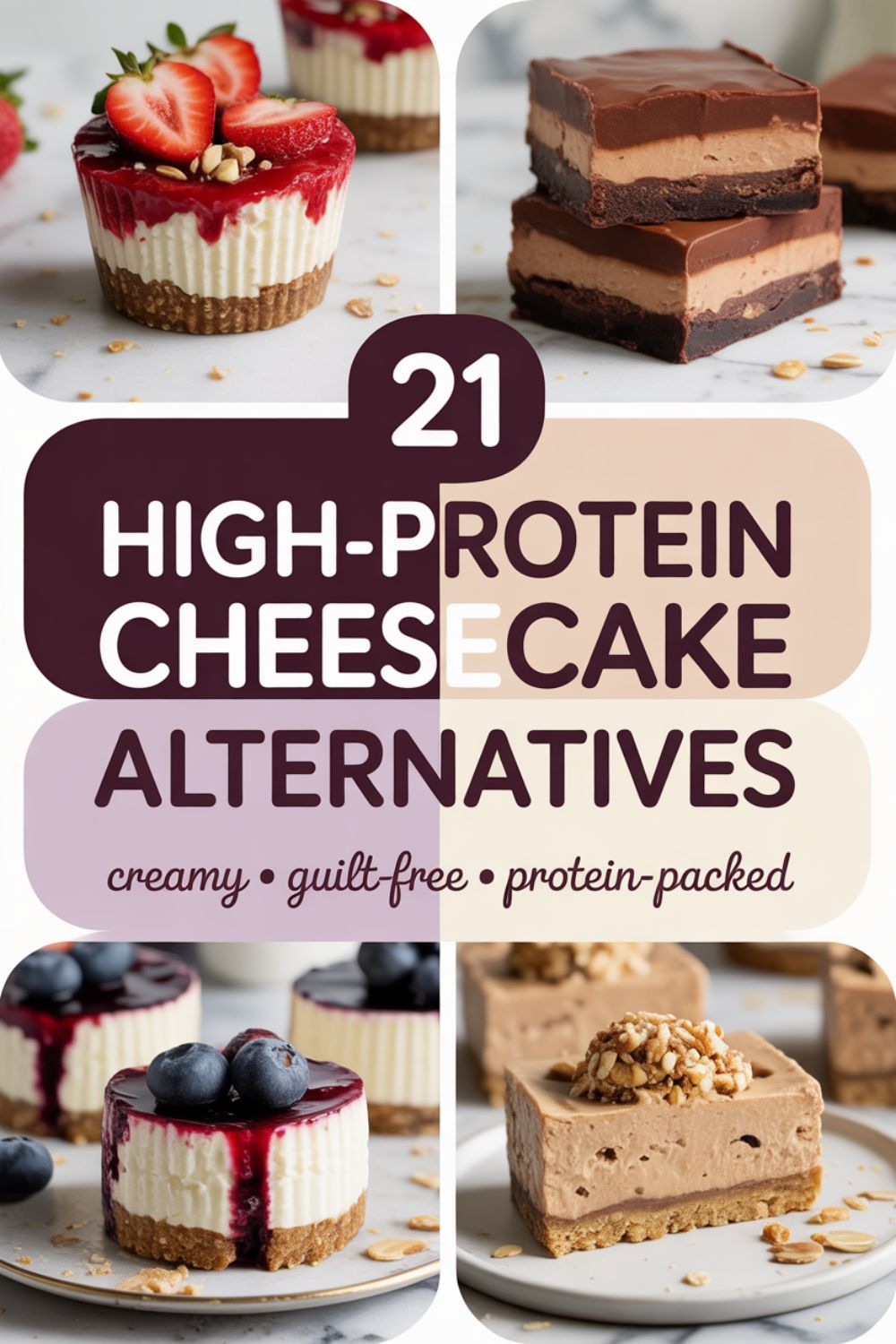
Cheesecake is, objectively, one of the best things humans ever invented. Creamy, rich, slightly tangy, and absolutely zero percent concerned with your fitness goals — it’s the kind of dessert that demands complete surrender. But what if you didn’t have to surrender your macros to enjoy something that tastes almost exactly the same?
Good news: you don’t. The world of high-protein cheesecake alternatives has quietly exploded, and honestly, some of these recipes give the original a serious run for its money. Whether you’re hitting the gym regularly, eating in a calorie deficit, or just tired of desserts that knock you flat for the rest of the afternoon, these 21 options are going to change how you think about satisfying your sweet tooth.
We’re talking real food — Greek yogurt, cottage cheese, protein powder, ricotta, and more — turned into something that looks and tastes like an indulgence but quietly delivers 15, 20, even 30 grams of protein per serving. Let’s get into it.
These are the kitchen basics that make these recipes easy: creamy, rich and picture-perfect, the kind of treat your family asks for again and again.
- glass meal-prep container with a tight-fitting lidCheck today’s price →
- High-speed personal blenderCheck today’s price →
- 6-inch springform panCheck today’s price →
- Wide-mouth glass mason jars (set of 8)Check today’s price →
Amazon prices and deals change often, so it’s worth checking today’s price.
Why Swap Cheesecake for a High-Protein Version?
Traditional cheesecake is mostly fat and sugar — which, sure, tastes incredible, but leaves you with a dessert that offers very little in return nutritionally. A standard slice can clock in at 400–500 calories with barely 6 grams of protein. That’s a lot of calories for basically no satiety payoff.
High-protein alternatives flip that equation. According to research covered by Healthline, higher protein intake supports feelings of fullness, helps maintain muscle mass during weight loss, and can actually improve your body composition over time. When you build protein into a dessert you were going to eat anyway, you’re essentially doubling your investment.
Beyond satiety, the ingredients used in these alternatives — Greek yogurt, cottage cheese, ricotta — bring their own micronutrient benefits. You get calcium, B vitamins, probiotics (in live-culture yogurt), and in some cases, added fiber from fruit or nut bases. That’s a meaningful upgrade from a dessert’s usual contribution of “none of the above.”
And before you ask: yes, they actually taste good. IMO, cottage cheese cheesecake is one of the most underrated discoveries of the past few years. The texture, when blended correctly, is almost indistinguishable from traditional cream cheese filling. Almost.
The Base Ingredients That Make It Work
The secret behind every great protein-packed cheesecake alternative is choosing the right base. Swap cream cheese for something with better macros and similar texture, and you’re 80% of the way there.
Greek Yogurt
Full-fat or 2% Greek yogurt is the crowd-pleasing option. It’s thick, tangy, creamy, and packs about 10–17 grams of protein per cup depending on the brand. Strained overnight, it becomes almost cream cheese-like — perfect for no-bake versions. If you’re browsing ideas in this space, the collection of no-bake Greek yogurt desserts is a great starting point.
Cottage Cheese
Blended smooth, cottage cheese is probably the highest-protein base option available. A cup delivers around 25 grams of protein, and once processed, the texture becomes surprisingly silky. It picks up flavor easily, which means vanilla, lemon zest, or sweetener integrate seamlessly. Don’t knock it until you’ve blended it.
Ricotta
Ricotta sits between the two — less protein than cottage cheese, but creamier and slightly sweeter naturally. It works beautifully in baked cheesecake alternatives and pairs well with citrus or honey. Part-skim ricotta keeps the fat lower while preserving that distinctive richness.
Cream Cheese + Protein Powder
For those who don’t want to fully abandon traditional cream cheese, a smaller amount combined with a scoop of vanilla or unflavored protein powder brings the protein count up without sacrificing the classic flavor. It’s a gentle transition option.
Always blend cottage cheese completely smooth before adding other ingredients — a high-speed blender or food processor does the job in under 90 seconds and removes any graininess entirely.
21 High-Protein Cheesecake Alternatives You Need to Try
Let’s get into the actual recipes. Some are no-bake and ready in 15 minutes. Others require a little oven time. All of them hit that sweet, creamy, tangy flavor profile that makes cheesecake so irresistible in the first place.
1 Greek Yogurt Cheesecake Cups
These are the gateway drug of the high-protein cheesecake world. Layer strained Greek yogurt mixed with cream cheese, vanilla, and a touch of honey over a crushed almond crust in small ramekins or mason jars. Chill for two hours and top with fresh berries. Each cup delivers around 18–22 grams of protein depending on your yogurt brand. See next: 27 High-Protein Brunch Desserts →
The individual portion format also makes these perfect for meal prep — make four on Sunday and thank yourself every evening that week. They keep well in the fridge for three to four days.
2 Blended Cottage Cheese Cheesecake
This one deserves its own fan club. Blend 2 cups of cottage cheese until completely smooth, then mix in cream cheese, eggs, vanilla, and your preferred sweetener. Bake in a springform pan at 325°F for about 45 minutes. The result is a firm, creamy cheesecake with nearly 20 grams of protein per slice. It looks and slices exactly like the real thing.
For the crust, try pressing together almond flour, melted coconut oil, and a pinch of salt. It adds healthy fats and keeps things gluten-friendly if that matters to you.
3 Protein Powder Cheesecake (No-Bake)
Mix softened cream cheese with vanilla protein powder, Greek yogurt, a squeeze of lemon juice, and a drizzle of honey. Pour over a date-and-walnut base, refrigerate overnight. The protein powder does double duty — it adds protein and helps set the filling to a sliceable consistency. Vanilla casein protein works especially well here because of its thicker texture. See next: 25 Delicious High-Protein Snacks Under 150 Calories →
4 Ricotta Lemon Cheesecake Bars
Ricotta-based cheesecake bars have a slightly lighter texture than a traditional dense slice, which is a feature, not a bug. Blend part-skim ricotta with eggs, lemon zest, lemon juice, honey, and vanilla. Pour over a thin almond flour crust and bake for 30 minutes. These firm up beautifully and are genuinely refreshing — less heavy than cream cheese versions. See next: 12 High-Protein Desserts for Post-Workout Treats →
For more bar-format ideas, the collection of easy dessert bars for on-the-go treats has a ton of inspiration — some of which translate perfectly into higher-protein formats.
5 Tofu Cheesecake (High-Protein, Dairy-Free)
Silken tofu blended with cashew cream cheese, vanilla, maple syrup, and a splash of lemon juice creates a surprisingly convincing cheesecake filling. This version works beautifully for anyone avoiding dairy, and silken tofu brings a solid 10 grams of protein per serving. Pair it with a coconut oil and oat crust and you’ve got a fully plant-based, high-protein cheesecake.
6 Skyr Cheesecake
If you haven’t discovered Icelandic skyr yet, consider this your introduction. It’s technically a strained dairy product — similar to Greek yogurt but even thicker and higher in protein, with about 17 grams per cup. Use it as a direct replacement for cream cheese in any no-bake cheesecake recipe. The flavor is mild and slightly tangy, making it extremely versatile.
7 Mini Cheesecake Bites with Protein Crust
These are exactly what they sound like — muffin-tin cheesecake bites with a crust made from oats, protein powder, and almond butter. The filling uses Greek yogurt and cream cheese in a 2:1 ratio. Each bite is about 80 calories and 8–10 grams of protein. Make a batch, freeze half, and you’ll always have a post-workout treat ready. See next: 17 High-Protein Easter Treats →
More Creative Takes: Recipes 8 Through 14
The first seven are the classics of the high-protein cheesecake world. Now let’s get into the ones that take a slightly more creative approach — still familiar in flavor, but using ingredients or formats you might not have considered.
8 Peanut Butter Protein Cheesecake
Peanut butter and cheesecake together sounds almost too good to be real, but this one is completely legitimate. Blend cottage cheese with peanut butter powder (lower fat than regular peanut butter, but same flavor), vanilla protein powder, cream cheese, and a little maple syrup. Pour into a chocolate crust made from crushed high-protein chocolate cookies and refrigerate. The result tastes like a Reese’s cup masquerading as a cheesecake. Nobody is complaining.
Quick note on peanut butter vs almond butter here: peanut butter delivers more protein per tablespoon (roughly 7g vs 6g), while almond butter brings more vitamin E and slightly less saturated fat. Either works — just choose based on what flavor profile you’re going for.
9 Chocolate Cottage Cheese Cheesecake
Blend cottage cheese with cocoa powder, dark chocolate chips (melted), a little cream cheese, vanilla, and sweetener. Bake or chill — both work. The cocoa masks any lingering “cottage cheese-ness” completely, and you end up with a deep, chocolate-forward filling that genuinely impresses. Top with a spoonful of natural dark chocolate drizzle for the full effect.
10 Strawberry Yogurt Cheesecake Jars
Layer sweet, blended Greek yogurt cheesecake filling with fresh strawberry compote in a glass jar for a dessert that looks ridiculously good and takes about 10 minutes to assemble. The layered format makes it naturally portion-controlled, and strawberries bring vitamin C and natural sweetness without spiking the sugar content significantly. These work brilliantly for summer gatherings. More strawberry no-bake ideas here if you’re building out a summer dessert spread.
11 Frozen Protein Cheesecake Bars
Take your standard no-bake protein cheesecake filling, pour it into a loaf pan lined with parchment, and freeze for four hours. Cut into bars. These are closer to a frozen cheesecake or an ice cream bar in texture — firm, cold, and incredibly satisfying on a warm day. Wrap individually in parchment and store in a zip bag — they keep for up to two weeks. For batch freezing ideas, the roundup of easy desserts you can freeze for later is packed with planning tips.
12 Lemon Ricotta Cheesecake Mousse
Whip part-skim ricotta with lemon zest, a squeeze of lemon juice, honey, and a scoop of vanilla protein powder until completely smooth. Fold in a small amount of whipped egg white for extra lightness. The result is somewhere between a cheesecake filling and a mousse — ethereally light but still packed with protein. Serve in glasses with a thin graham cracker crumble on top.
13 Cashew Cream Cheesecake (No Dairy, High Protein)
Soaked raw cashews blended with coconut cream, lemon juice, vanilla, and a tablespoon of high-quality vanilla protein powder create a filling that is undeniably indulgent. Cashews are calorically dense but bring healthy monounsaturated fats and a surprising 5 grams of protein per ounce. This one leans more on whole-food protein sources rather than dairy, making it a great option if you’re eating plant-based.
14 High-Protein New York-Style Cheesecake
This is for when you need a full, proper cheesecake and not a cute little jar version. Replace two-thirds of the cream cheese with blended cottage cheese and reduced-fat cream cheese. Add eggs, vanilla, lemon zest, a scoop of unflavored protein powder, and bake in a water bath as usual. The texture is remarkably authentic, and each slice delivers close to 22 grams of protein. Yes, really. See next: 27 High-Protein Party DessertsThat Will Genuinely Impress Your Guests →
Use a water bath for baked cottage cheese cheesecakes — it prevents cracking and creates a softer, creamier texture that’s much closer to the traditional cream cheese original.
The Final Seven: Recipes 15 Through 21
We’re in the home stretch. These last seven lean into either specific dietary approaches (keto, vegan, high-fiber) or creative flavor combinations that push the concept further. All of them still deliver on the core promise: cheesecake flavor, real protein, no regrets.
15 Keto Cheesecake with Almond Flour Crust
Full-fat cream cheese, eggs, vanilla, erythritol or monk fruit sweetener, and a pinch of salt — baked over an almond flour butter crust. This is as close to traditional cheesecake as any high-protein alternative gets, and it fits comfortably into a ketogenic eating pattern. Each slice runs about 4 grams of net carbs. If you’re exploring this lane further, the list of 5-ingredient keto desserts that actually taste good is genuinely worth a look.
16 Vegan Protein Cheesecake with Tofu and Hemp Seeds
Silken tofu, cashew cream, hemp seeds (which add about 10 grams of protein per 3 tablespoons), lemon juice, and maple syrup make a completely plant-based filling with serious nutritional depth. Hemp seeds are a complete protein — meaning they contain all nine essential amino acids — which is relatively rare in plant sources. Blend everything until smooth and pour into a date-oat crust. Chill overnight.
According to Harvard’s T.H. Chan School of Public Health, the quality and completeness of protein sources matters as much as the quantity — making hemp seeds a valuable inclusion in plant-based protein desserts.
17 Chia Seed Cheesecake Pudding Cups
Chia seeds set liquid into a gel, which means you can create a cheesecake pudding consistency without any baking or blending. Combine Greek yogurt, cream cheese, chia seeds, lemon juice, vanilla, and sweetener. Let it sit overnight in the fridge. The chia swells and creates a thick, creamy texture while adding fiber and plant-based omega-3s. These are particularly filling for something so simple. See next: 30 High-Protein Low-Sugar No-Bake Desserts →
18 Edamame Cheesecake (Yes, Really)
Before you close the tab — stay with me. Shelled, cooked edamame blended completely smooth with cream cheese, vanilla, a neutral-tasting protein powder, and sweetener creates a surprisingly convincing filling with a naturally green tint that actually looks beautiful against a chocolate crust. Edamame delivers about 18 grams of protein per cup and has a mild enough flavor that it disappears into the dessert completely. It’s the kind of recipe that generates genuine “wait, what’s in this?” reactions.
19 Whey Protein Cheesecake Smoothie
Technically this is a drink, but in terms of flavor and nutritional profile it hits every cheesecake note. Blend cream cheese (just one or two tablespoons), vanilla whey protein powder, Greek yogurt, almond milk, frozen banana for creaminess, and a graham cracker for that distinctive crust flavor. Blend with ice and you have a thick, cheesecake-flavored smoothie with 30+ grams of protein. Use a wide-mouth insulated tumbler if you’re taking this one on the go.
20 Mini Protein Cheesecake Pancakes
Okay, this one’s a stretch in terms of “cheesecake format,” but it delivers the same flavor hit. Mix cream cheese, eggs, vanilla protein powder, and a touch of sweetener into a thin batter. Cook like small pancakes on low heat. They come out thick, custardy, and sweet — genuinely reminiscent of a cheesecake filling in pancake form. Top with berries and a drizzle of honey. Weekend brunch solved. See next: 25 High-Protein Desserts for a Spring Reset →
21 Overnight Protein Cheesecake Oats
This last one is for the mornings when you want dessert for breakfast and you’re not even a little sorry about it. Mix rolled oats with Greek yogurt, cream cheese, vanilla protein powder, lemon zest, sweetener, and almond milk. Refrigerate overnight. In the morning you have a thick, creamy, cheesecake-flavored bowl of overnight oats with about 25 grams of protein. Use a glass meal-prep container with a tight-fitting lid to keep these fresh all week.
Meal Prep Essentials for High-Protein Cheesecakes
These are the things that make the process significantly less annoying — speaking from personal experience.
- High-speed personal blender — non-negotiable for smooth cottage cheese fillings. A regular blender leaves graininess behind.
- 6-inch springform pan — perfect for single-serve or small-batch baked cheesecakes without committing to a full 9-inch situation.
- Wide-mouth glass mason jars (set of 8) — ideal for no-bake cups, cheesecake jars, and anything going in the fridge or freezer.
- Vanilla casein protein powder — sets thicker than whey and works better in no-bake recipes. Look for one with minimal additives.
- Peanut butter powder — same flavor as regular PB with about 60% less fat, and it blends seamlessly into cheesecake fillings.
- EatJoyCo Recipe Guides — for printable recipe cards and macro breakdowns of every variation mentioned here.
Tips for Getting the Texture Right Every Time
The single biggest complaint about protein-boosted cheesecakes is texture — either too grainy (cottage cheese not blended enough), too dense (too much protein powder), or too soft (not chilled long enough). Here’s how to avoid each one.
- Blend dairy bases at high speed for at least 90 seconds. Cottage cheese needs full processing to become completely smooth — don’t rush this step.
- Start with one scoop of protein powder, not two. Too much protein powder in a no-bake filling makes it powdery and stiff. Add a second scoop only if the texture remains too soft after chilling.
- Chill no-bake versions for a minimum of four hours — overnight is better. Protein-based fillings need time to set and develop their flavor.
- Bring cream cheese to room temperature before mixing. Cold cream cheese creates lumps that won’t blend out, no matter how hard you try.
- Use a water bath for baked versions. The steam prevents cracking and creates a more uniform, creamy texture throughout.
- Taste and adjust sweetness before setting. Protein powders vary widely in sweetness — what works with one brand won’t necessarily work with another.
For the smoothest no-bake filling, blend your base ingredient first, then add other components one at a time rather than throwing everything in together. It gives you control over consistency and prevents over-mixing.
Tools and Resources That Make Cheesecake Easier
FYI — none of these are required, but each one eliminates at least one point of frustration.
- Offset spatula (small) — for smoothing fillings in springform pans and getting clean top surfaces without dragging the crust.
- Silicone muffin tin (12-cup) — for mini cheesecake bites. Releases without sticking, no paper liners needed, dishwasher safe.
- Kitchen scale with tare function — protein powder measurements are meaningless by volume; weight gives you actual macro accuracy.
- Cheesecloth or nut milk bag — for straining Greek yogurt into a cream cheese-like consistency. Overnight in the fridge transforms it completely.
- EatJoyCo Macro Tracker Spreadsheet — downloadable template for logging protein per serving across all 21 recipes.
- EatJoyCo Meal Prep Community — weekly recipe drops, community swaps, and troubleshooting for texture issues.
How to Make These Fit Your Specific Goals
Not everyone’s macros look the same, and the beauty of these recipes is that they adapt. Here’s a quick guide to matching the right version to your goals.
For Weight Loss
Prioritize recipes 1, 7, and 10 — lower calorie options that use Greek yogurt or skyr as the primary base. Keep portions controlled using individual jars or muffin tin formats. The healthy desserts for weight loss collection is a logical extension of this approach.
For Muscle Building
Go for recipes 2, 3, and 14 — the higher-protein baked options that deliver 20+ grams per slice. Post-workout, these are genuinely practical recovery desserts when you need to hit protein targets without resorting to another shake. The broader collection of high-protein desserts for post-workout treats expands on this theme.
For Plant-Based Eating
Recipes 5, 13, 16, and 18 are your lane. Between silken tofu, cashews, hemp seeds, and edamame, you can build a legitimately high-protein cheesecake experience without touching dairy. Vegan desserts that even non-vegans will love covers this territory more broadly.
For Low-Carb or Keto
Recipe 15 is your best friend, but recipes 2, 3, 8, and 9 also work with minor sweetener swaps. Replace honey or maple syrup with erythritol, monk fruit, or allulose to bring net carbs down to under 5 per serving.
Frequently Asked Questions
Can you taste the difference between cottage cheese cheesecake and regular cheesecake?
When blended thoroughly, most people genuinely cannot tell the difference in a blind taste test — especially in baked versions where other flavors (vanilla, lemon, sweetener) take the lead. The texture is slightly lighter and less rich than traditional cream cheese, which many people actually prefer. The key is full blending; any graininess is a sign the cottage cheese wasn’t processed long enough.
How much protein should a high-protein cheesecake alternative have per serving?
Anything above 12–15 grams of protein per serving qualifies as meaningfully “high-protein” for a dessert context. The recipes on this list range from about 12 grams (ricotta-based versions) to 30+ grams (protein powder-heavy or cottage cheese baked versions). Aim for 15–25 grams if you’re using these as part of a post-workout nutrition strategy.
What protein powder works best in cheesecake recipes?
For no-bake recipes, casein protein gives the best texture because it thickens rather than staying fluid when mixed. Vanilla or plain flavors integrate most naturally into cheesecake. For baked versions, whey works fine since the heat activates binding. Avoid plant-based protein powders with strong flavors (pea protein can be assertive) unless you’re specifically going dairy-free.
Are high-protein cheesecake alternatives good for weight loss?
Yes, especially when compared to traditional cheesecake. Higher protein intake increases satiety and has a greater thermic effect than carbohydrates or fat, meaning your body uses more energy to digest it. These alternatives let you satisfy a cheesecake craving with a dessert that actively supports fullness rather than working against it. Calorie count still matters, but the protein content makes a meaningful practical difference.
Can I freeze high-protein cheesecake alternatives?
Most of them freeze beautifully — particularly the baked cottage cheese versions and the protein bar format (recipe 11). Greek yogurt-based fillings can become slightly icy when frozen, so those are better refrigerated. Wrap individual slices or bars in parchment before bagging for freezing, and thaw overnight in the fridge for best texture.
The Bottom Line
The idea that eating more protein means giving up foods you love is one of the more persistent myths in the fitness space. These 21 high-protein cheesecake alternatives exist as direct evidence to the contrary. You can have creamy, indulgent, cheesecake-flavored desserts and hit your protein targets. The two are not in conflict — they just require a little creativity in the kitchen.
Start with whichever recipe matches the effort you want to put in. The Greek yogurt cups take 10 minutes and zero oven time. The baked cottage cheese cheesecake takes a Sunday afternoon and feeds you for a week. Neither is wrong. Both are genuinely good.
Pick one, make it this week, and see if anyone notices the swap. Based on experience, most people won’t — and that’s exactly the point.