23 Clean Eating Easter Recipes the Whole Table Will Actually Love

23 Clean Eating Easter Recipes the Whole Table Will Actually Love
Real food, real flavor — no dye-soaked candy basket required.
Easter Sunday has this magical ability to make everyone forget their January resolutions the moment a glazed ham and a mountain of marshmallow-topped sweet potatoes land on the table. And honestly? No judgment. But if you’re someone who’s been quietly trying to eat a little cleaner — more whole foods, less processed junk — you don’t have to white-knuckle your way through the holiday or eat sad celery sticks while everyone else digs in.
That’s exactly why this list exists. These 23 clean eating Easter recipes cover everything from fresh spring appetizers and protein-packed mains to naturally sweetened desserts that actually taste like a treat. You won’t find anything that requires a chemistry degree to decode the ingredients label. Just real food, smart swaps, and a few clever tricks that make the whole spread feel festive without the post-meal guilt spiral.
Whether you’re hosting the full family gathering or just bringing a dish to someone else’s table, something in here will earn you a second look — and probably a request for the recipe. Let’s get into it.

These are the kitchen basics that make these recipes easy: creamy, rich and picture-perfect, the kind of treat your family asks for again and again.
- instant-read meat thermometerCheck today’s price →
- good rimmed baking sheetCheck today’s price →
- small cookie scoopCheck today’s price →
- Glass meal-prep containers (set of 10)Check today’s price →
Amazon prices and deals change often, so it’s worth checking today’s price.
Why Clean Eating and Easter Are Actually a Perfect Match
Spring is genuinely one of the best times of year to eat clean. Asparagus is in season. Radishes are everywhere. Fresh herbs are cheap and abundant. The produce aisle basically does half the work for you, which is more than you can say for December when you’re trying to make something wholesome out of root vegetables and blind optimism.
Clean eating — at its core — is just about choosing foods that are as close to their natural state as possible. According to the Mayo Clinic Health System, a clean-eating approach fills your body with plentiful vitamins, minerals, high-quality protein, and healthy fats that support everything from heart health to energy levels. That’s not a bad platform to build an Easter feast on.
And the good news? Easter food already leans in the right direction. Eggs, lamb, spring vegetables, fresh berries — the holiday’s traditional flavors map beautifully onto a whole-food approach. You’re not fighting the season here. You’re working with it.
The 23 Clean Eating Easter Recipes
We’ve broken these down by category so you can plan a full menu from start to finish. Mix and match based on how many people you’re feeding and how much oven space you’re working with (the eternal Easter hosting dilemma, right?).
Fresh Starters and Spring Salads
Start things off light. Nobody wants to roll up to Easter dinner having already maxed out on deviled eggs and cheese before the main even hits the table.
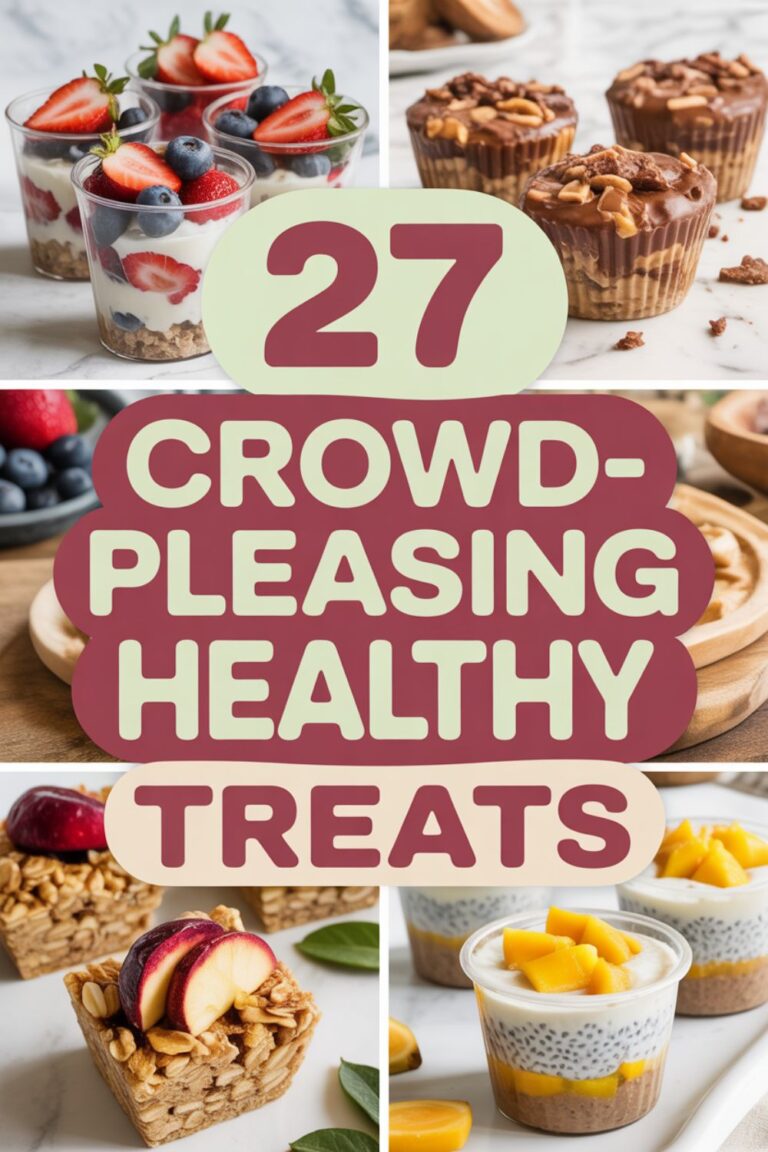
- 01 Shaved Asparagus Salad with Lemon Tahini — Raw asparagus ribboned with a vegetable peeler, tossed with lemon tahini, toasted almonds, and fresh mint. Tahini wins over mayo every time here: it brings creaminess with a fraction of the processing and adds a nice hit of plant-based calcium. See next: 27 Clean Eating Desserts for Warmer Days →
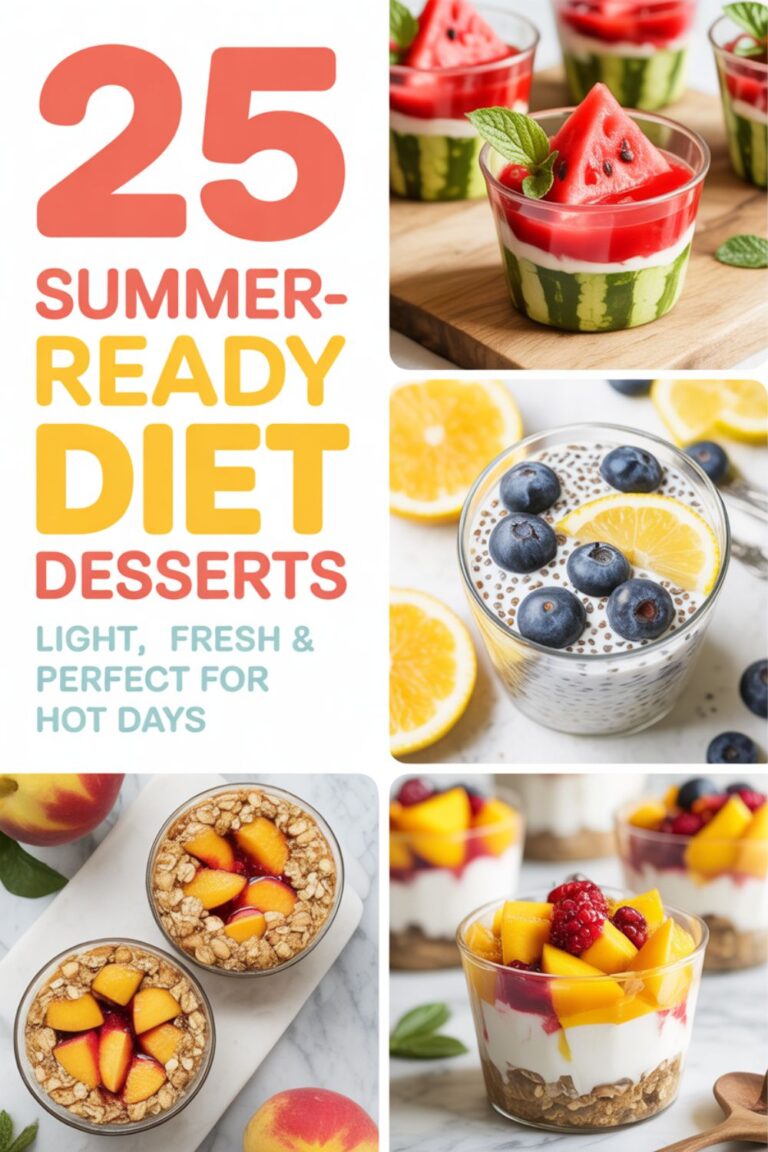
- 02 Spring Pea and Mint Soup — Bright green, naturally sweet, and done in 20 minutes. Blend frozen peas with vegetable broth, mint, and a tiny bit of coconut cream for richness. Serve chilled or warm — both work. See next: 23 Clean Eating Mother’s Day SweetsShe’ll Actually Want to Eat →
- 03 Beet and Orange Carpaccio — Thinly sliced roasted beets layered with blood orange segments, arugula, and a drizzle of extra-virgin olive oil. Looks stunning, requires basically zero skill. See next: 27 Clean Eating Party Desserts That Will Actually Impress Your Guests →
- 04 Deviled Eggs with Greek Yogurt and Dill — The classic gets a clean upgrade. Swap most of the mayo for plain full-fat Greek yogurt, add a squeeze of Dijon mustard, fresh dill, and a pinch of smoked paprika. Nobody will know. Everybody will eat twelve. See next: 19 Vegan Easter Dessert Ideas →
- 05 Radish and Avocado Crostini on Grain-Free Crackers — Thinly sliced watermelon radishes on smashed avocado, finished with flaky sea salt and a tiny drizzle of raw honey. Serve on almond flour crackers for a fully grain-free option. See next: 17 Healthy Easter Treats for Weight Watchers →
- 06 Cucumber Gazpacho Shots — Mini shot glasses of blended cucumber, honeydew, lime, and jalapeño. Cold, refreshing, and wildly impressive for the approximately 12 minutes of effort they take. See next: 19 Healthy Chocolate Desserts for Easter →
Clean-Ingredient Mains and Protein-Packed Dishes
Here’s where things get serious. Easter mains don’t have to be a sodium bomb wrapped in foil. With the right prep, you can have something that looks genuinely festive and keeps every ingredient clean.
- 07 Herb-Crusted Roast Lamb — A simple rosemary, garlic, and lemon zest crust pressed onto a bone-in leg of lamb. Roast low and slow, rest generously, and carve at the table for maximum drama. Zero mystery ingredients required. Pair with a quality instant-read meat thermometer — no guessing games on doneness. See next: 21 Low-Calorie Desserts for Easter Brunch →
- 08 Lemon Dijon Roast Chicken Thighs — For a lighter main or a complement to the lamb. Bone-in, skin-on thighs roasted with lemon, Dijon, and thyme. The chicken fat bastes itself, so no butter or processed ingredients needed. See next: 20 Low-Sugar Dessert Ideas for Diabetes-Friendly Eating →
- 09 Baked Salmon with Mango Herb Salsa — Wild-caught salmon fillets topped with a fresh mango, red onion, cilantro, and lime salsa. High protein, anti-inflammatory fats, and genuinely beautiful on a platter. FYI: wild-caught salmon tends to have a meaningfully better omega-3 profile than farmed. See next: 23 Gluten-Free Easter Sweets →
- 10 Stuffed Portobello Mushrooms with Quinoa and Sun-Dried Tomatoes — A satisfying vegetarian main that holds its own next to the meat dishes. Quinoa is a complete protein, which makes this more filling than it looks. A good rimmed baking sheet is all you need for even cooking. See next: 21 Low-Calorie Easter Desserts That Actually Taste Incredible →
- 11 Cauliflower “Mac” with Cashew Cream — Roasted cauliflower florets tossed in a blended cashew and nutritional yeast sauce that somehow manages to taste indulgent. Even people who don’t think they like cauliflower will circle back for seconds. IMO, this one’s the sneaky MVP of the whole spread. See next: 21 Dairy-Free Easter Desserts That Actually Taste Amazing →
Clean-Eating Side Dishes That Steal the Show
Sides are where Easter tables either sing or fall flat. These ones use whole, seasonal ingredients and come together without a lot of fuss — which matters a lot when you have three other things in the oven.
- 12 Honey-Roasted Rainbow Carrots — Baby carrots roasted with raw honey, cumin, and a splash of apple cider vinegar. The edges caramelize beautifully. Use raw honey rather than the processed kind to keep the natural enzymes intact. See next: 25 Keto Easter Sweets That Feel Traditional →
- 13 Garlic Roasted Asparagus with Crispy Shallots — High heat, a generous glug of olive oil, and ten minutes in the oven. That’s it. Finish with lemon zest and toasted pine nuts for texture. Line your pan with a silicone baking mat and you’ll spend zero time scrubbing. See next: 27 Clean Eating Desserts for Warmer Days →
- 14 Spring Grain Salad with Farro, Peas, and Mint — Farro is one of those ancient grains that’s finally getting its moment, and for good reason — it’s high in fiber and protein and holds up beautifully in a salad without going soggy. Dress it while warm so it absorbs every bit of flavor. See next: 23 Clean Eating Mother’s Day SweetsShe’ll Actually Want to Eat →
- 15 Sweet Potato Mash with Coconut Milk and Ginger — A clean swap for the marshmallow-topped version. Coconut milk makes it creamy without any dairy, and fresh ginger adds a warmth that works surprisingly well with sweet potato. See next: 27 Clean Eating Party Desserts That Will Actually Impress Your Guests →
- 16 Roasted Broccolini with Lemon and Chili Flakes — About as simple as it gets. Broccolini has a slightly sweeter, more tender bite than regular broccoli and roasts faster. High oven, olive oil, done. Check out these 27 Clean Eating Desserts for Warmer Days to complete the spread after. See next: 19 Vegan Easter Dessert Ideas →
- 17 Cauliflower Rice Pilaf with Herbs and Almonds — Cauliflower rice that actually tastes good. The trick is getting your pan screaming hot before the cauliflower goes in, so it roasts rather than steams. Add toasted slivered almonds and a fistful of fresh herbs at the end. See next: 17 Healthy Easter Treats for Weight Watchers →
Clean Easter Desserts Worth Saving Room For
This is where a lot of clean-eating plans fall apart, and honestly, that’s fair. Easter desserts are a big deal. But here’s the thing: you can make genuinely delicious, naturally sweetened treats that don’t require a lab full of artificial food dye and high-fructose corn syrup.
- 18 Almond Flour Carrot Cake with Cashew Cream Frosting — This is the clean-eating Easter dessert. Almond flour keeps it grain-free and moist, and the cashew cream frosting tastes genuinely rich without a single dairy ingredient. Use good-quality almond flour (blanched, not just ground almonds) for the best texture. See next: 19 Healthy Chocolate Desserts for Easter →
- 19 No-Bake Lemon Cheesecake Bites — A cashew and coconut base with a lemon-maple filling, set in a silicone mold in the freezer. No baking, no fuss, and they look like something from a fancy patisserie. Keep them in the freezer until 20 minutes before serving. For more ideas like this, explore 15 No-Bake Cheesecake Cups with Fresh Fruit. See next: 21 Low-Calorie Desserts for Easter Brunch →
- 20 Dark Chocolate Bark with Dried Cherries and Pistachios — Melt high-quality dark chocolate (70% or above), pour thin on a parchment-lined tray, scatter with dried tart cherries and crushed pistachios, and chill. Break into shards. People will reach for this the entire afternoon. See next: 20 Low-Sugar Dessert Ideas for Diabetes-Friendly Eating →
- 21 Strawberry Chia Seed Pots — Layers of chia pudding, blended strawberry, and coconut cream in little glass jars. Make them the night before, keep them in the fridge, and pull them out right before dessert. Chia seeds deliver a serious punch of fiber and omega-3s — more than most people expect from something that tastes like pudding. For the full chia inspiration, check out 25 Healthy Dessert Recipes with Chia Seeds. See next: 23 Gluten-Free Easter Sweets →
- 22 Coconut Macaroons Dipped in Dark Chocolate — Naturally gluten-free, naturally sweetened with maple syrup, and genuinely one of the easiest things on this list to make. The dark chocolate dip is non-negotiable — it makes the whole thing feel like a proper treat. Use a small cookie scoop to get perfectly uniform mounds every time. See next: 21 Low-Calorie Easter Desserts That Actually Taste Incredible →
- 23 Mango and Raspberry Pavlova with Coconut Cream — A show-stopping centerpiece that’s naturally gluten-free. Crisp meringue shell (egg whites and a little honey), topped with whipped coconut cream and a pile of fresh mango and raspberries. It looks wildly impressive and is genuinely not that hard to pull off. See next: 21 Dairy-Free Easter Desserts That Actually Taste Amazing →
Smart Clean-Eating Swaps That Actually Work
You don’t need to reinvent every dish from scratch to eat clean at Easter. Sometimes the smarter move is just swapping one or two ingredients in an existing family recipe. Here are the swaps that make the biggest difference without anyone noticing.
- Mayo for plain Greek yogurt: Works in deviled eggs, potato salads, and dressings. Same creamy texture, way more protein, far less processed fat.
- Refined sugar for raw honey or pure maple syrup: Both are natural sweeteners with trace minerals and a more complex flavor that actually improves most baked goods.
- All-purpose flour for almond or oat flour: Almond flour adds healthy fat and moisture; oat flour is lighter and works well in muffins and lighter cakes. Neither needs a ton of adjustment.
- Heavy cream for full-fat coconut cream: Almost identical richness and mouthfeel. Coconut cream is also naturally dairy-free, which matters if any of your guests eat that way. Speaking of which, these 17 Dairy-Free Spring Dessert Ideas are genuinely impressive.
- Processed cooking oil sprays for real olive oil: Use a quality olive oil mister bottle to get the same coverage with one clean, real ingredient.
How to Meal Prep Your Easter Menu Without Losing Your Mind
Easter hosting has a way of sneaking up on you. One minute it’s two weeks away and you’re relaxed, and then suddenly it’s 10pm the night before and you’re Googling whether you can roast a lamb that’s still partially frozen. (You can’t. Don’t try.)
Here’s a clean, stress-free timeline that keeps the whole menu manageable.
Two days before: Make no-bake desserts, prep any grain salads, marinate the lamb or chicken.
The day before: Make dressings and sauces, roast the beets for the carpaccio, prep chia pots and refrigerate, slice vegetables and store in airtight containers.
Easter morning: Pull marinated proteins from the fridge, assemble cold appetizers, portion desserts onto serving plates.
Two hours before guests: Start roasting the main. Roast vegetables last, since they’re best fresh out of the oven. You also get bonus points if you use a good quality Dutch oven — it makes braising and roasting far more forgiving.
As Healthline points out, planning and preparing meals in advance is one of the most effective ways to maintain clean-eating habits — and it holds up especially well when you’re cooking for a crowd. The key is batch-cooking components (grains, roasted vegetables, sauces) rather than trying to do everything at once.
Meal Prep Essentials for This Easter Menu
A few things that genuinely make cooking this menu easier — shared like a friend, not a sales pitch.
- Physical: Glass meal-prep containers (set of 10) — for prepping ahead without plastic leaching into your food Kitchen Tool
- Physical: Silicone baking mat set — nothing sticks, nothing scrubs Kitchen Tool
- Physical: High-speed personal blender — for dressings, soups, and cauliflower rice in under 30 seconds Kitchen Tool
- Digital: EatJoyCo Clean Eating Starter Guide — beginner-friendly, printable Digital
- Digital: 27 Clean Eating Desserts for Warmer Days — for expanding beyond Easter Digital
- Digital: 21 Low-Calorie Easter Desserts — paired perfectly with this list Digital
Tools and Resources That Make Clean Easter Cooking Easier
The real stuff I’d actually tell a friend about — no fluff.
- Physical: Ceramic non-stick skillet — free of the coatings you don’t want in your food Kitchen Tool
- Physical: Stainless steel mixing bowls (set of 5) — for every stage of prep, dishwasher safe Kitchen Tool
- Physical: Quality vegetable peeler and mandoline set — makes the asparagus salad and beet carpaccio actually achievable without a culinary degree Kitchen Tool
- Digital: 23 Vegan Spring Desserts Everyone Will Love — for guests with dietary restrictions Digital
- Digital: 19 Vegan Easter Dessert Ideas — a dedicated Easter extension Digital
- Digital: 21 Gluten-Free Spring Treats — because someone at the table always needs this Digital
Adapting These Recipes for Different Dietary Needs
Easter tables are notoriously diverse. You’ve got Aunt Susan who is now paleo, the teenage niece who went vegan six months ago, the kid who won’t touch anything green, and the neighbor you invited last-minute who just announced a gluten intolerance. Classic scenario.
The clean-eating framework actually makes adapting recipes a lot easier, because you’re already working with whole, recognizable ingredients. Here’s a quick breakdown of how to flex this menu:
- Vegan guests: The asparagus salad, spring pea soup, stuffed mushrooms, chia pots, coconut macaroons, and the mango pavlova (swap meringue for an aquafaba version) are all naturally vegan or easily made so.
- Gluten-free: Almost everything on this list is already gluten-free. The grain salad is the one to watch — swap farro for certified GF quinoa.
- Keto or low-carb: Focus on the meat mains, asparagus, roasted broccolini, cauliflower rice, deviled eggs, and the dark chocolate bark. Skip the farro and the carrot cake. More options at 19 Keto Spring Desserts Under 5 Net Carbs.
- Dairy-free: Every recipe here either skips dairy entirely or includes a clean swap. Coconut cream and cashew cream do all the heavy lifting.
Frequently Asked Questions
What does “clean eating” actually mean for an Easter menu?
Clean eating at Easter simply means choosing whole, minimally processed ingredients over packaged, additive-heavy alternatives. That looks like using raw honey instead of refined sugar, fresh herbs instead of spice packets, and real fats like olive oil or coconut cream instead of processed spreads. You don’t have to be rigid about it — even small swaps make a meaningful difference to the overall quality of your meal.
Can you make these clean Easter recipes ahead of time?
Most of them, yes. No-bake desserts, grain salads, dressings, and soups all improve overnight in the fridge. Roasted vegetables and proteins are best fresh, but they can be prepped (seasoned, trimmed, marinated) one to two days in advance. The strawberry chia pots are specifically designed to be made the night before — they need that chilling time.
Are these recipes suitable for kids?
Most of them are very kid-friendly. The deviled eggs, honey-roasted carrots, coconut macaroons, and dark chocolate bark in particular tend to disappear fastest with younger guests. If you’re cooking for picky eaters, the cauliflower rice pilaf and sweet potato mash are two sides that consistently convert even the most skeptical vegetable avoiders.
How do I naturally sweeten Easter desserts without using processed sugar?
Raw honey, pure maple syrup, medjool dates blended into a paste, and ripe bananas are the most effective natural sweeteners for Easter baking. Each one has a slightly different flavor profile — maple is mellow, honey is floral, dates are caramel-like — so choose based on the dessert you’re making. In most recipes, you can substitute at a 3:4 ratio (use three-quarters as much liquid sweetener as the sugar called for).
What are the best clean-eating desserts specifically for Easter?
The almond flour carrot cake, no-bake lemon cheesecake bites, and the mango pavlova are the three standout Easter desserts on this list — they’re festive, crowd-pleasing, and completely clean-ingredient. For more inspiration beyond this list, explore these 17 Healthy Easter Treats for Weight Watchers and this roundup of 21 Low-Calorie Easter Desserts That Actually Taste Incredible.
Ready to Make Easter Actually Worth It This Year?
Here’s the honest truth about clean eating at Easter: it’s not about deprivation, and it’s definitely not about showing up to someone’s table with a sad grain bowl while everyone else eats carrot cake. It’s about making the holiday food actually nourishing — and discovering that the real-ingredient version almost always tastes better anyway.
These 23 recipes give you a full table: bright starters, satisfying mains, show-stopping sides, and desserts that people will ask you about on the drive home. All of it built on whole, recognizable ingredients with none of the processed filler that makes you feel weirdly off after a holiday meal.
Pick three or four recipes that feel right for your gathering, prep what you can ahead of time, and let the rest be easy. Easter already has enough moving parts — your food doesn’t need to be one of them.