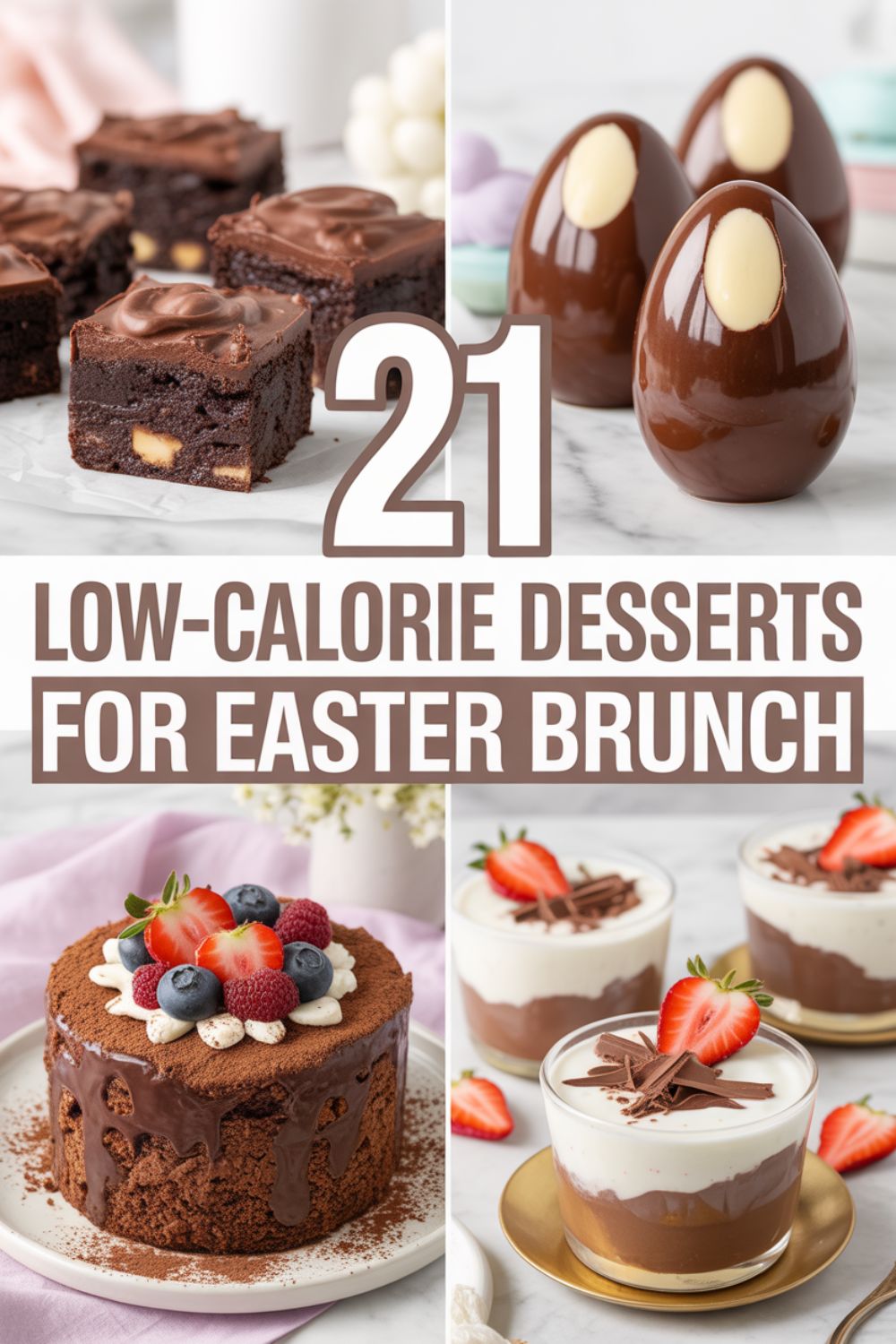
21 Low-Calorie Desserts for Easter Brunch

Easter Brunch · Low-Calorie Desserts · Spring Sweets
21 Low-Calorie Desserts for Easter Brunch
Easter brunch is one of those meals that sneaks up on you. One minute you’re planning a nice little spread for the family, and the next you’re surrounded by glazed ham, deviled eggs, and enough sugary Easter candy to send a small village into a two-day nap. The dessert table, bless it, is usually the most chaotic part. And honestly? It doesn’t have to be.
You can pull off a genuinely impressive Easter dessert spread without blowing everyone’s calorie budget before noon. These 21 low-calorie desserts for Easter brunch are light, festive, and most importantly, they actually taste like something you’d want to eat — not like cardboard dressed up in pastel sprinkles. Whether you’re hosting a crowd or just treating yourself after the egg hunt, there’s something here for you.
I’ve tested and rounded up options that hit under 200 calories per serving, lean on seasonal ingredients like fresh berries, lemon, and Greek yogurt, and come together without a full day in the kitchen. Let’s get into it.
These are the kitchen basics that make these recipes easy: creamy, rich and picture-perfect, the kind of treat your family asks for again and again.
- these reusable popsicle molds with wooden sticksCheck today’s price →
- these cute individual glass jarsCheck today’s price →
- good non-stick tube pan with feetCheck today’s price →
- Silicone baking mats (set of 2)Check today’s price →
Amazon prices and deals change often, so it’s worth checking today’s price.
Why Low-Calorie Desserts Actually Work for Easter Brunch
Here’s the thing about Easter brunch — it already comes loaded with food. By the time people get to dessert, they’re not looking for a towering chocolate cake. They want something that feels celebratory and a little indulgent without sending them directly to the couch afterward. Lighter desserts fit the brunch setting perfectly because they’re easy to serve in small portions, look beautiful on a table, and pair well with all the savory food that came before them.
According to Healthline’s nutrition resource on healthy desserts, the definition of a “healthy” sweet really depends on your personal goals — but for most people, that means keeping portions reasonable, leaning on whole-food ingredients, and not treating dessert like a separate meal in itself. That’s exactly the approach these 21 recipes take.
Another thing worth noting: using Greek yogurt instead of heavy cream, or almond flour instead of all-purpose flour, doesn’t just cut calories — it actually adds nutritional value. Greek yogurt brings protein and probiotics. Almond flour brings healthy fats and fiber. The swap often makes the dessert more satisfying, not less. That’s a win on every front.
The 21 Best Low-Calorie Easter Brunch Desserts
Fresh & Fruity Favorites
Strawberry Lemon Cheesecake Cups
Individual no-bake cheesecake cups made with whipped Greek yogurt, a touch of honey, and a crumbled almond flour base. Top with fresh sliced strawberries for that Easter pop of red. Each cup clocks in around 140 calories and takes about 15 minutes to assemble. See next: 21 Low-Calorie Easter Desserts That Actually Taste Incredible →
Mixed Berry Chia Parfaits
Layer chia pudding made with almond milk and vanilla, fresh blueberries, raspberries, and a small scoop of low-fat granola in mason jars the night before. These are around 160 calories each and genuinely feel like a treat. The chia seeds pull double duty here — they add that creamy, thick texture while also delivering fiber and omega-3s. See next: 17 Low-Calorie Dessert Cups for Brunch →
Roasted Peach Cups with Cinnamon Yogurt
Halve some peaches, roast them cut-side up for 15 minutes until caramelized, then serve with a dollop of cinnamon-spiced Greek yogurt. Simple, seasonal, beautiful — and about 120 calories per serving. See next: 25 Quick Low-Calorie Desserts That Don’t Taste Like Diet Food →
Watermelon Mint Granita
Blend watermelon with fresh lime juice and a small amount of honey, freeze in a shallow dish, then scrape into icy crystals with a fork. Serve in chilled glasses with fresh mint. It’s refreshing, visually stunning, and barely 80 calories per cup. See next: 21 Low-Calorie Graduation Party Desserts →
Lemon Curd & Blueberry Meringue Cups
Mini meringue shells — which are naturally low-calorie since they’re mostly egg whites and a little sugar — filled with a light lemon curd and fresh blueberries. These hover around 130 calories each and look absolutely stunning on a spring table. See next: 12 Low-Calorie Desserts for Your Sweet Tooth Fix →
Make your chia puddings and cheesecake cups the night before Easter. You’ll thank yourself Sunday morning when all you have to do is add fresh toppings and serve. No-bake desserts are your best friend at brunch.
Chocolate Fixes Under 200 Calories
Dark Chocolate Dipped Strawberries
A true Easter classic that just happens to be light. Melt high-quality dark chocolate (70% cacao or above), dip fresh strawberries, and let them set on a silicone baking mat like this one — zero sticking, zero cleanup. Three dipped berries come in around 110 calories. Dark chocolate also brings flavonoids and antioxidants, which is basically a nutritional bonus you didn’t ask for but will happily accept.
Chocolate Avocado Mousse Cups
Blend ripe avocado, unsweetened cocoa powder, a splash of almond milk, and maple syrup until silky smooth. The avocado provides the creaminess without the heavy cream, and each little cup lands around 170 calories. Vegan, gluten-free, and genuinely impressive. See next: 23 Low-Calorie Desserts Under 150 Calories →
Chocolate Chia Pudding Pops
Mix chia seeds with unsweetened cocoa powder, almond milk, and a touch of honey. Pour into popsicle molds and freeze overnight. These come in well under 150 calories per pop and have that deeply chocolatey flavor that makes you forget they’re the responsible choice. Use these reusable popsicle molds with wooden sticks — they’re the kind of thing you buy once and use forever.
Two-Ingredient Banana Cocoa Nice Cream
Frozen bananas blended with cocoa powder until smooth and creamy. That’s it. No dairy, no added sugar, about 140 calories per generous scoop. Serve in small bowls with a sprinkle of cacao nibs on top for texture. See next: 12 Low-Calorie Fruit Desserts for Summer →
Mini Greek Yogurt Chocolate Bark
Spread thick Greek yogurt onto a parchment-lined baking sheet, drizzle with melted dark chocolate and a scatter of freeze-dried raspberries, then freeze until firm. Break into pieces and serve. Each piece is roughly 90 calories and tastes like a chocolate-covered frozen yogurt bar.
Light & Creamy Crowd-Pleasers
Lemon Panna Cotta with Raspberry Sauce
Made with low-fat milk instead of heavy cream, these little panna cottas still come out silky and elegant. The raspberry sauce on top adds natural sweetness and color. Make them in small ramekins or these cute individual glass jars for a beautiful presentation. Around 135 calories each.
Greek Yogurt Parfaits with Honey & Pistachios
Layer plain full-fat Greek yogurt with fresh seasonal berries, a drizzle of raw honey, and a small handful of crushed pistachios. The fat in full-fat yogurt actually helps you absorb fat-soluble vitamins from the berries — so going full-fat here makes nutritional sense, not just culinary sense. Around 180 calories per serving. See next: 21 High-Volume Low-Calorie Desserts That Actually Fill You Up →
No-Bake Lemon Cheesecake Jars
A light cream cheese filling whipped with lemon zest, a touch of powdered sugar, and vanilla, layered over crushed graham crackers in small jars. Refreshing, tangy, and around 160 calories per jar. These are the desserts people always ask for the recipe for, FYI. See next: 21 Low-Calorie Mother’s Day Desserts That Actually Taste Like a Celebration →
Strawberry Mousse Cups
Blend fresh strawberries with a small amount of whipped cream cheese and a drizzle of honey until airy and smooth. Spoon into glasses and top with a single sliced strawberry. About 125 calories per cup and requires exactly zero baking. See next: 25 Low-Carb Easter Desserts Under 5 Net Carbs →
Coconut Lime Chia Pudding
Chia seeds soaked in light coconut milk with fresh lime zest and juice overnight. Top with toasted coconut flakes and a few slices of mango. Tropical, light, around 150 calories, and genuinely one of the prettiest things you can put on a brunch table. See next: 25 Low-Calorie Berry Desserts for Spring →
“I made the lemon cheesecake jars and the chocolate dipped strawberries for our Easter brunch this year and they were completely gone in ten minutes. My sister-in-law asked me three times if I was sure they were low-calorie.”
— Melissa R., community memberSet up a DIY yogurt parfait bar at your Easter brunch. Put out Greek yogurt, three or four types of fresh berries, granola, honey, and mini dark chocolate chips. Guests build their own — everyone’s happy, nothing goes to waste, and it takes you maybe 10 minutes to set up.
Baked Lighter Treats
Angel Food Cake with Citrus Glaze
Angel food cake is one of those rare baked goods that’s genuinely low in calories — it’s basically egg whites, sugar, and flour. Top it with a light orange or lemon glaze and fresh berries instead of heavy frosting, and you’ve got a showstopper dessert around 160 calories per slice. Use a good non-stick tube pan with feet for proper cooling — it makes a real difference in texture.
Blueberry Lemon Oat Bars
Made with rolled oats, almond flour, fresh blueberries, lemon zest, and just enough honey to hold everything together. These bake up golden and chewy, each bar coming in around 145 calories. They’re also sturdy enough to make the day before without getting soggy. See next: 21 Low-Calorie Spring Desserts Under 200 Calories →
Mini Carrot Cake Muffins with Light Cream Cheese Frosting
Easter without carrot cake is practically against the rules — so here’s a lightened version in muffin form. Use applesauce in place of oil, reduce the sugar, and keep the frosting a thin layer rather than a mountain. Around 175 calories per mini muffin, and they taste exactly like the classic. See next: 21 Low-Calorie Easter Desserts That Actually Taste Incredible →
Cinnamon Baked Pears with Ricotta
Halve pears, core them with a melon baller — this one is lightweight and dead simple to use, place in a baking dish with a drizzle of honey and a dusting of cinnamon, and bake until golden. Serve with a small spoonful of low-fat ricotta. About 130 calories and essentially effortless.
Almond Flour Shortbread Cookies
Almond flour-based shortbreads are naturally lower in carbs than traditional butter cookies, and they have a wonderfully nutty, crumbly texture. Add a little lemon zest and a thin drizzle of dark chocolate on top. Two cookies come in around 155 calories. Bake these on a silicone baking mat — no butter needed on the pan, and cleanup is instant.
Mango Coconut Sorbet
Blend frozen mango with a splash of light coconut milk and fresh lime juice, then freeze until scoopable. Serve in small cups with a mint leaf on top. Around 110 calories per scoop and so, so refreshing after a big Easter brunch spread. See next: 17 Low-Calorie Dessert Cups for Brunch →
When substituting almond flour for all-purpose flour in baked goods, use a 1:1 swap but add an extra egg for binding. Almond flour lacks gluten, so the egg helps everything hold together without turning crumbly.
Meal Prep Essentials Used in This Article
If you’re prepping a bunch of these recipes ahead of Easter, a few basics make the whole process smoother. Here’s what I actually use and love:
- Silicone baking mats (set of 2) — no parchment waste, no sticking, reusable forever. I use these on everything from shortbread to chocolate bark.
- Small glass jar set with lids — perfect for chia puddings, parfaits, and cheesecake cups. They go from fridge to table beautifully.
- Popsicle mold set with sticks — for the chocolate chia pops and any frozen fruit treats. The kind with lids so you don’t get freezer burn.
- Easter Brunch Planning Template (digital download) — a simple printable for tracking your make-ahead dessert prep, serving portions, and a shopping list. Takes the Sunday scramble out of the equation.
- Low-Calorie Dessert Recipe Pack (digital) — 30 printable recipe cards for light, whole-food-based desserts across every season. Great for keeping ideas organized and accessible in the kitchen.
Tools & Resources That Make These Recipes Easier
You don’t need a fully kitted-out kitchen, but a few good tools genuinely help with the recipes in this list:
- High-speed personal blender — essential for the avocado mousse, nice cream, and granita. A decent one that won’t quit on frozen fruit.
- Melon baller / small scoop — coring pears, portioning cookie dough, and scooping sorbet. One of those oddly satisfying tools you end up using constantly.
- Digital kitchen scale — especially useful for almond flour recipes where precision matters for texture.
- EatJoyCo Recipe Planner Notion Template — plan your entire Easter brunch menu, assign prep tasks by day, and track what to buy. Makes the whole week before the holiday so much calmer.
- Healthy Swaps Cheat Sheet (free download) — a quick-reference guide for common baking substitutions: what to use instead of heavy cream, refined flour, butter, and refined sugar in desserts.
“I’ve been following the low-calorie dessert approach for spring gatherings since last year, and our family Easter brunch has gotten genuinely better. People eat more because they’re not dreading the post-dessert slump. The mango sorbet alone is requested every single year now.”
— David K., community memberPrep your chocolate-dipped strawberries on Saturday evening. They only need 20 minutes to set in the fridge and taste even better the next morning with breakfast. Dinner-party elegant, brunch-friendly easy.
How to Keep Easter Desserts Light Without Sacrificing Flavor
The most common mistake people make when trying to cut calories from desserts is cutting flavor at the same time. You swap out the butter, reduce the sugar, skip the cream — and end up with something that tastes like disappointment. The trick is being intentional about where you cut and where you don’t.
Lean into natural sweetness. Fresh fruit, ripe bananas, and Medjool dates all add real sweetness without needing much (or any) added sugar. A roasted peach or a blended ripe mango can taste more indulgent than anything you’d get out of a sugar bowl. If you’re using a natural liquid sweetener like raw honey or pure maple syrup, you also tend to use less because the flavor is more concentrated.
Use fat strategically, not liberally. Fat carries flavor, which is why low-fat baking can taste bland. The fix isn’t to add fat back indiscriminately — it’s to use a small amount of a highly flavorful fat. A teaspoon of coconut oil in a chocolate sauce, a small handful of pistachios on a parfait, or a drizzle of good olive oil on baked fruit. You get the richness without the calorie load of a cream-heavy recipe.
If you want to explore this approach further, Healthline’s breakdown of genuinely healthy desserts is a solid read — it goes into specific swaps backed by registered dietitians and gives you a framework for evaluating any recipe against your own health goals. Worth bookmarking.
Volume is your friend. A dessert that takes up space in a small glass or bowl reads as generous even if the calorie count is low. Greek yogurt parfaits layered in tall glasses, popsicles with bright colors and visible fruit — presentation does a lot of the heavy lifting here. IMO, half of whether a dessert feels satisfying is visual before it’s even physical.
Frequently Asked Questions
What counts as a low-calorie dessert for brunch?
Most people and nutritionists consider a dessert “low-calorie” when it comes in under 200 calories per serving. For a brunch setting, 100–175 calories per portion is a sweet spot — light enough to complement the rest of the meal without pushing anyone over their daily intake. All 21 recipes in this list fall within that range.
Can I make these Easter desserts ahead of time?
Absolutely — and for most of these recipes, making them ahead is actually recommended. No-bake desserts like chia pudding cups, cheesecake jars, and Greek yogurt parfaits taste better after a night in the fridge. Chocolate-dipped strawberries set beautifully overnight. The only desserts worth making the morning of are things like sorbets and granitas that need a quick scrape before serving.
Are there low-calorie Easter desserts that work for kids?
Yes — the mini carrot cake muffins, the mango coconut sorbet, the banana nice cream, and the chocolate-dipped strawberries are all huge hits with kids. They taste exactly like the real indulgent versions, so you don’t need to bribe anyone into eating them. The yogurt parfait DIY bar is also a fun activity for little ones at brunch.
What are the best naturally low-calorie sweeteners to use in Easter desserts?
Raw honey and pure maple syrup are the most common natural sweeteners that bake and set well in recipes. Medjool dates blended into a smooth paste work brilliantly in no-bake desserts and add fiber as a bonus. Monk fruit sweetener is a zero-calorie option that bakes similarly to sugar and doesn’t have the bitter aftertaste you get from some stevia products. Each has slightly different flavor profiles, so the best choice depends on the specific recipe.
Can I make these recipes gluten-free or vegan?
Most of the recipes on this list are already naturally gluten-free or can be made so with a simple swap. The shortbread cookies and oat bars use almond flour, which is inherently gluten-free. For vegan versions, swap Greek yogurt for coconut yogurt, use light coconut milk in place of dairy, and use maple syrup instead of honey. The chocolate avocado mousse, chia pudding, banana nice cream, and sorbet are all already fully vegan as written.
The Bottom Line
Easter brunch dessert doesn’t have to be a choice between eating well and eating happily. These 21 low-calorie desserts are proof that light and delicious aren’t mutually exclusive — they’re actually a pretty natural pairing when you start with good seasonal ingredients and keep the recipes honest.
Whether you go all-in on a full dessert table or just pick two or three recipes to anchor the end of your brunch, the key is the same: use real ingredients, keep portions reasonable, and don’t overthink it. The best brunch dessert is the one people actually want to eat — and every single recipe on this list qualifies.
Pick your favorites, make what you can ahead of time, and enjoy the holiday without the post-dessert regret. That’s what this whole list is about.